
Listen to this article
The recent announcement of City & Guilds workforce reduction has sent ripples through the UK training sector, as the esteemed organization embarks on a substantial £22m cost-cutting initiative. Following its acquisition by PeopleCert, a private Greek firm, City & Guilds aims to transform itself into a leaner organization. This strategic move is significantly influencing the UK workforce cuts landscape, with an estimated 340 staff positions deemed redundant due to the restructuring. As the training and qualifications body refocuses its mission and operational model, the implications of the City & Guilds layoffs could be felt widely among those depending on vocational training. Stakeholders are closely watching how these transitions will impact the quality and accessibility of training programs across various industries.
In light of the recent organizational changes, the focus has shifted towards the workforce adjustments at City & Guilds, a well-known entity in the realm of vocational education. This broad restructuring is part of an extensive £22m initiative aimed at streamlining operations following the PeopleCert acquisition. The layoffs are not merely numbers on a page, as they represent a significant realignment in personnel and the operational philosophy of a historic institution that has long championed training and qualifications. The ripple effects of these decisions extend beyond the immediate workforce, reflecting a trend of re-evaluating employment structures within the UK workforce at large. As the organization strives to adapt to a more corporate model, the future of its training programs and the support available for learners remains a vital area of public inquiry.
City & Guilds Workforce Reduction: Implications for the UK Training Sector
The recent decision by City & Guilds to initiate workforce reduction is a significant move in the landscape of the UK training sector. As part of its £22m cost-cutting initiative following the acquisition by PeopleCert, the impact of this reduction could reshape how technical education is delivered across the country. With a rich history dating back to 1878, City & Guilds has long been a pillar in providing qualifications and apprenticeships. The reduction in workforce raises questions about the future of training and qualifications in the UK, especially concerning aspects of availability and accessibility for learners.
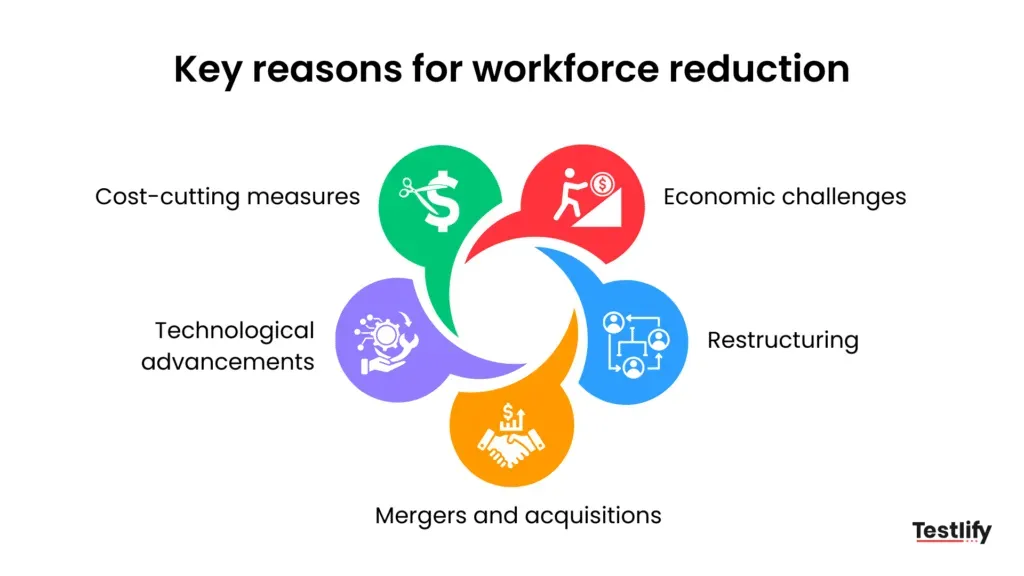
This workforce reduction aligns with a broader trend of UK workforce cuts as organizations seek to adapt to changing economic conditions and maintain financial health. The strategic decision to cut costs through attrition rather than immediate layoffs institutions the focus on creating a leaner, more efficient organization. However, this may inadvertently affect the breadth of training services offered, potentially leaving gaps in essential skills development as roles are relocated or streamlined.
Understanding the PeopleCert Acquisition and Its Impact on City & Guilds
In late 2025, City & Guilds was acquired by the Greek firm PeopleCert, marking a new era for the longstanding training and qualifications organization. This acquisition not only signifies a shift in ownership but also introduces opportunities to enhance training services through access to new technologies. PeopleCert’s strategic vision for City & Guilds aims to transform it into a more efficient business model that meets the modern demands of vocational education while still honoring its historical commitment to excellence in skills training.
The investment by PeopleCert reflects a growing trend of mergers and acquisitions in the education sector, with a focus on streamlining operations to drive profitability. By integrating City & Guilds’ operations into its portfolio, PeopleCert plans to centralize functions and reduce operational costs, significantly impacting how the training body will function in the future. The transition from a non-profit to a lean corporate structure may present new opportunities for innovation but could also lead to struggles in maintaining the legacy of personalized education and training that City & Guilds has provided for generations.
Cost-Cutting Initiatives: Necessity Versus Opportunity in Training
Cost-cutting initiatives, while often viewed as necessary for organizational survival, can sometimes be seen as detrimental to educational institutions like City & Guilds. The planned £22m savings strategy necessarily emphasizes the need for financial prudence in a competitive environment but raises concerns about the institution’s ability to maintain high-quality training and qualifications. With substantial savings projected from personnel costs, stakeholders are questioning how these changes will affect the delivery of vocational programs and the support available for learners.
As City & Guilds pursues these cost-efficient methods, it’s crucial to analyze whether such measures genuinely align with the organization’s mission of improving employability and skills development. If executed thoughtfully, these initiatives could lead to more specialized training offers, but they must also address the potential risks of diminishing the quality and availability of essential services for individuals seeking to advance in their careers.
Transitioning to a Leaner Organization: The Future of City & Guilds
The transition towards becoming a ‘leaner organization’ as indicated by PeopleCert heralds a significant transformation for City & Guilds. This shift is set to introduce a new level of efficiency and operational agility, aiming to align training services with current industry standards and demands. By reducing personnel costs and operations in the UK while relocating roles to lower-cost environments, City & Guilds can better allocate its resources towards enhancing technology and developing innovative training methodologies.
Nevertheless, the transition risks alienating the existing workforce and challenging the reliability of training programs, especially as staff with deep sector experience leave the organization. The balance between maintaining experienced personnel and embracing a corporate restructuring will be vital for City & Guilds’ reputation and effectiveness in meeting the needs of learners and employers alike.
The Role of Technology in Future Training Solutions
As City & Guilds moves into this new phase post-acquisition by PeopleCert, technology is becoming an integral component of its future training solutions. It has been stated that access to innovative technology will enhance the training services offered, suggesting a focus on integrating digital resources and AI into learning processes. This digital push is essential, especially in an increasingly competitive landscape where employers seek candidates who are not only qualified but also tech-savvy.
The emphasis on enhancing training through technology could yield significant benefits, including personalized learning pathways that accommodate diverse learner needs. However, this pivot towards digital methodologies must also encompass an understanding of the skills gap within various sectors, ensuring that technology complements rather than replaces the human touch fundamental to effective education and training.
Workforce Changes: Addressing Skill Gaps in the UK
With the announced workforce reductions at City & Guilds, a looming concern is the potential widening of skill gaps across the UK. The organization has historically contributed significantly to skill development, especially in trades and vocational areas. The reduction in staff may hinder the ability to respond quickly to the training needs of industries facing worker shortages. As the landscape of vocational training changes due to cost-cutting initiatives, it’s paramount that City & Guilds actively reassess its approach to skills training to ensure that they align with market demands.
Moreover, as roles are relocated and not directly replaced, certain sectors might find it increasingly challenging to access the specialized training they require. To address this issue, City & Guilds could implement partnerships with local employers and training institutions, ensuring a collaborative approach to bridging any emerging skills gaps while still aiming to provide valuable qualifications and apprenticeships that meet contemporary employment criteria.
Long-Term Viability: City & Guilds Foundation Perspective
The establishment of the City & Guilds Foundation represents a strategic maneuver towards maintaining long-term viability amidst these substantial organizational changes. It is tasked with upholding the mission of skill development while adapting to the new financial landscape that follows the acquisition. The foundation aims to ensure that despite workforce reductions, funding for vital programs aimed at supporting disadvantaged groups remains robust, and that City & Guilds continues to influence the vocational training ecosystem positively.
By allocating proceeds from the sale of City & Guilds training and awards division, the foundation can focus on initiatives that provide grants for training opportunities, thereby fostering inclusion and accessibility in the workforce. This will be essential in sustaining the organization’s legacy while paving the way for a more innovative approach that accommodates a diverse range of learners.
Navigating Change: Feedback from Stakeholders and Alumni
Stakeholder feedback is invaluable in navigating the change brought about by significant workforce reductions at City & Guilds. Alumni, employers, and educational professionals all have unique insights into the implications of these changes on training outcomes and program effectiveness. Engaging these key perspectives can provide critical data to inform how the organization adapts its services moving forward, ensuring that the legacy of quality education is maintained even during turbulent times.
Furthermore, alumni voices, like those of notable figures who have benefited from City & Guilds qualifications, can strengthen the organization’s brand and mission during this transition. By showcasing success stories and how training with City & Guilds has transformed lives, the organization can reaffirm its commitment to supporting learners and preparing them for successful careers in an evolving job market.
The Future Landscape of Training and Qualifications Post-COVID
The landscape of training and qualifications is likely to be dramatically altered in the post-COVID world, where organizations such as City & Guilds will have to reconsider how they approach education in light of changing workforce needs. The pandemic has accelerated the adoption of online learning and has shifted perceptions of traditional training methods. To thrive, City & Guilds must embrace these changes by enhancing digital learning platforms and exploring new modes of engagement with learners.
As the demand for flexible, accessible training options grows, City & Guilds could capitalize on this trend and redefine its approach. By innovating their qualifications to suit modern preferences while ensuring rigorous standards, they can maintain relevance and support a diverse range of learners seeking skill development in a fast-evolving job market.
Frequently Asked Questions
What is the significance of the City & Guilds workforce reduction following the PeopleCert acquisition?
The City & Guilds workforce reduction is a key element of a £22 million cost-cutting initiative initiated after its acquisition by PeopleCert. This reduction is aimed at streamlining operations and achieving significant personnel cost savings, largely through not replacing departing employees.
How will the City & Guilds layoffs affect training and qualifications services in the UK?
The City & Guilds layoffs are expected to impact training and qualifications services by transitioning to a leaner organization. Despite job reductions, the move aims to enhance efficiency and possibly access new technologies, which could improve service offerings in the long term.
What are the reasons behind the UK workforce cuts at City & Guilds?
The UK workforce cuts at City & Guilds are driven by a strategy to achieve £22 million in operational savings following its acquisition by PeopleCert. The company plans to implement cost-saving initiatives that include relocating some jobs abroad and reducing personnel expenses as a percentage of revenue.
Will City & Guilds maintain its commitment to training and qualifications after workforce reductions?
Yes, City & Guilds aims to maintain its commitment to training and qualifications by leveraging its restructuring to enhance efficiency and adapt to a digital future. While workforce reductions occur, the organization will focus on improving its services and outcomes for learners.
What kind of job transitions can we expect from the City & Guilds workforce reduction plan?
The City & Guilds workforce reduction plan anticipates natural attrition resulting in some roles not being replaced, while others may emerge due to strategic expansions. This restructuring aims to align operations with a best-in-class corporate model.
How does the PeopleCert acquisition influence the future of City & Guilds operations?
The PeopleCert acquisition influences the future of City & Guilds operations by promoting a transition from a non-profit model to a leaner corporate structure. This shift is expected to unlock new opportunities for profitability while retaining the City & Guilds brand.
What measures are being taken to support employees affected by City & Guilds layoffs?
Although specific measures for employees affected by City & Guilds layoffs were not detailed, the organization emphasizes its ongoing commitment to skills development through the City & Guilds Foundation, which aids individuals from diverse backgrounds, including those displaced due to job changes.
How can workforce reductions at City & Guilds lead to better technology access for training services?
Workforce reductions at City & Guilds are part of a strategy aimed at streamlining operations, which could allow for reallocation of funds toward technology investments. This enhancement in technology is expected to bolster training services, benefiting learners in an increasingly digital landscape.
| Key Point | Details |
|---|---|
| Workforce Reduction | City & Guilds is reducing its UK workforce as part of a £22m cost-cutting initiative. |
| Acquisition | Acquired by a private Greek firm, PeopleCert, in October 2025. |
| Job Relocation | A third of jobs will be relocated to Greece, where costs are significantly lower. |
| Cost Synergies | The plan includes achieving £13m in personnel cost savings mainly through not replacing departing staff. |
| Employee Turnover | C&G has an annual turnover rate of approximately 340 departures from its 1,800 employees. |
| Long-term Strategy | Aim is to transition to a leaner corporate structure for increased profitability. |
| Future Opportunities | Potential for new roles and opportunities arising from technological improvements. |
Summary
City & Guilds workforce reduction marks a significant shift in operations following its acquisition by PeopleCert. This strategic move is part of a broader £22 million cost-cutting initiative aimed at transitioning the organization into a more efficient, corporate structure. With nearly a third of its jobs being relocated and significant savings targeted from personnel costs, the organization’s future strategy aligns with modern digital transformations. While this may raise concerns about workforce stability and the organization’s historic mission of skill enhancement, leaders assert that these changes are vital for sustainability and growth in an evolving educational landscape.