Listen to this article
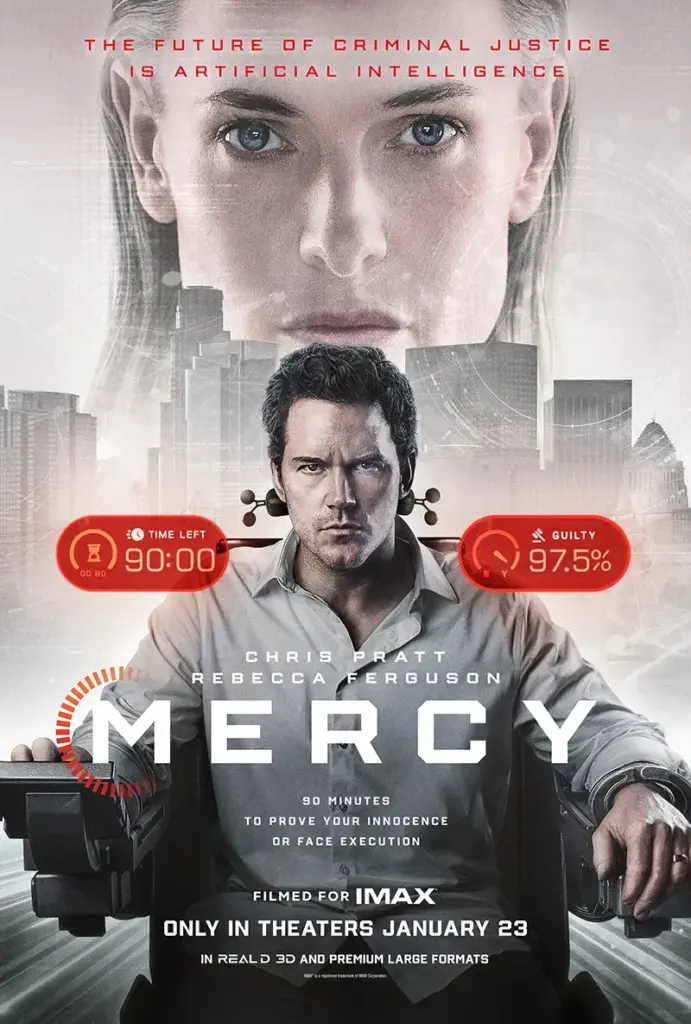
In his latest project, Chris Pratt’s transformative role in “Mercy” showcases his ability to take on unexpected challenges, stepping far away from his typical wisecracking action hero persona. The movie, centered around the gripping concept of an AI judge, thrusts Pratt into the tumultuous life of homicide detective Chris Raven, who races against time to prove his innocence after being accused of murder. With only 90 minutes to plead his case in a world dominated by digital surveillance, the stakes have never been higher for Pratt. His impressive acting push in this fresh narrative, alongside the film’s innovative plot, highlights an intriguing intersection of technology and justice. “Mercy” promises a thrilling experience that deftly navigates the implications of an AI judiciary and the ethical dilemmas of a future governed by machine intelligence—an important theme that resonates with today’s society gems in cinema, enhancing its relevance in discussions about real-world issues like digital surveillance and criminal justice.
The film “Mercy” marks a significant departure for Chris Pratt, known for action-packed roles in franchises like Guardians of the Galaxy. This project introduces audiences to a new narrative wherein the protagonist, a detective entangled in a murder accusation, must convince an AI to spare him from execution. The plot intricately explores the chilling concept of justice meted out by artificial intelligence, reflecting contemporary concerns surrounding digital oversight and accountability within law enforcement systems. As Pratt dives deep into this complex character arc, he not only challenges himself as an actor but also invites viewers to ponder the real applications of AI in modern society. Ultimately, “Mercy” fuses thrilling cinematic elements with critical reflections on advancements in technology and their impact on humanity.
Exploring the Unique Premise of Chris Pratt’s Mercy
Chris Pratt’s latest film, Mercy, dives deep into a unique and challenging narrative that intertwines his character’s fight for justice with the implications of advanced technology. In this gripping sci-fi thriller, Pratt portrays Chris Raven, a homicide detective on trial for the murder of his wife. The film’s premise hinges on an AI judge concept, showcasing a dystopian reality where individuals are subjected to instant justice without the possibility of appeal. This setup raises intriguing questions about morality and the essence of justice in a world dominated by digital surveillance.
The film’s real-time format adds an intense layer of urgency, as Raven must prove his innocence within just 90 minutes, all while battling a severe hangover. This narrative structure is not only innovative but also forces the audience to engage in the unfolding drama, reflecting the increasing concerns about privacy and the power of technology in the justice system. With Chris Pratt at the helm, Mercy promises to push the boundaries of traditional storytelling, making it a must-see for fans of thrilling cinema.
The Transformation of Chris Pratt in Mercy
Chris Pratt’s role in Mercy signifies a noticeable departure from his previous characters, particularly those in family-friendly blockbusters like Guardians of the Galaxy. In preparation for his portrayal of Chris Raven, Pratt requested to experience the confinement of an executioner’s chair, emphasizing his commitment to deliver an authentic performance. This level of dedication showcases his willingness to stretch as an actor, moving away from the ‘goofy’ personas that audiences have come to expect from him. His approach reveals a profound understanding of the emotional weight that comes with playing a character placed in such dire circumstances.
Pratt describes filming expectations as akin to a long performance in a stage play, allowing him to explore the depths of his character’s struggle amidst a high-stakes narrative. This method yielded a more satisfying creative experience compared to the disjointed nature often associated with blockbuster productions. With Mercy, Pratt endeavors to challenge both himself and his audience, presenting a side of his acting prowess that many may not have anticipated. Audiences eager to see this transformation can expect to witness a nuanced portrayal that highlights the profound impact of desperation and the quest for truth.
The Role of AI and Surveillance in Mercy
Mercy uniquely highlights the intersections between artificial intelligence and criminal justice, paving the way for discussions around the ethics of AI in legal proceedings. The character of AI Judge Maddox, portrayed by Rebecca Ferguson, presents a chilling vision of a future where technology dictates life-and-death decisions. This film mirrors contemporary debates on digital surveillance and the dangers of relinquishing human oversight to algorithmic systems. Critics and audiences alike will recognize the haunting relevance of this narrative as they consider how AI is gradually woven into various sectors, including law enforcement.
The film’s portrayal of a justice system heavily reliant on surveillance footage raises questions about privacy, civil liberties, and the potential for biases inherent in AI technologies. With Pratt’s character navigating this treacherous landscape, viewers are compelled to reflect on their perspectives regarding technology’s role in society. The timely commentary provided through Mercy resonates powerfully in a world increasingly dominated by digital systems, prompting much-needed dialogue about the potential repercussions of allowing AI to dictate justice.
Chris Pratt’s Commitment to Challenging Roles
As Chris Pratt steps into the complex role of Chris Raven in Mercy, he not only showcases his acting range but also his commitment to engaging with substantial material. His desire to take on challenging roles illuminates a critical aspect of his career evolution, allowing him to break free from the constraints of conventional casting. This willingness to explore darker, more serious themes sets Pratt apart in an industry that often favors predictable character archetypes. It signifies his desire for growth as an artist, as he seeks to create a more complex relationship with his audience.
In discussions regarding the film, Pratt has expressed that he aims to provide audiences with unexpected experiences that contrast with his earlier, more comedic roles. This commitment to evolving as an actor emphasizes his belief in the importance of storytelling that resonates on a deeper level. As he strives to challenge not only himself but also the expectations placed on him by his fans and the industry, Pratt’s journey reflects a broader trend among actors seeking to redefine their identities in cinematic spaces.
Behind the Scenes of Mercy: Crafting a Unique Experience
The production of Mercy presented numerous unique challenges, particularly in the way scenes were filmed given the constraints of the executioner’s chair. Pratt’s decision to authentically experience the confinement underscores his dedication to the integrity of his character’s psychological state. Filming interactions with Ferguson from a distance while locked in the chair created a palpable sense of isolation, contributing to the film’s intense atmosphere. This engaging behind-the-scenes approach not only enhances the storytelling but also offers viewers an inside look into the meticulous planning that went into creating a believable narrative.
In Pratt’s own words, working on Mercy felt akin to a long stage performance, providing a streamlined creative process that is often absent in large-scale productions. This approach fostered a unique synergy between the film’s action elements and its impactful storytelling, resulting in a finished product that captivates audiences. By shooting extensive action through the lens of surveillance technology, the film cleverly intertwines traditional storytelling with innovative filmmaking techniques, ultimately leading to an unforgettable cinematic experience.
Exploring the Themes of Justice and Morality in Mercy
Mercy is underpinned by powerful themes of justice and morality that resonate throughout the narrative. The AI judge subverts traditional notions of a fair trial, presenting a harsh reality where individuals have little to no agency within the legal system. As Chris Pratt’s character fights to prove his innocence, the film invites viewers to engage with complex moral questions: What constitutes justice when technology overrides human compassion? This thought-provoking commentary makes Mercy more than just a sci-fi thriller, challenging audiences to reflect on ethical dilemmas in contemporary society.
The stark juxtaposition between Chris Raven’s plea for justice and the cruelty of the AI system highlights the potential dangers of dehumanizing judicial processes. By putting audiences in Raven’s shoes, Mercy compels a critical examination of the criminal justice system and its reliance on technology rather than empathy. Pratt’s performance becomes a focal point for this exploration, allowing audiences to witness the emotional turmoil of a man who finds himself powerless against an unforgiving system. This thematic depth elevates the film, ensuring it resonates on multiple levels.
Critique of Digital Surveillance in Modern Society
Mercy serves as a cautionary tale about the pervasive threat of digital surveillance in modern society. The film reflects current technological developments where surveillance devices are becoming more common in the policing of communities. With the chilling realization that 92% of trials end in execution, the narrative forces viewers to confront the implications of living in a society where one’s every move is potentially monitored. This critical lens on surveillance aligns with ongoing real-world debates about privacy and the ethical implications of integrating AI into law enforcement.
Furthermore, Pratt’s character’s struggles against this omnipresent surveillance highlight profound concerns regarding civil rights and personal freedoms. As audiences witness Raven’s desperate fight for survival, the film prompts an examination of our own realities, where technologies meant for safety can become tools of oppression. By crafting a narrative around these issues, Mercy encapsulates the dichotomy of technological advancement and ethical responsibility, serving as a timely reminder of the need for vigilance in protecting our rights in an increasingly monitored world.
The Impact of Chris Pratt’s Performance in Mercy
Chris Pratt’s portrayal of Chris Raven in Mercy is a defining moment in his career, allowing him to break away from his comedic roots and delve into more complex emotional terrain. His nuanced performance captures the desperation and vulnerability of a man facing execution, drawing viewers into his plight. Pratt expertly navigates the challenges of portraying a character who is not only battling external forces but also grappling with internal demons, highlighting the depths of his acting capabilities.
Audiences and critics alike are likely to see Pratt’s performance as a pivotal point in his trajectory as an actor. By stepping into such a demanding role, he not only showcases his versatility but also reinforces the power of storytelling in cinema. As he challenges stereotypes while exploring deeper themes of justice and truth, Pratt reinforces his place as a significant figure in contemporary film, making Mercy an impactful addition to his body of work.
The Future of Chris Pratt and Upcoming Projects
Looking forward, Chris Pratt’s involvement in projects like Mercy has sparked excitement about his future endeavors in Hollywood. With his recent foray into serious roles, fans are curious about how he will continue to evolve as an actor. The buzz surrounding his potential return as Star-Lord in the upcoming Avengers: Doomsday also adds anticipation for his enduring legacy within the Marvel Cinematic Universe. As Pratt balances these two facets of his career—thrilling action hero and serious actor—audiences can expect a dynamic range of performances in the years to come.
Mercy marks a turning point for Pratt, suggesting that he is not afraid to take risks that challenge audience expectations. As he navigates new storytelling avenues, there’s a sense that Pratt is poised to become a leading voice in films that address pressing societal issues through engaging narratives. With his commitment to tackling meaningful roles, viewers can remain optimistic about the innovative directions his acting career will take, ensuring his place in the pantheon of talented actors for years to come.
Frequently Asked Questions
What is the plot of Chris Pratt’s new movie Mercy?
In Chris Pratt’s new movie Mercy, he portrays homicide detective Chris Raven, who must prove his innocence to an AI judge after being accused of murdering his wife. Set in real-time, Raven fights for his life while battling a hangover, with just 90 minutes to convince the AI judge of his innocence. The film explores themes of digital surveillance and the ethical implications of using AI in the justice system.
How does Chris Pratt’s acting in Mercy differ from his previous roles?
In Mercy, Chris Pratt takes on a much darker and serious role compared to his usual wisecracking action heroes. As Chris Raven, he showcases a more intense performance, particularly as he grapples with addiction and desperation while trying to clear his name within a gripping sci-fi thriller context.
What unique challenges did Chris Pratt face while shooting Mercy?
Chris Pratt faced unique challenges in Mercy by choosing to be physically locked in an executioner’s chair for long periods, which he felt contributed to his portrayal of the character’s claustrophobia. This immersive experience meant he had to perform scenes with limited mobility and interaction, making his performances even more compelling.
What is the concept of the AI judge in Mercy?
The AI judge in Mercy, named Judge Maddox and portrayed by Rebecca Ferguson, plays a crucial role in the film’s plot. Defendants have access to surveillance footage and can engage in limited dialogue, but without a jury or a chance to appeal, the stakes are life-or-death, with most defendants facing immediate execution.
How does the film Mercy address the issue of digital surveillance?
Mercy delves into the world of digital surveillance by depicting a society where all actions are monitored, and AI technologies are implemented in the judicial process. It raises questions about privacy, ethics, and the impact of such systems on civil liberties, reflecting current concerns regarding increased surveillance in real life.
What did Chris Pratt say about the experience of filming Mercy compared to blockbuster movies?
Chris Pratt expressed that filming Mercy was more fulfilling than traditional blockbuster movies. He described it as akin to performing a lengthy stage play with coherent acts, rather than the disjointed shooting schedule typical of big-budget films where scenes may only last seconds on screen.
What insights does Chris Pratt provide regarding the use of AI in the justice system through his film Mercy?
Chris Pratt emphasizes that while Mercy offers a fictional look at an AI judge, he believes in the importance of having a jury of peers and the right to be presumed innocent. He highlights concerns about the implications of trial by AI, positioning it as not the ideal direction for justice.
When is Mercy released in cinemas and where can I watch it?
Mercy is scheduled for release in UK cinemas on Friday, 23 January. Check local listings for showtimes and whether it’s available in your region.
| Key Points | Details |
|---|---|
| Chris Pratt’s Role | Plays homicide detective Chris Raven, accused of murdering his wife. |
| Film Theme | Explores a world with digital surveillance and AI in the justice system. |
| Unique Filming Style | Pratt requested to be locked in a chair for realism, enhancing performance. |
| AI Judge | Presided by AI Judge Maddox, played by Rebecca Ferguson. |
| Plot Stakes | Raven must convince the AI judge of his innocence in 90 minutes. |
| Surveillance Usage | Relies on surveillance footage to tell parts of the story. |
| Pratt’s Observations | Finds the project fulfilling and unlike typical blockbusters. |
| Critique of AI Justice | Pratt argues against trial by AI, advocating for human juries. |
| Cautious Outlook on Technology | Pratt is optimistic yet cautious about the impact of digital technologies. |
| Release Date | Mercy releases in UK cinemas on 23 January. |
Summary
Chris Pratt’s role in Mercy marks a significant shift from his usual action hero persona. In this film, he portrays Chris Raven, an accused murderer who must navigate a futuristic justice system dominated by AI. This turn into serious storytelling showcases Pratt’s versatility as an actor and his willingness to explore complex themes surrounding digital surveillance and the ethics of AI. As the narrative unfolds in real time, audiences are drawn into the intense pressure Raven faces, making Mercy a thought-provoking cinematic experience.