
Listen to this article
Choosing the right sport for your child is an essential step that can significantly shape their development, health, and enjoyment of physical activity. With myriad options available in kids sports selection, parents often wonder how to make a decision that best aligns with their child’s interests and abilities. Engaging your child in discussions about their preferences is key, as this will not only foster a sense of autonomy but also guide you in choosing a sport that resonates with them. As you embark on this journey of choosing sport for children, consider factors such as their athletic interests, age-appropriateness, and social environment, ensuring a positive experience that promotes lifelong engagement in sports for kids education. Ultimately, selecting the right sport can instill values like teamwork and resilience, laying the foundation for your child’s future success.
When it comes to selecting an athletic activity for youngsters, the process can be both exciting and challenging. It’s important to evaluate the various youth sports options available, ensuring that you consider your child’s preferences and strengths. This youth sports guide emphasizes the significance of aligning your child’s athletic interests with the right sport, helping to foster a passion for physical activity. By taking into account factors like age suitability and the social dynamics of different sports, parents can create a supportive environment that nurtures their child’s love for movement and competition. Making informed decisions about sports for kids not only promotes physical health but also enriches their social skills and overall happiness.
Assessing Athletic Interests in Children
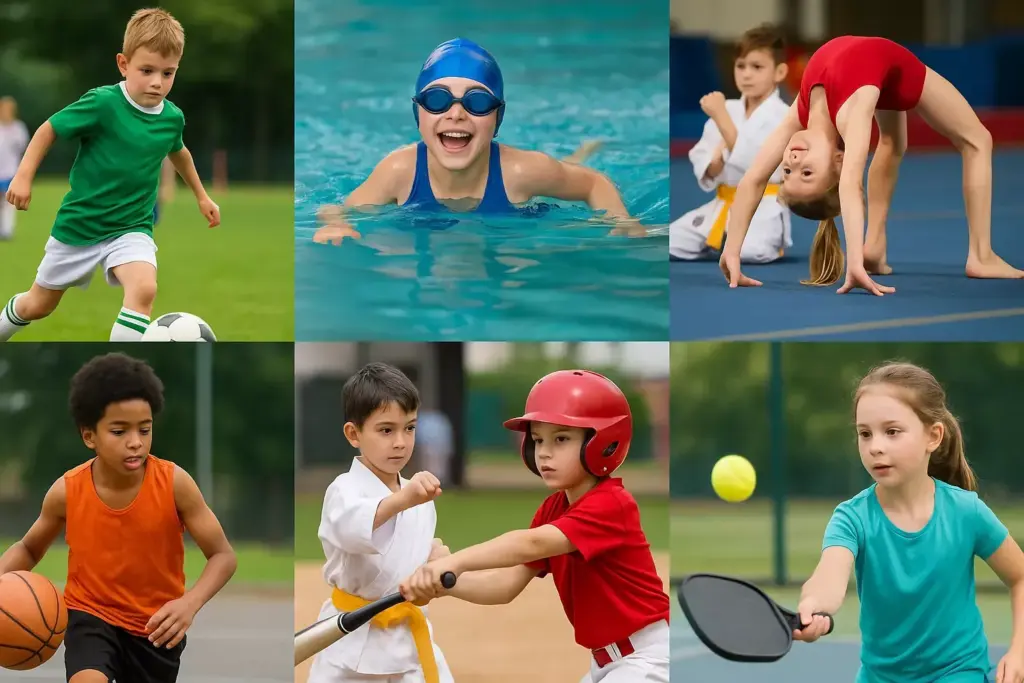
When it comes to selecting the right sport, understanding your child’s interests is critical. Engaging in conversations about what sports intrigue them can help narrow down the options. For example, some children may find the collaborative spirit of team sports like basketball and soccer exciting, while others might prefer the discipline of individual sports such as swimming or gymnastics. By recognizing their passions early, parents can encourage their kids to explore various athletic fields, laying the groundwork for a lifetime of enjoyment and health benefits.
Moreover, incorporating family activities that revolve around sports can enhance this exploration. For instance, hosting family game days or attending local sporting events can spark conversations about which sports might appeal to your child. The key is to create an environment where your child feels free to express their preferences without fear of judgment, leading to more informed choices later in life. This initial assessment can be the first step in guiding your child’s journey in the world of youth sports.
Understanding Physical Abilities in Sport Selection
Choosing a sport that aligns with your child’s physical abilities is essential for their success and enjoyment. Different sports demand various skill sets, and recognizing your child’s strengths can help direct their athletic journey effectively. For example, a child with strong motor coordination may excel in sports that require precision, such as tennis, while those with boundless energy could shine in high-octane environments like soccer or basketball. Ensuring your child participates in a sport that complements their physical attributes not only boosts their confidence but also reinforces their determination to improve.
Parents can observe their child’s natural abilities during casual play, which may reveal unexpected talents. Activities like running races, throwing a ball, or climbing can give insights into their strengths and preferences. Additionally, working with a coach to conduct skill assessments can provide a comprehensive understanding of where your child might thrive. By aligning sport choice with physical abilities, families can foster both competitive spirit and love for the game.
Determining Age-Appropriate Sports
Age appropriateness plays a crucial role in ensuring that children engage in sports that align with their developmental stage. Younger children, particularly those under eight, benefit from participating in varied activities that promote skill development without the pressure of competition. Sports such as multi-sport clinics or introductory leagues allow them to explore various physical skills in a fun environment, making the experience enjoyable and enlightening.
As children transition into their pre-teen and teenage years, they often develop a preference for specific sports. It’s essential to choose leagues suited to their age group, which cultivate a balance of fun, skill development, and healthy competition. Programs that focus on holistic athletic growth rather than just winning encourage a healthier relationship with sports. Parents should assess the offerings in their community to ensure their child is placed in an age-appropriate program that aligns with their interests and abilities.
Exploring Team vs. Individual Sports
Deciding between team and individual sports is pivotal, depending largely on a child’s personality and social preferences. Team sports, such as soccer and basketball, provide children with the opportunity to establish friendships and develop teamwork skills. These sports often emphasize collaboration and shared goals, which can enhance a child’s social experience and teach valuable life skills such as communication and cooperation.
Conversely, individual sports like swimming, tennis, or martial arts can foster personal accountability and self-motivation. In these settings, kids work on their skills independently, allowing for both personal growth and performance tracking. Ultimately, considering your child’s preferences for social interaction or self-directed activity can help you guide them towards a sport that will keep them engaged and passionate.
Aligning Sports with Family Values
Family values significantly impact the choice of sports for your child. If a family places a high emphasis on competitiveness, encouraging participation in sports like football or track might be beneficial. Conversely, if the family’s core value is participation and fun, recreational leagues that emphasize enjoyment over performance may be more appropriate. Understanding these values can help parents frame their approach to their child’s sports involvement, ultimately guiding them toward a fulfilling experience.
Additionally, assessing the level of commitment your family is willing to give toward your child’s sporting activities can dictate sport selection. Some competitive sports require substantial time for practices and games, alongside travel commitments to attend competitions. Evaluate your family’s schedule and lifestyle to ensure that participating in a chosen sport remains enjoyable and manageable for everyone.
Evaluating the Social Environment of Sports
The social environment surrounding a sport can greatly influence your child’s overall experience and enjoyment. Engaging with local sports communities can provide insights into which teams or clubs prioritize inclusiveness and support. For instance, some sports may have a more competitive atmosphere, which can intimidate some children, while others may emphasize teamwork and camaraderie, nurturing growth in a supportive space.
Visiting practices, attending games, and speaking with other parents can offer a clearer view of a sport’s community spirit. Children thrive in environments that support their emotional well-being, so selecting a sport that boasts positive social interactions and an inclusive culture is essential. Sports that foster a sense of belonging can instill lasting values in your child, teaching them about friendship, resilience, and collaborative success.
Prioritizing Skill Development Opportunities
The right sports program should prioritize skill development rather than merely focusing on competition. For young kids, especially under the age of 12, the enjoyment of learning and improving should be at the forefront. Seek programs that emphasize progressive skill-building and provide diverse opportunities to learn the fundamentals, enabling children to grow their abilities in a fun and engaging manner.
Research local attractions such as training camps, clinics, or skill workshops that offer quality instruction. Choosing a program that focuses on nurturing talents rather than solely winning can help establish a healthy, long-term relationship with sports. These experiences not only keep your child engaged but also align their skill development with their personal growth, promoting a more fulfilling athletic journey.
The Importance of Supportive Coaching
The impact of a coach on a child’s sports experience cannot be overstated. Quality coaching can inspire young athletes, instilling a passion for the sport that drives them to excel. When selecting a sports program, inquire about the coaching philosophy and the level of support the coaches provide to their athletes. A nurturing coach who emphasizes development, sportsmanship, and encouragement helps create a positive environment for your child.
Ask about how the coaching staff manages successes and setbacks, as this can be vital in shaping a child’s emotional resilience. Good coaching fosters an environment of learning, enabling children to appreciate both triumphs and failures as part of their athletic journey. Finding a supportive coaching staff can make a significant difference in your child’s experience, encouraging them to remain active and involved in sports over the years.
Ensuring Safety in Youth Sports
When choosing a sport, prioritizing safety cannot be overlooked. Each sport carries inherent risks of injury, so it is essential to be informed of these when making your selection. Research clubs and teams that prioritize safety measures, including proper equipment usage, adequate coaching, and adherence to safety regulations. Parents should also take the time to familiarize their child with safety protocols, such as warming up, staying hydrated, and adhering to game rules.
Educating both yourself and your child about the unique risks associated with their sport can prevent accidents and encourage safe practices. Confidence in their environment can significantly enhance your child’s athletic experience, enabling them to focus on enjoyment and skill rather than fear of injury. By ensuring safety is a fundamental aspect of your choice, you set the stage for a positive and healthy sporting experience.
Taking Advantage of Trial Sports Opportunities
Allowing your child to participate in trial periods or introductory sports classes can be invaluable in the selection process. Many sports clubs offer opportunities for children to sample various activities without any long-term commitment. These trial experiences allow children to gain firsthand insights into different sports, helping them determine what resonates most with their interests and abilities.
Encouraging your child to try multiple sports before selectivity offers a comprehensive understanding of their preferences. By placing them in different environments, you foster adaptability and open-mindedness. Through explorations, they can discover their passion for a sport they might never have initially considered, paving the way for future enjoyment and athletic success.
Frequently Asked Questions
How can I start choosing the right sport for my child?
To begin choosing the right sport for your child, assess their interests and physical abilities. Engage in a conversation about what sports they enjoy, whether they’re inclined towards team activities or individual sports. Encouraging exploration can help guide your child’s sports selection toward something they’ll love.
What factors should I consider when choosing a sport for my child?
When choosing a sport for your child, consider factors such as their interests, physical abilities, age appropriateness, and whether they thrive in team or individual environments. Additionally, look into family values regarding sports commitment and the social atmosphere of the sport.
How important are my child’s interests in choosing the right sport?
Your child’s interests are crucial in choosing the right sport. When children are engaged in activities they enjoy, such as those aligned with their athletic interests, they are more likely to remain committed and enjoy the challenge of sports.
What role does a child’s physical ability play in choosing a sport?
Physical abilities play a significant role in choosing a sport for your child. Different sports require various skills, so understanding your child’s natural abilities can help you select an activity where they can excel and feel confident.
Are there age-appropriate sports for younger children?
Yes, for younger children aged 5-7, consider sports that emphasize participation and skill development rather than competition. Activities that introduce a variety of movements can be beneficial, ensuring a fun experience while they explore different sports.
Should I prioritize team sports or individual sports for my child?
Whether to prioritize team or individual sports depends on your child’s personality. Team sports are great for fostering social skills and cooperation, while individual sports can encourage personal growth and self-discipline. Observe your child to see what suits them best.
How can I determine if a sport has a supportive social environment?
To assess a sport’s social environment, attend local games or meet with other parents to gain insights into the community. Look for teams that promote inclusivity, sportsmanship, and support for all skill levels.
What is the importance of support from coaches when choosing a sport?
Supportive coaches significantly influence your child’s experience in sports. Seek out programs with knowledgeable coaches who focus on skill development and nurture children’s love for the game, fostering a positive environment.
Why is safety an important consideration when selecting sports for kids?
Safety is paramount when selecting sports for kids to ensure they engage in activities that minimize injury risks. Research the sport’s safety practices, equipment standards, and coaching to guarantee a safe playing environment.
What can you do if your child wants to try multiple sports?
Encourage your child to explore various sports by allowing them to participate in trial periods or introductory classes. This way, they can sample different activities before committing, helping them find the sport that resonates best with them.
| Key Factors | Description |
|---|---|
| Assess Your Child’s Interests | Discuss with your child to identify what sports they enjoy, whether team or individual, and their energy level. |
| Consider Physical Abilities | Evaluate your child’s natural skills and preferences to match them with suitable sports. |
| Age Appropriateness | Choose sports that fit your child’s age group, emphasizing fun and skill development over competition. |
| Team vs. Individual Sports | Decide if your child prefers teamwork or individual achievement in sports. |
| Family Values and Commitment | Reflect on your family’s values regarding sports and the commitment required for practices and events. |
| Social Environment | Investigate the community around the sport for inclusivity, support, and competition levels. |
| Opportunities for Skill Development | Seek programs that focus on skill development over competition, especially for younger children. |
| Support from Coaches | Look for supportive coaches who encourage youth development and have a positive approach. |
| Safety Considerations | Ensure safety equipment and practices are in place to minimize injury risks. |
| Trial Period | Allow your child to experience various sports through trial classes before committing. |
Summary
Choosing the right sport for your child is essential for their physical and emotional development. By engaging in discussions about their interests and assessing their physical abilities, you can ensure they find a sport that not only entertains them but also supports their growth. Considering factors such as age appropriateness, team dynamics, family commitments, and the social environment will further guide you in making an informed decision. Ultimately, the right sport can enrich your child’s life with lessons in teamwork, resilience, and community involvement, setting the foundation for a healthy lifestyle and personal development.

