Listen to this article
Choosing the right sport can greatly influence your journey towards a healthier and more active lifestyle. However, with so many options available, it can be overwhelming to find the best sports for fitness that align with your interests and personal goals. This guide will explore how to choose a sport that not only resonates with your lifestyle but also enhances your overall well-being. We’ll analyze the benefits of team versus individual sports, helping you understand which type of activity fosters your motivation and commitment. By narrowing down your options to what suits you best, you’ll be well on your way to achieving your sports and fitness goals.
When it comes to identifying the ideal physical activity, understanding your preferences and circumstances is vital. Whether you seek camaraderie through team activities or prefer the independence offered by individual disciplines, discerning how to select a suitable sport can enrich your daily routine. Various athletic endeavors, ranging from high-energy group competitions to serene personal practices, cater to an array of interests and abilities. Recognizing your fitness aspirations will anchor your decision-making process, ultimately guiding you toward an engaging sport that complements your unique lifestyle. Embrace this journey of exploration to discover ways to enhance both your health and enjoyment in physical activity.
Factors to Consider When Choosing the Right Sport
When it comes to choosing the right sport, several factors play a pivotal role in aligning the activity with your individual lifestyle. The first consideration is your current level of physical fitness—are you a seasoned athlete or just beginning your fitness journey? This will influence not only the type of sport you choose but also the intensity at which you engage. Additionally, consider your daily schedule. If you have a busy work or family life, opting for a sport that can be practiced individually or requires less time commitment may suit you better.
Moreover, it’s crucial to reflect on the social aspect of sports. Do you see yourself enjoying the company of teammates or would you rather focus on personal achievements? Understanding whether you are drawn more towards team sports or individual activities will significantly impact your overall satisfaction. Finally, take some time to evaluate your fitness goals. Whether it’s weight loss, muscle building, or simply having fun, the sport you select should cater to these objectives.
Exploring Different Types of Sports
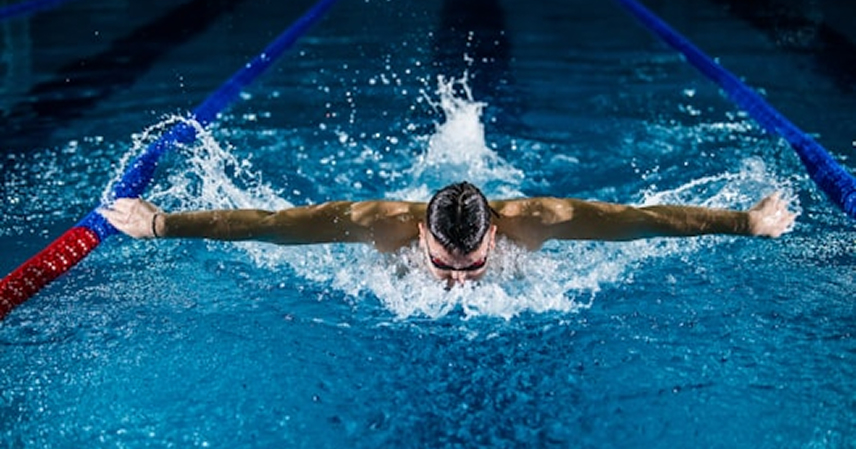
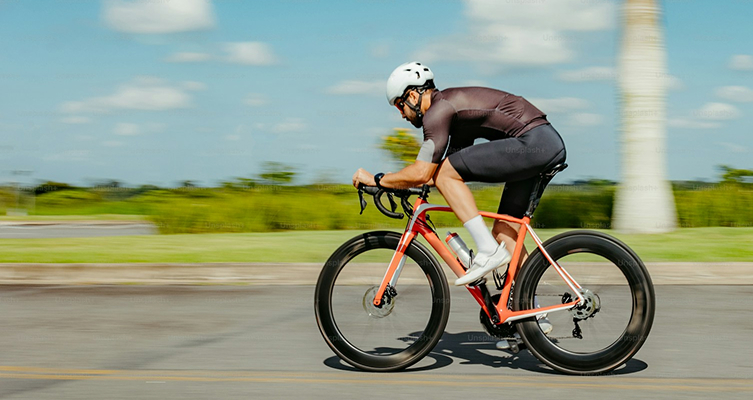
Diversity in sports means there is something for everyone. Whether you prefer the independence of individual sports, the camaraderie of team sports, the thrill of adventure activities, or the structured environment of fitness classes, there’s a perfect fit for your preferences and lifestyle. Individual sports like running, cycling, and swimming allow you to set your own pace and schedule, which can be incredibly appealing if you have unpredictable commitments. It also fosters a sense of personal achievement, as you compete against your own progress.
On the other hand, team sports such as soccer and basketball encourage collaboration and community. They require teamwork, which not only enhances your fitness level but also builds relationships. If you thrive on social interaction, joining a team can also lead to making lasting friendships. Additionally, exploring fitness classes—creating a routine with yoga or CrossFit—can provide both structure and an opportunity to learn new skills while being guided by professionals.
Individual Sports vs. Team Sports: Which Is Right for You?
When deciding between individual and team sports, it’s essential to think about your personality and social preferences. Individual sports offer a high degree of autonomy, where you are solely responsible for your performance and progress. This can be rewarding for those who enjoy setting personal goals and working at their own pace. It allows you to customize your workout routine completely and can be fitting for those with tight schedules, as you can train alone whenever it suits you.
Conversely, team sports appeal to those who thrive on social interaction and cooperative environments. The shared experience of training and competing can increase motivation and commitment to fitness. Team sports often demand regular practice and commitment, but these can enhance your sense of belonging and accountability. Consider your lifestyle: do you fit better into a rigid schedule with team practices or do you prefer the flexibility individual sports provide?
Setting Fitness Goals to Enhance Your Sport Experience
Setting clear and realistic fitness goals is a crucial step in getting the most out of your chosen sport. Defining what you want to achieve—whether it’s improving endurance, building strength, or mastering a new skill—will give your sporting journey purpose. Start with short-term goals that are measurable and achievable, like attending classes three times per week or running a certain distance without stopping. These small wins are vital for maintaining motivation and guiding your progression.
Long-term goals, on the other hand, should provide a broader vision. Aim for milestones like completing a local 5k race or joining a recreational league. It’s also beneficial to track your progress using various tools, whether it’s fitness apps, journals, or visual boards. This not only helps in understanding your achievements but also in adapting your goals as you improve. Remember, the key to sticking with your sport is to celebrate every success along the way!
Assessing Your Interests and Preferences
Your interest in a particular sport can significantly influence your commitment. Reflect on what activities excite you or have always piqued your curiosity. Are you drawn to fast-paced, adrenaline-filled sports, or do you prefer activities like yoga that focus on mindfulness and flexibility? The best sports for fitness often align not just with your physical goals but with your passions as well. Engaging in activities that resonate with you fosters an environment of enjoyment and encourages a sustained commitment to fitness.
Exploring different sports through trial sessions or introductory classes can be a beneficial strategy. Many local clubs offer opportunities to try out various activities, allowing you to experience different environments and camaraderie. Additionally, considering your community involvement can enhance your experience—being part of a sports community or group can provide support, motivation, and a sense of belonging. Assess how you want to socialize within your sport, whether through clubs or friendly matches.
The Importance of Safety in Sports Selection
Safety should always be a top priority when selecting a sport. Each activity carries its risks, so understanding the safety measures and requirements for your chosen sport is essential. For example, if you are considering adventure sports such as rock climbing or mountain biking, ensuring that you have access to proper safety gear and knowledge about safe practices is crucial. This aspect can make the difference between an enjoyable experience and a hazardous one.
Additionally, consider your current health status and any pre-existing conditions that might affect performance. Consult with professionals if needed, and don’t hesitate to adjust your approach based on your physical capabilities. Ultimately, engaging in sports should enhance your overall well-being, not compromise it. Taking necessary precautions will help you enjoy whatever sport you choose while minimizing the risk of injury.
Nurturing Your Passion Through Continuous Learning
One of the most rewarding aspects of engaging in sports is the continuous learning involved. As you progress in your chosen activity, seeking resources to improve your skills will keep you motivated and passionate. This can include reading books, watching instructional videos, or attending workshops led by experienced athletes or coaches. Broadening your knowledge not only enhances your performance but also deepens your appreciation for the sport.
Participating in clinics or camps is another excellent way to focus on skill development while being surrounded by like-minded individuals. These opportunities can also introduce you to new techniques and approaches in your sport. Balancing learning with practice helps maintain excitement in your sporting journey, leading you to unexpected achievements and personal growth.
The Role of Commitment in Your Sports Journey
Commitment is a critical factor in achieving success in any sport. Understanding the level of dedication required for your chosen activity is essential to ensure it fits your lifestyle. Some sports, such as team sports, may necessitate a more substantial time commitment due to mandatory practices and scheduled games. Therefore, assessing your current obligations and finding a sport that complements your routine will lead to a better balance.
On the other hand, individual sports may allow for greater flexibility, but it also requires self-discipline to stick to a training schedule. The key is to find a balance that works for you—one that allows you to enjoy your sport without overwhelming your other responsibilities. Commitment doesn’t mean sacrificing other parts of your life; instead, it should enhance your overall well-being and longevity in the sport.
Celebrating Your Achievements in Sports
Celebrating milestones in your sports journey is an integral part of maintaining motivation and enthusiasm. Recognizing your progress—whether it’s reaching a specific athletic goal, surpassing personal records, or simply getting more active—fuels your passion for the sport. This acknowledgment can take many forms, from sharing your accomplishments with friends and family to rewarding yourself with something special after completing a significant goal.
Moreover, joining a sporting community or club can provide further opportunities for celebration. Participating in events or competitions, even informally, encourages a culture of support and accomplishment among members. Regularly reflecting on how far you’ve come in your body’s capabilities or skills will reinforce the joy of sports and help you stay engaged with your chosen activity.
Frequently Asked Questions
How do I start choosing the right sport for my lifestyle?
To start choosing the right sport for your lifestyle, assess your current physical activity level, time availability, preference for team vs. individual sports, and specific fitness goals. This self-evaluation will guide you in selecting a sport that aligns with your personal needs.
What are the best sports for fitness goals?
The best sports for fitness goals include running, cycling, swimming, and team sports like soccer and basketball. Each of these can help improve cardiovascular health, build muscle, and enhance overall fitness, making them ideal choices when considering how to choose a sport.
Should I choose team or individual sports?
Choosing between team vs. individual sports depends on your personality and social preferences. If you enjoy camaraderie and collaboration, team sports might be right for you. If you prefer personal challenges and self-paced progress, then individual sports could be more suitable.
What should I consider when choosing a sport that fits an active lifestyle?
When choosing a sport to fit an active lifestyle, consider your current fitness level, how much time you can dedicate, your interests, and the accessibility of facilities. This will ensure you select a sport that is both enjoyable and sustainable.
Are adventure sports a good choice when selecting the right sport?
Adventure sports can be an exciting choice if you seek adrenaline and challenges. Activities like rock climbing and mountain biking provide an exhilarating experience but require understanding safety measures. If you’re cautious and enjoy the thrill, they may be perfect for you.
How can fitness classes help in choosing the right sport?
Fitness classes such as yoga, Pilates, or CrossFit can help you discover your preferences and improve fitness levels under professional guidance. They offer structure and variety, making it easier to decide the right sport for your active lifestyle.
How important is setting realistic goals when choosing a sport?
Setting realistic goals is crucial when choosing a sport as it helps maintain motivation and track progress. Short-term and long-term goals will keep you focused, making your selected sport more fulfilling and aligned with your fitness journey.
Can I switch sports after choosing one?
Yes, you can switch sports after choosing one! It’s common for people to explore different sports over time. If your interests change or if you’re not enjoying your current sport, don’t hesitate to try something new that better suits your lifestyle.
What are recreational sports, and how do they fit into an active lifestyle?
Recreational sports like tennis, badminton, or golf are designed for enjoyment rather than competition. They can fit very well into an active lifestyle as they allow for social interaction and fun while also promoting physical activity.
What role does community play in choosing the right sport?
Community plays a significant role in choosing the right sport as it enhances the overall experience. Engaging with others through team sports or local clubs can provide motivation, support, and a sense of belonging, making your fitness journey much more enjoyable.
| Key Consideration | Description |
|---|---|
| Understanding Your Lifestyle | Assess your current activity level, available time, preference for team or individual sports, and fitness goals. |
| Types of Sports | Individual sports (e.g., running, cycling), team sports (e.g., soccer, basketball), adventure sports (e.g., rock climbing), fitness classes (e.g., yoga), and recreational sports (e.g., tennis). |
| Assessing Your Interests | Experiment with different sports, consider community involvement, and ensure accessibility to facilities. |
| Setting Realistic Goals | Establish short-term and long-term goals, track progress to maintain motivation. |
| Evaluating Commitment Required | Consider weekly and seasonal commitments, and assess time investment to ensure it fits your lifestyle. |
Summary
Choosing the right sport is crucial for enhancing both your physical and mental well-being. It involves thorough assessment of your lifestyle, interests, and commitment level. By selecting a sport that aligns with your personal preferences and goals, you not only ensure consistency in your practice but also enhance your enjoyment and satisfaction. Remember to explore a variety of sports, set achievable goals, and enjoy the journey towards better health and fitness. Embrace the excitement and rewards that come with finding your perfect match in the sports world!