
Listen to this article
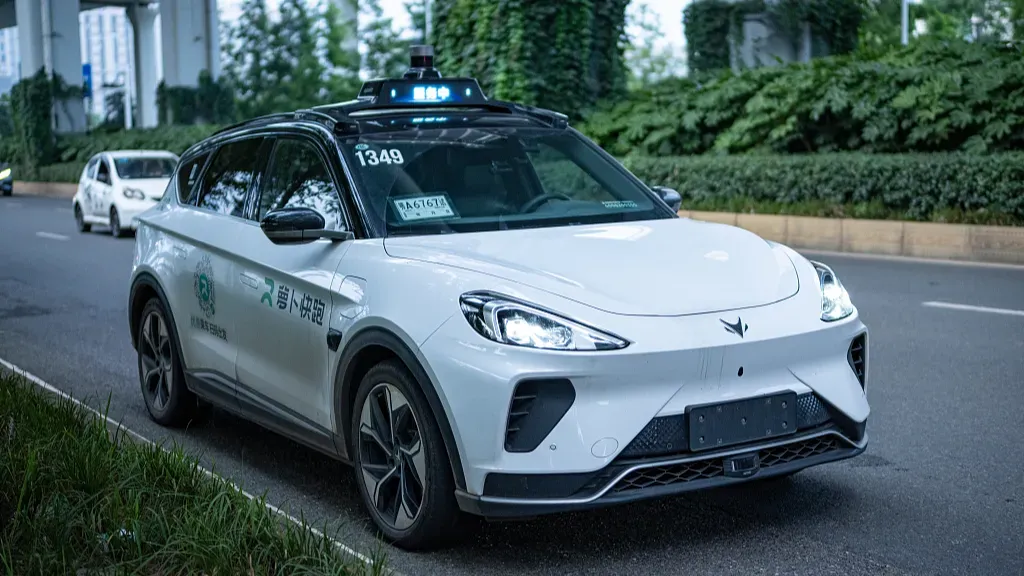
Chinese robotaxis are poised to transform transportation in London, with major developments unfolding as ride-hailing giants Lyft and Uber join forces with Baidu, the renowned Beijing-based company known for its advanced self-driving technology. This partnership aims to deploy Baidu’s Apollo Go autonomous vehicles in the UK capital, marking a significant milestone in the adoption of autonomous vehicles. Set to begin testing in 2026, these self-driving taxis could revolutionize urban mobility, providing a seamless and efficient alternative to conventional ridesharing. As the robotaxi landscape expands, concerns around data privacy and national security are emerging, with UK experts wary of the implications of relying on Chinese technology for public transportation. With Baidu’s extensive experience in the autonomous vehicle sector, their potential role in London raises important questions about the future of self-driving taxis in a global context.
The emergence of Chinese autonomous ride-hailing services is set to reshape urban transit, especially in bustling cities like London. As international players such as Lyft and Uber engage in strategic partnerships with companies like Baidu, the leader in self-driving technology, the landscape for self-driving vehicles is rapidly evolving. These innovations promise to enhance the efficiency of urban mobility through the deployment of advanced robotaxis, offering a glimpse into the future of transportation. However, this progress also brings forth concerns about security and data integrity, especially with rising geopolitical tensions. Entering a new era of mobility, these developments underscore the increasing intersection between technology and daily transit solutions, which inevitably influences how people navigate urban environments.
The Rise of Chinese Robotaxis in London
In a significant development for urban transportation, Chinese robotaxis are set to make their debut on the streets of London next year. This initiative is part of a larger trend of deploying autonomous vehicles worldwide, as ride-hailing giants like Lyft and Uber align with Baidu’s advanced self-driving technology. These partnerships mark a pivotal moment in the evolution of self-driving taxis, as the city prepares to embrace the future of mobility and innovation.
The integration of Baidu’s Apollo Go technology into London’s transport ecosystem promises to redefine the way residents navigate the bustling capital. With Lyft now also entering the fray alongside Uber and Waymo, the competition among autonomous vehicle providers is heating up. As these companies work to stabilize their operations and ensure passenger safety, prospective users can look forward to the convenience and efficiency that robotaxis are expected to deliver.
Lyft and Uber: Revolutionizing Ride-Hailing with Self-Driving Technology
Lyft and Uber’s foray into the realm of self-driving taxis brings a revolution to the ride-hailing industry. Both companies have recognized the potential of autonomous vehicles to reshape urban transportation and reduce commute times. By collaborating with Baidu, they aim to leverage the latter’s expertise in robotaxi technology, especially as Baidu’s Apollo Go has already established a robust presence in Asia, conducting hundreds of thousands of rides weekly.
This partnership not only highlights the competitive strategies of Lyft and Uber but also positions them at the forefront of autonomous vehicle innovation in London. As they plan to commence testing of these self-driving taxis, the implications for public transportation and traffic dynamics could be profound. The potential reduction in traffic congestion and the creation of a seamless travel experience are just some of the benefits that Londoners could soon enjoy.
Frequently Asked Questions
What are Chinese robotaxis and how will they operate in London?
Chinese robotaxis, particularly Baidu’s Apollo Go, are self-driving taxis that will soon be operational in London. These autonomous vehicles utilize advanced technology to provide rides without human drivers, aiming to enhance urban mobility and reduce traffic congestion.
How do Baidu Apollo Go robotaxis compare to other self-driving taxis like Uber and Lyft?
Baidu’s Apollo Go robotaxis are a key player in Asia’s autonomous vehicle market, already operating in 22 cities. Compared to Uber and Lyft, which are now partnering with Baidu for their UK deployments, Apollo Go boasts a robust system with a high volume of fully driverless rides, indicating a competitive edge in self-driving technology.
What are the implications of Baidu’s partnership with Lyft and Uber for self-driving taxis in London?
The partnership between Baidu, Lyft, and Uber signifies a significant shift towards integrating Chinese robotaxis into the UK market. This collaboration may enhance the efficiency and availability of self-driving taxis but also raises concerns regarding national security, as highlighted by experts.
What concerns exist regarding the use of Chinese technology in autonomous vehicles like robotaxis?
Concerns about Chinese robotaxis include the potential for espionage and data collection, as experts warn that reliance on Baidu’s technology could pose risks, including the ability for the technology to be manipulated in times of geopolitical tension.
How many fully driverless rides do Baidu Apollo Go robotaxis provide weekly?
Baidu’s Apollo Go robotaxis currently provide approximately 250,000 fully driverless rides each week, showcasing their extensive operational capabilities in the autonomous vehicle industry.
What is the role of Lyft in the deployment of self-driving taxis in London?
Lyft is set to test Baidu’s self-driving taxis in London starting in 2026, marking its expansion into the European market and establishing a competitive presence alongside other ride-hailing giants like Uber.
What features do Baidu’s RT6 electric vehicles offer for ridesharing?
Baidu’s RT6 electric vehicles are specifically designed for ridesharing, focusing on providing a reliable and high-comfort ride for passengers, which is crucial for the success of self-driving taxis in urban environments.
What is the potential future of autonomous vehicles in London according to industry experts?
Industry experts suggest that London may see a ‘hybrid network’ of transportation options, combining self-driving taxis with traditional human-driven services, potentially transforming the city’s transportation landscape.
How does the introduction of robotaxis impact urban mobility in London?
The introduction of Chinese robotaxis like Baidu’s Apollo Go is expected to improve urban mobility by providing efficient, on-demand transportation options, reducing wait times, and potentially lowering traffic congestion in busy areas.
What innovative technologies are used by Baidu to operate their robotaxis?
Baidu employs advanced technologies such as artificial intelligence and real-time navigation systems in their robotaxi fleet, enabling smooth operation and safety in urban environments.
| Key Point | Details |
|---|---|
| Introduction of Chinese Robotaxis | The deployment of Chinese robotaxis, featuring Baidu’s technology, is set for 2026 in London, led by Lyft and Uber. |
| Partnerships | Uber and Lyft have partnered with Baidu to introduce self-driving cars in the UK, with Lyft announcing its plans last. |
| Safety Concerns | Experts warn that the reliance on Chinese technology in autonomous vehicles may pose national security risks, including potential espionage. |
| Market Leadership | Baidu’s Apollo Go is the leading platform for robotaxis in Asia, operating in 22 cities with a significant number of fully driverless rides. |
| Future Vision | Lyft envisions a hybrid network combining autonomous taxis and human drivers for the UK market. |
Summary
Chinese robotaxis are poised to revolutionize transportation in London as Lyft and Uber partner with Baidu to introduce self-driving vehicles to the city in 2026. This development marks a significant step into the realm of autonomous transport for the UK, raising important discussions surrounding safety and national security, as experts urge caution regarding dependence on Chinese technological innovations.