
Listen to this article
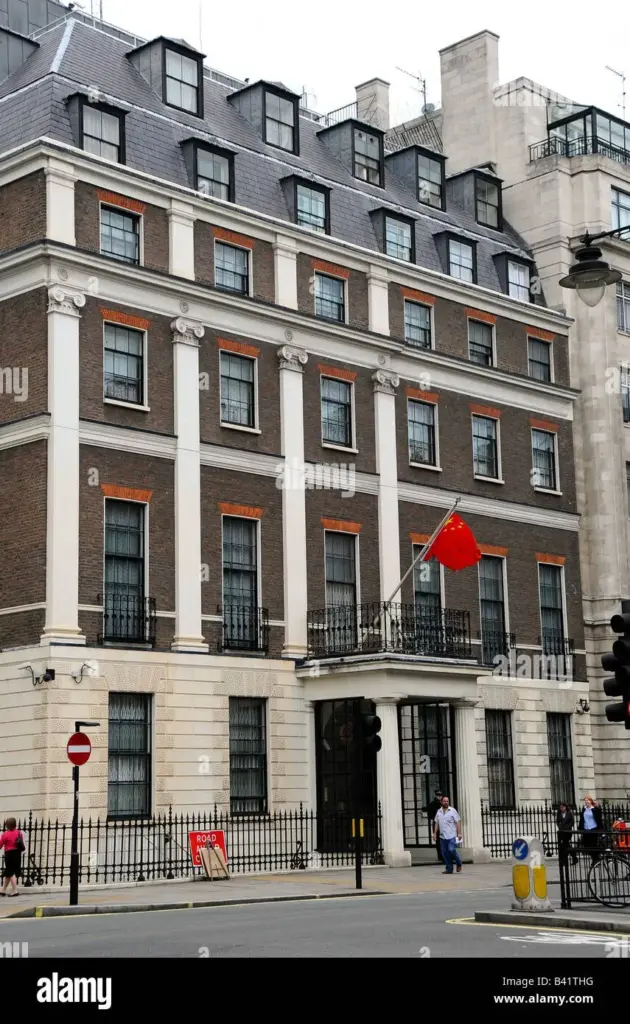
The upcoming approval for the Chinese embassy London complex has sparked significant debate among both politicians and the public. Positioned in east London, this vast new super-embassy is set to cover an impressive 20,000 square meters, which has raised various security concerns among Labour MPs in light of ongoing tensions in UK China relations. Critics worry that the embassy could further endanger Hong Kong exiles London currently harbors as well as the Uyghur population UK officials have been monitoring. The planning for this diplomatic site is especially contentious as it occurs alongside Keir Starmer’s expected visit to China, with many questioning the implications of the embassy on national security. Despite assurances from officials, there remains an undeniable sense of unease regarding the potential security risks linked to the London embassy’s location and its underground infrastructure.
The forthcoming establishment of the Chinese consulate in London has become a focal point for discussions around diplomacy and security. This mega-embassy will represent a significant milestone in UK-China diplomatic relations, yet it simultaneously raises questions about its effect on vulnerable communities, particularly the diaspora from Hong Kong and the Uyghur population. Many lawmakers are voicing apprehensions about how this new consulate might interact with existing security frameworks and affect local residents. With the massive complex’s proposed underground design and direct access to key communication networks, concerns about security threats loom large. The complicated interplay between fostering international relations and maintaining local security safeguards creates a pressing need for thorough evaluations and debates regarding the impact of such foreign diplomatic missions in the UK.
Chinese Embassy London: Security Risks and Concerns
As the new Chinese embassy complex in east London moves closer to approval, many lawmakers are voicing their concerns about potential security risks associated with the building. The embassy’s strategic location near vital communication connections raises alarms about access that may facilitate foreign interference with critical infrastructure. Reports suggest that MI5, despite having no formal objections at the moment, could face increased challenges in monitoring activities that may originate from the complex. The perspective of security risks goes beyond mere architecture; it extends into the realm of national defense and safeguarding the UK from potential espionage threats.
Moreover, the scale of the planned embassy—spanning over 20,000 square meters—poses unique challenges that may aggravate existing tensions between the UK and China. The pressing question remains whether the potential economic and geopolitical benefits of improved UK-China relations outweigh these significant security concerns. This is especially poignant considering the backdrop of ongoing discussions regarding the treatment of the Uyghur population in China and the political situation in Hong Kong. Many in Parliament are urging a reconsideration of what they view as complacency regarding a potential ‘launch pad’ for economic warfare against the UK.
Impact on Hong Kong Exiles Living in London
The establishment of the new Chinese embassy near Tower Bridge has sparked considerable debate regarding the impact on Hong Kong exiles residing in London. Many of these individuals fled their home city to escape political persecution and harassment by Chinese authorities. The fears that accompany the embassy’s presence deepen their sense of insecurity, with multiple MPs drawing attention to potential repercussions for Hong Kong nationals. Critics assert that past instances point to Beijing’s pursuit of its critics abroad, which raises profound questions about the safety of exiles who have settled in the UK.
With the potential for the Chinese embassy to escalate its operations in monitoring and influencing the Hong Kong diaspora, exiled residents are understandably apprehensive. The role of the new embassy could potentially shift from diplomatic engagement to a more invasive approach aimed at silencing dissenting voices. MPs argue that safeguarding the rights of these exiles is paramount, and any approval for the embassy’s expansion must squarely address these considerations to avoid further endangering vulnerable populations.
Concerns for the Uyghur Population in the UK
The impacts of the prospective Chinese embassy on the Uyghur population in the UK have also garnered significant attention. As reports continue to substantiate claims of human rights abuses and severe repression against the Uyghur community in Xinjiang, the presence of a Chinese diplomatic mission in London creates an additional layer of anxiety and fear. Many within the Uyghur diaspora are rightfully concerned about surveillance and potential reprisals from the Chinese government, as such embassies are often used to extend the reach of state power beyond national borders.
The sensitivity surrounding the Uyghur issue makes the building of a new embassy particularly contentious, as we see a growing demand for UK authorities to draw a clear line regarding their stance on human rights. MPs representing constituencies with substantial Muslim populations have urged a reconsideration of plans that could inadvertently harm the very community the embassy aims to engage with. Calls for increased protection measures and transparency in the embassy’s operational intentions are critical to ensure the safety of all residents, especially those from Xinjiang.
UK-China Relations: Balancing Interests Amid Security Concerns
The impending approval of the Chinese embassy is situated within the larger context of UK-China relations, which have grown increasingly complex. With key stakeholders concerned about the implications of growing diplomatic ties, a balance must be struck between maintaining open communication and addressing security concerns that have been flagged by multiple agencies. As Labour MPs have emphasized, the nature of the relationship with China carries inherent risks, particularly regarding issues of violence and suppression of freedom across various regions, including Hong Kong and Xinjiang.
There is apprehension that increased engagement with China could inadvertently legitimize actions taken by the Chinese government against its critics or minority groups. As negotiations unfold leading up to key visits, including Keir Starmer’s planned trip to China, UK officials are under scrutiny to ensure that dialogues with the Chinese government do not come at the expense of human rights or national security. Making proactive decisions about the embassy’s location and operations in light of these concerns may serve to recalibrate how the UK approaches its future interactions with China.
Labour MP Reactions: The Voice of Concern in Parliament
The response from Labour MPs underscores a critical dialogue surrounding national security and the implications of a new Chinese embassy in London. During recent parliamentary sessions, lawmakers articulated their grave concerns regarding the potential repercussions of such a significant diplomatic presence. The fears of increased surveillance and threat towards those opposing the Chinese regime resonate deeply, particularly within communities represented by these MPs. Their collective voice speaks volumes about a growing unease regarding how such international relations can impact local populations, especially those from Hong Kong and the Uyghur regions.
Some MPs have gone so far as to call the embassy a ‘mega-embassy,’ highlighting the extraordinary scale that may lead to undue influence over societal narratives within the UK. The urgency of these discussions draws attention to the need for a comprehensive evaluation of the embassy’s operations in tandem with ensuring a protective environment for critics of the Chinese government residing in the UK. This presents a unique challenge for UK policymakers as they navigate the complexities of international diplomacy while prioritizing the safety of their citizens.
Examining MI5’s Role in Chinese Embassy Security Assessments
MI5’s involvement in the security assessments for the new Chinese embassy has raised eyebrows in Parliament, particularly given the heightened concerns regarding the embassy’s impact on local safety and national security. Critics have questioned how in-depth the agency’s evaluations have been, especially with prior assertions of China being viewed as a hostile state towards the UK. With complex matters like foreign interference at play, the expectation is that MI5 should remain vigilant about the implications tied to increased Chinese diplomatic presence.
Official sentiments from MI5, claiming no current security concerns, have sparked debate about whether this complacency could potentially overlook significant risks associated with the embassy’s operations in London. Insistent voices from Parliament are calling for thorough reassessments, considering the complex geopolitical landscape that provides fertile ground for espionage and hacking. A reassessment may be prudent to address the concerns of local residents regarding security risks that may arise from the new embassy’s activities, supporting the need for rigorous evaluations moving forward.
Community Voices: Local Residents Speak Out Against the Embassy
Local community members have voiced significant concerns regarding the new Chinese embassy, particularly highlighting fears over potential surveillance and intrusion into their daily lives. Residents, especially those from the Uyghur and Hong Kong communities, are deeply apprehensive about the implications of a foreign diplomatic presence that has received critiques for its approach to human rights. Community forums have become platforms for discussion, creating space for residents to express their feelings of vulnerability as they explore the implications of the proposed embassy’s operations.
The establishment of the Chinese embassy has prompted calls for assurance from the government that concerns from local populations will be taken seriously. With many residents fearing that their voices may be suppressed or ignored, the challenge for policymakers is to foster engagement that reflects their commitment to uphold safety and security in an increasingly complex geopolitical climate. These community voices serve as a crucial reminder that diplomatic decisions must not overlook the intrinsic value of safeguarding the rights and wellbeing of local populations.
Emerging Diplomatic Strategies: The Future of UK-China Relations
As the situation surrounding the new Chinese embassy develops, it becomes crucial to consider emerging diplomatic strategies that could shape future UK-China relations. Striking a thoughtful balance between engagement and addressing the concerns of citizens poses both challenges and opportunities for politicians and foreign affairs teams. The UK stands at a juncture where careful navigation is necessary to ensure the country remains aligned with its values concerning human rights while pursuing deeper ties with China.
The trajectory of diplomatic relations may hinge on how the government addresses the voices of concern regarding security risks related to the embassy’s construction. Facilitating channels for feedback from local populations impacted by the diplomatic presence can create a more robust foundation for future discussions. The evolving nature of this relationship underscores the need for ongoing assessments that align foreign policy with the principles of transparency and accountability, particularly in a world where geopolitical tensions continue to escalate.
International Reactions: Implications of a New Embassy
International scrutiny regarding the construction and operation of the new Chinese embassy has emerged as a critical component of this ongoing discourse. As countries around the globe reevaluate their diplomatic stances toward China, the UK finds itself at the center of a pivotal moment that could set precedents for how foreign governments engage with Beijing. The reactions from international partners and allies may influence the UK’s approach to this mega-embassy and its potential ramifications.
Countries have been increasingly vocal about their concerns over China’s track record on human rights, creating a ripple effect that places additional pressure on the UK to substantiate its diplomatic choices. The international community is increasingly aware of the implications this diplomatic venture may have, particularly as nations grapple with balancing economic interests against ideological ones. Ensuring that the UK’s foreign policy aligns with international norms could become a defining aspect of its relationship with China moving forward.
Frequently Asked Questions
What security concerns are associated with the Chinese embassy in London?
The new Chinese embassy in London has raised various security concerns, particularly among Labour MPs, who fear potential risks due to its extensive underground facility, including over 200 subterranean rooms close to crucial communication cables. Critics argue that this setup could enhance the Chinese Communist Party’s capabilities for economic warfare against the UK.
How might the Chinese embassy in London affect UK-China relations?
The establishment of the Chinese embassy in London is expected to play a role in shaping UK-China relations. As the complex facilitates diplomatic engagements, officials assert that there is no political influence affecting its approval, although some MPs express worries that the timing aligns controversially with Keir Starmer’s planned visit to China.
What implications does the new Chinese embassy have for Hong Kong exiles in London?
Many Labour MPs are concerned that the Chinese embassy in London poses a threat to Hong Kong exiles, stressing that Chinese diplomatic missions have historically targeted diaspora populations, putting these communities at risk. The proposed complex’s location and design have amplified fears among local residents from Hong Kong.
What is the situation regarding the Uyghur population in the UK and the new London embassy?
The Uyghur population in the UK is particularly apprehensive about the new Chinese embassy in London. MPs have highlighted that the embassy could serve as a source of intimidation for Uyghurs, especially given the allegations of human rights abuses in Xinjiang by the Chinese government, leading to concerns about their safety and well-being in the UK.
What are the reported London embassy security risks regarding the Chinese complex?
Security risks surrounding the new Chinese embassy in London primarily revolve around its extensive underground infrastructure and proximity to critical communication systems. These concerns have been raised by MPs and security experts, who warn of possible vulnerabilities that could be exploited by the Chinese state, thus jeopardizing national security.
| Key Point | Details |
|---|---|
| Chinese Embassy Approval | Formal approval for a new Chinese embassy complex in east London is expected next week, despite security concerns. |
| Location and Size | The super-embassy will be located at Royal Mint Court, covering 20,000 square meters. |
| Labour MPs’ Concerns | Many Labour MPs express concerns about security risks to Hong Kong and Uyghur exiles. |
| MI5’s Position | MI5 has reportedly raised no security concerns regarding the embassy’s construction. |
| Political Interference | Officials claim that there has been no political interference in the planning process. |
| Upcoming Government Visit | Keir Starmer’s visit to China is scheduled for the end of January, with implications linked to the embassy approval. |
| Community Impact | Concerns regarding potential threats to residents from Hong Kong, Tibet, or Xinjiang communities. |
Summary
The Chinese embassy London complex anticipated to be approved next week is stirring significant debate in Parliament. As discussions unfold, the implications for local communities, national security, and Sino-British relations become increasingly pertinent. Lawmakers, particularly from the Labour party, are vocal about their apprehensions concerning the potential repercussions for Uyghur and Hong Kong exiles in the capital. The anticipation surrounding the embassy’s opening juxtaposes with worries about the safety of local residents and international relations at a sensitive time.