
Listen to this article
Children’s theatre adaptations have become a vibrant staple in today’s entertainment landscape, brilliantly transforming beloved stories into captivating on-stage experiences. From the whimsical adventures of Paddington Bear to the heartwarming tale of The Gruffalo’s Child, adaptations like the upcoming Dog Man musical are drawing in audiences of all ages. This adaptation of Dav Pilkey’s hit graphic novels is set to debut at the Southbank Centre, highlighting the growing trend of staging classic children’s tales. Not only do such productions contribute significantly to the UK theatre box office, but they also revive cherished stories in a fresh and engaging format. With recent reports indicating that adaptations comprised over 40% of performances in 2023, it’s clear that this genre is thriving, appealing to both young audiences and family-oriented theatre-goers alike.
The realm of theatre for children is increasingly vibrant, filled with innovative transformations of iconic tales into dynamic stage productions. Recent interpretations of timeless children’s stories, such as the much-anticipated Dog Man musical and other stage adaptations, showcase the creativity involved in bringing these narratives to life. Written by Dav Pilkey, these adaptations are not only financially lucrative, contributing to over half of the UK theatre box office, but they also evoke nostalgia and excitement among audiences. The practice of adapting cherished characters into new medium allows writers to refresh classic narratives while preserving their essence. With adaptations now accounting for a growing percentage of theatrical performances, the world of children’s theatre continues to flourish, enchanting new generations with familiar yet reinvented stories.
The Rise of Children’s Theatre Adaptations
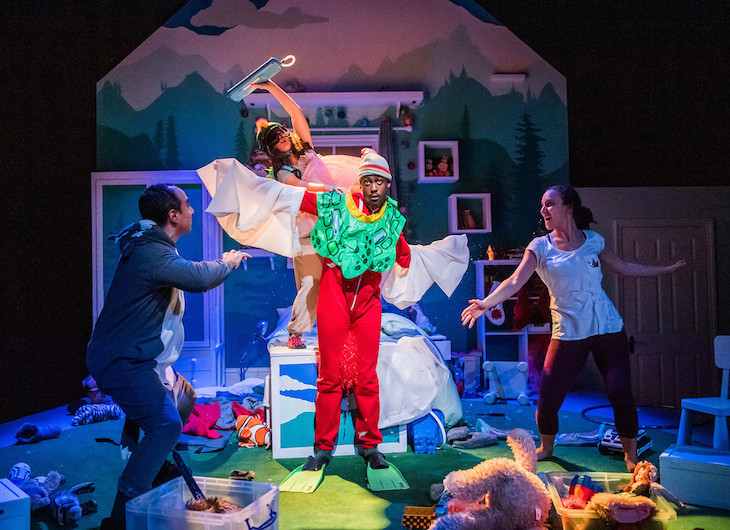
In recent years, children’s theatre adaptations have gained significant traction, drawing in families and young audiences alike. With beloved characters like Paddington and the Gruffalo receiving stage transformations, theatrical productions are redefining the childhood literary experience. These adaptations serve as a bridge for children to see their favorite stories come to life, enhancing their imaginations and engaging them in the performing arts. This resurgence is not only a testament to the timelessness of these children’s classics but also highlights the importance of storytelling through varied mediums.
The popularity of adaptations such as the Dog Man musical, set to debut at London’s Southbank Centre, exemplifies how classic tales are reinterpreted for stage audiences. With the capability to draw revenue, adaptations now account for a significant portion of the UK theatre box office. Theatre companies, large and small, are recognizing the profitability of staging well-known narratives, and as statistics suggest, this trend is only expected to grow. The challenge remains for these artists to respect the source material while crafting a vibrant new experience for audiences.
How Writers Approach Adaptation
The process of adapting children’s literature into theatre involves much more than just rewriting text for the stage; it’s about capturing the essence of the original work. Writers like Kevin Del Aguila, who adapted Dog Man, often draw from personal experiences and insights, which allows them to resonate more deeply with young audiences. Del Aguila noted the importance of tone—keeping the spirit of the books intact so that audiences feel a sense of familiarity, despite the changes in format. This acknowledgement of reader expectations is crucial for adaptation success, ensuring that audiences connect with the characters they know and love.
Meanwhile, other writers such as Tom Morton-Smith emphasize immersion in the source material to authentically portray beloved stories. For Morton-Smith’s adaptation of My Neighbour Totoro, continuous viewings of the original film informed his script while still allowing creative liberty. Striking a balance between honoring the familiar narrative and providing a fresh perspective is essential for adaptation, as it invites both children and adults into a communal experience that honors their fond memories of the story. Thus, the craft of adaptation is a nuanced journey that requires a delicate touch.
The Impact of Adaptations on Modern Theatre
Adaptations have profoundly influenced the trajectory of modern theatre, especially within the children’s genre. Reports indicate that adaptations now comprise over half of the UK’s theatre box office revenues. This reflects not only an appetite for familiar stories post-Covid but also the efficacy of adaptations in reaching wider audiences. The resurgence of titles like The Gruffalo or the upcoming Dog Man musical underlines a strategic pivot among theatre producers, illustrating how known narratives can captivate audiences and drive ticket sales.
As audiences crave more interactive and engaging theatre experiences, adaptations of children’s classics provide a viable solution. By tapping into an existing fanbase, productions are able to create buzz and attract spectators who may otherwise remain distant from the theatre scene. The adaptation phenomenon emphasizes the dynamism of contemporary theatre, challenging writers and producers to innovate within established frameworks while remaining true to the core themes that make these stories enduring.
Innovations in Children’s Theatre
Children’s theatre adaptations are not merely regurgitations of stories but are often fertile grounds for innovation. The creative process invites playwrights and composers to explore different interpretations and formats, transforming beloved tales into dynamic live performances. For example, in the Dog Man musical, the creative team faced the unique challenge of adapting a protagonist who doesn’t speak; thus pushing the boundaries of storytelling to include physical comedy and expressive visuals that resonate with young audiences.
Moreover, smaller theatre companies frequently employ innovative strategies to reimagine these classics. This can include experimenting with staging techniques, integrating technology, or modifying narratives to better appeal to modern sensibilities. By weaving in current societal themes without losing the original narrative’s charm, these adaptations can evolve to meet the interests and challenges faced by today’s youth, ensuring that the timeless tales resonate deeply in a contemporary context.
Challenges Faced by Adaptation Writers
While adapting children’s books into theatre can be a rewarding endeavor, it is fraught with challenges. Writers face significant obstacles, such as gaining the necessary rights to adapt a beloved story, especially for popular works like those by Dav Pilkey. The legal intricacies surrounding copyrights can present significant hurdles, especially for smaller companies with limited resources. For Jonathan and Lucy Kaufman, who adapted The Tales of Beatrix Potter, navigating the complexities of copyright law was a primary concern before diving into their creative process.
Additionally, writers must grapple with the expectations of both audiences and series creators. Fans come with a preconceived notion of how characters should look and behave, which can make innovative takes on these classics contentious. The Christmas season often introduces productions solely focused on original plays due to this fear of alienating loyal audiences. Nonetheless, successful adaptations like Dog Man have shown that, with creativity and hard work, it is possible to not only meet but exceed audience expectations, creating a vibrant return to the roots of storytelling.
The Audience’s Connection to Theatre Adaptations
Children’s theatre adaptations provide a unique opportunity for young audiences to engage with stories in a new format. They allow children to witness their favorite literary characters come to life, fostering a stronger connection to literature and theatre alike. This engagement is critical as it encourages a love for both reading and the performing arts. Furthermore, live theatre offers an interactive experience; young viewers are often invited to participate or respond, creating lasting memories associated with the narratives they cherish.
Moreover, witnessing theatre adaptations can ignite a sense of wonder and enthusiasm about storytelling, encouraging discussions around the material long after the curtains close. Adaptations like the Dog Man musical are designed not just to entertain but to inspire creativity in children, prompting them to explore their imaginations and possibly venture into writing or performing themselves. This immersive experience enables a personal investment in the story, as the families discuss the themes, characters, and lessons learned from the performance, solidifying the role of theatre as a powerful tool for education.
The Financial Benefits of Children’s Adaptations
Financially, adaptations of children’s classics have proven to be a strategic choice for theatre companies aiming to bolster ticket sales. With families often attending performances together, productions centered around familiar stories attract large audiences, significantly impacting box office revenue. The rise of adaptations in the UK has led to a noticeable increase, reported at 40.8% of all performances in recent years, reflecting a growing trend among companies to leverage well-known narratives for profitability, especially in a post-pandemic market.
However, while adaptations can bring financial success, the challenge remains to offer innovative productions that stand out in a saturated market. As noted by Jonathan Kaufman, adapting a well-known story requires a critical approach to modern relevance without losing the essence of the original material. Ultimately, while financial incentives drive the popularity of adaptations, ensuring quality and engagement will be key for long-term success in enhancing both theatre’s artistic landscape and its bottom line.
Engaging New Generations Through Adaptation
Engaging new generations in the theatre requires a multi-faceted approach, particularly through adaptations that introduce classic tales to contemporary youth. By reimagining beloved characters and narratives to resonate with today’s audiences, theatre producers can capture the imaginations of children who may have been previously hesitant to attend performances. This bridging of the gap between literature and theatre not only serves to entertain but also educates young minds about the power of storytelling.
As children’s theatre adaptations like Dog Man prepare for their theatrical debuts, it becomes crucial to assess how these adaptations will be received by modern audiences. The goal is to invoke the original charm of these classics while facilitating new discussions around creativity, emotion, and moral lessons embedded within the narratives. By fostering engagement through exciting, high-quality productions, these adaptations reinforce the importance of theatre within the cultural fabric, ensuring that storytelling remains a celebrated pastime for generations to come.
The Role of Music in Children’s Theatre Adaptations
Music plays a vital role in children’s theatre adaptations, transforming narratives into captivating experiences that resonate with young audiences. In productions like the upcoming Dog Man musical, original scores and songs are essential in bringing the story’s energy, tone, and emotion to life. By weaving catchy melodies and engaging lyrics throughout the performance, productions can create an atmosphere that captivates children, inviting them to engage with the story on a deeper level.
Moreover, music serves as a powerful tool in character development and emotional storytelling. For many young viewers, songs can elucidate complex emotions and themes, making them more relatable. As audience members witness the characters’ experiences unfold through song, they not only retain the story more effectively but also develop a bond with the characters themselves. Thus, the integration of music in children’s theatre adaptations enriches the overall experience, ensuring that stories not only entertain but also educate and inspire.
Frequently Asked Questions
What are some popular children’s theatre adaptations currently being performed?
Children’s theatre adaptations have gained immense popularity, with productions like ‘Paddington’, ‘The BFG’, and ‘The Gruffalo’s Child’ capturing the attention of young audiences. Major adaptations include ‘My Neighbour Totoro’ and ‘The Tiger Who Came to Tea’, which offer stage versions of beloved children’s classics, showcasing the magic of theatre in reimagining familiar stories.
How is Dav Pilkey’s ‘Dog Man’ musical different from other children’s theatre adaptations?
Dav Pilkey’s ‘Dog Man’ musical is unique in that it maintains the spirit of Pilkey’s beloved graphic novels while introducing creative challenges, such as the character’s inability to speak. This adaptation, crafted by Kevin Del Aguila, captures the tone and joyful anarchy beloved by readers, making it distinct from other children’s theatre adaptations.
What challenges do writers face when adapting children’s classics for the stage?
Writers face numerous challenges when creating stage adaptations of children’s classics, including keeping the tone true to the original story while also bringing a fresh perspective. Balancing character portrayal, maintaining audience engagement, and navigating copyright issues are critical hurdles that writers must overcome to ensure a successful adaptation.
Why are adaptations like ‘Dog Man’ significant for the UK theatre box office?
Adaptations like ‘Dog Man’ are significant for the UK theatre box office because they attract larger audiences by leveraging the familiarity of beloved children’s stories. In 2023, adaptations represented over 40% of all performances in UK theaters, highlighting their crucial role in reviving audience interest post-COVID while ensuring financial success for theatres.
What techniques do theatre writers use to capture the essence of children’s stories in adaptations?
Theatre writers often immerse themselves in the original material, watching films repeatedly or revisiting texts to truly understand the story’s atmosphere. They focus on key character dynamics and emotional resonances, occasionally deviating from the text to honor the spirit of the story, ensuring they evoke the same feelings for audiences as the original works.
| Adaptation | Source Material | Key Points |
|---|---|---|
| Dog Man | Dav Pilkey’s graphic novels | Musical adaptation set for debut; key focus on character tone. |
| My Neighbour Totoro | Studio Ghibli film | Important to capture character dynamics through the family perspective. |
| The Gruffalo’s Child | Children’s book by Julia Donaldson | Adapting for stage while maintaining original charm. |
| The Tiger Who Came to Tea | Children’s book by Judith Kerr | Focus on the whimsical and magical elements of the story. |
| Beatrix Potter Tales | Stories by Beatrix Potter | Resourcing rights and turning classic tales into engaging performances. |
Summary
Children’s theatre adaptations offer a wonderful way to bring beloved stories to life, allowing young audiences to experience their favorite characters in an exciting new format. From the fantastical adventures of Dog Man to the heartwarming stories like My Neighbour Totoro, these adaptations capture the essence of the original texts while making them accessible for stage. The emphasis on character dynamics and maintaining the tone of the source material helps creators connect with children, ensuring that these timeless tales continue to inspire and entertain. As the popularity of these adaptations grows, they play an important role in the cultural landscape, inviting families to explore the magic of storytelling together.