Listen to this article
Chia seeds and bone broth have emerged as trending superfoods, touted for their impressive health benefits, particularly in relation to gut health. These nutrient-rich ingredients are believed to support the gut microbiome—the complex ecosystem of bacteria vital for our well-being. Chia seeds, known for their high fiber content, offer potential benefits for digestion, while bone broth nutrition is praised for its comforting properties and nutrient density. As more individuals seek to improve their gut health and explore natural remedies for healing gut issues, these foods have gained popularity in discussions about dietary changes. However, it’s essential to delve into the science behind these claims and understand their actual impact on gut microbiome balance and overall health.
When discussing the wellness trend surrounding chia seeds and bone broth, it’s important to consider alternative terms that illustrate their rising popularity in health communities. Chia seeds, often heralded for their gut-enhancing properties, and bone broth, revered for its rich nutrient profile, are part of a broader dialogue about nutritional interventions and maintaining a thriving digestive system. These elements are frequently embraced by those interested in nurturing their digestive wellness, seeking to cultivate a resilient gut microbiome. As enthusiasts explore the gut-healing potential of these culinary staples, it prompts a deeper examination of their efficacy and nutritional roles. Engaging in this conversation allows us to cut through the clutter of health fads and focus on substantial, science-backed benefits.
Understanding the Role of the Gut Microbiome
The gut microbiome is a complex ecosystem composed of trillions of microorganisms, including bacteria, viruses, and fungi, that inhabit the digestive tract. These microbes are not just passive residents; they play an essential role in our overall health by aiding in digestion, synthesizing certain vitamins, and bolstering the immune system. A balanced gut microbiome contributes to efficient energy extraction from food, blood sugar regulation, and even influences mood and mental health. Disruptions to this delicate ecosystem can lead to various health issues, emphasizing the need for a diet that supports gut health.
Research shows that a diverse diet rich in plant-based foods promotes a healthy gut microbiome, allowing various beneficial bacteria to thrive. Foods high in fiber, such as fruits, vegetables, and whole grains, nourish these beneficial microbes and help maintain their balance. Moreover, the interaction between our diet and gut microbiome is intricate; thus, incremental dietary changes can yield significant benefits. Understanding how foods affect gut dynamics is crucial for anyone looking to enhance their gut health naturally.
Chia Seeds: Tiny Powerhouses for Gut Health
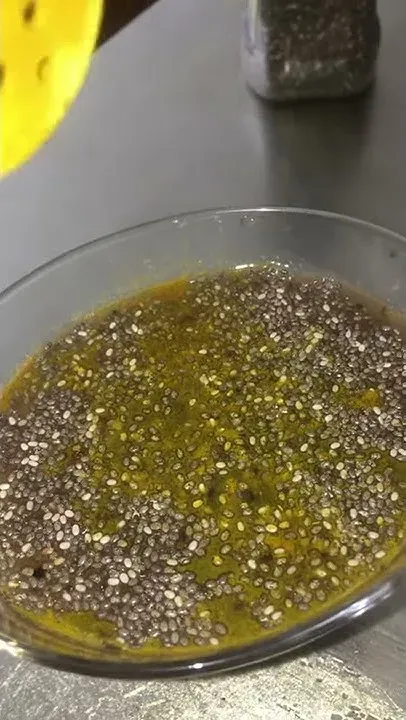
Chia seeds, tiny black seeds from the Salvia hispanica plant, are gaining popularity as a superfood, particularly due to their high fiber content. This fiber feeds beneficial bacteria in the gut, potentially improving gut health and promoting regular bowel movements. When soaked in water, chia seeds expand and form a gel-like substance, making them easy to add to smoothies, cereals, or even baked goods. Regular consumption of chia seeds may aid in maintaining a healthy balance of gut bacteria, thereby helping in the healing of the gut microbiome over time.
However, it’s crucial to note that while chia seeds can be beneficial, they should be consumed as part of a varied diet rather than as a standalone solution for gut issues. No single food can heal the gut, as a diverse array of fiber sources is needed to nourish the multitude of different bacteria that reside in our intestines. Thus, while incorporating chia seeds into your diet, consider pairing them with other fiber-rich foods and maintaining a balanced intake of nutrients for optimal gut health.
The Nutritional Benefits of Bone Broth
Bone broth has become popular in health circles, touted for its supposed ability to improve gut health and nourish the body. Rich in collagen, gelatin, and essential minerals, bone broth offers numerous nutritional benefits. Studies suggest that it may support joint health and potentially ease gut inflammation. However, experts caution that while it is comforting and nutrient-dense, there is limited scientific evidence backing the claim that bone broth directly benefits the gut microbiome, as most nutrients are absorbed in the small intestine, away from where gut microbes flourish.
Additionally, issues arise if bone broth is not prepared properly. Excess saturated fat can offset its health benefits, potentially impacting cholesterol levels. Those with specific dietary restrictions or health concerns should approach bone broth with caution. Instead of solely relying on bone broth for gut healing, a balanced approach that includes a variety of whole foods, especially fiber-rich and probiotic-rich options, can provide a more holistic benefit to the gut microbiome.
Are Viral Foods the Key to Gut Healing?
The rise of social media has propelled numerous foods, like chia seeds and bone broth, into the spotlight as solutions for gut health. While there is some truth to their benefits, microbiologists stress that these foods often oversell their so-called miraculous properties. For example, while chia seeds can promote regular digestion, they are not a cure-all for gut-related ailments. Similarly, bone broth, despite its comforting nature, does not directly supply the necessary nutrients to enhance the gut microbiome significantly.
Instead of falling for the hype surrounding these viral foods, adopting a well-rounded dietary strategy is vital. This could include an increased intake of fiber from diverse plant sources, probiotic-rich foods, and a reduction in ultra-processed items. Such changes not only support gut health but also improve overall well-being, making it imperative for individuals to focus on a comprehensive approach rather than fixating on individual ‘superfood’ solutions.
Understanding that gut health encompasses more than just a handful of popular foods can empower individuals to make informed dietary choices. In a world rife with trends, the real key to nurturing a healthy gut lies in embracing variety and balance in our eating habits.
The Importance of Dietary Diversity for Gut Health
A diverse diet is crucial for maintaining a healthy gut microbiome, as different strains of bacteria thrive on various types of fiber found in fruits, vegetables, grains, and legumes. Research shows that a lack of dietary diversity can lead to an imbalance in the gut microbiome, which is linked to a host of health issues, including inflammation, obesity, and metabolic syndrome. Incorporating a wide range of foods ensures that multiple beneficial microbes have the nutrients they require to flourish, ultimately leading to better digestive and overall health.
For optimal gut health, it’s beneficial to consume a variety of foods that provide different types of dietary fiber, which can be found in foods like whole grains, nuts, seeds, fruits, and vegetables. This fiber acts as a prebiotic, creating a healthy environment in the gut that supports the growth of good bacteria. Therefore, focusing on a colorful plate filled with whole, unprocessed foods will not only improve gut health but also enhance the body’s ability to absorb essential nutrients and promote overall wellness.
Identifying Signs of Gut Issues
Understanding your body’s signals is critical when it comes to recognizing gut health issues. Common symptoms, such as persistent constipation, diarrhea, bloating, or abdominal pain, can indicate an imbalance in the gut microbiome. While many people turn to popular dietary trends for solutions, it’s essential to seek medical advice when experiencing these issues. Rather than relying on single foods touted as gut healers, individuals should investigate the underlying causes of their discomfort with a healthcare professional.
Ignoring gut-related symptoms can lead to more severe health problems down the line. Instead of focusing on drastic elimination diets or extreme measures, it may be more beneficial to adopt simple strategies such as increasing fiber intake from various sources, moderating processed foods, and integrating properly fermented products. This holistic approach promotes sustained gut health while addressing any potential underlying issues.
When to Seek Professional Help for Gut Health
While many individuals with gut health concerns may turn to popular remedies like chia seeds and bone broth, it is crucial to know when to consult a healthcare professional. If symptoms persist despite dietary adjustments or increase in severity, it is time to seek expert advice. Professionals can provide personalized guidance based on an individual’s unique circumstances and health history, which is imperative rather than relying solely on trends or hearsay.
Healthcare providers can conduct appropriate tests to determine any underlying issues affecting gut health, guiding patients toward effective treatments that are tailored to their specific needs. By prioritizing professional advice, individuals empower themselves to address gut concerns comprehensively, moving beyond trends into informed, healthy choices that can lead to long-term wellness.
Effective Strategies to Improve Gut Health Naturally
To enhance gut health, individuals are encouraged to adopt several key strategies that go beyond consuming trendy foods like chia seeds and bone broth. Prioritizing a high-fiber diet is essential, as it supports the growth of beneficial bacteria within the gut microbiome. Including a variety of whole grains, legumes, nuts, seeds, fruits, and vegetables acts as natural prebiotics, nourishing the gut flora and promoting balance.
Additionally, integrating fermented foods such as yogurt, kefir, sauerkraut, and kombucha can further enrich the gut microbiome, providing beneficial probiotics that enhance digestive health. These simple lifestyle changes can help support the body’s natural healing processes, ultimately contributing to improved gut health without relying solely on specific products or fads.
Conclusion: The Path to a Healthier Gut
In conclusion, while chia seeds and bone broth may contribute to overall wellness, they are not magic solutions for gut health. A balanced and diverse diet, rich in fibrous and fermented foods, alongside awareness of one’s body signals, plays a significant role in nurturing the gut microbiome. Individuals should aim to incorporate a variety of whole foods into their daily diet and avoid falling prey to the latest health fads that promise miraculous results.
Ultimately, the journey to better gut health is about educating oneself on effective dietary practices, recognizing the value of variety, and staying in tune with one’s body. Seeking professional guidance when needed can also help steer individuals toward achieving optimal gut function and overall health.
Frequently Asked Questions
Can chia seeds and bone broth really help improve gut health?
Chia seeds are rich in fiber, which supports beneficial gut bacteria, while bone broth provides nutrients that can be soothing to the gut lining. However, evidence linking them directly to significant improvements in gut health is limited. Incorporating both into a balanced diet may contribute to overall gut health.
What are the benefits of chia seeds for gut microbiome health?
Chia seeds provide a good source of dietary fiber that can promote bowel regularity and feed beneficial microbes in the gut. This can potentially support a healthy gut microbiome, but it’s essential to consume a variety of fiber sources for optimal gut health.
Is bone broth effective for healing the gut?
Bone broth is often touted for its gut-healing properties due to its nutrient-dense profile, but scientific evidence supporting its effectiveness specifically for healing the gut microbiome is lacking. It may be comforting and nutritious but should not be seen as a miracle cure for gut issues.
How do chia seeds and bone broth fit into a diet focused on gut health?
In a gut health-focused diet, chia seeds can offer fiber benefits, while bone broth can provide hydration and nutrition. Together, they can be part of a balanced diet that emphasizes a variety of whole foods to support gut microbiome diversity.
Are there any risks associated with consuming chia seeds and bone broth?
While chia seeds are generally safe for most people, excessive consumption may lead to digestive issues due to their high fiber content. Bone broth, if not prepared correctly, may contain high levels of saturated fats if the fat is not skimmed off. It’s essential to consume both in moderation and as part of a varied diet.
What should I know before using chia seeds and bone broth for gut health improvement?
It’s important to understand that while chia seeds and bone broth can support overall nutrition, they should not be relied on as sole solutions for gut health issues. A balanced diet with diverse nutrients, including plenty of fiber from various sources, is crucial for a healthy gut microbiome.
Can combining chia seeds with bone broth enhance gut health benefits?
Combining chia seeds with bone broth can provide a nutritious meal or snack. The fiber from chia seeds may support gut bacteria, while bone broth offers collagen and amino acids. However, while they can complement each other, they do not guarantee improved gut health on their own.
What dietary changes, alongside chia seeds and bone broth, can promote gut health?
In addition to incorporating chia seeds and bone broth, increasing plant-based foods, consuming a variety of fibers, and reducing ultra-processed foods can significantly benefit gut health. These changes can help nurture a diverse and balanced gut microbiome.
How can I use chia seeds and bone broth in my meals for better gut health?
Chia seeds can be added to smoothies, oatmeal, or salads, while bone broth can be used as a base for soups, stews, or even enjoyed on its own. Including both in different meals throughout the week can help support a healthy diet.
Is it safe to consume chia seeds and bone broth daily for gut health?
For most people, including chia seeds and bone broth in daily meals can be safe and nutritious. However, it’s crucial to listen to your body and consult a healthcare professional if you have specific gut health concerns.
| Key Point | Details |
|---|---|
| Gut Health Importance | Gut microbiome is crucial for overall well-being. |
| Role of Chia Seeds | Rich in fiber, can support beneficial gut bacteria but needs diversity in fiber sources. |
| Bone Broth | Nutrient-dense but lacks strong evidence for improving gut microbiome. |
| Sea Moss Gel | Limited scientific evidence for gut health benefits; potential risks include heavy metal exposure. |
| Kombucha | Contains beneficial acids and antioxidants; quality matters for health benefits. |
| Healthy Gut Signs | Regular bowel movements and lack of digestive distress indicate a healthy gut. |
Summary
Chia seeds and bone broth are often marketed as effective remedies for improving gut health, but the reality is more nuanced. While chia seeds can aid in digestion due to their fiber content, they are not a standalone solution for gut health. Bone broth may be comforting and nutritious, but there is insufficient evidence to claim it significantly benefits the gut microbiome. It is essential to focus on a balanced diet, rich in various fiber sources and whole foods, rather than relying solely on trendy products for gut healing.