Listen to this article
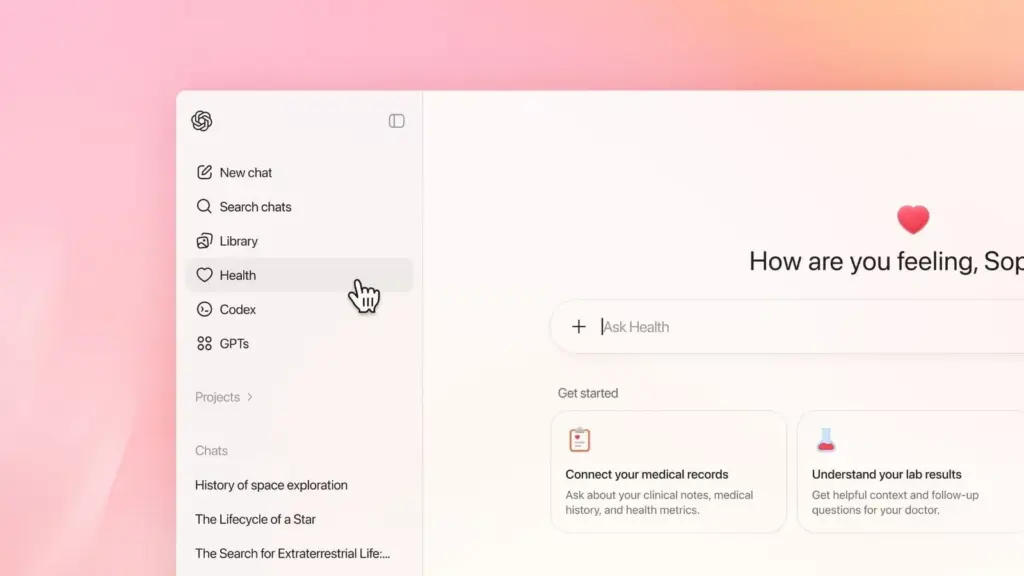
ChatGPT Health marks a significant advancement in the intersection of technology and healthcare. This innovative feature from OpenAI is designed to analyze personal medical records, aiming to provide individuals with personalized health advice that could potentially improve patient care technology. However, the initiative raises important concerns regarding health data privacy, with experts urging stringent safeguards to protect sensitive information. As OpenAI encourages users to share their health data from various applications, they are navigating a delicate balance between delivering enhanced AI in healthcare and maintaining users’ trust. With over 230 million health-related inquiries to its chatbot weekly, ChatGPT Health is poised to redefine how users interact with medical information in a secure manner.
The introduction of the health-focused service from OpenAI signifies a leap forward in digital health solutions, often referred to as AI-powered healthcare tools. This cutting-edge application analyzes individual health records to provide tailored insights, enhancing the way individuals manage their wellness and medical inquiries. As the service encourages participation through health data sharing, it also emphasizes the need for robust privacy measures to safeguard users’ personal information. While many may view this as a promising development in patient-centered care, the complexities surrounding health data protection remain a crucial conversation. Overall, the evolution of personalized health technologies heralds a new era where accessibility to health information meets the pressing need for customer data confidentiality.
The Importance of ChatGPT Health in Analyzing Medical Records
The introduction of ChatGPT Health marks a significant advancement in AI’s role in healthcare. By analyzing individuals’ medical records, this innovative feature promises to deliver more precise and tailored responses to user inquiries. Leveraging advanced algorithms, ChatGPT Health aims to provide personalized health advice, helping patients navigate their health concerns more effectively. This ability to interpret health data not only boosts the quality of information users receive but also encourages a more proactive approach to personal health management.
However, while the potential for improved patient care technology is undeniable, there are critical discussions surrounding health data privacy. Privacy advocates emphasize the vital need for robust safeguards to protect sensitive information, given the sensitive nature of health records. It is crucial that OpenAI implements advanced security measures to ensure that the personal health information shared through ChatGPT Health remains confidential, thereby fostering user trust in AI-assisted healthcare.
Privacy Concerns with ChatGPT Health: Safeguarding Sensitive Data
When deploying AI tools like ChatGPT Health, the implications for health data privacy cannot be overlooked. Andrew Crawford from the Center for Democracy and Technology articulated that the integration of health-focused AI tools represents a double-edged sword. While these tools can enhance personalized health advice and lead to improved health outcomes, they also raise substantial concerns about how personal data is collected, leveraged, and protected. Especially in the U.S., where fewer restrictions exist, the necessity for “airtight” regulations to guard against misuse of health information is paramount.
The fact that OpenAI clearly distinguishes ChatGPT Health conversations from others is a step in the right direction for privacy assurance. Nonetheless, users should remain cautious about sharing health data, especially when considering the broader implications of having their information collected and used by AI systems. Advocates warn that without stringent legislative frameworks, the risk of sensitive health data being compromised escalates, potentially undermining consumer confidence in AI technologies.
AI in Healthcare: Transforming Patient Care and Engagement
As the healthcare landscape evolves, the role of AI is becoming increasingly pronounced, with features like ChatGPT Health leading the charge. This technology offers a unique opportunity to not only analyze complex health data but also to facilitate tailored communication between patients and healthcare providers. By enhancing the way individuals interact with medical information, AI can transform patient care technology into a more engaging and responsive process, ultimately leading to better health outcomes and satisfaction.
Moreover, the ability of AI tools to assist in personalizing health experiences is revolutionary. Patients are no longer passive recipients of information but active participants in managing their health journeys. This shift not only empowers patients but also encourages deeper engagement with their healthcare. As AI continues to develop, tools like ChatGPT Health could significantly refine how medical advice is delivered, leading to a more customized approach to health management.
Navigating Health Data Privacy Regulations in the Age of AI
In light of the rapid advancements in AI-driven health technologies, understanding regulatory landscapes becomes crucial. Different countries have varying approaches to health data privacy, which poses challenges for companies like OpenAI when rolling out features like ChatGPT Health. In the U.S., the absence of comprehensive privacy laws not only permits the collection and use of health data by companies but also raises concerns about potential misuse and exploitation of sensitive information.
The nuances of compliance in regions with strict data protection laws, such as the EU, emphasize the need for companies to adopt globally recognized standards of health data privacy. As tech giants navigate these complexities, ensuring compliance while innovating remains a delicate balance. OpenAI’s commitment to keeping health data separate from other conversational data is an essential first step towards safeguarding user information while still providing personalized health insights.
The Role of Personalized Health Advice in Modern Medicine
The emergence of ChatGPT Health symbolizes a broader trend towards personalized health advice in modern medicine. By integrating user-specific health data with advanced AI algorithms, this technology can offer tailored recommendations that resonate with each individual’s unique circumstances. Such a personalized approach to healthcare not only enhances patient engagement but can also lead to better adherence to health recommendations, ultimately influencing positive health outcomes.
Furthermore, as patients increasingly seek out personalized solutions, the demand for AI-driven tools is expected to grow. These applications can bridge gaps in patient knowledge, offering timely insights and guidance. However, the effectiveness of such personalized health advice hinges on the reliability of the underlying data and the ethical management of health information. It is imperative for companies like OpenAI to maintain transparency and integrity in the processing of health-related data to sustain user trust.
ChatGPT Health: A Game-Changer for Healthcare Industry Dynamics
Max Sinclair, CEO of Azoma, aptly referred to the launch of ChatGPT Health as a “watershed moment” in the healthcare sector. With its ability to reshape patient interactions with medical information and influence healthcare purchasing behaviors, this feature represents a pivotal shift in how AI is perceived within the industry. The potential to personalize health advice while ensuring user privacy could set a precedent for future technology implementations in healthcare.
The competitive landscape among AI-driven health solutions, however, intensifies as companies like OpenAI vie for market positioning against rivals, including Google’s Gemini. The emphasis on user-centric design that encapsulates both personalized recommendations and stringent privacy controls is anticipated to shape the next generation of healthcare technology. This competition may ultimately drive innovation, enhancing what patients can expect from digital health tools across the board.
Future Implications of ChatGPT Health on Patient Data Privacy
The future implications of adopting ChatGPT Health within the healthcare ecosystem resonate deeply with the burgeoning conversation around patient data privacy. As more users opt to share their medical records and health information for tailored advice, the responsibility of companies like OpenAI to cultivate a secure data environment becomes paramount. The evolution of health-related AI tools could be stunted without rigorous privacy measures that trust and protect users’ sensitive information.
Furthermore, as healthcare increasingly integrates AI, the dialogue surrounding health data privacy will likely intensify, necessitating stronger regulatory frameworks and ethical standards. Ensuring that AI solutions respect user privacy while providing valuable insights will determine their success and acceptance in the marketplace. Therefore, as ChatGPT Health and similar technologies develop, ongoing vigilance regarding privacy protections will be essential for safeguarding users’ health data.
Building Trust in AI Through Privacy-conscious Health Features
Trust is foundational in the adoption of AI technologies, particularly in the sensitive domain of health. For features like ChatGPT Health to gain traction, users must be assured that their health data is not only confidential but also handled with the utmost care. OpenAI’s commitment to maintaining separate data streams for health conversations is a critical strategy to bolster user trust, ensuring that privacy is prioritized as part of the user experience.
In addition to technical safeguards, fostering transparency about how health data will be used is essential in building confidence among users. Clear communication regarding the limitations of the ChatGPT Health feature, particularly its stance against providing medical diagnosis, also plays a significant role in reinforcing trust. As AI continues to navigate the complicated healthcare landscape, establishing robust privacy measures will be pivotal in fostering a healthy relationship between technology and user trust.
The Future of Patient Care Technology with AI Innovations
The integration of AI innovations such as ChatGPT Health signals a transformative period for patient care technology. These advancements not only improve how health information is analyzed and presented to patients but also enhance the quality of care that health providers can offer. As AI systems become more sophisticated in interpreting health data, the potential for personalized health advice becomes increasingly viable, promoting a more proactive approach to healthcare.
As we look ahead, the collaboration between AI developers and healthcare professionals will be crucial in shaping the future landscape of patient care. Incorporating user feedback, understanding the ethics of health data usage, and adhering to rigorous privacy standards will ultimately determine how effectively AI can enhance patient care technology. With responsible development and deployment, the future of AI in healthcare promises to be both innovative and patient-centered.
Frequently Asked Questions
What is ChatGPT Health and how does it utilize health data?
ChatGPT Health is a feature launched by OpenAI that analyzes users’ medical records and health data to provide personalized health advice. It utilizes information from various applications like MyFitnessPal and Apple Health to generate more relevant responses to health queries. However, it’s important to note that this feature is not intended for diagnosis or treatment.
How does OpenAI ensure health data privacy with ChatGPT Health?
OpenAI emphasizes health data privacy in its ChatGPT Health feature by storing conversations separately from other chats. They have stated that health data will not be used to train AI tools. Additionally, they encourage practices that ensure secure handling of sensitive information, adhering to enhanced privacy standards, particularly important in the US where regulations are less stringent than in the UK or Europe.
What concerns do experts have regarding health data privacy in AI tools like ChatGPT Health?
Experts have raised concerns about potential privacy issues related to AI in healthcare, particularly with features like ChatGPT Health. Andrew Crawford from the Center for Democracy and Technology highlighted the need for ‘airtight’ safeguards to protect sensitive health information, especially as tech companies may not be fully bound by privacy regulations when collecting and sharing health data.
Can ChatGPT Health be accessed outside of the US?
Currently, ChatGPT Health is only launched in the US, with no availability yet in the UK, Switzerland, or the European Economic Area due to stringent data protection regulations. OpenAI plans to initially offer the feature to a select group of early users before expanding access.
Is ChatGPT Health a replacement for traditional medical care?
No, ChatGPT Health is designed to support, not replace, traditional medical care. It aims to empower patients by providing personalized health advice and improved responses based on shared health data, but it is not a substitute for professional medical diagnosis or treatment.
What features does ChatGPT Health include for enhancing patient care?
ChatGPT Health offers enhanced privacy measures and the ability to analyze health data to provide tailored advice. Users can share information from various health apps, allowing the chatbot to yield more relevant responses to health inquiries and potentially reshape access to health information and patient care.
How does ChatGPT Health contribute to personalized health advice?
By analyzing users’ health data and medical records alongside information from apps like MyFitnessPal, ChatGPT Health generates personalized health advice. This capability aims to improve user engagement and support health-related decision-making, ensuring that responses are tailored to individual health profiles.
What impact could ChatGPT Health have on healthcare technology?
ChatGPT Health could be a game-changer in patient care technology, influencing how users access health information and interact with products related to their health issues. This innovative tool represents a ‘watershed moment’ that may transform patient experiences and the landscape of healthcare technology.
| Key Point | Details |
|---|---|
| Launch of ChatGPT Health | Introduced in the US to analyze medical records and enhance responses. |
| Privacy Concerns | Advocates warn about potential risks to user health data. |
| User Data Sharing | Users are encouraged to share data from apps like MyFitnessPal for personalized advice. |
| Data Handling Assurance | Conversations on ChatGPT Health will be stored separately, not used for AI training. |
| Non-Diagnostic Tool | Feature is designed to support health inquiries, not for diagnosis or treatment. |
| Market Response | Over 230 million health-related questions asked weekly, indicating high demand. |
| Impact on Patient Care | Experts believe it could reshape patient engagement and health information access. |
| Future Plans | Initial rollout to a small group, with a waitlist for access; uncertain UK launch. |
| Regulatory Issues | Not available in the UK or regions with strict data protection regulations. |
| Risk of Data Misuse | Potential for companies to misuse personal health information if safeguards are inadequate. |
Summary
ChatGPT Health is a pioneering feature launched by OpenAI aimed at enhancing healthcare communication and advice. This innovative service, however, raises significant privacy concerns as it encourages users to share sensitive medical records for better personalized responses. Advocates emphasize the need for stringent safeguards to protect health data, especially as it may not be fully regulated in certain regions. Ultimately, while ChatGPT Health promises to empower individuals in managing their medical queries, the essential focus remains on ensuring the security of personal health information.