Listen to this article
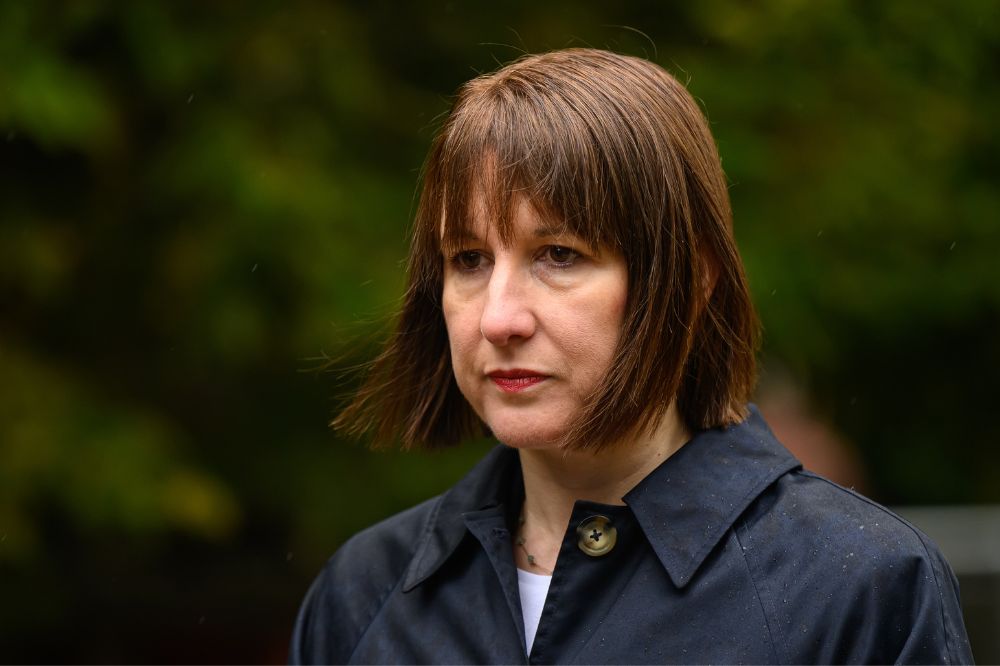
The recent investigation involving Chancellor Rachel Reeves has sparked significant interest as it touches upon the integrity of the UK’s financial leadership. Despite calls for an ethics inquiry prompted by Reform UK leader Nigel Farage, the Prime Minister’s ethics adviser has opted not to pursue any investigation into whether Reeves breached the ministerial code with her statements leading up to the UK Budget 2023. Critics argue that her public comments painted a misleadingly dire picture of the nation’s finances, possibly paving the way for substantial tax increases. This UK Budget 2023 controversy raises pressing questions about government accountability and the implications of tax increases on the British public. As the debate intensifies, many are demanding transparency and an accurate portrayal of the fiscal realities that could impact millions.
In a broader context, the ongoing situation around Chancellor Rachel Reeves reflects deeper issues within the UK’s economic governance and ethical standards. The inquiry, initially called for by Farage, encapsulates concerns related to the Chancellor’s alleged misrepresentation of financial data prior to the budget announcement. This matter highlights the vital need for ministers to adhere to truthful communication, especially when the potential ramifications include significant tax hikes. As discussions unfold regarding the government’s fiscal strategies and their legitimacy, questions surrounding the actions of policymakers are becoming increasingly relevant. The ongoing scrutiny underscores the essential nature of transparency and accountability within government operations.
Chancellor Rachel Reeves Investigation: Ethical Considerations in Budget Reporting
The decision not to launch a formal investigation into Chancellor Rachel Reeves by the Prime Minister’s ethics adviser has sparked debate regarding government accountability and transparency. With mounting pressure from figures like Nigel Farage, concerns have arisen about whether Reeves misrepresented the state of the UK’s finances leading up to the 2023 Budget. Despite these pressures, Reeves and her team have maintained that her comments were factual, asserting that she was candid about the challenges facing the economy.
Critics argue that the Chancellor’s pre-Budget remarks were strategically crafted to create a narrative justifying significant tax increases. By not accounting for the better-than-expected tax receipts reported by the Office for Budget Responsibility, they claim Reeves may have misled Parliament and the public. This brings to light serious ethical questions surrounding government communication practices, particularly how transparency—or the lack thereof—can influence public trust in financial governance.
The UK Budget 2023 Controversy: Implications for Taxation and the Economy
The UK Budget 2023 has ignited controversy, primarily due to Chancellor Reeves’ portrayal of the nation’s fiscal status. Critics assert that the Chancellor’s narrative, which indicated a dire economic outlook, was perhaps exaggerated to facilitate the introduction of substantial tax increases. This situation raises alarming implications for taxpayers, especially amidst claims that the increases may not be necessary given the reported financial data from the Office for Budget Responsibility.
The potential impact of increased taxes on everyday citizens cannot be underestimated, as concerns grow over the heaviest tax burden in recent generations. As debates intensify regarding the accuracy of Reeves’ statements about public finances, it becomes crucial for the government to ensure that its messaging aligns with fiscal realities, thereby maintaining government accountability and fostering public trust. These discussions will likely continue as the fallout from Budget 2023 unfolds.
Nigel Farage’s Statements: Political Fallout and Public Perception
Reform UK leader Nigel Farage’s vocal criticism of Chancellor Rachel Reeves has amplified the scrutiny surrounding the Budget 2023. Farage’s assertions that Reeves misled Parliament and the public spotlight the tensions within UK politics regarding fiscal policy and preparedness. His claims of a deliberate strategy to justify a significant tax increase create a critical discourse on how politicians communicate financial realities to the public, which is essential to maintaining public trust.
As concerns regarding the veracity of government statements mount, the implications for public perception are profound. If citizens feel misled about economic conditions, it could erode faith in government institutions. Consequently, this adds pressure for the Chancellor and other leading government figures to clarify their messaging and uphold transparency, especially as scrutiny over the accuracy of financial disclosures continues to unfold.
The Role of the Office for Budget Responsibility in Fiscal Accountability
The Office for Budget Responsibility (OBR) plays a crucial role in providing independent assessments of the UK’s fiscal policies. Their reports have clarified the implications of tax receipts against productivity forecasts. In light of the controversy surrounding Chancellor Reeves’ remarks, the OBR’s insights become vital for understanding the true state of public finances. Their evaluation is not only instrumental for policymakers but also for the public who rely on clear and accurate information regarding economic health.
Furthermore, as the OBR supports transparency within government communications, any discrepancies between their findings and political narratives can undermine governmental credibility. By ensuring that their assessments are shared and understood, the OBR aids in reinforcing government accountability, which is especially important in a context where miscommunication can lead to mistrust among the electorate.
Ethics in Government: Scrutinizing Ministerial Conduct
The integrity of government officials is paramount in maintaining the public’s trust. Ministerial conduct, including that of Chancellor Rachel Reeves, is subject to rigorous scrutiny, particularly during significant fiscal events like the Budget. The allegations brought forth by Farage highlight the importance of ethical communication and the potential consequences of perceived deviations from ministerial standards. Ensuring that all ministers adhere to high ethical standards is vital to preserving public confidence in governmental operations.
Moreover, as discussions of ethics in government intensify, so does the call for robust mechanisms to address potential violations. The inability to hold ministers accountable can lead to a cycle of misrepresentation and distrust. It is imperative that all debates related to budgets, tax increases, and fiscal strategies are guided by ethics that prioritize transparency and comprehensive reporting to aid in informed public discourse.
Tax Increase Implications: Analysis of Economic Strategy
The decision to raise taxes as part of the UK Budget 2023 carries significant implications for the economy. Critics argue that such measures, ostensibly justified by Chancellor Reeves’ portrayal of fiscal circumstances, can deter investment and stifle growth. As citizens grapple with increased financial burdens, the justification for these tax hikes becomes a pivotal factor in assessing their long-term viability and impact on prosperity.
Economic strategies that burden taxpayers must be carefully evaluated to mitigate adverse effects on overall market sentiment and consumer confidence. The dialogue surrounding these tax increases emphasizes the necessity for the government to provide transparent insights into fiscal policymaking, ensuring that citizens understand the reasoning behind the financial decisions that directly affect their livelihoods.
Budget Transparency: Importance of Accurate Information Dissemination
Budget transparency is essential for informing public discourse and guiding economic behavior among consumers and investors. The controversy surrounding Chancellor Reeves’ messaging leading up to the Budget has underscored the necessity for clarity and accuracy in government communications. Misrepresentation of fiscal situations can lead to panic and misguided financial decisions that reverberate through the economy.
To foster a more stable economic environment, it is crucial for government officials to present data accurately, allowing stakeholders to make informed choices. As debates persist over the Chancellor’s portrayal of the UK’s economic prospects, enhancing transparency should be prioritized to reassure the public and to reinforce confidence in the government’s handling of the economy.
Political Accountability: The Need for Investigations
Political accountability remains a cornerstone of democratic governance, particularly as controversies unfold around significant economic announcements. The decision by Sir Laurie Magnus not to investigate Chancellor Rachel Reeves brings to the forefront discussions about whether existing frameworks are adequate for holding ministers accountable for their actions. This raises questions about the future of political ethics and the mechanisms through which public officials may be scrutinized.
Furthermore, as calls for investigations into government conduct wage on, it underscores the broader necessity for robust checks and balances within the political system. Ensuring that ministers are held to account for their statements, especially those that may affect public finances, is critical in nurturing a trustful relationship between the government and the public.
Public Trust and Government Communication Strategies
The relationship between government communication and public trust is increasingly under the microscope following the 2023 Budget controversy. As ministers convey economic narratives, the potential for miscommunication looms large, impacting citizens’ perceptions of truthfulness and reliability. Chancellor Reeves’ remarks, viewed through the lens of public scrutiny, have intensified discussions about how effectively information is relayed by government officials, underscoring the need for transparent and responsible communication.
Building public trust is not simply about delivering information; it also entails fostering an environment where citizens feel confident that their government is acting in their best interests. Effective communication strategies must prioritize honesty and integrity to reinforce the bond of trust that is essential for democratic functioning.
Frequently Asked Questions
Will Chancellor Rachel Reeves face investigation regarding her ethics inquiry?
Chancellor Rachel Reeves will not be investigated by the Prime Minister’s ethics adviser despite concerns raised by Reform UK leader Nigel Farage regarding her pre-Budget comments. Farage argued that Reeves failed to provide a full and truthful picture of the nation’s finances, potentially violating the ministerial code. However, Sir Laurie Magnus, the ethics adviser, stated that it is outside his remit to investigate such matters.
What are the implications of the UK Budget 2023 controversy surrounding Chancellor Reeves?
The UK Budget 2023 controversy revolves around claims that Chancellor Rachel Reeves misrepresented the financial state of the UK to justify substantial tax increases. Critics argue that Reeves’s portrayal of the economy was excessively negative, which may have led to an unnecessary increase in the tax burden for the British public. This debate highlights issues of government accountability and transparency.
How did Nigel Farage’s statement about Chancellor Reeves impact the investigation’s outcome?
Nigel Farage’s statement prompted Sir Laurie Magnus to consider an inquiry into Chancellor Rachel Reeves’s actions. Farage accused her of conducting a misleading public campaign regarding the financial situation. However, Magnus ultimately decided not to launch an investigation, indicating limitations in his purview concerning the collective actions of government departments.
What were the tax increase implications of the allegations against Chancellor Reeves?
The allegations against Chancellor Rachel Reeves suggested that her portrayal of the UK’s financial situation was a strategy to legitimize significant tax increases, estimated at around £30 billion. Critics argue that these tax hikes, which could lead to the highest tax burden in generations, were not necessary based on the better-than-expected tax receipts reported by the Office for Budget Responsibility.
What has been the response of the Financial Conduct Authority (FCA) regarding the Chancellor’s pre-Budget actions?
The Financial Conduct Authority (FCA) responded to allegations of market abuse related to pre-Budget leaks by stating that it has not initiated an investigation. The FCA noted that the government’s communication practices are subject to accountability mechanisms within Parliament, rather than regulatory scrutiny. This highlights the complexities of government accountability in relation to market sensitivity.
Did Chancellor Reeves mislead the public ahead of the Budget announcement?
Chancellor Rachel Reeves has denied allegations that she misled the public regarding the nation’s finances ahead of the Budget announcement. She claimed to have been upfront about the challenging financial choices faced by the government, although critics, including those from opposing parties, argue that her statements painted an overly grim picture of the economic situation.
What role does the Office for Budget Responsibility (OBR) play in the Chancellor’s budgetary decisions?
The Office for Budget Responsibility (OBR) plays a crucial role in assessing the UK’s economic situation and providing forecasts for government finances. In the context of the Chancellor’s actions, a senior OBR official indicated that while the finances were challenging, they did not believe Reeves was misleading the public. The OBR’s assessments are key to understanding the economic backdrop against which budgetary decisions, including potential tax increases, are made.
How have opposition parties reacted to the Chancellor’s handling of the budgetary situation?
Opposition parties, including Conservatives and Reform UK, have criticized Chancellor Rachel Reeves’s handling of the budgetary situation, alleging that she misrepresented the financial health of the UK to prepare the ground for significant tax increases. This reaction underscores the political tensions surrounding government accountability and fiscal policy decisions leading up to the Budget announcement.
| Key Points | Details |
|---|---|
| No Investigation by Ethics Adviser | Chancellor Rachel Reeves will not face investigation by the Prime Minister’s ethics adviser regarding alleged violations of the ministerial code. |
| Request for Inquiry by Nigel Farage | Reform UK leader Nigel Farage urged Sir Laurie Magnus to investigate Reeves for allegedly misleading Parliament about the nation’s finances. |
| Reeves’ Defense | Chancellor Reeves denies misleading claims, asserting she was upfront about economic challenges. |
| Opposition Accusations | Opposition parties accuse Reeves of painting an overly negative economic picture to justify tax increases. |
| Response from Sir Laurie Magnus | Magnus stated that he could not investigate political conduct or market regulations which are under FCA jurisdiction. |
| FCA Inquiry Request | Conservative shadow chancellor Sir Mel Stride requested the FCA to investigate potential market abuse regarding Budget leaks. |
| Official OBR Comments | An OBR official noted that despite strong tax receipts, Reeves faced significant financial challenges, emphasizing that her statements were not misleading. |
Summary
The Chancellor Rachel Reeves investigation has concluded with no inquiry into her pre-Budget comments. Despite accusations from opposition leaders claiming she misrepresented the nation’s financial situation to justify tax increases, Reeves defended her position and asserted that she remained transparent about the economic challenges faced by the government. This ongoing political discourse highlights the tensions within the government regarding fiscal policy and the communication of economic data.