
Listen to this article
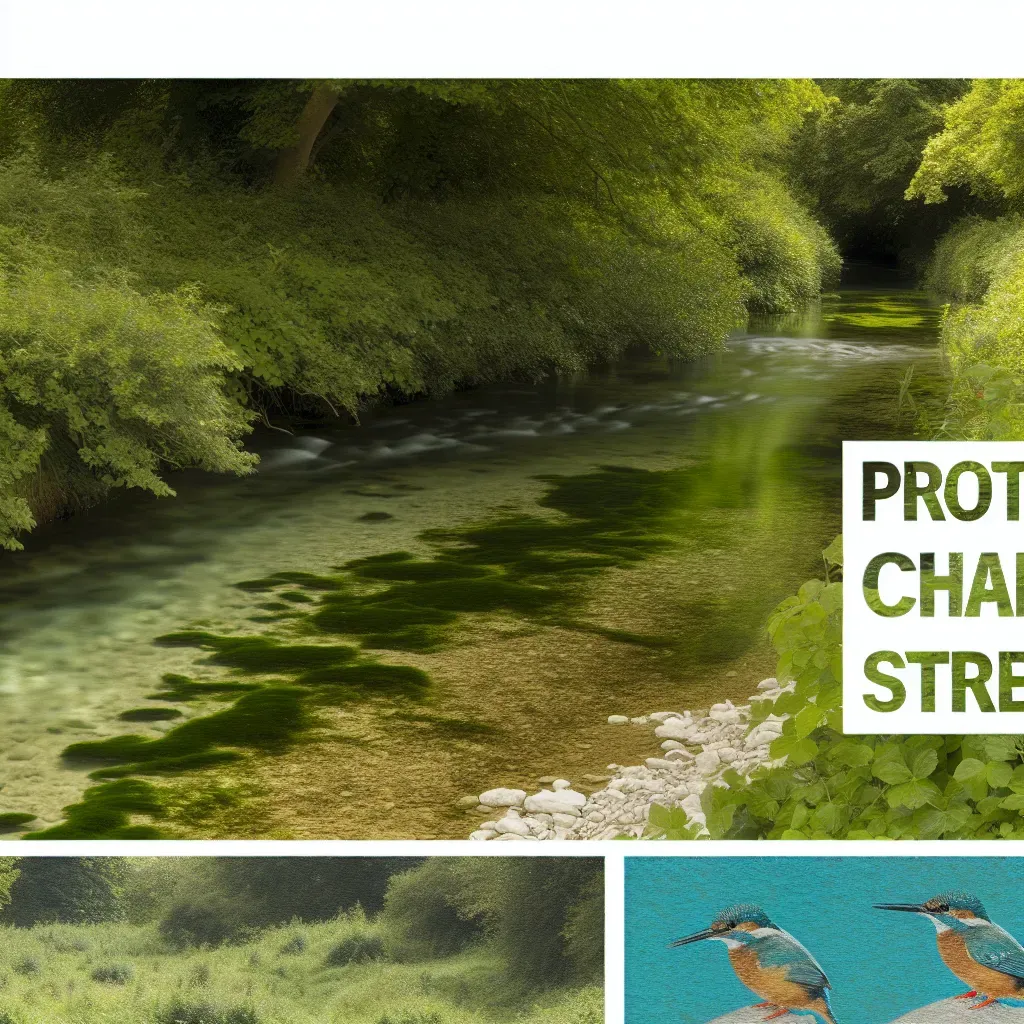
Chalk Streams Protection has garnered significant attention from environmental campaigners who recognize these unique ecosystems as essential freshwater habitats. Home to some of the clearest waters in the UK, chalk streams are vital for both biodiversity and community enjoyment. With approximately 220 of these delicate streams primarily located in England, the urgency for their legal protection is mounting. Advocates are pushing for their inclusion in the National Planning Policy Framework, highlighting their irreplaceable status in UK water policy. Without proactive measures to ensure their preservation, the ecological health of these waterways, along with the wildlife they support, is at risk.
The safeguarding of chalk waterways, a rare type of freshwater ecosystem, is becoming increasingly critical as activists call for enhanced measures to ensure their survival. These remarkable watercourses, vital for various species and recreational activities, represent an integral part of the UK’s natural heritage. Recent discussions have emphasized the necessity of legislative support to classify these streams under essential environmental conservation efforts. As stakeholders collaborate to protect these unique habitats, it becomes evident that the future of wildlife protection hinges on our commitment to preserving these pivotal inland waterways. Through comprehensive reform and community engagement, we can work towards sustaining these beautiful natural resources.
The Importance of Chalk Streams in the UK
Chalk streams represent some of the rarest freshwater habitats globally, with a staggering 85% found in England. These unique ecosystems, characterized by their clear waters and distinct gravel beds, originate from natural spring waters filtered through porous chalk bedrock. They provide essential habitats for a variety of wildlife, including fish species like the brown trout, as well as key bird species such as kingfishers and grey wagtails. Beyond their ecological importance, these streams significantly contribute to the UK’s biodiversity, making their conservation a critical aspect of environmental policy.
Moreover, chalk streams play a vital role in recreational activities, ranging from fishing to walking and nature observation, highlighting their value to local communities. As vital natural resources, they offer immense cultural and economic benefits, underscoring the need for effective management and protection measures. Conservation efforts not only safeguard these environments but also enhance public awareness and appreciation for the rich biodiversity they support.
Current Challenges Facing Chalk Streams
Despite their ecological significance, chalk streams are facing numerous challenges, primarily due to pollution, water extraction, and insufficient legal protections. Many streams suffer from poor water quality, exacerbated by urban runoff and agricultural practices that introduce harmful chemicals into these fragile ecosystems. This deterioration not only affects the aquatic flora and fauna but also compromises the overall health of the freshwater habitats. As such, urgent action is needed to mitigate these pressures and restore the vitality of chalk streams.
Additionally, the lack of robust legislative protections leaves many chalk streams vulnerable to further degradation. Campaigners argue that integrating these ecosystems into the National Planning Policy Framework is vital to ensure they receive the recognition and conservation status they deserve. Without such reforms, the unique biodiversity supported by chalk streams continues to be at risk, further threatening wildlife protection initiatives that aim to secure the future of these irreplaceable habitats.
Increasing Public Awareness about Chalk Streams Protection and Conservation Efforts
Public awareness is a crucial factor in the conservation of chalk streams, as increased knowledge can lead to better stewardship and advocacy. Educational programs and community engagement initiatives have become fundamental in drawing attention to the importance of these freshwater habitats. By informing residents and stakeholders about the ecological significance of chalk streams, communities can mobilize to support conservation campaigns and pressure policymakers for more protective measures.
Moreover, wildlife organizations, such as the London Wildlife Trust, play an essential role in raising awareness through outreach programs and partnerships with local communities. Initiatives that involve citizen science can empower individuals to contribute to data collection and monitoring efforts, further elevating the protection of chalk streams. As the public becomes more educated about the challenges faced by these habitats, there is a greater likelihood of collective action towards advocating for their preservation.
Defra’s Commitment to Chalk Streams Restoration
The government’s commitment to restoring chalk streams has become a critical component of ongoing water industry reforms. With an impressive £2 billion investment pledged by water companies over the next five years, efforts to improve water quality and ecosystem health are receiving a significant boost. The Department for Environment, Food and Rural Affairs (Defra) has signaled that immediate actions will be prioritized to address the pollution issues plaguing these important habitats.
Key initiatives include upgrading treatment facilities to enhance their capacity, effectively reducing storm discharges and implementing nutrients reduction programs. With Thames Water leading the charge, projects aimed at improving the River Wandle and other affected streams are set to progress, providing a robust framework for restoration. Collaborative partnerships with various stakeholders will ensure that the complexities of managing chalk streams are thoroughly addressed, paving the way for a healthier aquatic environment.
The Role of Local Communities in Protecting Chalk Streams
Local communities play an indispensable role in the conservation of chalk streams. Their direct involvement in monitoring, restoration, and advocacy ensures that these habitats receive the attention they need. Grassroots initiatives often pave the way for larger movements, as small-scale conservation efforts can lead to significant progress when supported by community engagement. Residents’ knowledge of their local chalk streams enables them to identify issues and implement effective solutions.
Furthermore, fostering a sense of ownership and responsibility among community members not only enhances conservation efforts but also strengthens local ties to these natural resources. Programs that invite volunteers to participate in cleaning, monitoring wildlife populations, and advocating for sustainable practices can have a profound impact on the health of chalk streams. Such collaborative efforts not only promote environmental stewardship but also create a shared commitment to preserving these crucial freshwater habitats for future generations.
Collaboration Among Stakeholders for Effective Conservation
Effective conservation of chalk streams requires collaboration between various stakeholders, including government bodies, non-profit organizations, and local communities. By fostering partnerships that combine resources, knowledge, and expertise, stakeholders can create comprehensive strategies aimed at addressing the myriad challenges facing these ecosystems. Collaboration ensures that diverse perspectives and needs are considered, leading to solutions that are both effective and sustainable.
Engagement with organizations dedicated to wildlife protection and environmental conservation can amplify efforts to advocate for policy reforms and increased funding for restoration projects. Joint initiatives designed to raise awareness and mobilize community support create a united front in the fight to protect chalk streams. Through cooperative action, it becomes possible to tackle pollution, enhance water quality, and implement measures that safeguard these vital freshwater habitats for future generations.
The Future of Chalk Streams and Conservation Efforts
Looking ahead, the future of chalk streams hinges on the successful implementation of conservation strategies that address current threats. Enhanced legal protection, coupled with robust restoration initiatives, is essential in ensuring these habitats not only survive but thrive. By prioritizing the protection of chalk streams within national and local water policies, the UK can set a precedent for preserving irreplaceable freshwater habitats.
Moreover, ongoing monitoring and adaptive management approaches will be necessary to track the effectiveness of conservation efforts. By continuously assessing the health of chalk streams and making necessary adjustments to strategies, stakeholders can remain responsive to new challenges as they arise. Through sustained commitment and collaborative action, it is possible to secure the future of chalk streams, ensuring they remain vital components of the UK’s environmental landscape for generations to come.
Implications of Chalk Streams Protection on Local Wildlife and Biodiversity
The protection of chalk streams bears significant implications for local wildlife and biodiversity, as these habitats are home to an array of species that rely on clean, oxygen-rich waters. By prioritizing the health of chalk streams, conservation measures will directly benefit fish species, such as the brown trout, and various invertebrates that form the base of the aquatic food web. The restoration of these ecosystems enhances habitat connectivity, allowing wildlife to thrive and migrate freely within their natural ranges.
Furthermore, healthier chalk streams contribute to the stability of surrounding ecosystems, supporting not only aquatic but also terrestrial species that depend on these freshwater habitats for survival. As the focus on chalk stream protection aligns with broader environmental conservation goals, it ultimately contributes to the resilience of local biodiversity, fostering a more robust ecological landscape that benefits all forms of life.
Integrating Chalk Streams into National Water Policy
Integrating the protection of chalk streams into national water policy is critical for establishing a comprehensive framework for freshwater conservation in the UK. The current water policy landscape presents an opportunity to recognize the unique status of chalk streams and their vital contributions to biodiversity and recreational opportunities. Advocating for their inclusion in key legislation, such as the National Planning Policy Framework, is essential for ensuring that these habitats receive the recognition and protection they necessitate.
As water policies evolve to address the climate crisis and evolving environmental challenges, it is imperative that chalk streams are prioritized. This integration will help pave the way for coordinated action to restore and protect these delicate ecosystems, ultimately leading to improved water quality. By aligning the management of chalk streams with wider environmental goals, stakeholders can ensure a holistic approach to freshwater conservation that promotes sustainable practices across the United Kingdom.
Frequently Asked Questions
What are chalk streams and why are they important for environmental conservation?
Chalk streams are rare freshwater habitats primarily found in England, originating from springs in porous chalk bedrock. They are vital for environmental conservation due to their unique ecosystems that support diverse wildlife and provide clear water, essential for various flora and fauna. Their protection is crucial for maintaining biodiversity and ensuring healthy freshwater habitats.
How does UK water policy affect the protection of chalk streams?
UK water policy, especially the National Planning Policy Framework, plays a significant role in the protection of chalk streams. Environmental campaigners advocate for these streams to be recognized as irreplaceable habitats, which would provide them with greater legal protections and ensure that development does not negatively impact these vulnerable ecosystems.
What actions are being taken to improve the protection of chalk streams in England?
Various actions are being taken to improve the protection of chalk streams in England, including significant government reforms from Defra aimed at cleaning and restoring these habitats. This includes a £2 billion investment from water companies over five years to enhance treatment and reduce pollution, as well as partnerships to advance restoration projects along rivers like the River Wandle.
Why is the River Wandle considered significant in the context of chalk streams protection?
The River Wandle is significant for chalk streams protection as it is one of the notable examples of a chalk stream in southern England. It faces multiple pollution challenges, which have prompted concerted efforts from water companies and environmental organizations to restore its health and biodiversity, highlighting the broader need for preserving these essential freshwater habitats.
What unique wildlife can be found in chalk streams, and why is their protection important?
Chalk streams are home to unique wildlife, including species like kingfishers and grey wagtails. Protecting these ecosystems is vital not only for the conservation of these species but also for maintaining the ecological balance within freshwater habitats. Improved protection ensures that wildlife can thrive and that these areas remain available for public enjoyment and ecological research.
How does the natural filtering ability of chalk streams contribute to their ecological value?
Chalk streams have a natural filtering system due to their porous chalk bedrock, which removes sediments from the water. This characteristic leads to clear waters that support diverse aquatic life and enhance the overall ecological value of these freshwater habitats, making their protection essential for sustaining biodiversity and water quality.
What are the plans for future restoration projects of chalk streams in England?
Future restoration projects for chalk streams in England include investments aimed at upgrading wastewater treatment networks and enhancing abstraction licensing systems. Specific plans like the fish-pass scheme at Goatbridge and various river-restoration initiatives in locations like Beddington Park are also being developed to combat pollution and improve the health of these vital ecosystems.
| Key Point | Details |
|---|---|
| Chalk Streams Importance | Chalk streams are one of the rarest freshwater habitats in the world, primarily located in England. |
| Lack of Legal Protection | Currently, chalk streams do not have adequate legal protection, leading campaigners to push for their inclusion in the National Planning Policy Framework. |
| Government’s Action Plan | The government plans a significant reform in the water industry to improve chalk streams through ‘immediate action’ and a £2 billion investment. |
| Chalk Streams Characteristics | These streams are fed by springs from porous chalk bedrock, providing clear waters and unique gravelly beds. |
| Count of Existing Chalk Streams | There are only 220 chalk streams left in England, highlighting their rarity. |
| Specific Projects | Thames Water is undertaking notable upgrades to wastewater networks and enhancing the River Wandle for better ecological health. |
| Call for Recognition | Campaigners seek to classify chalk streams as irreplaceable habitats within national policies. |
Summary
Chalk Streams Protection is crucial for preserving one of the world’s rareest freshwater habitats. Efforts are underway to enhance legal frameworks and conservation programs to ensure these unique ecosystems are safeguarded for future generations. With only 220 chalk streams remaining in England, immediate action and increased recognition of their value are essential to protect their ecological and recreational significance.