
Listen to this article
The sovereignty of the Chagos Islands has ignited passionate debates and fervent protests, especially among the Chagossians who seek recognition of their rights amid shifting political landscapes. This vital territory, strategically located in the Indian Ocean, has been at the heart of a contentious agreement between the UK and Mauritius, raising concerns over the self-determination of its native inhabitants. As Mauritius gains sovereignty over these islands, the discussions surrounding the Diego Garcia military base further complicate matters, making the future for the Chagossian people uncertain. Recent Chagossian protests highlight their strong desire to reclaim agency in decisions regarding their homeland, emphasizing that they do not wish for a foreign nation to dictate their destiny. In light of the latest Chagos Islands news, the calls for justice and recognition resonate deeply, showcasing the ongoing struggle for identity and sovereignty in this historically significant region.
In discussions surrounding the ownership of the Chagos Islands, many alternative terms come into play, such as the British Indian Ocean Territory and the plight of Chagossians. This geographical area, often entwined with military strategies and international treaties, has been the subject of significant diplomatic negotiations. The claims of Mauritius over these islands have stirred a complex dialogue about territorial rights and the moral implications of colonial history. The indigenous population, known as Chagossians, has consistently voiced their concerns, advocating for their right to self-governance and the preservation of their cultural identity. As debates around the future of Diego Garcia continue, the issue of sovereignty remains pivotal in shaping the narrative of the Chagos Islands.
Understanding the Chagos Islands Sovereignty Issue
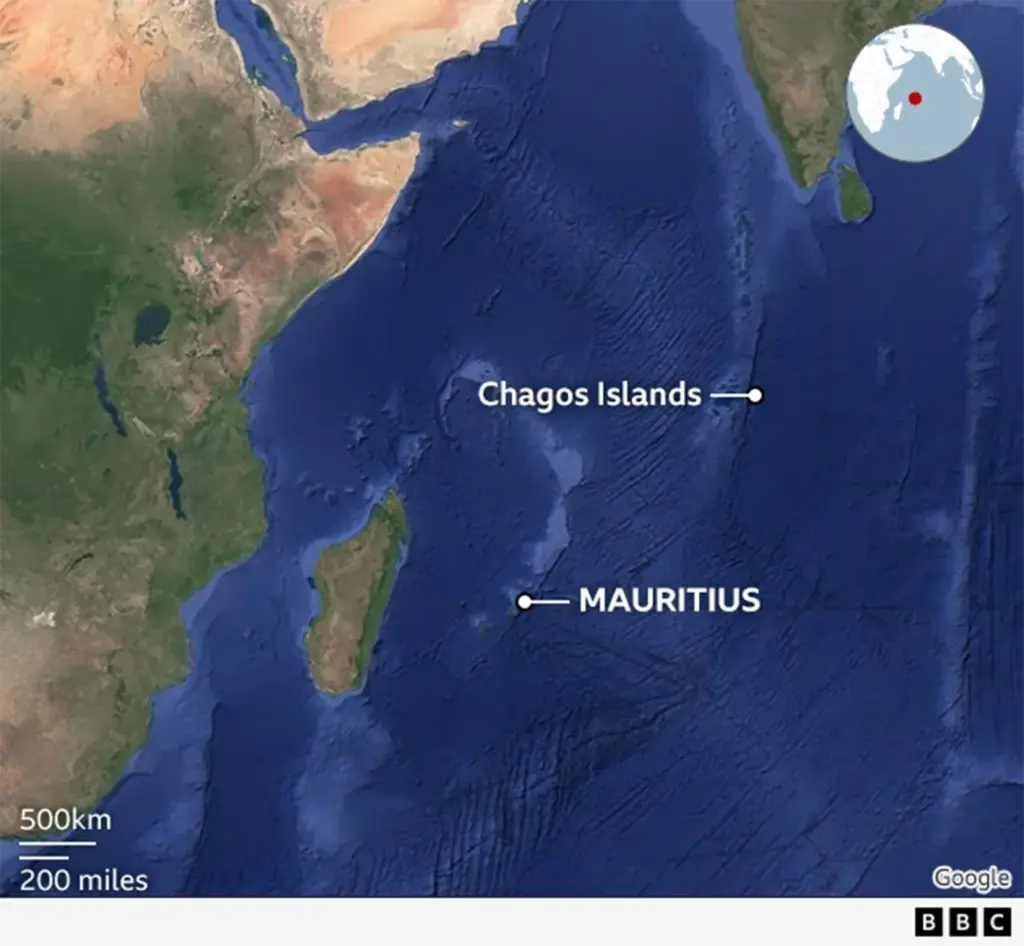
The issue of Chagos Islands sovereignty has been a point of contention for many years, particularly following the UK’s agreement to transfer sovereignty to Mauritius. The Chagos Islands consist of a small archipelago in the Indian Ocean, notably hosting Diego Garcia, a crucial military base for the United States. The transfer is surrounded by controversy and protests, primarily due to the historical displacement of the Chagossians, the indigenous people who were forcibly removed from their homeland in the 1960s and 70s to make way for the base. This background fuels ongoing debates about sovereignty and self-determination for Chagossians.
In light of the recent developments, the sovereignty of the Chagos Islands is not just a diplomatic issue between the UK and Mauritius; it embodies a struggle for the rights of a displaced community seeking acknowledgment and a voice. Activists argue that true sovereignty would ensure that the Chagossian people are given the opportunity to determine their future. The emotions expressed by individuals like Vanessa Mandarin are representative of a broader sentiment among the Chagossian community, highlighting their desire to have agency over their homeland.
Frequently Asked Questions
What is the current status of Chagos Islands sovereignty in relation to Mauritius?
The UK government has agreed to transfer sovereignty of the Chagos Islands to Mauritius, allowing the lease of the Diego Garcia military base back to the UK for £101 million per year. This agreement has sparked protests among Chagossians who feel excluded from decisions that directly impact their homeland.
Why are Chagossian protests significant in the discussion of Chagos Islands sovereignty?
Chagossian protests highlight the demand for self-determination among islanders, who believe that their voices must be prioritized in discussions surrounding the sovereignty of the Chagos Islands. These protests underscore the sentiment that Chagossians should have a say in decisions about their future, rather than having another state make choices on their behalf.
How does the agreement affect Diego Garcia military base operations?
Under the new agreement, the UK and US will continue to operate the Diego Garcia military base for an initial period of 99 years, despite the transfer of Chagos Islands sovereignty to Mauritius. This arrangement has raised concerns among Chagossians about their rights and presence in their homeland.
What role do self-determination and human rights play in the Chagossians’ claim to the Chagos Islands?
Self-determination is central to the Chagossians’ claims regarding the Chagos Islands. They assert that they were forcibly removed from their homeland and have the fundamental right to determine their own future. Human rights advocates argue that the denial of these rights in the process of transferring sovereignty is unjust and contradictory to international law.
What are the implications of the Chagos Islands news for UK-Mauritius relations?
The latest Chagos Islands news indicates a significant step towards improved UK-Mauritius relations through the agreement for sovereignty transfer. However, the ongoing protests by Chagossians reveal underlying tensions, demonstrating that while diplomatic agreements are made, the voices of indigenous populations must be acknowledged and respected.
Why do some UK politicians oppose the agreement on Chagos Islands sovereignty?
Opposition among UK politicians, such as Andrew Rosindell, centers around concerns that this agreement denies Chagossians their right to self-determination. Critics argue that the historical removal of Chagossians from their land compounded by the transfer of sovereignty to Mauritius raises moral and ethical issues regarding human rights and colonial legacy.
What are the future prospects for the Chagossians regarding their homeland?
The future prospects for Chagossians regarding their homeland are uncertain, particularly as the UK government continues to prioritize security interests associated with the Diego Garcia military base. However, the determination of the Chagossian community to fight for self-determination suggests that there may be continued advocacy for their rights as the sovereignty transition unfolds.
| Key Point | Details |
|---|---|
| UK Decision | The UK has decided to transfer sovereignty of the Chagos Islands to Mauritius. |
| Military Base Lease | The UK will lease back Diego Garcia military base to Mauritius for £101 million yearly. |
| Chagossians’ Protest | Chagossians in London are protesting, feeling excluded from discussions regarding their homeland. |
| Call for Self-Determination | Chagossians demand the right to self-determine the future of the islands, rejecting external decisions. |
| Political Opinions | Divergent views exist within the political community about the deal, highlighting human rights concerns. |
| Duration of Agreement | The agreement allows UK and US military operations for an initial period of 99 years. |
Summary
The Chagos Islands sovereignty has emerged as a contentious issue, as the UK prepares to transfer control of the islands to Mauritius while leasing back a crucial military base. This decision has sparked significant protests from the Chagossian community, who assert their right to self-determination and oppose being marginalized in decisions about their homeland’s future. The ongoing discussions highlight a deep-seated concern over human rights and the legacy of colonialism, underscoring the complex layers surrounding Chagos Islands sovereignty.