Listen to this article
The recent developments surrounding the Chagos deal have spotlighted a significant geopolitical shift involving the British Indian Ocean Territory. This contentious agreement aims to transfer sovereignty of the Chagos Islands to Mauritius while allowing the UK to retain control over Diego Garcia, a pivotal military base leased at an annual cost of £101 million. As debates unfold, concerns have arisen regarding the implications for international law, particularly relating to treaties established in 1966 with the United States. The Conservative Party’s opposition accentuates the complexities surrounding the Chagos deal, as they argue it could breach existing legal frameworks, raising questions about British sovereignty in the region. As negotiations continue, the outcome will undoubtedly impact not only UK-Mauritius relations but also wider international security dynamics in this strategically located archipelago.
The ongoing negotiations concerning the agreement over the Chagos Islands—often referred to as the Chagos deal—are steering discussions towards complex legal and strategic implications. This contentious arrangement seeks to grant Mauritius control of the islands while ensuring that Diego Garcia, the crucial military base, remains operational for UK and US military purposes. The tension between legislative scrutiny and national security has intensified, particularly as opposition parties voice their concerns regarding potential violations of existing treaties. This scenario highlights a broader conversation about colonial legacies, territorial sovereignty, and the role of international law in contemporary geopolitics. As both the UK and Mauritius navigate their intricate historical ties, the repercussions of this deal will resonate far beyond the Indian Ocean.
Understanding the Chagos Deal: Legal and Geopolitical Insights
The proposed Chagos deal represents a significant shift in sovereignty and military strategy for the UK and Mauritius. It aims to transfer control of the Chagos Islands, including Diego Garcia, from the UK to Mauritius, a move that has drawn considerable attention both domestically and internationally. This agreement comes with a crucial provision allowing the UK to continue leasing Diego Garcia for military purposes, a base crucial for NATO and US operations in the Indian Ocean region. However, the complexities are amplified by existing international treaties and national security implications, presenting a multifaceted dilemma for policymakers.
While the Chagos deal signifies a crucial step towards resolving longstanding territorial disputes, it also raises questions about the legality of the transfer under international law. Critics argue that the 1966 Treaty with the US, which establishes UK sovereignty over these territories, might conflict with the proposed arrangement. This presents an intricate legal challenge that the UK government must navigate carefully to comply with both international law and national security interests, especially as the geopolitical landscape evolves.
The Role of Diego Garcia in Global Military Strategy
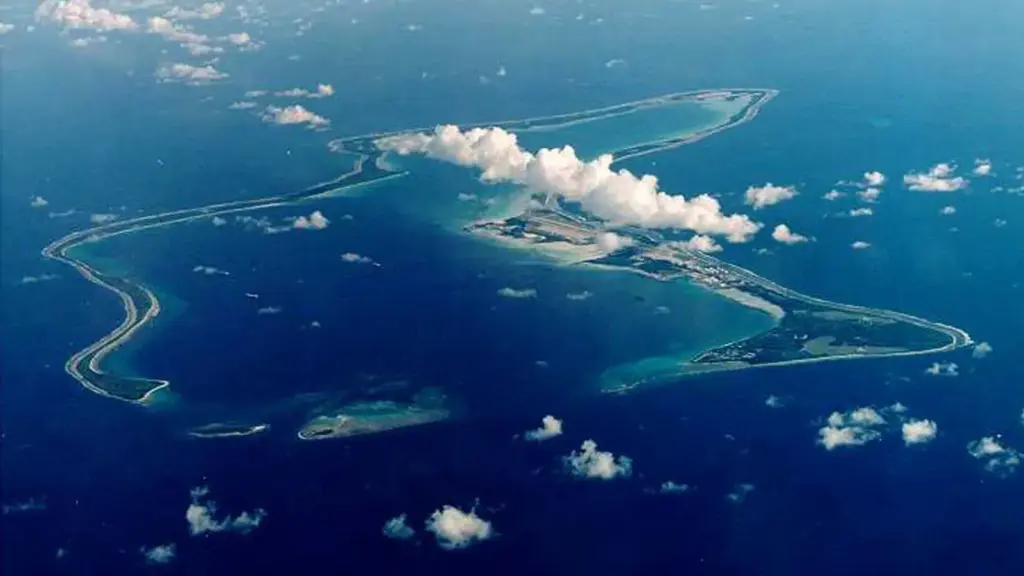
Diego Garcia serves not only as a strategic military base for the UK and US but also as a linchpin in global military logistics and policy. Its location in the British Indian Ocean Territory provides a strategic vantage point for operations in the Middle East, Asia, and beyond. The agreement allows for continued military operations on Diego Garcia, which is seen as vital for maintaining a balance of power in the region, especially in light of rising tensions with countries like China.
Additionally, the military base at Diego Garcia plays a critical role in surveillance, reconnaissance, and various military operations. With the ever-changing geopolitical climate, the continued utilization of this base is seen as essential for countering potential threats globally. The Chagos deal ensures that this facility remains operational, which is a central aspect of the UK government’s defense strategy as well as its commitment to international allies.
Implications of the UK-Mauritius Agreement on Territorial Sovereignty
The UK-Mauritius agreement regarding the sovereignty of the Chagos Islands has far-reaching implications for international law and geopolitics. The transfer of territory raises significant questions about colonial legacies and the rights of native populations, which were displaced during earlier conflicts. For Mauritius, gaining sovereignty over the islands symbolizes a resolution to decades of struggle, yet it also requires careful consideration of how to maintain international military partnerships, especially regarding the US’s role on Diego Garcia.
The negotiations surrounding this sovereignty transfer underscore the sensitive balance between national interests and historical justice. The international community watches closely as this agreement unfolds, highlighting how colonial histories continue to shape territorial discussions even in modern contexts. The outcomes of such deals could set precedents for how similar disputes are handled globally.
The Political Landscape Surrounding the Chagos Deal
The political dynamics concerning the Chagos deal illustrate the complex interplay between domestic policies and international strategy. Within the UK, the Conservative Party has raised concerns about potential violations of the 1966 Treaty with the US, emphasizing national security implications. Calls for amendments reflect a deeper skepticism about the deal’s long-term viability and its impact on UK-American relations, creating a turbulent atmosphere in parliamentary discussions surrounding the bill.
Furthermore, the postponement of the bill’s debate in the House of Lords has intensified political tensions. As debates around sovereignty and military agreements continue to simmer, the government faces mounting pressure to navigate the intricacies of both domestic dissent and international obligations. Balancing these competing interests will be crucial as the UK seeks to maintain its strategic foothold in a rapidly changing geopolitical landscape.
International Law Considerations and Challenges with the Chagos Deal
The Chagos deal brings to light significant international law considerations that must be addressed in the context of territorial sovereignty. Article 1 of the 1966 Treaty asserts UK sovereignty over the Chagos Islands, creating potential legal conflicts with the proposed transfer to Mauritius. Legal scholars and international relations experts are closely examining the implications of this agreement, particularly how it aligns with existing international statutes governing territorial disputes and sovereignty.
As the debate unfolds, it becomes clear that the ramifications of the Chagos deal extend beyond bilateral relations, touching on global norms regarding occupation, state sovereignty, and self-determination. The UK government must tread carefully to avoid jeopardizing its standing in international law constructs while simultaneously ensuring its defense posture is robust in the face of emerging geopolitical challenges.
The Strategic Value of the Diego Garcia Military Base
Diego Garcia’s strategic value transcends mere geography; it encapsulates a critical asset for both UK and US military operations. Located in the Indian Ocean, the base enables rapid deployment and logistical support across numerous regions, positioning it as a crucial hub for defense initiatives. As tensions rise in various parts of the world, the sustainability of operations at Diego Garcia remains imperative to ensure peace and security objectives for both Western allies.
Moreover, the future of this military base hinges on the outcome of the Chagos deal, framing it within the wider context of global security strategies. The UK-Mauritius agreement is framed by the understanding that continued functions at Diego Garcia are essential not only for regional stability but also for broader military readiness, especially as the international order experiences remarkable shifts.
Assessing the Economic Impact of the Chagos Deal
The economic ramifications of the Chagos deal are substantial, with the UK committed to an annual payment of £101 million to Mauritius for the 99-year lease of Diego Garcia. This agreement provides Mauritius with a significant source of revenue that is likely to influence its development and governance strategies. Furthermore, the deal could enhance bilateral relations in economic terms, fostering investment and growth opportunities for both nations.
However, critics argue that the financial agreement must be viewed against the larger backdrop of historical injustices concerning the Chagos Islands. Economic benefits must be balanced with considerations of the displaced populations and their rights. The challenge lies in ensuring that the deal not only serves strategic military interests but also addresses economic disparities and fosters meaningful development in Mauritius.
Future of Chagos Islands Sovereignty Claims
The future of sovereignty claims over the Chagos Islands remains uncertain as the UK and Mauritius navigate their newly proposed agreements. Polish governmental attitudes toward historical claims versus current strategic necessities remain pivotal in shaping future discourse. The collaboration between these nations can set a precedent, influencing how colonial histories are reconciled with contemporary state responsibilities.
The international community will be observing how Mauritius asserts its sovereignty while negotiating continued military presences from the UK and US. These dynamics will not only inform future bilateral agreements but may also inspire movements in other regions grappling with colonial legacies and territorial claims, highlighting the importance of equitable solutions in the global arena.
Political Reactions to the Delay of the Chagos Bill
The delay in discussing the Chagos bill has triggered varied political reactions across different factions within the UK. Supporters of the bill view the amendment proposal as a critical stance against compromising national security while opposing parties consider it an obstruction of diplomatic progress. This divide illustrates the broader tensions between maintaining military commitments and addressing the historical grievances around the Chagos Islands.
The delay creates a tactical pause, allowing both parties to reassess their approaches and potentially recalibrate negotiations. In the realm of global politics, timing is crucial, and how both sides navigate this moment could have lasting implications on future dealings related to the Chagos deal and the UK’s position in international diplomacy.
Frequently Asked Questions
What is the current status of the Chagos deal and its implications for Diego Garcia?
The Chagos deal aims to transfer sovereignty of the Chagos Islands to Mauritius while allowing the UK to retain control of the Diego Garcia military base for an annual fee of £101 million. The bill implementing this deal has faced delays in parliamentary discussions, pending amendments amid concerns regarding international law and the 1966 Treaty with the US.
How does the UK Mauritius agreement affect British Indian Ocean Territory sovereignty?
The UK Mauritius agreement facilitates Mauritian sovereignty over the Chagos Islands but allows the UK continued lease of Diego Garcia. This arrangement raises debates about the sovereignty of the British Indian Ocean Territory, particularly concerning the legal implications outlined in the 1966 Treaty, which states that the territory remains under UK control.
What are the international law implications of the Chagos deal?
The Chagos deal has raised significant international law questions, especially regarding compliance with the 1966 Treaty between the UK and the US, which affirms UK sovereignty over the islands. The Conservative opposition argues that passing the deal without an agreement with the US could breach international law, exacerbating tensions related to sovereignty and military presence in the region.
Why is the Diego Garcia base crucial to the Chagos deal?
The Diego Garcia base is a pivotal element of the Chagos deal as it serves as a shared military facility for the US and UK. The UK government considers it vital for national security, and the agreement ensures that both countries can continue to operate from the base, which is seen as critical for regional stability and countering potential threats from nations like China.
What are the potential consequences of delaying the Chagos deal legislation?
Delaying the Chagos deal legislation could lead to legal challenges from Mauritius, potentially jeopardizing the UK’s military presence at the Diego Garcia base. Furthermore, failure to secure the deal may allow rivals such as China to establish military bases in the region, undermining long-term security interests for both the UK and the US.
| Key Point | Details |
|---|---|
| Government’s Bill | Aims to enshrine the Chagos deal in law, transferring the Indian Ocean archipelago to Mauritius while allowing the UK to lease back Diego Garcia for £101 million per year. |
| Cancellations and Delays | Debate in the House of Lords on the bill has been canceled, with the government stating it will return to the Lords later. |
| Conservatives’ Opposition | The Conservative Party has proposed an amendment for a pause on the deal, citing changing geopolitical circumstances and potential violations of a 1966 Treaty. |
| Importance of Diego Garcia | The UK remains committed to the military base on Diego Garcia, which is crucial for national security. |
| International Law Issues | Tories argue the deal could breach international law as per the 1966 Treaty which stipulates UK sovereignty over the islands. |
| Financial Aspects | The agreement proposes an average payment of £101 million a year for 99 years to Mauritius. |
| Potential Legal Challenges | The UK government is considering potential legal challenges from Mauritius if the deal is not honored. |
| Geopolitical Considerations | The deal aims to prevent the establishment of foreign military bases on surrounding islands, particularly by rival nations. |
Summary
The Chagos deal remains a contentious issue, as the UK government seeks to establish a framework for transferring the Chagos Islands to Mauritius while safeguarding its military interests in the region. The recent cancellation of Parliamentary debate showcases the complexities surrounding this legislation, highlighted by opposition from the Conservatives and concerns over international law. As these discussions unfold, the commitment to securing Diego Garcia as a strategic military base underlines the UK’s priority for national security amid changing geopolitical dynamics.