Listen to this article
Cesarean section births have become a prominent method of delivery in England, with recent data indicating a notable trend. In the latest C-section statistics for 2024-25, it was revealed that 45% of births were performed through this surgical procedure, marking an unprecedented shift from natural deliveries. This rise in cesarean births has sparked conversations around maternity care and the factors influencing C-sections, reflecting a significant change in women’s preferences and health conditions. Notably, many of these procedures are planned cesarean deliveries, accommodating the needs and concerns of expectant mothers. As this trend continues, understanding the implications and motivations behind the increase in cesarean births is essential for effective maternity care in England.
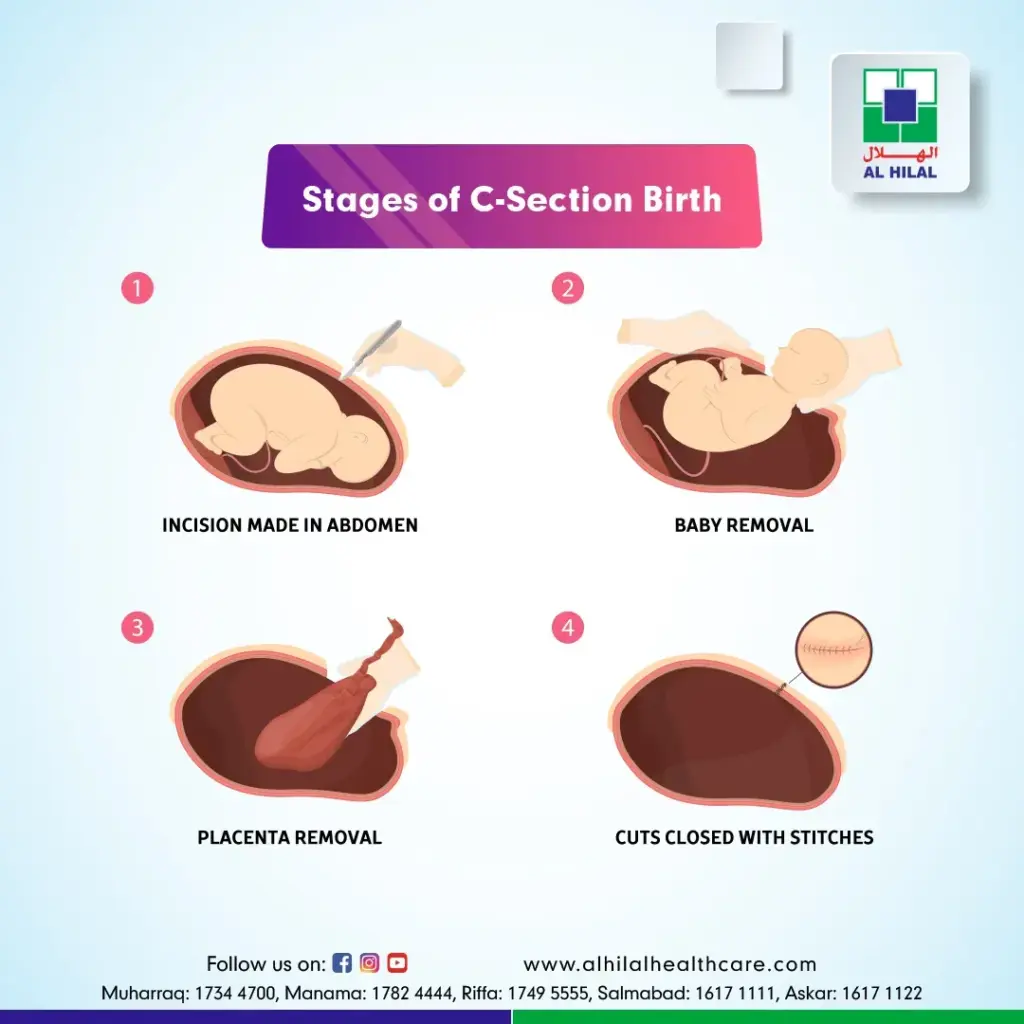
The surge in surgical births, often referred to as C-sections or cesarean deliveries, highlights an evolving landscape in maternal healthcare. These methods, which involve delivering a baby through surgical incisions in the abdomen and uterus, are increasingly seen as an option by expectant mothers. Several factors contribute to this growing preference, including medical advancements and evolving perceptions surrounding childbirth safety. As the healthcare community delves into the complexities of maternity care, addressing the rise in cesarean births will remain a priority. This discourse encompasses not only statistical analysis but also the personal experiences and choices of women navigating their childbirth journeys.
2024 C-Section Statistics in England
As of 2024, cesarean section births represent a substantial proportion of deliveries in England, reflecting a noteworthy shift in maternity practices. Current statistics reveal that 45% of all births took place via C-section, which has outstripped the percentage of spontaneous vaginal deliveries. This marked increase in cesarean births is attributed to several interrelated factors that influence women’s choices and healthcare dynamics.
The rise in cesarean births in 2024 presents a crucial discussion point among healthcare professionals. Factors influencing C-sections include not only medical conditions like obesity and diabetes among expectant mothers but also personal choices shaped by previous birthing experiences. As more women report apprehensions about natural delivery, many opt for planned cesarean delivery, highlighting a significant evolution in perceptions surrounding childbirth.
Understanding the Rise in Cesarean Births
The rise in cesarean births has been a topic of extensive analysis among obstetricians and maternity care experts. Over the past decade, cesarean delivery rates have nearly doubled, prompting questions about the underlying reasons. Experts suggest that the increase in cesarean sections often correlates with enhanced monitoring capabilities during labor, leading to timely interventions that prioritize both maternal and fetal well-being.
While the increase in C-sections may seem alarming, it is essential to acknowledge the complexity behind these decisions. Dr. Alison Wright has indicated that improved detection of fetal distress during labor plays a significant role in this rising trend. Consequently, more women choose cesarean deliveries for the perceived assurance of safety and health outcomes, particularly in cases where previous births have been traumatic.
Factors Influencing C-Section Decisions
Multiple factors contribute to the rising trend of cesarean deliveries, as highlighted by various studies focusing on maternal health and preferences. One crucial issue is the growing maternal age, with women increasingly delaying childbirth, often resulting in higher risk factors such as chronic health conditions. Additionally, factors like body mass index (BMI) and prior childbirth experiences significantly influence a woman’s decision to select a C-section over attempting a natural delivery.
Soo Downe emphasizes that despite only small increases in maternal age and BMI, the substantial rise in cesarean births reflects a broader cultural and socio-economic shift. Many women perceive cesarean sections as the ‘least worst option’ when considering their health and safety during childbirth, particularly in light of reports regarding inadequate support during labor. This perception sheds light on the evolving landscape of maternity care and the need for personalized support.
Implications for Maternity Care in England
The increasing rate of cesarean section births raises significant implications for maternity care across England. As C-sections become the norm, maternity services face mounting pressure to adapt to the changing needs of expectant mothers. Recent criticism highlights inconsistencies in the quality of care at various NHS trusts, prompting calls for comprehensive reviews of maternity services to ensure that they are equipped to provide safe, individualized care.
NHS officials emphasize that every woman deserves personalized care tailored to her specific circumstances and preferences. The ongoing reviews seek to enhance the quality of maternity care, ensuring that decisions about childbirth—whether through cesarean section or spontaneous delivery—are made collaboratively between healthcare professionals and mothers, prioritizing safety and well-being for both.
Planning for a Cesarean Delivery
Planning a cesarean delivery requires thoughtful consideration and discussion between mothers and healthcare providers. For many women, opting for a planned C-section is an intentional choice, influenced by various factors ranging from past experiences to medical advice. This proactive approach ensures that expectant mothers can prepare adequately for the delivery, addressing any concerns or questions ahead of time.
The planning process for a cesarean section typically involves thorough discussions about the procedure, recovery expectations, and post-operative care. Such conversations empower women with knowledge and reassurance, promoting a sense of control over their birthing experience. With cesarean sections becoming a prevalent method of delivery, understanding the planning process is essential for mothers to achieve positive outcomes.
The Role of Maternal Health in C-Section Rates
Maternal health plays a crucial role in the rising trend of cesarean section deliveries. Pregnancy-related health conditions, particularly obesity and diabetes, significantly influence obstetricians’ recommendations for cesareans. As the prevalence of these health issues rises, so too does the likelihood of performing C-sections to safeguard maternal and fetal health during childbirth.
The correlation between maternal health and cesarean rates emphasizes the importance of preconception care and prenatal health management. By addressing risk factors early on, healthcare providers can help women make informed decisions regarding their delivery options, potentially reducing the need for surgical interventions during birth.
C-Sections: Personal Choice vs. Medical Necessity
The decision to pursue a cesarean delivery can be understood as a balancing act between personal choice and medical necessity. For some women, the desire for a planned C-section stems from previous traumatic birthing experiences or concerns about potential complications during labor. This choice necessitates a supportive and informed dialogue with healthcare professionals, allowing women to weigh the risks and benefits adequately.
Conversely, there are cases where cesareans are medically warranted due to specific complications or health risks. In these scenarios, medical professionals must clearly communicate the necessity of the procedure to ensure women’s confidence in their healthcare decisions. The interplay of choice and necessity highlights the need for transparent communication within maternity services.
Maternity Services and Their Impact on C-Section Rates
The landscape of maternity services in England is undergoing rapid evolution, particularly in response to the rising C-section rates. Ongoing reviews at various NHS trusts emphasize the significance of providing safe, personalized care to meet the diverse needs of expectant mothers. Addressing these concerns is pivotal in ensuring that the trend toward cesarean births reflects not just choices, but also medically sound practices.
That said, the challenge remains to offer specialized support to women during labor, fostering an environment that promotes safe spontaneous delivery. Improving communication and guidance within maternity services can empower women to navigate their birthing options effectively, thereby influencing future C-section rates positively.
Future Trends in Cesarean Section Births
Looking ahead, understanding future trends in cesarean section births requires an analysis of ongoing factors influencing childbirth choices. As C-sections continue to rise, it is crucial for healthcare providers to understand the implications this has on maternal and neonatal health. Continuous monitoring and research will be essential in unraveling the complexities of cesarean deliveries and in developing recommendations that promote healthier birthing practices.
Additionally, emerging trends in cesarean birth rates will call for advancements in maternity care protocols that are responsive to the evolving needs of women. This includes integrating patient education, mental health support, and personalized care strategies into maternity services to empower women with the insights needed to make informed choices.
Frequently Asked Questions
What are the latest C-section statistics for 2024 in England?
According to the latest NHS data for 2024-25, 45% of births in England were cesarean section births, surpassing the 44% that were spontaneous vaginal deliveries. This marks a significant trend in maternity care in England.
What factors are influencing the rise in cesarean births in 2024?
The rise in cesarean births is influenced by several factors, including women’s choices for delivery, an increasing number of pre-existing health conditions such as diabetes and obesity, and socio-economic influences. Additionally, maternal age and past experiences with childbirth play a role.
What is a planned cesarean delivery and how does it relate to C-section trends?
A planned cesarean delivery, or C-section, is when the surgery is scheduled in advance rather than being performed in emergency situations. Approximately half of all cesarean births in England are now planned, reflecting changing preferences and medical practices in maternity care.
Why are more women opting for cesarean section births?
Many women are opting for cesarean section births due to various concerns, including past traumatic birth experiences, perceived lack of support for natural deliveries, and a belief that cesareans may be the ‘least worst option’ for ensuring safety and wellbeing during childbirth.
What impact does maternal age have on cesarean section statistics?
The average maternal age has been steadily increasing, which correlates with rising cesarean section statistics. Older mothers often have more health complications, influencing the decision to opt for a C-section.
How do birth trauma and previous C-section experiences affect future delivery choices?
Previous birth trauma or a prior cesarean section can significantly influence a woman’s choice for future deliveries. Many women may prefer a planned cesarean to avoid the uncertainty and potential complications associated with vaginal birth.
What are the criticisms regarding maternity care in England related to C-sections?
Maternity services in England have faced criticism for not providing consistent, safe, and personalized care. Ongoing reviews at various NHS trusts aim to address these issues and improve the quality of maternity care for all women, regardless of their delivery method.
Are the improvements in monitoring fetal wellbeing contributing to the rise in cesarean deliveries?
Yes, advancements in detecting when a baby’s wellbeing is deteriorating during labor have allowed for more timely interventions, contributing to the rise in cesarean deliveries as healthcare providers are more proactive in safeguarding the health of both mothers and babies.
What are the guidelines for making decisions about cesarean sections during maternity care?
Decisions regarding cesarean sections should be made based on informed discussions that consider individual circumstances, clinical advice, and the mother’s preferences, ensuring that the safest and most appropriate delivery method is chosen.
What role does Body Mass Index (BMI) play in cesarean section rates?
While there has been a slight rise in women’s BMI over the past decade, it is not solely responsible for the rapid increase in cesarean sections. Multiple factors, including fears associated with labor support, are influencing these trends.
| Key Points |
|---|
| In 2024-25, 45% of births in England were via cesarean section, surpassing spontaneous births at 44%. |
| 11% of births required support/interventions like forceps. |
| Nearly half of cesarean births were planned in advance. |
| Factors influencing the rise in cesarean births include women’s choices and increasing pre-existing health conditions. |
| Dr. Donna Ockenden highlights the evolving nature of maternity services and the impact of previous birth experiences on cesarean decisions. |
| The number of cesareans has doubled over the last decade, partly due to better detection of fetal distress during labor. |
| Women perceive cesarean as the ‘least worst option’ amid concerns over support for natural labor. |
| Ongoing reviews of maternity services are addressing substantial criticism of care at 14 NHS trusts. |
Summary
Cesarean section births have become the predominant method of delivery in England, signaling a significant shift in maternity care. As of 2024-25, 45% of babies were born through cesarean sections compared to 44% via natural delivery, with an additional 11% needing further intervention. This trend is influenced by a variety of factors, including the increasing age of mothers and pre-existing health issues. The choice of cesarean is often seen as a safer option by many women, leading to a remarkable rise in planned C-sections over the past decade. Such changes underscore the complexities surrounding maternity care and the need for ongoing improvements to ensure the safety and well-being of mothers and their babies.