
Listen to this article
When it comes to cat bite treatment, prompt action is crucial to prevent serious health complications. Cat bites can introduce harmful bacteria, particularly Pasteurella, which can lead to painful infections and potentially severe symptoms if left untreated. Understanding the symptoms of a cat bite infection can empower pet owners to act swiftly and seek the appropriate treatment for cat bites. Most importantly, proper cat bite prevention methods can reduce the likelihood of such injuries in the first place. As illustrated by a concerning case, failure to address a cat bite properly can escalate to significant complications, making immediate care essential.
Addressing injuries caused by feline bites is imperative for animal lovers and pet owners alike. These injuries not only pose a risk for infection but can also lead to more serious issues if neglected. Cat bite wounds might seem minor at first but can harbor dangerous bacteria that, if untreated, could result in severe health consequences. Recognizing the risks associated with cat bites is a vital part of responsible pet ownership. Thus, understanding effective strategies for managing and preventing these types of injuries is essential for maintaining both human and pet health.
Understanding Cat Bite Symptoms
Cat bite symptoms can manifest in various ways, depending on the severity of the injury and the subsequent infection risk. Initially, those bitten may experience redness, swelling, and pain in the affected area. In some cases, tenderness and warmth may accompany these symptoms, which can often lead to the development of more severe complications over time. Notably, it’s vital to monitor the site for any signs of pus formation, as this may indicate a bacterial infection, particularly from pathogens like Pasteurella that are commonly found in cat saliva.
If left untreated, the symptoms can escalate, resulting in significant soft tissue infections that might require extensive medical intervention. Some individuals might experience systemic symptoms like fever or chills, signaling that the body is responding to an infection. It’s crucial for pet owners to familiarize themselves with these symptoms and to seek immediate medical care to prevent dire consequences.
Immediate Treatment for Cat Bites
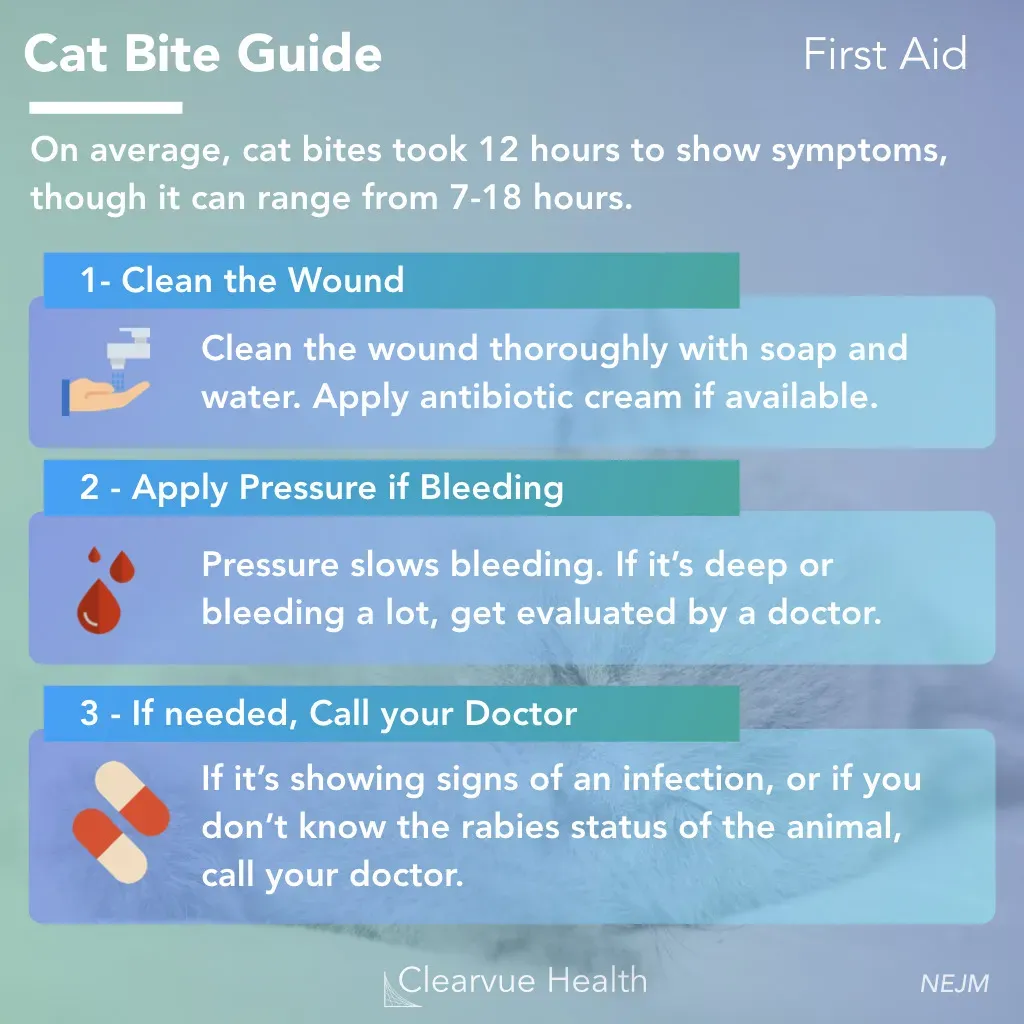
Prompt treatment for cat bites is essential to reduce the risk of infection and further complications. If bitten, the first step should involve washing the wound thoroughly with soap and water for at least 5 to 10 minutes to remove any bacteria introduced through the bite. After cleaning, applying a topical antiseptic can help minimize the risk of developing an infection. It’s advisable to avoid closing deep wounds with stitches, as this can trap bacteria inside. Instead, a healthcare provider may suggest leaving the wound open to heal naturally or using paper stitches to keep it clean.
Furthermore, after initial washing and antiseptic application, victims should promptly consult a healthcare professional, especially if bite symptoms worsen. Medical professionals will likely recommend antibiotics to combat potential infections, especially those caused by bacteria like Pasteurella. Depending on the severity of the bite, a treatment plan may include wound debridement, a procedure necessary for removing infected tissue to prevent necrosis during the healing process.
Cat Bite Infection Risks
Cat bites hold a significant risk of infection due to the bacteria present in their mouths, most notably Pasteurella multocida. This bacterium thrives in the confines of the mouth and can easily enter the bloodstream through even minor puncture wounds. Once in the body, this infection can lead to pain, swelling, and severe conditions such as cellulitis or abscess formation. In extreme cases, untreated infections may spread to other parts of the body, causing cellulitis, septic arthritis, or even systemic infections.
Infection from a cat bite can escalate very quickly, and it’s crucial for anyone who has been bitten to be vigilant about symptoms that could indicate a worsening condition. Redness, increasing pain, and pus or discharge from the wound are signs that medical consultation is paramount. The key takeaway is that prompt recognition and treatment of cat bite infections can prevent serious consequences and support quicker recovery.
Prevention Strategies for Cat Bites
Preventing cat bites primarily revolves around understanding cat behavior and establishing safe practices around them. It’s essential to avoid cornering or frightening a cat, as this often provokes defensive behavior that can lead to bites. When interacting with your pet, practice gentle handling and respect their personal space to build a trusting relationship. Educating others, especially children, on how to properly approach and handle cats can greatly reduce the likelihood of bites.
Furthermore, regular vet check-ups for your cat can help monitor their health and limit aggressive behavior stemming from discomfort or illness. If you notice any unusual behavioral changes in your cat, consulting with a veterinarian can provide insights on how to address these issues before they escalate into biting incidents.
The Importance of Cat Bite Assessment
Proper assessment of cat bites is paramount to ensure that any potential infections are dealt with swiftly and efficiently. All bite wounds should be examined by a healthcare professional, especially if they are deep or show signs of infection. While some may underestimate a cat bite, underestimating the risk can lead to severe complications, including tissue necrosis. As illustrated by the experiences of individuals like Dan Perry, timely medical evaluation can lead to timely interventions that prevent the need for further invasive procedures.
In addition to assessing the wound, healthcare professionals can provide essential insights into follow-up care and monitoring. Understanding signs of infection, like increased redness or swelling, can empower bite victims to seek help sooner rather than later, potentially averting serious outcomes of untreated infections.
Recognizing the Signs of Cat Bite Infection
Recognizing the signs of infection following a cat bite is critical for effective treatment and recovery. Common indicators include persistent swelling, redness, and increasing pain at the wound site. It’s also important to be aware of systemic symptoms, such as fever and chills, which indicate that the infection may be spreading. In some instances, symptoms may progress to include foul-smelling discharge or abscess formation, necessitating immediate medical intervention.
Those at higher risk of severe infections should be especially vigilant. This includes individuals with compromised immune systems, those needing tetanus updates, or anyone experiencing complicated reactions to bites. Recognizing these signs early can be a lifesaver, prompting quicker treatment decisions and potentially preventing long-term complications.
Follow-Up Care After Cat Bites
After receiving initial treatment for a cat bite, follow-up care is essential to ensure complete healing and to monitor for any signs of infection. Typically, healthcare providers will schedule a follow-up appointment within a few days to assess the wound and adjust antibiotic treatments if necessary. It’s crucial to adhere to the prescribed antibiotic regimen and to report any new symptoms or changes in the condition of the wound, such as increasing redness or swelling.
In addition, patients may be advised to keep the wound clean and dry, and to avoid submerging it in water until it has properly healed. In cases where stitches are used, instructions regarding removal or care will also be provided. Engaging in proper follow-up care can significantly decrease the risk of complications and support a smoother recovery process.
Emphasizing Hygiene After Cat Bites
Maintaining hygiene after experiencing a cat bite is vital for preventing infection and promoting healing. The first crucial step involves thorough cleansing of the bite area immediately after injury. Regularly washing the site with mild soap and water helps mitigate the introduction of bacteria, while applying antiseptic solutions further reduces infection risk. Proper wound dressing is also vital, ensuring it remains clean and protected from potential contaminants.
In addition to immediate hygiene practices, those affected should observe overall personal hygiene to enhance recovery. This includes regular hand washing before and after meal preparation or tending to the wound, as well as ensuring that any bandaging materials used are sterile and changed frequently. Good hygiene practices can significantly diminish the likelihood of infections and support faster healing.
Cat Bite Treatment and Medical Attention
Cat bite treatment involves a multifaceted approach aimed at reducing infection risk and promoting healing. Initial treatment typically includes thorough cleaning of the wound, followed by medical evaluation to determine the need for antibiotics, especially in cases with deep punctures or where Pasteurella may be involved. It’s crucial that anyone who has been bitten by a cat receives adequate medical evaluation to ascertain the need for therapeutic interventions, which could range from antibiotic prescriptions to surgical procedures for extensive infections.
Medical professionals often take a proactive approach, recommending tetanus vaccinations for those whose immunizations may be outdated. This is particularly crucial when bite wounds are deep or if the victim has a past history of tetanus. Engaging in timely medical assessments and treatment options effectively manages cat bite injuries and reduces the risk of severe complications.
Frequently Asked Questions
What are the common symptoms of a cat bite infection?
Cat bite infections can cause symptoms such as redness, swelling, pain at the bite site, and in some cases, fever. If you notice any of these symptoms after a cat bite, you should seek medical attention promptly as they may indicate a deeper infection that requires treatment.
What is the recommended treatment for cat bites?
The recommended treatment for cat bites includes thoroughly cleaning the wound with soap and water, applying antiseptic, and seeking medical advice. Doctors may prescribe antibiotics to prevent or treat infections such as those caused by the bacteria Pasteurella, which is commonly found in cats’ mouths.
How serious is a cat bite and what cat bite symptoms should I look out for?
A cat bite can be serious due to the risk of infection. Symptoms to watch out for include an increase in pain, swelling, redness, warmth, or discharge from the wound. If these symptoms develop, particularly if accompanied by fever or lethargy, seek medical care immediately.
What are effective methods for cat bite prevention?
To prevent cat bites, avoid handling scared or aggressive cats, and always approach them calmly. Socializing your cat and training them to be comfortable with human interaction can also help reduce the chances of bites.
Can a cat bite lead to a Pasteurella infection?
Yes, a cat bite can lead to a Pasteurella infection, which is a common cause of infection from cat bites. If bitten, it’s crucial to clean the wound and consult a healthcare provider, as this pathogen can lead to complications if left untreated.
What should I do immediately after a cat bite?
Immediately after a cat bite, clean the wound thoroughly with soap and water, apply antiseptic, and seek medical evaluation. Prompt treatment is essential to prevent infection and complications.
Are there long-term effects from untreated cat bite injuries?
Yes, untreated cat bite injuries can lead to long-term effects such as chronic infections, scarring, or in severe cases, necrosis. Seeking medical attention is critical to avoid these serious complications.
| Key Points | Details |
|---|---|
| Immediate Treatment Needed | Seek medical help right after being bitten to prevent infections. |
| Risk of Infection from Bites | Cats carry Pasteurella bacteria, which can lead to serious infections. |
| Case Study | A man suffered severe complications from a cat bite, needing multiple surgeries after infection. |
| Symptoms to Watch | Look out for swelling, redness, or pain in the bitten area, as well as fever. |
| Preventive Measures | Clean the wound thoroughly and keep tetanus vaccinations up to date. |
Summary
Cat bite treatment is crucial in preventing infections that can escalate quickly. As demonstrated in the case of Dan Perry, neglecting a seemingly minor injury can lead to serious health risks. It’s essential for pet owners to be aware of the potential dangers associated with cat bites and to seek immediate medical attention to ensure proper assessment and treatment.