Listen to this article
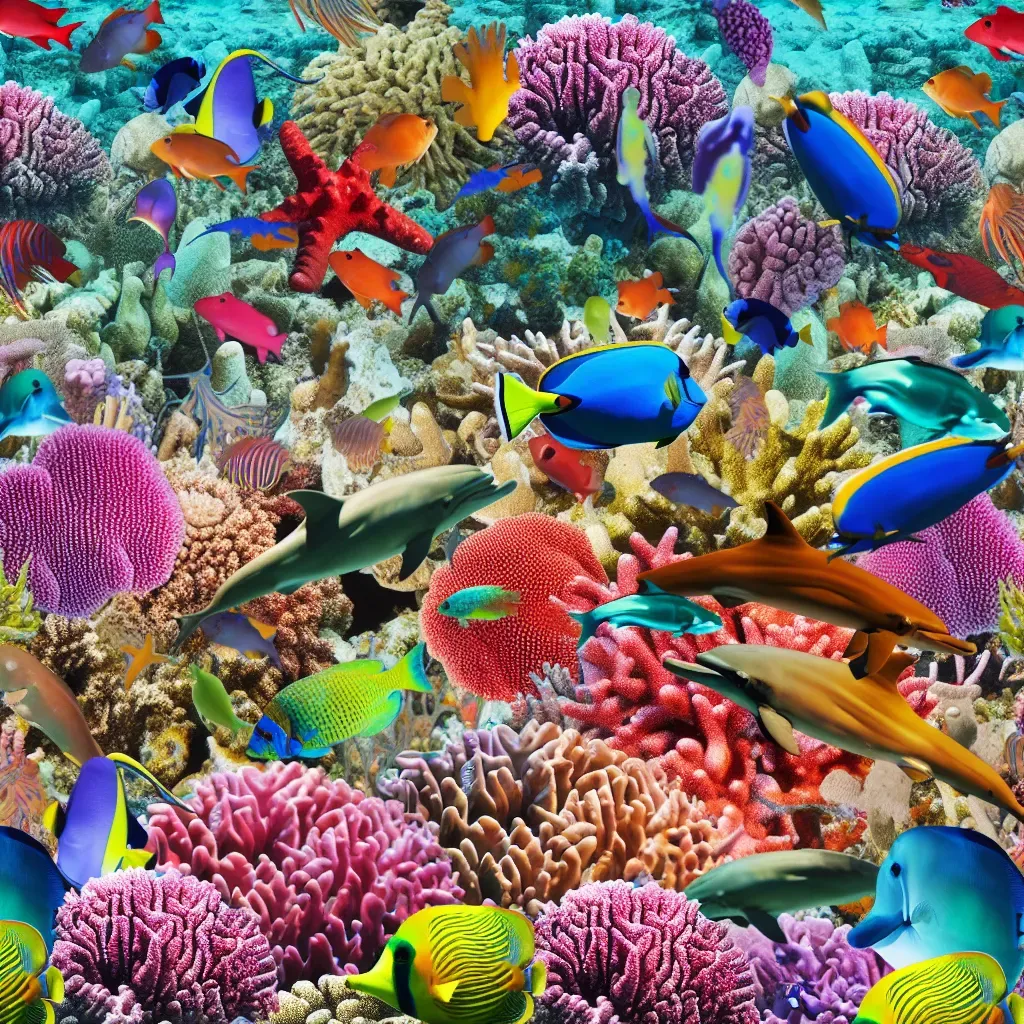
The Caribbean Sea is a vibrant ecosystem teeming with unique sea creatures that continue to fascinate scientists and enthusiasts alike. Recent explorations off the pristine coastlines of Caribbean islands have revealed breathtaking coral reefs and incredible biodiversity found nowhere else on Earth. These underwater havens, rich in aquatic life, house countless unique species still waiting to be discovered, from glowing jellyfish to unusual deep-sea fish. Expeditions to these coral reefs in the Caribbean have unlocked numerous discoveries, including a previously unseen underwater mountain range that supports diverse marine habitats. As researchers delve deeper into this aquatic wilderness, they unveil a treasure trove of ocean biodiversity that showcases the importance of protecting these fragile environments from growing threats such as climate change and pollution.
The aquatic wonders of the Caribbean Sea encompass an extraordinary variety of marine life and vibrant coral ecosystems. These underwater paradises offer a unique glimpse into the world of oceanic inhabitants, ranging from colorful fish to elusive invertebrates. Exploratory missions into these waters have led to astounding findings, such as the identification of an undiscovered underwater mountain range rich in unique species. As specialists strive to document marine biodiversity, they unearth gems of nature that highlight the necessity to preserve these coastal treasures. By understanding the intricate relationships between the sea creatures and their habitats, scientists can better advocate for the environmental protections essential in safeguarding our oceans.
Unveiling Caribbean Sea Creatures
The Caribbean Sea is home to an astonishing array of unique sea creatures that have captured the attention of researchers and marine enthusiasts alike. During recent expeditions, scientists documented numerous previously undiscovered species, including the fascinating pelican eel and the translucent barreleye fish. These discoveries highlight the critical biodiversity thriving in these waters, offering insights into the complex marine ecosystem and the necessity of its protection. With their vibrant colors and remarkable adaptations, these creatures not only enrich the aquatic environment but also draw interest in conservation efforts.
Understanding the full range of Caribbean sea creatures requires extensive exploration of their habitats, particularly the secluded areas around coral reefs. These coral ecosystems, often referred to as the ‘rainforests of the sea’, serve as vital breeding grounds and nurseries for marine life. Research expeditions have revealed that these reefs are among the healthiest in the Caribbean, showcasing resilience amidst the challenges posed by climate change. As scientists continue to document these unique sea creatures, the findings underscore the importance of preserving such rich biological diversity for future generations.
The Richness of Coral Reefs in the Caribbean
Coral reefs in the Caribbean serve as crucial landmarks under the ocean’s surface, showcasing a vibrant tapestry of life that is irreplaceable in its ecological function. Home to a multitude of marine species, these reefs are critical for maintaining ocean biodiversity. The recent expeditions have highlighted coral formations that are not only healthy but also relatively untouched by the pressing threats of climate change and pollution. This presents a unique opportunity for researchers to study these environments and understand what makes them resilient against the global decline often seen in coral ecosystems.
The findings from these coral reefs resemble an underwater garden, with colorful corals and marine life coexisting in harmony. The presence of thriving coral communities fosters a habitat for unique sea creatures to flourish, contributing to increased ocean biodiversity. Additionally, by mapping these rich coral environments, researchers can establish effective conservation strategies that protect these ecosystems. The continuance of healthy coral reefs is crucial not only for marine life but also for the livelihoods of communities that depend on fishing and tourism.
Exploration of Underwater Mountain Ranges
The expedition has unveiled the existence of a significant underwater mountain range, reshaping our understanding of ocean geography in this region. Rising dramatically from the ocean floor, these mountains provide a diverse array of habitats that support a variety of marine species. This additional topography influences ocean currents and nutrient flows, creating ideal conditions for marine biodiversity to thrive. Such underwater structures play a vital role in the ecological dynamics of the Caribbean Sea, fostering complex interactions among sea creatures and their environments.
The discovery of underwater mountains not only enriches our maps but also highlights areas rich in ocean biodiversity. Researchers have noted that these elevations attract unique sea creatures, ranging from colorful fish to intriguing invertebrates, expanding our knowledge about species distribution and ecosystem health. As scientists continue to explore these underwater mountains, they gather critical information that will inform future conservation efforts and management practices aimed at preserving these incredible underwater landscapes.
The Significance of Blue Holes
Blue holes are fascinating geological formations that represent some of the most intriguing features found in the Caribbean. These vertical sinkholes, characterized by their deep blue waters, are often seen as environmental ‘windows’ into the past, revealing a wealth of information about aquatic life and geological history. The recent findings of new blue holes during the expeditions highlight their potential significance in understanding marine ecosystems. Contrary to previous beliefs, these sinkholes may support unique species that have adapted to the extreme conditions found within, challenging our knowledge of ocean biodiversity.
Exploring blue holes gives researchers a rare glimpse into unique habitats that can host life forms not found elsewhere. Surprisingly, recent camera footage has uncovered various organisms, including sponges and fish species, inhabiting these depths, suggesting that blue holes might be critical to marine life adaptation. Protecting these environments is imperative, as they provide essential insights into marine biodiversity and climate resilience amidst changing ocean conditions. The discoveries made in these blue holes reflect the ongoing quest for knowledge about the ocean’s depths and its myriad of surprising inhabitants.
Mapping for Conservation Success
Accurate mapping of oceanic features is integral to successful conservation strategies, particularly in uncharted areas like the Caribbean. The expedition’s focus on enhancing navigation and understanding of the underwater landscape has been vital in identifying regions rich in marine biodiversity. Using cutting-edge technology, researchers have successfully mapped substantial portions of the seafloor, revealing habitats that support unique sea creatures and healthy coral reefs. This data is invaluable for establishing Marine Protected Areas (MPAs), integral to preserving ocean ecosystems.
Furthermore, detailed mapping contributes to better environmental management, guiding policies that benefit local communities reliant on marine resources. As scientists compile information about the depths and extents of marine environments, they bolster efforts to secure protections for these vital habitats. By understanding the geography of the ocean floor and its inhabitants, conservationists can advocate more effectively for the safeguarding of marine biodiversity, ensuring that the Caribbean remains a vibrant and thriving ecological treasure.
The Role of Local Communities in Marine Protection
Local communities play a crucial role in the conservation of Caribbean marine ecosystems. Engaging these communities in scientific endeavors not only fosters a connection between people and the sea but also encourages sustainable practices that benefit both the environment and local economies. By incorporating knowledge from local fishers and residents, as highlighted during the expedition, researchers have gained insights into the intricacies of local ecosystems, leading to more effective conservation strategies.
The involvement of indigenous knowledge in marine management reinforces community ownership of environmental stewardship. As scientists and local residents collaborate in the quest for biodiversity knowledge, the potential for creating sustainable fishing practices and protecting unique sea creatures increases exponentially. This partnership reflects the understanding that the health of marine ecosystems directly correlates with the well-being of the communities that inhabit coastal waters, thus emphasizing the interdependence of human and ocean health.
Understanding Ocean Biodiversity Challenges
The ongoing challenges posed by climate change and pollution present significant threats to ocean biodiversity, particularly in delicate ecosystems like those found in the Caribbean. As ocean temperatures rise and coral reefs face disease, researchers are racing to understand the full extent of these impacts on unique sea creatures and their habitats. Findings from recent expeditions will not only inform about current species distributions but also forecast potential shifts in marine life due to environmental changes.
Additionally, the rapid degradation of marine environments calls for comprehensive research efforts to develop strategies that mitigate these threats. Concentrating on fragile areas such as coral reefs and unique underwater mountains can provide essential insights into resilience and adaptability. As scientists probe deeper into the mysteries of the ocean, the urgent need for global awareness and actionable steps to protect ocean biodiversity becomes increasingly clear, highlighting our collective responsibility to safeguard these invaluable ecosystems.
Future Research and Conservation Directions
The future of research in Caribbean marine environments is centered on building upon recent discoveries and expanding the understanding of ocean biodiversity. Ongoing studies aimed at cataloging the unique sea creatures and their interactions within ecosystems are essential to protect these organisms. Researchers advocate for long-term monitoring projects that can track changes over time, allowing for adaptive management strategies as environmental conditions evolve.
Furthermore, international cooperation is critical in addressing the challenges facing ocean conservation. By sharing knowledge and resources, countries can create robust protection frameworks that benefit not only their waters but the global ocean. Efforts to involve local communities in research initiatives highlight the importance of collaboration across different sectors, ensuring that the guardianship of these precious ecosystems is carried forward into future generations.
Frequently Asked Questions
What unique sea creatures were discovered during the recent expedition in the Caribbean?
The recent expedition in the Caribbean revealed several unique sea creatures including the enope squid, dragonfish, pelican eel, and barreleye fish. These discoveries expand our knowledge of ocean biodiversity and highlight the rich marine life existing in the Caribbean’s coral reefs.
How does the expedition enhance our understanding of coral reefs in the Caribbean?
This expedition provides critical insights into coral reefs in the Caribbean by documenting nearly 14,000 individual specimens and 290 different marine species, showcasing the region’s unique underwater ecosystems which are crucial for maintaining ocean biodiversity.
What is significance of the newly discovered underwater mountain range in the Caribbean?
The newly discovered underwater mountain range is significant because it contributes to our understanding of ocean topography and ecosystems. It supports diverse marine life and could be vital for future research on Caribbean sea creatures and their habitats, as well as offering protection from climate change impacts.
How can the expedition’s discoveries inform ocean biodiversity conservation efforts in the Caribbean?
The discoveries from this expedition can inform ocean biodiversity conservation efforts by identifying pristine areas that need protection. The data will assist in creating effective management plans and designated Marine Protected Areas to safeguard unique sea creatures and coral reefs in the Caribbean.
What role do deep-water reefs play in sustaining Caribbean marine life?
Deep-water reefs, or mesophotic reefs, play a crucial role in sustaining Caribbean marine life by providing a refuge from the impacts of climate change. These reefs are typically too deep for warming temperatures to damage, supporting diverse organisms and contributing to overall ocean biodiversity.
What are the benefits of mapping Caribbean sea creatures and their environments?
Mapping Caribbean sea creatures and their environments is essential for understanding ocean ecosystems, informing conservation strategies, and identifying areas rich in biodiversity. Such mapping helps in recognizing the importance of underwater regions and can guide sustainable fishing practices in the Caribbean.
Why is it important to protect the coral reefs and marine species discovered in the Caribbean?
Protecting the coral reefs and marine species discovered in the Caribbean is vital due to their role in maintaining ocean biodiversity. These ecosystems support a myriad of sea creatures, help regulate climate impacts, and contribute to the livelihoods of local communities reliant on fishing and tourism.
| Aspect | Details |
|---|---|
| Purpose of Expedition | Explore deep-sea habitats and document marine biodiversity in Caribbean waters. |
| Key Discoveries | Mapping of underwater mountains, blue holes, and diverse coral reefs with unique sea creatures including enope squid, dragonfish, pelican eel, and barreleye fish. |
| Conditions of Waters | Researchers faced challenges due to relying on outdated maps and faced extreme water pressure while exploring depths of up to 6,000 meters (19,700 feet). |
| Importance of Findings | The discoveries highlight the need for conservation efforts to protect these relatively untouched environments against climate change and pollution. |
| Future Implications | Research findings will assist in biodiversity management and fulfilling UN commitments to protect ocean environments by establishing Marine Protected Areas. |
Summary
Caribbean sea creatures are among the most fascinating and unique species found within our oceans, and recent explorations have unveiled a treasure trove of biodiversity in the depths surrounding the Caribbean islands. Scientists have discovered spectacular underwater structures, previously unknown marine life, and pristine coral reefs, highlighting the ecological importance of this region. Continued research is essential not only for enhancing our understanding of marine ecosystems but also for ensuring effective conservation efforts to protect these vital habitats from the impacts of climate change and pollution.