
Listen to this article
Cardamom farming is not just an agricultural endeavor; it’s an intricate dance with nature that requires dedication and skill. Known as the “queen of spices”, cardamom is highly valued for its aromatic flavor, making it a lucrative yet challenging crop to cultivate. Farmers must embrace sustainable farming practices, integrating modern technology in agriculture to enhance productivity and manage the complexities of cardamom cultivation. Effective pest management in cardamom is crucial, as the plants are vulnerable to diseases and pests that can devastate a harvest. As the demand for organic cardamom farming rises, growers are exploring innovative methods to produce this delicate crop while ensuring minimal environmental impact.
The cultivation of cardamom is often perceived as an art form, involving a comprehensive understanding of agricultural practices. This spice, often referred to as the aromatic delicacy, poses a significant challenge for farmers who seek to maximize their yields without compromising on quality. Different terms like spice farming and aromatic plant cultivation highlight the nuances of this market, underlining the necessity for farmers to adopt sustainable techniques that not only enhance productivity but also align with eco-friendly practices. As pest control strategies become more refined, particularly in managing the threats faced by cardamom, the shift towards organic methodologies presents additional opportunities for growth in this sector. Ultimately, the evolution of cardamom farming reflects a broader trend within agriculture, emphasizing the interconnectedness of technology, sustainability, and traditional knowledge.
Understanding the Challenges in Cardamom Farming
Cardamom is known as one of the most challenging crops to cultivate, primarily due to its sensitivity to external factors. The intricate nature of cardamom plants makes them prone to a variety of diseases and pest attacks that can devastate the crop with little warning. Farmers like Stanley Pothan emphasize the constant monitoring required, making it a daily labor of love. Extreme weather conditions can also drastically impact yield; last year’s harsh summer resulted in significant crop losses, highlighting the vulnerabilities in cardamom cultivation.
Moreover, cardamom farming entails a financial risk that can deter many potential growers. With prices soaring due to poor harvests, aspiring farmers face the dilemma of investing in a crop that may not yield returns, especially in unpredictable climates. This unpredictability demands a deep understanding of farming practices and the resilience to weather adverse situations. Thus, many turn to technology in agriculture to mitigate these risks and optimize their farming strategies.
The Role of Technology in Cardamom Cultivation
The integration of technology in cardamom farming is becoming increasingly essential for success. The Indian Cardamom Research Institute has developed digital solutions that enable farmers to monitor soil health and receive tailored agronomic advice through specialized apps. This technology not only provides real-time insights but also enhances farmers’ decision-making processes regarding pest management and irrigation, making it a crucial ally in modern cardamom cultivation.
Additionally, advancements such as more efficient drying methods have improved the quality of cardamom products. The introduction of heat-pump dryers has revolutionized the post-harvest process, enabling smaller farmers to produce high-quality spices without the need to rely on traditional wood-burning methods. This not only enhances the product’s marketability but also aligns with sustainable farming practices, highlighting a transition towards environmentally friendly solutions in the agriculture sector.
Sustainable Farming Practices for Cardamom
Sustainable farming practices are becoming increasingly important in the cultivation of cardamom, as farmers seek to balance yield with environmental stewardship. By implementing organic cardamom farming techniques, such as bio-pesticides and natural fertilizers, farmers can reduce dependency on chemicals while still maintaining their crop’s health. Innovative methods derived from ancient agricultural philosophies, like Vrikshayurveda, have proven successful for some growers, demonstrating that sustainability can go hand in hand with profitability.
Moreover, sustainable practices not only contribute to the health of the land but also assure consumers of the quality and ethical sourcing of their spices. As consumers become more aware of environmental impacts, there is a growing demand for organic products. Farmers transitioning towards organic methods may face initial challenges in pest management but can potentially reap higher rewards in the market for their eco-friendly cardamom.
Pest Management Strategies in Cardamom Farming
Effective pest management is critical to the health and productivity of cardamom crops. Given the plant’s vulnerability to pests, farmers must employ comprehensive pest surveillance and control measures. This includes not only the application of organic pesticides but also the adoption of integrated pest management (IPM) strategies that combine biological, cultural, and mechanical approaches. By understanding the lifecycle and behaviors of common pests, farmers can implement timely interventions that protect their crops without harming the environment.
The use of technology, such as mobile apps that provide disease alerts and pest identification tips, enhances the ability of farmers to manage these threats proactively. Such precautions are invaluable, especially as climate change affects pest populations and farming conditions. By effectively applying these pest management strategies, cardamom farmers can increase their crop resilience and improve yields, ultimately making their farming operations more sustainable.
The Future of Cardamom Farming: Innovations and Developments
As research continues into developing hardy cardamom varieties through advanced breeding techniques, the future of cardamom farming looks promising. Scientists are investigating genetic markers that can indicate desirable traits such as pest resistance and higher yield potential. These innovations could transform how cardamom is cultivated, reducing reliance on harmful chemicals and helping to manage the impacts of climate variability.
Furthermore, emerging technological solutions can enhance efficiency in farm management. Robotics and automation are gradually being introduced into the agricultural sector, and while their application in the delicate process of cardamom harvesting is limited, interest in developing automated solutions is growing. The combination of scientific advancements and technology in agriculture may one day revolutionize the way cardamom is grown, harvested, and marketed, benefiting both farmers and consumers.
Labor Dynamics in Cardamom Cultivation
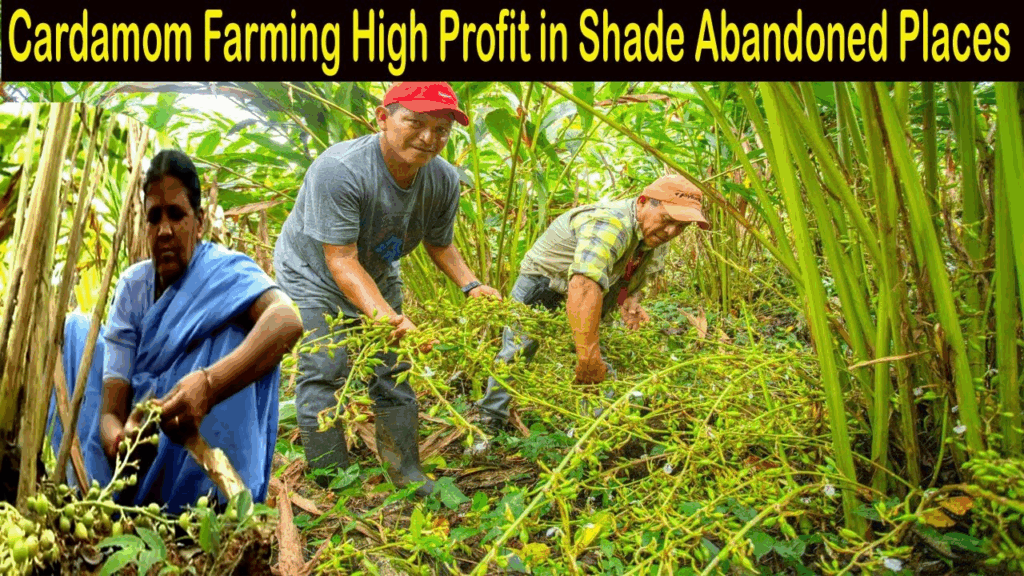
Labor remains a cornerstone of cardamom farming, contributing significantly to the overall cost of production. The task of harvesting is considerably labor-intensive and requires skilled workers who can deftly identify which cardamom capsules are ripe for picking. This skill is predominantly held by experienced women workers, who play a vital role in the labor force. Their expertise ensures that harvesting is done efficiently, which is critical for maintaining the quality of the spice.
Despite the increasing push towards mechanization, many aspects of cardamom farming still rely heavily on human labor. The complexity of harvesting and the careful processing of the crop demand a level of attention that machines often cannot replicate. As such, farmers face ongoing challenges in securing labor, especially in a market with fluctuating wages and a decline in rural workforce participation.
Cardamom Production and Market Trends
The global market for cardamom is becoming increasingly lucrative, driven by its high demand in culinary applications and the rise of health-conscious consumers seeking its unique flavors and purported health benefits. The recent surge in prices highlights both the value of the spice and the precariousness of its supply chain. As costs increase, producers must find ways to improve yield while maintaining quality to remain competitive.
Market trends favor producers who can adapt to changing consumer preferences, especially toward organic and sustainably produced cardamom. By investing in sustainable practices, farmers can differentiate their products in the marketplace, tapping into consumer segments willing to pay a premium for ethically sourced spices. Understanding and navigating these market dynamics is crucial for farmers looking to thrive in the evolving landscape of cardamom production.
The Importance of Soil Management in Cardamom Farming
Soil management plays a pivotal role in the successful cultivation of cardamom, given that the plant thrives in specific soil conditions rich in organic matter and nutrients. Farmers must engage in practices that ensure soil fertility, such as crop rotation and organic amendments like compost. Regular soil testing can help identify nutrient deficiencies and inform appropriate fertilization strategies, contributing to healthier plants and higher yields.
Additionally, sustainable soil management practices enhance not only the productivity of cardamom crops but also their resilience to climatic variations. As farmers implement technologies that provide data on soil health, they can make informed decisions that lead to sustainable farming practices that benefit both the crop output and the environment.
Challenges in the Supply Chain of Cardamom
The supply chain for cardamom can be fraught with challenges that affect both quality and pricing. From the moment cardamom is harvested to the point it reaches consumers, various factors can influence its journey, such as inefficiencies in processing and transportation routes. This often leads to discrepancies in the quality of the spice, which can impact market demand and prices.
Moreover, smaller farmers may find themselves at a disadvantage in negotiating with intermediaries, which can lead to reduced profitability. Addressing these supply chain issues requires investments in infrastructure and technology that can streamline processes and ensure that farmers receive a fair price for their produce.
Frequently Asked Questions
What are the best sustainable farming practices for cardamom cultivation?
Sustainable farming practices in cardamom cultivation include organic farming techniques, soil health management, and water-efficient irrigation methods. Techniques such as crop rotation, cover cropping, and integrated pest management can help maintain soil fertility and reduce chemical dependency.
How can technology in agriculture improve cardamom farming?
Technology in agriculture can significantly enhance cardamom farming through tools like soil health monitoring apps, disease alerts, and precision farming techniques. These tools enable farmers to make informed decisions regarding pest management and optimize their farming practices.
What is the importance of pest management in cardamom farming?
Pest management in cardamom farming is crucial due to the plant’s vulnerability to diseases and pests. Effective pest management strategies such as biological control, resistant varieties, and regular field inspections can help maintain crop health and yield, ensuring profitable harvests.
Is organic cardamom farming viable?
Yes, organic cardamom farming can be viable with the right knowledge and techniques. By utilizing traditional cultivation methods and reducing reliance on synthetic inputs, farmers can achieve sustainable yields and potentially better market prices for organic produce.
What challenges do farmers face in cardamom cultivation?
Farmers face numerous challenges in cardamom cultivation, including susceptibility to pests and diseases, unpredictable weather conditions affecting yield, high labor costs, and the need for continuous monitoring and intervention in the field.
How does climate change affect cardamom farming?
Climate change impacts cardamom farming by altering weather patterns, leading to extreme temperatures and erratic rainfall, which can adversely affect crop yield and quality. Farmers must adapt through resilient practices and possibly seek climate-resistant varieties.
What role do skilled laborers play in cardamom harvesting?
Skilled laborers are essential in cardamom harvesting, as the process requires precise knowledge of when the pods are ripe. Experienced workers can maximize yield and quality, making labor a significant part of the farming cost.
What are the benefits of using modern drying technology for cardamom?
Using modern drying technology, such as heat-pump dryers, enhances the quality of cardamom by preventing smoke infiltration and allowing for more consistent drying. This leads to better color retention and ultimately higher market prices for the product.
How can farmers monitor soil health for cardamom cultivation?
Farmers can monitor soil health for cardamom cultivation by utilizing mobile apps developed for agriculture. These apps provide tailored recommendations based on soil tests, helping farmers optimize nutrient management and overall crop health.
What innovations are being explored to improve cardamom varieties?
Innovations to improve cardamom varieties include genetic research aimed at developing crops resistant to diseases and pests, as well as drought-tolerant varieties. These advancements aim to boost productivity and resilience in changing climatic conditions.
| Key Points |
|---|
| Cardamom is a delicate and demanding crop, requiring constant attention from farmers. |
| Last year, cardamom prices surged by 70% due to poor harvests caused by harsh weather. |
| The Indian Cardamom Research Institute is helping farmers with technology for soil monitoring and pest management. |
| Research is focusing on developing hardier cardamom varieties that are climate-resilient and high-yielding. |
| Small farmers face challenges in drying cardamom pods, often relying on costly traditional methods. |
| Organic cultivation of cardamom is gaining traction, despite initial difficulties faced by new farmers. |
| Harvesting cardamom is labor-intensive, with skilled workers, mainly women, essential to the process. |
Summary
Cardamom farming is an intricate balancing act, where farmers must deal with the crop’s delicate nature and the challenges posed by varying weather conditions. As technology advances, tools that assist in soil health monitoring and pest control are becoming essential in ensuring fruitful harvests. Despite the significant potential profitability, the complexities involved in cultivating cardamom require dedication and know-how. With ongoing research aimed at developing hardier varieties and a growing interest in organic methods, the future of cardamom farming looks promising, yet it remains a labor-intensive venture demanding both skilled labor and a deep understanding of the crop.

