
Listen to this article
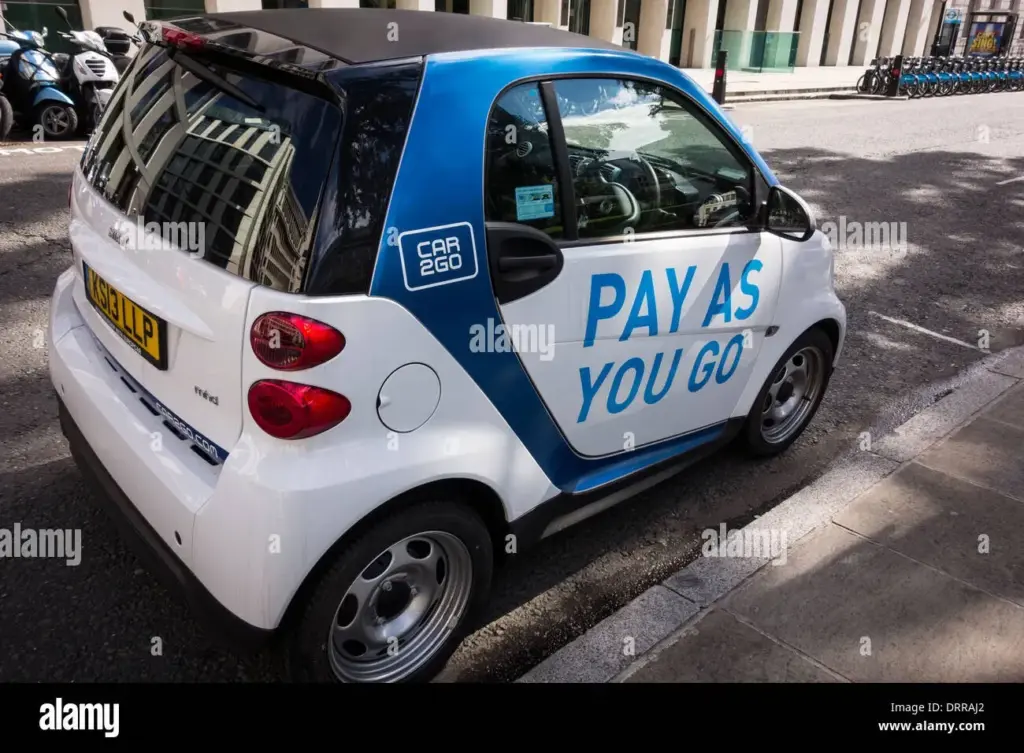
Car-sharing in London is poised for a transformative shift as several companies eye expansion opportunities following the planned closure of Zipcar’s operation in the UK. This development leaves a notable void in the car-sharing market of one of Europe’s most bustling cities, prompting rivals like Free2Move to seriously evaluate their entry strategies. Already successful in cities such as Berlin and Paris, Free2Move aims to tap into London’s unique transport landscape, where the population heavily leans towards public transport usage, minimizing conventional car ownership. Meanwhile, London car clubs and peer-to-peer car-sharing services, including Hiyacar and Turo, are gearing up to meet the rising demand, envisioning a stronger market presence in the wake of Zipcar’s exit. The latest industry insights suggest a bright future for car-sharing in London, albeit with challenges like navigating the complex licensing and parking regulations across its 33 boroughs.
The evolving landscape of vehicle sharing in London presents an exciting opportunity for residents seeking flexible transportation solutions. With various players in the game, including traditional car clubs and innovative peer-to-peer models, the capital is well positioned for a renaissance in shared mobility. As companies strategize their offerings to fill the gap left by major players like Zipcar, alternative platforms such as Free2Move are exploring ways to integrate their digital fleet solutions into the urban fabric. Additionally, the community-focused approach of platforms like Hiyacar and Turo aims to leverage existing car ownership for cost-effective rentals, fostering a shared economy. Collectively, these developments signal a vibrant future for collective transport options in one of the world’s most dynamic cities.
The Future of Car-Sharing in London
With the recent announcement of Zipcar’s closure in the UK, Londonites are left wondering what the future holds for car-sharing services in the capital. Experts indicate that the city, perceived as one of Europe’s most promising markets for car-sharing, stands at a pivotal moment. Companies like Free2Move and Enterprise Car Club are currently evaluating their strategies to fill the void left by Zipcar’s departure, reflecting a sustained interest in the London car-sharing market despite challenges.
London’s unique demographics—where a significant portion of the population relies on public transportation—pose both opportunities and hurdles for emerging car-sharing initiatives. While on one hand, the city offers a large potential customer base for services like peer-to-peer car sharing, the fragmented nature of regulations across its 33 boroughs could present significant barriers to entry. Companies need to navigate a complex landscape of parking restrictions, licensing variations, and fees that impact operational viability.
Examining the Impact of Zipcar’s Closure
Zipcar’s unexpected closure is a shockwave felt across the UK car-sharing market. This development not only affects the half a million users who relied on the service but also raises questions about the sustainability of other car clubs in the region. With the absence of such a well-known brand, there is a gap that presents both risks and opportunities for competitors. Many car-sharing advocates worry that this could deter investment or innovation in alternative solutions, particularly amid growing environmental concerns and shifts in urban mobility.
Companies like Co Wheels, as well as peer-to-peer platforms such as Hiyacar and Turo, are now poised to potentially capitalize on Zipcar’s exit. They are keen on increasing engagement with London’s residents and promoting the convenience and affordability that car-sharing provides. The closure sets a precedent for how other car-sharing companies reassess their market approach and collaborate with local authorities in managing fleet operations effectively.
Emerging Players in London’s Car-Sharing Market
As traditional models of car-sharing face challenges, newer entrants are emerging. Free2Move, backed by Stellantis, is eyeing the London car-sharing market but is still in the exploratory phase. By capitalizing on trends towards autonomous vehicles and smart mobility solutions, Free2Move believes that London could serve as an experimental ground for innovative models in shared transportation. Their focus remains on easing mobility through digital solutions, a stance that differentiates them from conventional car clubs.
Meanwhile, peer-to-peer car-sharing platforms are gaining traction in a landscape that favors flexibility and less financial overhead. Hiyacar and Turo are actively encouraging vehicle owners to list their cars, leveraging the growing demand for more adaptable rental solutions. This approach combats the significant costs associated with fleet management and allows these companies to scale their services more rapidly in London.
Navigating Regulatory Challenges for Car Clubs
Regulatory hurdles remain a significant impediment to car-sharing expansion in London. The city’s 33 boroughs each operate under distinct regulations, which can complicate the launch and operation of a car-sharing service. For instance, parking restrictions and zoning laws can severely limit where floating cars can be parked, a challenge that has previously hindered Zipcar’s operation in central boroughs like Camden. These constraints demand that new entrants be strategic in their approach to navigate the intricate web of local rules.
To foster a thriving car-sharing market, industry stakeholders, including shared transport advocates and local government agencies, must collaborate to streamline regulations. Proposals for unified processes across boroughs, coupled with reduced parking fees, could pave the way for smoother operations and greater market penetration. Addressing these regulatory issues is crucial, as successful adaptation could ultimately enhance the availability and attractiveness of car-sharing services for Londoners.
The Role of Technological Innovation in Car Sharing
Technology plays a pivotal role in the evolution of the car-sharing market, especially in dynamic cities like London. Companies are increasingly integrating mobile applications that simplify the car booking process, allow for real-time availability tracking, and facilitate contactless vehicle access. This technological shift not only enhances user experience but also reduces operational costs, enabling companies to adapt quickly to shifting market demands.
As urban mobility continues to evolve, the emphasis on digital solutions and data analytics will likely shape the future of car-sharing in London. Firms like Free2Move aim to leverage technology for fleet management and customer engagement, pushing towards fully digital mobility solutions. As competition intensifies, the effectiveness of technological innovation will define the success of car-sharing operators in attracting a loyal customer base.
The Expansion Possibilities for Peer-to-Peer Car Sharing
The peer-to-peer car-sharing model represents a nimble solution for urban consumers seeking alternatives to traditional car ownership. In London, platforms like Hiyacar and Turo are increasingly attractive options for those who may only need a vehicle occasionally. By allowing private car owners to rent out their vehicles, these companies can offer a flexible and cost-effective means of transportation, tapping into the shared economy trend.
With Zipcar’s exit, now is an opportune moment for these peer-to-peer car-sharing services to market themselves aggressively. The challenge ahead will be to increase their visibility and reliability among potential users while maintaining a seamless user experience. The key to expansion lies in successfully communicating the benefits of peer-to-peer options, emphasizing cost savings, convenience, and the ecological benefits of shared mobility.
Strategic Partnerships and Collaborations in Car-Sharing
Strategic partnerships between car-sharing companies and local authorities or businesses could revolutionize the London car-sharing landscape. By collaborating on projects that aim to improve public infrastructure or promote shared mobility solutions, these entities can foster a more welcoming environment for car-sharing initiatives. Co Wheels and Free2Move’s ongoing dialogues with London boroughs reflect an industry priority to cultivate relationships that will support long-term sustainability and growth.
Furthermore, partnerships could also involve integration with public transport systems to provide users with multi-modal transport options, improving accessibility across the city. Such initiatives can enhance the user experience by enabling seamless transitions between car-sharing and public transport, ultimately contributing to reduced congestion and pollution levels in urban areas.
Challenges Facing London’s Car Clubs and Startups
Despite the promising potential for car-sharing in London, several inherent challenges need to be addressed for the industry to thrive. High operational costs, stemming from fleet management and adherence to local regulations, complicate profitability, particularly for new startups entering the market. Existing players must navigate these hurdles while also being responsive to changing consumer preferences and the increasing demand for eco-friendly transport options.
In addition, the competitive landscape, with numerous players vying for market share, necessitates innovative marketing strategies and service offerings. Car-sharing organizations must differentiate themselves through unique value propositions such as exceptional customer service, membership benefits, and user-friendly technology. The ability to adapt and innovate in response to these challenges will be crucial for companies looking to establish a foothold in London’s evolving car-sharing market.
Empowering Londoners with Sustainable Transport Solutions
As the landscape of car-sharing in London evolves, there is a growing emphasis on sustainability and environmental consciousness. Londoners are increasingly seeking transport solutions that minimize their carbon footprint while maximizing convenience. Car-sharing offers a viable alternative to ownership, particularly in a city where emissions and congestion are pressing concerns. The shift towards shared mobility aligns with broader urban sustainability goals and encourages more people to reconsider their transportation habits.
By promoting car-sharing as a key component of a holistic approach to urban transportation, advocates can empower residents to make choices that benefit both themselves and the environment. Supporting initiatives that educate the public about the advantages of car-sharing—combined with efforts to enhance infrastructure—can encourage broader adoption and help position car-sharing as a cornerstone of London’s transport ecosystem.
Frequently Asked Questions
What are the current challenges facing the car-sharing market in London?
The car-sharing market in London faces several challenges, including the fragmented nature of licensing and parking regulations across its 33 boroughs. This makes it difficult for car clubs to operate smoothly, as seen with Zipcar’s issues of parking restrictions in central areas. Additionally, the recent closure of Zipcar’s UK operations has created uncertainty about the future of car-sharing services in the city.
How is Free2Move planning to enter the London car-sharing market?
Free2Move is actively monitoring the London car-sharing market and assessing potential opportunities for expansion. Their strategy includes adopting a long-term view focused on autonomous mobility solutions, indicating their interest in establishing a fleet in London once conditions allow for a viable entry.
Are peer-to-peer car-sharing services like Hiyacar and Turo expanding in London?
Yes, peer-to-peer car-sharing services like Hiyacar and Turo are considering expansion in the London market. These platforms connect existing car owners with renters, allowing for a less capital-intensive model compared to traditional car clubs. Both companies have expressed optimism about increasing their user base in London post-Zipcar’s exit.
What impact has Zipcar’s closure had on London car-sharing users?
The closure of Zipcar’s UK operations is expected to impact around half a million users, leaving a substantial gap in the London car-sharing market. This event may push users to explore alternative car clubs or peer-to-peer services as they seek reliable transportation options.
What opportunities exist for car clubs in London after Zipcar’s exit?
After Zipcar’s exit, there are opportunities for new car clubs and existing services like Enterprise Car Club and Free2Move to fill the void in the London car-sharing market. This could lead to increased competition and innovation as these companies seek to attract users looking for convenient, flexible transportation solutions.
What is the potential for autonomous vehicles in the London car-sharing market?
Experts believe that London is a promising market for autonomous vehicles, making it an attractive prospect for car-sharing services focused on this technology. Free2Move has noted that London’s advanced readiness for autonomous mobility presents exciting possibilities for future developments in car-sharing.
How can London boroughs improve the car-sharing landscape?
To enhance the car-sharing landscape, London boroughs could work towards a unified licensing process and reduce parking fees for car clubs. Initiatives to streamline regulations and create designated parking for car-sharing vehicles will attract more providers and improve overall accessibility for users.
What is the future outlook for car-sharing in London?
The future outlook for car-sharing in London remains uncertain yet hopeful, especially after Zipcar’s departure. Continued discussions among stakeholders, potential new entrants, and efforts to address regulatory barriers could lead to a revitalized and more robust car-sharing market in the city.
| Company | Current Status | Plans for London | Challenges |
|---|---|---|---|
| Free2Move | Monitoring London market | Considering market options | Fragmented licensing and parking restrictions |
Summary
Car-sharing in London is undergoing significant changes following the closure of Zipcar’s UK operation, leaving an opportunity for other companies to fill the gap. With players like Free2Move, Enterprise Car Club, Co Wheels, Hiyacar, and Turo stating their intentions to either enter or expand in the London market, the future of car-sharing in the city looks promising despite existing challenges such as parking restrictions and licensing issues across boroughs. The unique potential of London as a vibrant hub for car-sharing solutions underscores the need for coordinated efforts to overcome barriers and enhance options for alternative transportation.