Listen to this article
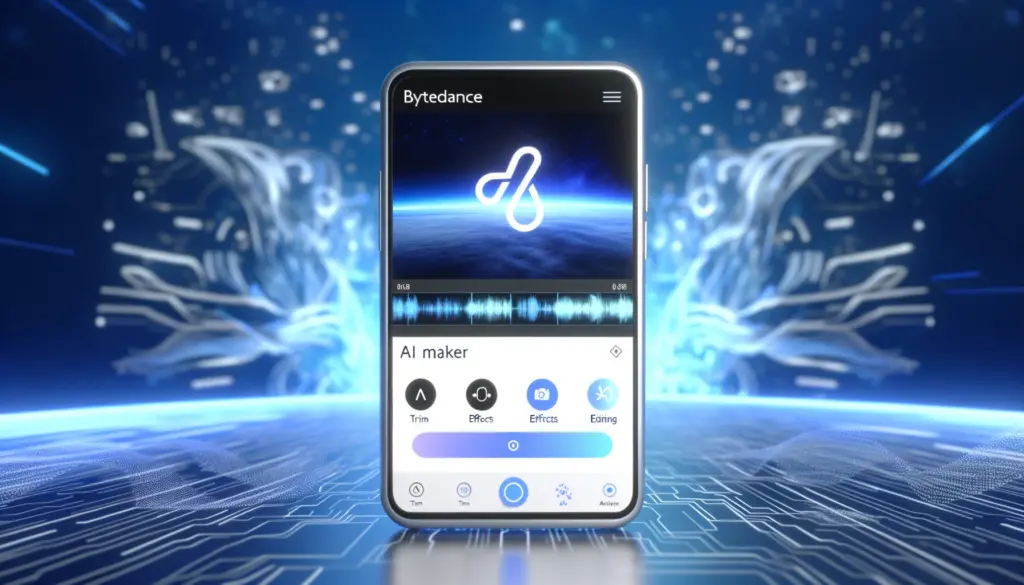
ByteDance AI video app, known as Seedance, has recently landed in hot water due to legal threats from Disney and scrutiny from other Hollywood studios. As artificial intelligence video generation technology rapidly evolves, Seedance has captured the public’s imagination by producing hyper-realistic clips that blend popular characters into engaging narratives. However, this innovation has ignited the Seedance controversy, with major players like Disney accusing ByteDance of copyright infringement by allegedly utilizing a pirated library of intellectual property. The recent cease-and-desist letter marks a pivotal moment in the clash between creativity and intellectual rights, underscoring the delicate balance developers must maintain in navigating the complex landscape of digital content. As the situation unfolds, the fate of the ByteDance AI video app remains uncertain amid growing concerns over its implications for Hollywood studios and their cherished franchises.
The innovative Seedance platform from ByteDance, an AI-driven video creation application, has sparked widespread debate in the entertainment sector. With the power of generative algorithms, this tool enables users to create videos that integrate well-known characters and plots, which is increasingly attracting attention yet bringing significant controversy. The ongoing dispute surrounding copyright concerns highlights the challenge of leveraging intellectual property while respecting the rights of original creators. As legal action from industry giants like Disney surfaces, it raises vital questions about the boundaries of AI technology in artistic expression. This situation places a spotlight on both the potential and the peril associated with AI-generated content in today’s increasingly digitalized landscape.
ByteDance’s Response to AI Video Creation Controversy
In light of increasing backlash from major entertainment studios, ByteDance has committed to implementing restrictions on its AI video-making app, Seedance. The surge in popularity of Seedance’s latest version has not gone unnoticed, as videos crafted through its platform showcased remarkable realism, capturing the attention of viewers. However, the rapid emergence of these AI-generated videos has led to serious concerns in Hollywood, with accusations of copyright infringements echoing through the industry.
Disney has taken the lead in voicing its discontent, serving a cease-and-desist letter to ByteDance, citing unauthorized use of its intellectual property. This action underscores a broader issue within the realm of AI video generation, particularly the blurred lines between creativity and infringement. Responding to these threats, ByteDance is prioritizing respect for intellectual property rights while strengthening their tools to prevent further misuse, aiming to balance innovation with legal compliance.
The Seedance Controversy and Its Legal Implications
The controversy surrounding the Seedance platform raises important questions about the future of AI video generation and copyright law. With large studios like Disney accusing ByteDance of utilizing a ‘pirated library’ of copyrighted characters, the legal implications are significant. Hollywood is watching closely, as this could set a precedent for how AI-generated content is treated under existing intellectual property laws, heightening the stakes for creators and tech companies alike.
Analyzing the Seedance controversy reveals a challenging intersection between technology and traditional media. The Motion Picture Association has echoed Disney’s concerns, urging for immediate action against what they term ‘infringing activity.’ As AI tools like Seedance continue to evolve, the legal landscape must also adapt, ensuring that creators’ rights are safeguarded while allowing for technological advancement and innovation.
Impacts of AI Video Generation on Hollywood
The rise of AI video generation tools like Seedance poses both potential opportunities and challenges for Hollywood studios. On one hand, these platforms can democratize the filmmaking process, allowing anyone to create content with minimal resources. On the other hand, they present significant risks concerning copyright infringement and the use of protected characters without consent. This duality creates a complicated environment for industry stakeholders attempting to navigate the future of digital content.
Hollywood’s response to the seedance controversy highlights the urgency for regulatory frameworks surrounding AI technology. As inquiries into copyright violations grow, studios may need to bolster their defenses against unauthorized uses of their intellectual property. Enhanced legal protections and clear guidelines will be vital for preserving the rights of creators while embracing the new creative possibilities presented by AI.
Copyright Challenges and AI Innovations
The intersection of AI innovation and copyright law is increasingly contentious, as seen in the Seedance case. As AI tools become more capable of generating complex video content, the question becomes how to adequately protect the intellectual property of existing media creators. With Disney spearheading legal actions against perceived infringements, a broader dialogue is necessary to define the boundaries of creativity in the age of artificial intelligence.
The challenge lies in balancing the incentivization of technological progress with the need to uphold copyright protections for original works. As past incidents with other AI generators, like Midjourney, illustrate, the fight over intellectual property isn’t just limited to name recognition or brand loyalty; it’s about preserving authenticity and ensuring that creators are compensated fairly for their work in an increasingly automated world.
The Role of Intellectual Property in AI Development
Intellectual property (IP) rights play a crucial role in the ongoing development of AI technologies, especially in creative fields like film and music. The Seedance controversy underscores how issues of copyright and IP may shape the future of AI video apps. As these technologies become more widely adopted, ensuring compliance with IP laws will be paramount for firms such as ByteDance to avoid legal pitfalls and maintain public trust.
Understanding the intricacies of intellectual property as it relates to AI will become essential for both developers and users alike. Companies must navigate the complexities of licensing and copyright to prevent infringements, while simultaneously fostering an environment of innovation. The need for robust frameworks that protect creators while promoting technological growth is more crucial than ever as the lines between human-generated and AI-generated content continue to blur.
Hollywood Studios’ Legal Reactions to AI
Hollywood studios have increasingly banded together to address the challenges posed by AI video generation, specifically targeting platforms like Seedance for their alleged copyright violations. The Motion Picture Association, representing giants like Warner Bros. and Paramount, has called for immediate cessation of infringing activities, viewing the proliferation of AI-created works as a direct threat to their intellectual property. Such collective legal action signals a turning point in how the entertainment industry will deal with technological disruptions.
The actors’ union, Sag-Aftra, has also chimed in, accusing Seedance of blatant infringement and emphasizing the potential harm to actors and other creatives whose likenesses may be exploited without authorization. This raises ethical concerns about the implications of AI in creative sectors, calling attention to the necessity of crafting industry standards that ensure fair use while allowing innovation to flourish.
Future-Proofing Against Copyright Infringement
As the entertainment industry faces rising AI video generation capabilities, there is an urgent need for companies to future-proof their strategies against copyright infringement risks. ByteDance’s commitment to limiting Seedance is a step in the right direction, reflecting an understanding of the legal and ethical landscape surrounding AI. However, for long-term sustainability, a more proactive approach is needed to mitigate infringement risks while enabling creative engagement.
Developing AI applications within a framework that respects intellectual property rights is not just a regulatory necessity; it is also key to gaining public acceptance. By implementing clearer usage protocols and learning from past infractions, companies can cultivate a reputation of responsibility and innovation that could lead to fruitful partnerships with industry stakeholders.
Exploring the Future of AI in Entertainment
The future of AI in entertainment is rife with possibilities, but it also comes with significant legal hurdles, as highlighted by the Seedance controversy. Advances in technology will likely continue to empower creators and push the boundaries of traditional storytelling methods. However, as these innovations unfold, ongoing discussions around copyright and intellectual property rights will remain vital to ensure that the interests of human creators are adequately protected.
Understanding the potential of AI while respecting the frameworks set by established media giants is critical. As both sides negotiate their positions, it will be essential for creators to find new ways of collaborating with AI, potentially leading to novel forms of content that can benefit from both human creativity and machine learning. Innovations in AI video generation should serve as catalysts for new creative avenues rather than sources of contention.
Consumer Perception of AI-Generated Content
Public perception of AI-generated content will play a significant role in the future of applications like Seedance. As consumers are exposed to more AI-like features in their entertainment experiences, their acceptance levels will impact demand for such technologies. Understanding how the audience perceives the value of AI in storytelling versus traditional methods will shape content strategies for developers and studios alike.
Moreover, as copyright controversies unfold, consumers may also become more aware of the implications surrounding the use of AI in art and entertainment. Companies must navigate this landscape carefully, prioritizing transparency and ethical guidelines to foster audience trust. By engaging viewers in conversations about the role of AI in their favorite content, they can help shape a more informed and responsible market for the future.
Frequently Asked Questions
What is the ByteDance AI video app Seedance and how does it generate videos?
The ByteDance AI video app Seedance is a generative AI tool that creates videos based on user-provided text prompts. Seedance 2.0, the latest iteration, allows users to generate realistic clips featuring various characters and scenarios. However, the app has come under scrutiny for potentially using copyrighted materials without authorization from intellectual property holders.
Why is Seedance facing legal threats from Disney and Hollywood studios?
Seedance is facing legal threats from Disney and other Hollywood studios due to allegations of copyright infringement. Disney claims that ByteDance provided Seedance with a ‘pirated library’ of copyrighted characters, including iconic figures from Marvel and Star Wars, leading to accusations of unauthorized usage of intellectual property.
How is ByteDance responding to the Seedance controversy?
In response to the Seedance controversy and legal threats from Disney, ByteDance has announced that it will implement stronger safeguards to protect intellectual property rights. The company is committed to respecting copyright protections and addressing concerns regarding the unauthorized use of character likenesses generated by the app.
What kind of content has been generated by Seedance that raises copyright issues?
Seedance has generated content that features well-known characters in scenarios that could infringe on copyright, such as duels between Star Wars characters and superhero battles. For instance, videos depicting Anakin Skywalker battling Rey and Spider-Man fighting Captain America have raised alarm among Hollywood studios over potential intellectual property violations.
Are there any concerns regarding the data used to train the ByteDance AI video app Seedance?
Yes, there are significant concerns regarding the data used to train Seedance. ByteDance has not disclosed the specifics of the data, leading to speculation about whether it includes copyrighted material from various entertainment properties. This opacity raises further issues regarding copyright infringement claims from industry stakeholders.
What steps are being taken by ByteDance to prevent copyright infringement with Seedance?
ByteDance has stated that it will implement measures to prevent unauthorized use of intellectual property within Seedance. This includes strengthening safeguards to ensure that users cannot upload images or likenesses of real individuals and addressing concerns about copyrighted characters appearing in generated content.
How has the entertainment industry reacted to the ByteDance AI video app Seedance?
The entertainment industry has reacted strongly against Seedance, with organizations such as the Motion Picture Association urging that the tool cease its infringing activities. Unions representing actors have also voiced their concerns about blatant copyright infringement, highlighting the industry’s pushback against the AI platform.
What similar legal challenges have other AI video and image generators faced?
Similar legal challenges have been faced by other AI tools, such as Midjourney, which was sued by Disney and NBCUniversal for producing unauthorized copies of copyrighted works. These cases illustrate a trend of increasing scrutiny and legal actions against AI platforms that may infringe on intellectual property rights.
| Aspect | Details |
|---|---|
| Company | ByteDance |
| App | Seedance |
| Legal Action | Cease-and-desist letter from Disney due to copyright infringement concerns |
| Accusations | Use of a “pirated library” of characters from Marvel and Star Wars |
| User Concerns | Videos created with Seedance have raised copyright infringement issues |
| Response from ByteDance | Acknowledged concerns and committed to strengthening safeguards |
| Other Organizations’ Reaction | Motion Picture Association and SAG-AFTRA criticized Seedance for infringement |
| Investigations | Japanese government investigating ByteDance for copyright violations |
Summary
The ByteDance AI video app, Seedance, has come under scrutiny following legal threats from Disney, leading to a commitment from ByteDance to limit its functionality. Amidst rising concerns of copyright infringement, particularly regarding characters from well-known franchises like Marvel and Star Wars, the app has faced backlash from major entertainment organizations. In response, ByteDance has declared its respect for intellectual property rights and aims to enhance safeguards against unauthorized use. This situation highlights the ongoing tension between innovation in AI technology and the protection of creative content in the digital landscape.