
Listen to this article
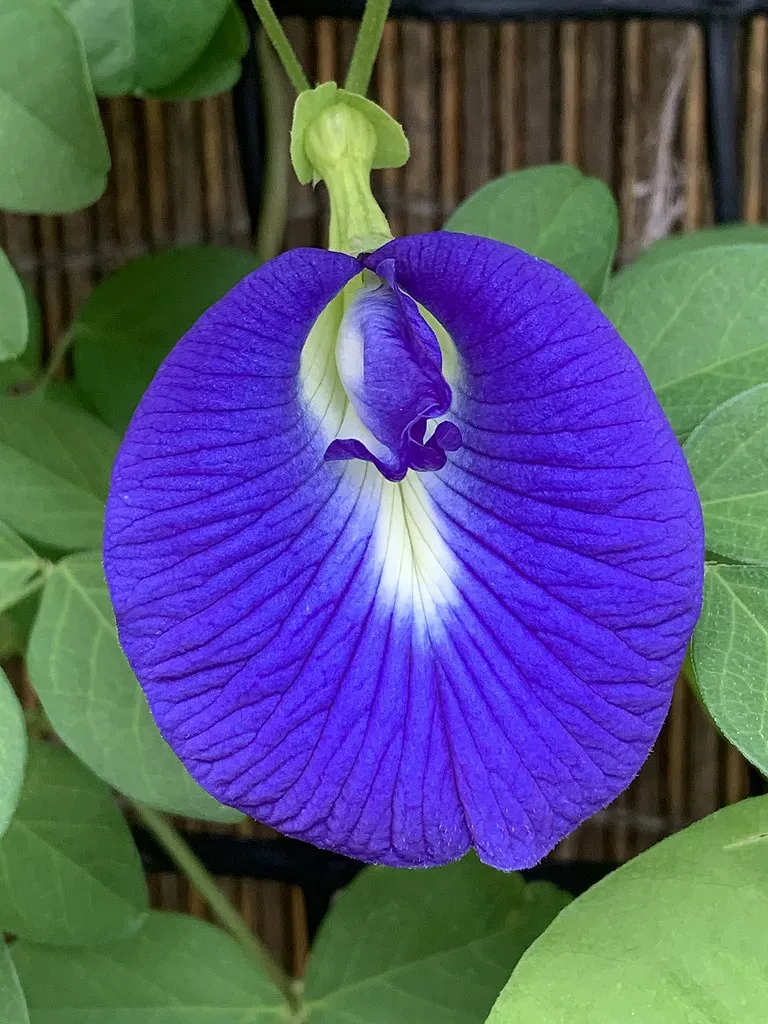
The butterfly pea flower, renowned for its striking blue hue, is more than just a beautiful climbing plant; it is a vibrant symbol of transformation for farmers in India. With a rising interest in butterfly pea flower benefits, many are discovering its potential in health and wellness, particularly through delightful brews like butterfly pea tea. This enchanting plant has captured attention not only for its aesthetic appeal but also for its exciting uses as a natural colorant in food and beverages. As people learn how to grow butterfly pea effectively, the flower is quickly becoming an integral part of sustainable agricultural practices. Join the trend of harnessing butterfly pea flower uses, as farmers across India turn traditional cultivation into thriving businesses, ensuring a brighter future for their communities.
Known scientifically as Clitoria ternatea and colloquially as aparajita, the butterfly pea flower is captivating the agricultural landscape in India with its astonishing vibrancy. This herbal gem has long been cherished for its vibrant blue petals and potential medicinal properties, leading to growing popularity as a natural colorant in culinary creations. With many seeking to explore how to cultivate this unique flower, it has become pivotal for farmers looking to diversify their crops and boost incomes. The emergence of butterfly pea tea in health markets is also drawing attention, with its reported benefits contributing to the flower’s allure. As interest in natural ingredients surges, the butterfly pea flower continues to shine brightly in the world of both agriculture and nutrition.
Understanding the Butterfly Pea Flower and Its Unique Characteristics
The butterfly pea flower, known scientifically as Clitoria ternatea, is a stunning blue blossom with a rich history in traditional medicine and culinary uses. This climbing vine is predominantly found across various regions of Asia, especially in India, where it has garnered attention both as an ornamental plant and for its versatile applications. Its vibrant color is often harnessed in food and beverages, where it not only serves as a natural dye but also adds aesthetic appeal to dishes and drinks.
In addition to its visual allure, the butterfly pea flower boasts an array of beneficial properties. Although research is still emerging, the flower is believed to contain antioxidants, which might help combat oxidative stress in the body. Additionally, studies suggest that consumption of butterfly pea flower tea may aid in relaxation and stress relief, making it a popular choice among those seeking natural remedies. Its increasing popularity highlights its potential as both a health aid and a sustainable farming option for rural communities.
Exploring Butterfly Pea Flower Benefits for Health and Wellness
The health benefits of butterfly pea flower have been gaining attention in nutrition and wellness circles. This enchanting flower is rich in anthocyanins, which are natural pigments known for their antioxidant properties. Research indicates that these compounds may support heart health and improve cognitive function. Further studies, including those involving human participants, have suggested that regular consumption of butterfly pea flower tea could aid in regulating blood sugar levels and enhancing weight management.
Moreover, the calming effects attributed to butterfly pea flower can be beneficial for individuals looking to reduce anxiety and improve sleep quality. The tea’s natural color-changing property, which transforms from blue to purple when mixed with lemon juice, adds an element of whimsy to its health benefits. As consumers increasingly seek natural and organic options, the butterfly pea flower presents itself as a viable alternative to artificial colorants, while simultaneously offering a range of health advantages.
How to Grow Butterfly Pea: A Farmer’s Guide
Growing butterfly pea is not only easy, but it also serves as an excellent choice for farmers looking to diversify their crops. This hardy plant thrives in various soils and prefers warm climates. To cultivate it successfully, farmers should plant the seeds in well-draining soil with ample sunlight, as the butterfly pea flower flourishes under direct light. Once established, the plant requires minimal care—regular watering and occasional fertilization can yield a bountiful harvest.
For those interested in commercial farming, it’s essential to consider the quality of seeds and the cultivation methods employed. Training in agricultural practices, such as irrigation management and pest control, can greatly enhance yield and flowering performance. Many entrepreneurs, like those working with THS Impex and Blue Tea, emphasize the importance of selecting vibrant, high-pigment flowers for processing, as these will yield the best results when dried for tea or dye production.
The Rising Popularity of Butterfly Pea Tea
Butterfly pea tea has surged in popularity in recent years, quickly becoming a favorite among wellness enthusiasts and health-conscious individuals. Not only does it boast a unique blue hue, but it also offers an array of potential health benefits. As consumers gravitate towards organic and natural alternatives, butterfly pea tea stands out due to its hypnotic color and soothing properties. Many cafes and health food shops around the world have begun to feature this tea as a signature drink, enhancing its reputation in the beverage market.
Additionally, the versatility of butterfly pea tea allows for creative culinary applications. From iced beverages to tonics, its ability to change color adds an intriguing visual element that captivates consumers. Recipes featuring butterfly pea flower are increasingly found on social media, showcasing its appeal among food bloggers and home chefs. As the buzz surrounding this tea continues to grow, so too does the importance of ethical sourcing and sustainable farming practices.
Utilizing Butterfly Pea Flower as Natural Colorants
The demand for natural colorants is on the rise, and butterfly pea flower has emerged as a frontrunner in this booming market. Unlike synthetic dyes, which can pose health risks and environmental concerns, this flower offers a vibrant, plant-based alternative for food and beverage manufacturers looking to create visually appealing products. With regulatory agencies approving its use as a food additive, butterfly pea flower’s profile as a natural colorant continues to gain traction.
Artisan producers and manufacturers are increasingly adopting butterfly pea flower for various applications, including confections, beverages, and even cosmetics. Its unique color-changing property—transitioning from blue to purple—can attract consumers seeking novel experiences in their food. With an emphasis on clean label products, the butterfly pea flower not only meets consumer demand for natural ingredients but also supports sustainable agricultural practices that benefit local farmers.
The Economic Impact of Butterfly Pea Flower Cultivation in India
The cultivation of the butterfly pea flower has significant economic implications for farmers in India. As more individuals recognize its potential for profit, especially when transformed into value-added products like tea and natural dyes, the flower has become an attractive crop option. For farmers like Pushpal Biswas, the financial benefits of switching from traditional crops to butterfly pea have led to increased income, land opportunities, and community collaboration.
Entrepreneurs are increasingly investing in butterfly pea cultivation, providing resources and training to farmers, thereby improving harvest quality and production techniques. These collaborative efforts ensure that farmers have access to modern agricultural practices, which are essential for achieving high yields and meeting market demands. As the industry continues to grow, the butterfly pea flower is poised to facilitate economic development in rural areas, transforming lives and building sustainable farming communities.
Challenges in Butterfly Pea Flower Farming and Solutions
Despite the growing interest in butterfly pea flower farming, several challenges persist. Farmers often face issues related to soil quality, pests, and access to markets. The lack of formal structures and classification for butterfly pea cultivation can lead to uncertainty regarding pricing and profitability. Education and resources are essential for farmers to navigate these obstacles effectively, ensuring they can fully capitalize on the butterfly pea’s potential.
To address these challenges, agricultural organizations and entrepreneurs are working together to provide training and support networks. By sharing best practices in irrigation management, pest control, and post-harvest processing, they empower farmers to increase the quality and quantity of their yields. Partnerships with local businesses create opportunities for sustainable growth and market access, fostering resilience in the face of agricultural challenges.
Future Prospects of the Butterfly Pea Flower Industry
Looking ahead, the butterfly pea flower industry holds promising prospects, particularly as consumer trends lean towards natural and health-oriented products. The flower’s unique properties make it an exciting addition to the food and wellness sectors. As research continues to explore the medicinal benefits of butterfly pea, its popularity is likely to grow, leading to increased demand for both dried flowers and value-added products such as teas and dietary supplements.
Moreover, the establishment of structured supply chains and pricing mechanisms can help stabilize the market, providing farmers with more predictable incomes. As more Indian entrepreneurs and agricultural initiatives advocate for sustainable practices, the butterfly pea flower could see its global presence expand significantly. This growth could positively impact rural economies, promote biodiversity, and pave the way for innovative agricultural practices.
Community Empowerment Through Butterfly Pea Flower Cultivation
The cultivation of the butterfly pea flower is not just an agricultural venture; it has become a vehicle for community empowerment, particularly for women in rural areas. As more women engage in butterfly pea farming, they are gaining financial independence and contributing to household incomes. This shift begins to change traditional gender roles and creates a supportive network among women farmers who share knowledge and resources.
Community collaboration is essential in maximizing the benefits of butterfly pea flower cultivation. Farmers working together can share best practices and marketing strategies, ultimately strengthening their position in the market. The success stories of farmers like Nilam Brahma and Pushpal Biswas highlight the transformative potential that butterfly pea farming holds, creating not only economic opportunity but also fostering a sense of community and collective achievement.
Frequently Asked Questions
What are the benefits of butterfly pea flower?
Butterfly pea flower is renowned for its potential health benefits, including antioxidant properties and improved blood sugar control. Research has shown that consuming butterfly pea tea may enhance sugar regulation in pre-diabetic individuals. Additionally, the flower is beneficial for skin health and has anti-inflammatory effects.
How can I grow butterfly pea flower at home?
Growing butterfly pea flower is simple and rewarding. Plant the seeds in well-drained soil and ensure they receive plenty of sunlight. Regular watering, especially during dry spells, will support growth. The plant thrives in warm climates, so aim to plant it during the spring or early summer.
How do you prepare butterfly pea tea?
To prepare butterfly pea tea, steep dried butterfly pea flowers in hot water for about 5-10 minutes. The tea will turn a vibrant blue. For added flavor and a color change, you can squeeze fresh lemon juice into the tea, which transforms the blue to a beautiful purple.
Can butterfly pea flower be used as a natural colorant?
Yes, butterfly pea flower is an excellent natural colorant. It is used in various culinary applications, including smoothies, desserts, and drinks, providing a striking blue hue without the use of synthetic dyes. Its color change reaction with lemon juice also makes it a popular choice for visually appealing dishes.
What are some popular uses of butterfly pea flower in cooking?
Butterfly pea flower is used in a variety of dishes, including tea, cocktails, and desserts. Its unique color and mild flavor make it a favorite for creating visually stunning beverages, such as butterfly pea lemonade or mixed drinks. It can also be incorporated into rice dishes for added color.
Are there any safety concerns regarding butterfly pea flower?
While butterfly pea flower is generally safe for consumption, it has been classified as a ‘novel’ food in the EU and UK, meaning it requires approval for broader use. Some sources have noted potential safety concerns, so it’s advisable to consult with a healthcare professional before extensive use, particularly for medicinal purposes.
What farming practices improve the yield of butterfly pea flower?
Adopting scientific farming methods such as proper irrigation management, quality seed selection, and controlled drying can significantly improve the yield of butterfly pea flowers. It’s also beneficial to grow the flowers in clusters and maintain good agricultural practices for better outcomes.
Where can I buy butterfly pea flower products?
Butterfly pea flower can be found in specialty tea shops, health food stores, and online marketplaces. Many brands are now offering dried flowers, tea bags, and even butterfly pea extracts, catering to the growing interest in this versatile plant.
| Key Point | Details |
|---|---|
| Origin and Growth | Butterfly pea flower grows wild across India and is known as aparajita. |
| Economic Impact | Farmers, like Nilam Brahma, are earning significant money selling the flowers for tea and dye. |
| Global Demand | Increasing global demand for natural colorants has spurred interest in the flower in India. |
| Quality Standards | Efforts are underway to improve quality standards and production techniques among Indian farmers. |
| Health Benefits | Some studies suggest potential health benefits, such as better sugar control for pre-diabetic individuals. |
| Community Impact | The cultivation of butterfly pea has fostered community development and business networks among farmers. |
Summary
The butterfly pea flower is not just a stunningly beautiful plant; it is transforming the lives of farmers in India. This unique flower is driving a new wave of entrepreneurship and economic potential in agriculture. As demand for natural colorants rises globally, Indian farmers are starting to cultivate and market butterfly pea flowers effectively, turning it from an ornamental plant into a lucrative business. Efforts to enhance farming practices and focus on the health benefits of butterfly pea only further its appeal, ensuring that this versatile flower is here to stay in the marketplace.

