
Listen to this article
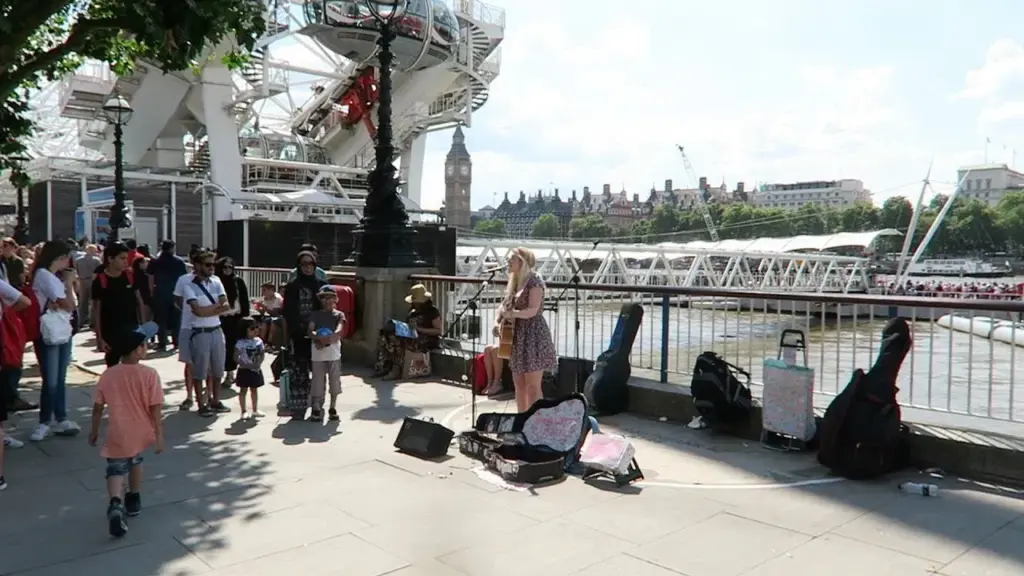
Busking in London has long been a vibrant part of the city’s cultural landscape, enriching its streets with the creativity of London street performers. However, recent reports indicate that this cherished tradition is under threat, as the decline of busking locations puts musicians’ livelihoods at risk and diminishes the cultural impact of busking in the capital. The Musicians’ Union has voiced concerns that the ongoing changes in busking laws in London are leading many performers to abandon their careers, contributing to a rise in musicians’ unemployment. As iconic spots like Trafalgar Square and Leicester Square become less accessible, the joy and energy that these artists bring to the city is fading. It’s crucial for the community to recognize the importance of supporting these performers before their unique contributions disappear from the urban soundscape.
Street performance in London, often referred to as busking, has historically been a dynamic form of artistic expression. From musicians serenading passersby to magicians captivating audiences, these entertainers play an integral role in making the city’s ambiance unique. Unfortunately, due to recent changes in regulations and pressures from surrounding businesses, the vibrant scene of street performers faces significant challenges. Many aspiring artists are experiencing a drastic decline in opportunities, which speaks to a broader concern regarding the cultural vitality that busking brings to London. As discussions surrounding the future of these performers intensify, it becomes evident that maintaining their presence is essential for the city’s cultural heritage.
The Cultural Impact of Busking in London
Busking in London is more than just a source of entertainment; it is a vital part of the city’s cultural landscape. Street performers, with their vibrant displays of music, art, and dance, contribute significantly to the dynamic atmosphere of iconic locations such as Trafalgar Square and Leicester Square. These performers provide not only a glimpse into the city’s artistic talent but also foster a sense of community, drawing in both locals and tourists. The cultural impact cannot be overstated, as these performances often reflect the rich tapestry of London’s diversity and creativity, enriching the experiences of all who visit.
Despite the vibrancy of London street performers, the decline of busking is concerning. With several established performance spots disappearing due to regulatory changes and competing interests, many musicians face the harsh reality of unemployment. This decline not only affects current performers but also stifles opportunities for emerging talents, particularly from working-class backgrounds, who traditionally relied on busking as a viable career pathway. The loss of these platforms diminishes the overall cultural vitality of the capital, creating a void that impacts both the arts community and the broader public.
Navigating Busking Laws in London
Busking laws in London are a complex web of regulations that aim to balance public enjoyment with the rights of performers and businesses. Recently, legal battles, such as the one involving Leicester Square, have resulted in stern restrictions on where and how street performers can operate. The court’s ruling that amplified busking in this area constituted a public nuisance has raised alarm among artists and advocates, who argue that such regulations stifle creativity and limit opportunities for local musicians. Understanding these laws is crucial for performers hoping to navigate the landscape while ensuring compliance.
Moreover, the Musicians’ Union has been vocal in advocating for fair regulations that allow buskers to thrive without undue limitations. The need for designated busking pitches and clear guidelines that support street performers is more critical than ever, especially considering the cultural loss associated with increased restrictions. While some council members express their support for street performers, the ongoing tension between commercial interests and public performances continues to shape the discourse around busking in London.
Challenges Facing London’s Street Performers
With the tightening of busking laws and the loss of traditional pitches, many street performers in London are encountering significant challenges. Musicians like Serena Kaos have shared their distress over losing access to reliable venues, which are essential for establishing a sustainable career in music. The closure of prime busking spots like Trafalgar Square during events, such as the Christmas market, adds to the struggle, forcing many performers to reconsider their options and, in some cases, abandon their craft entirely. This precarious situation leaves many talented musicians grappling with uncertainty over their future.
Furthermore, the cultural vandalism described by artists and audiences alike reflects a misalignment in priorities. As the public increasingly voices their desire for live performances, the restrictions placed upon street performers contribute to a palpable sense of loss within the community. Musicians and enthusiasts argue for the need to preserve these artistic expressions, as they not only beautify the streets but also provide solace and entertainment in urban life. Without addressing these challenges, London’s rich tapestry of street performance may continue to unravel, leading to a diminished cultural identity.
The Decline of Busking and Its Consequences
The decline of busking in London highlights broader societal issues, particularly related to creativity and access to the arts. As performance spaces diminish, many talented individuals find themselves without the ability to earn a living from their craft. This affects not just the present generation of musicians but also future artists who may never have the chance to showcase their talents in public spaces. The ongoing decrease in visibility and opportunities may lead to a homogenized cultural landscape, where only commercially viable art forms thrive, sidelining local talent.
Additionally, this decline has economic implications for the city. Street performers attract tourists and locals alike, contributing to the vibrancy and economic activity in popular areas. Their absence may result in lower foot traffic, leading to reduced revenues for surrounding businesses. The cultural enrichment that buskers provide promotes a lively atmosphere, essential for maintaining London’s status as a leading cultural hub. Ultimately, addressing the decline of busking is vital not only for musicians facing unemployment but for preserving the overall cultural and economic health of the city.
The Future of Busking in London: Hope and Challenges
Despite the current challenges facing buskers in London, there is hope for the future of street performance in the city. The anticipation of the reopening of designated busking pitches such as Trafalgar Square in January offers a glimmer of optimism. Advocates for street performers continue to work tirelessly to engage with local councils and stakeholders to ensure that the rights and visibility of street artists are protected. This ongoing dialogue is crucial to fostering an environment where creativity can flourish, and artists are supported in their endeavours.
Moreover, there are calls for more inclusive policies that ensure designated space for busking and consideration of musicians’ rights within the urban environment. With the cultural fabric of London at stake, there is a growing recognition of the importance of preserving these performances. If policymakers prioritize the inclusion of street performers in cultural planning, London could emerge as a model for supporting creative expression, creating a thriving ecosystem where both artists and audiences benefit.
The Role of Advocacy in Supporting Street Performers
Advocacy plays a crucial role in the fight to protect busking as a legitimate and respected form of public performance in London. Organizations like the Musicians’ Union are essential in rallying support for street performers, highlighting the personal stories of those affected by the decline of available spaces. By bringing attention to the cultural and economic contributions of buskers, advocates aim to influence policy changes that would create more favorable conditions for street performance. This grassroots movement helps build a collective voice that can be instrumental in negotiating with local councils.
Additionally, awareness campaigns can educate the public about the significance of busking as an art form and a means of livelihood for many musicians. Encouraging the community to engage with street performances supports local artists and enhances the cultural richness of London. As advocacy efforts gain momentum, there is potential for renewed appreciation and support for buskers, ultimately leading to better recognition of their rights and the establishment of secure performance spaces throughout the city.
Community Support for Buskers in London
Community support has emerged as a vital component in sustaining buskers in London amidst ongoing challenges. Local residents and visitors often express their appreciation for street performers, recognizing their contributions to the vibrant atmosphere of public spaces. Initiatives such as petitions, fundraising events, and social media campaigns can mobilize public support, generating awareness around the plight of musicians and advocating for their rights to perform. This communal appreciation not only encourages performers but also fosters a collective identity around the preservation of London’s cultural heritage.
Moreover, collaborations between local businesses and street performers can lead to mutually beneficial arrangements that enhance the overall experience for visitors. For instance, cafes and shops may sponsor performances or create a welcoming environment for buskers, encouraging more foot traffic to their establishments while providing artists with a platform to share their talents. By harnessing community support, buskers can cultivate a sense of belonging and security, making their performances an integral part of London’s public life.
Impact of Technology on Busking
As technology advances, the landscape of busking in London is evolving, with digital platforms providing new opportunities for street performers. Musicians are increasingly using social media to promote their acts, attract audiences, and share their performances beyond the immediate location. This digital outreach can significantly enhance visibility and provide a supplementary income stream through online donations and merchandise sales. The rise of platforms like YouTube and Patreon has empowered artists to build a loyal fan base while diversifying their revenue sources.
However, this shift also poses challenges, as the reliance on social media may not fully substitute for the traditional live performance experience that buskers thrive on. Despite online presence, many artists lament the loss of in-person engagement and connection with their audience. The balance between embracing digital tools and preserving the authenticity of live performances will be crucial for the survival of busking culture. Ultimately, technology should complement rather than replace the cherished traditions of street performing in London.
The Importance of Licensed Street Entertainment
Licensed street entertainment is essential for ensuring that busking remains a viable and respected form of public art in London. By implementing regulations that require performers to obtain licenses, local councils can better manage public spaces, addressing concerns from residents and businesses while still supporting artists. These licenses establish a formal framework that enables performers to showcase their talents legally, providing assurance that they are working within established guidelines. Such measures not only protect the interests of street performers but also help to maintain the cultural vibrancy that buskers bring to the city.
Moreover, a system of licensing can help to mitigate issues related to noise and disruption, fostering a better understanding between performers and the community. By ensuring that busking is conducted responsibly, both artists and audiences can enjoy a harmonious experience in public spaces. Consequently, licensed street entertainment can serve as a model for effectively integrating creative expression into urban fabric, helping to preserve London’s cultural identity while providing artists with the necessary support to thrive.
Frequently Asked Questions
What are the current laws regarding busking in London?
Busking laws in London vary by borough. Generally, performers must obtain a license to busk in designated areas. Westminster City Council, for example, has specific regulations and has limited areas like Leicester Square for amplified performances, leading to a significant decline in busking opportunities.
How has the decline of busking affected London street performers?
The decline of busking in London is significantly impacting street performers. Many musicians, like Serena Kaos, have had to abandon their careers due to losing access to traditional performance spots. This loss threatens the cultural vibrancy of the city and limits opportunities for emerging artists.
What is the cultural impact of busking in London?
Busking in London plays a crucial role in the city’s cultural scene, contributing to its diversity and vibrant atmosphere. The decline of this practice not only affects current musicians but also diminishes opportunities for future performers, particularly those from working-class backgrounds.
Are there designated busking pitches in London?
Yes, there are designated busking pitches in London, such as the one in Trafalgar Square. However, these pitches may be temporarily unavailable, like during the Christmas market, which further affects street performers seeking regular locations.
What are the challenges faced by amplified performers in London?
Amplified performers in London are facing significant challenges due to strict regulations and bans in areas like Leicester Square, where a court ruling deemed amplified busking a public nuisance. This closure has left many performers without suitable venues.
How is the Musicians’ Union addressing the challenges of busking in London?
The Musicians’ Union is actively campaigning for better conditions for buskers in London. They advocate for performers to have access to key locations and work to raise awareness about the cultural importance of street performance in the capital.
Why is busking important for musicians’ unemployment in London?
Busking provides critical opportunities for musicians in London, especially those facing unemployment. It allows them to showcase their talent, earn income, and connect with audiences, contributing to their overall career development.
| Key Point | Details |
|---|---|
| Decline of Busking | Busking in central London is diminishing, with musicians like Serena Kaos expressing concerns over lost opportunities. |
| Impact of Christmas Market | The only designated busking pitch at Trafalgar Square is currently not available due to the Christmas market. |
| Musicians’ Union Advocacy | The Musicians’ Union is advocating for accommodations for buskers near seasonal stalls. |
| Cultural Loss | Kaos emphasized the cultural impact of losing spaces for working-class musicians to perform. |
| Leicester Square Ban | A recent court ruling categorized amplified busking in Leicester Square as a nuisance, which led to a ban. |
| Public Reaction | The public has expressed distress over the cultural loss due to the busking bans. |
| Council’s Position | Westminster Council recognizes the importance of busking, but aims to balance various interests. |
| Future of Busking | Trafalgar Square pitch is expected to reopen in January, but no guarantee exists for Leicester Square. |
Summary
Busking in London is facing a significant decline, posing a threat to the city’s vibrant cultural landscape. As established performance spaces disappear, many musicians, especially those from working-class backgrounds, find their opportunities dwindling. With recent bans in key areas like Leicester Square and temporary closures in Trafalgar Square, the future of busking seems uncertain. This cultural loss not only affects current performers but also impacts the next generation of artists.