Listen to this article
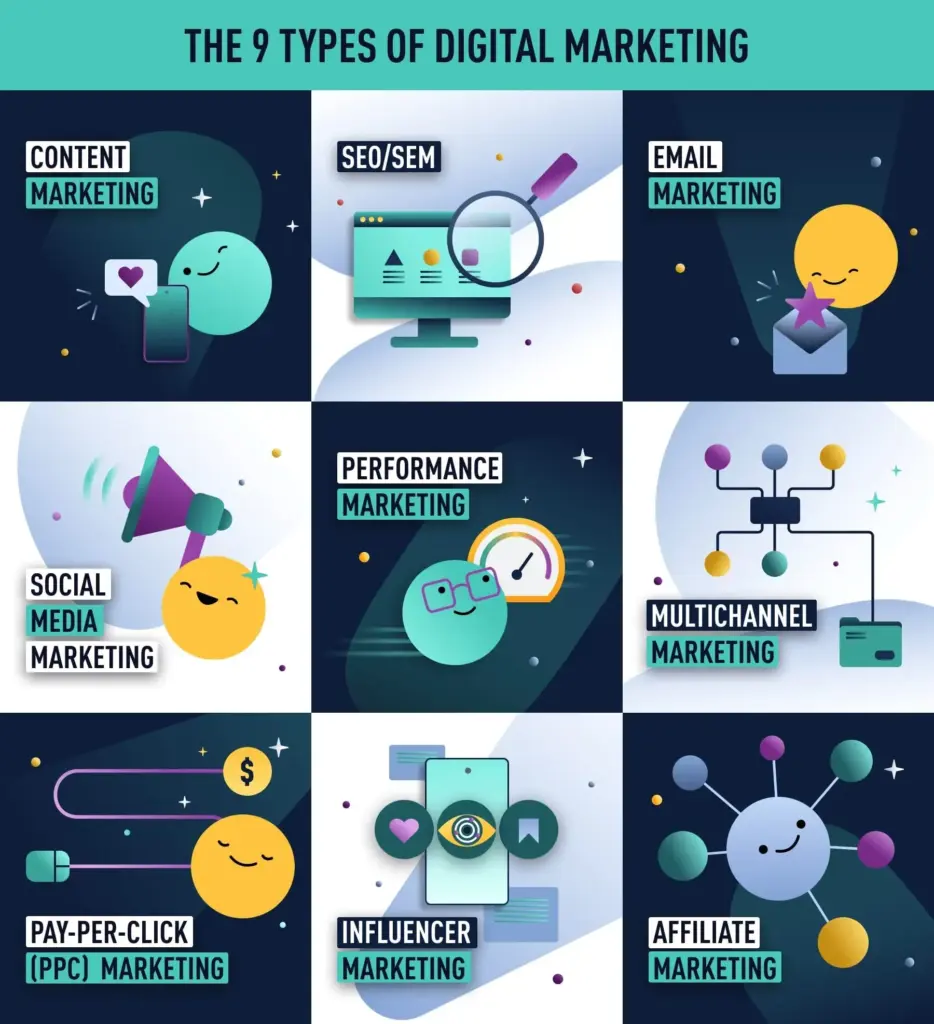
In the rapidly evolving world of business marketing strategies, staying ahead requires innovation and adaptability. As organizations navigate through the complexities of digital marketing, they must embrace various approaches like content marketing, social media marketing, and search engine optimization (SEO) to build successful engagement with their target audiences. These strategies not only enhance visibility but also foster meaningful connections that lead to customer loyalty. By integrating powerful tactics such as email marketing and influencer collaborations, businesses can effectively reach out and resonate with their consumers. Ultimately, the key to thriving in the competitive marketplace lies in understanding and implementing these strategic marketing methodologies.
When discussing the most effective methods for promoting a brand, alternative terms like promotional strategies or advertising approaches often come into play. Businesses today need to focus on a variety of tactics, including digital outreach, consumer engagement, and visibility enhancement. This signifies a shift from traditional methods to innovative solutions that capture the attention of target audiences, utilizing tools like pay-per-click advertising and interactive social media presence. As companies refine their marketing plans, the importance of understanding customers’ needs and preferences cannot be overstated. Thus, leveraging modern tactics is crucial for building robust brand loyalty and achieving long-term business success.
The Evolution of Business Marketing Strategies
In the realm of business marketing, strategies are constantly evolving in response to the rapid advancements in technology and changes in consumer behavior. Gone are the days when traditional marketing methods were the sole focus. With the emergence of digital marketing, companies now have an expansive toolkit at their disposal. Strategies that once dominated, such as print advertisements or cold calling, are being supplanted by more innovative techniques that harness the power of the internet. As businesses embrace this transformation, understanding how to integrate these modern marketing elements becomes essential for success.
An example of this evolution is the implementation of data-driven marketing strategies. Businesses can now analyze consumer behavior more closely, tailoring their approach to meet specific audience preferences. This targeted, consumer-centric focus leads to higher engagement rates and ultimately, conversions. As these marketing strategies continue to mold the landscape, businesses that adapt by embracing new technology and platforms are more likely to thrive in a crowded marketplace.
The Impact of Digital Marketing on Consumer Behavior
Digital marketing has dramatically changed how consumers interact with brands and make purchasing decisions. Today, consumers expect personalized marketing experiences that cater specifically to their needs. This shift is significant, as it requires businesses to analyze data meticulously, allowing them to understand their customers on a deeper level. Social media marketing, for instance, facilitates direct communication between brands and their audiences, enhancing customer relationships and building trust.
Additionally, the prevalence of online reviews and influencers has added another layer to consumer behavior. Customers are more likely to engage with brands that feature real-life testimonials and endorsements from trusted sources. This trend underscores the necessity for brands to adopt influencer marketing tactics to drive engagement and authenticity in their campaigns. Ultimately, understanding this impact enables businesses to develop effective digital marketing strategies that resonate with their target audiences.
Maximizing Engagement through Content Marketing
Content marketing remains a cornerstone of successful digital marketing strategies. By creating high-quality content that addresses consumer needs, businesses can establish themselves as authorities in their industry. Informative blogs, engaging videos, and visually stimulating infographics not only provide value to potential customers but also build brand loyalty over time. Striking the right balance between informative and compelling content is crucial as it fosters deeper connections with the audience.
Furthermore, leveraging SEO within content marketing can significantly enhance visibility. Optimizing content with relevant keywords and maintaining a focus on audience-centric topics improves search rankings and attracts more organic traffic. Additionally, integrating various content formats—such as podcasts alongside traditional blog posts—can cater to different consumer preferences, thereby widening the net for engagement and interest.
Effective Social Media Marketing Techniques
Social media marketing plays a pivotal role in modern marketing strategies, allowing businesses to build meaningful connections with their audience. With platforms such as Facebook, Instagram, and LinkedIn, brands can engage their followers through interactive content, fostering a sense of community. This interaction not only enhances engagement but also provides valuable insights into consumer behavior and preferences, which can be harnessed for future marketing efforts.
Moreover, consistent posting and timely responses to customer inquiries are vital components of effective social media marketing. By maintaining an active presence, brands can keep their audience informed and engaged. Utilizing tools such as polls and quizzes further encourages participation, transforming passive viewers into active participants. This two-way communication builds trust and reinforces customer loyalty, essential for long-term success.
Harnessing the Power of SEO in Marketing
Search Engine Optimization (SEO) is fundamental for any business aiming to increase its online visibility. By optimizing website content to meet search engine criteria, businesses can attract a larger share of organic traffic. Keyword research is crucial in this process, as it helps identify the phrases your potential customers are searching for, allowing you to tailor your content accordingly. A well-structured SEO strategy integrates both on-page and off-page tactics, bolstering overall search engine performance.
In addition to basic SEO practices, creating high-quality, shareable content enhances link-building opportunities, driving more traffic back to your website. As more reputable sites link to your content, your authority and visibility increase within search engine results. Adopting a customer-centric approach in SEO allows businesses to cater to the needs of their audience while improving overall satisfaction and engagement.
Direct Engagement through Email Marketing
Email marketing remains one of the most effective tools available for direct communication between businesses and customers. Unlike social media, where posts can get lost in a sea of content, emails land directly in the inbox, making them more personal and impactful. By segmenting your audience, you can tailor your messages to specific groups, ensuring that your content resonates with each recipient. This targeted approach drives higher engagement and conversion rates, making email marketing an invaluable strategy.
Moreover, personalization in email marketing can significantly enhance user experience. By addressing recipients by name and providing tailored content based on their previous interactions, businesses can foster a sense of connection and importance. A/B testing different email elements further allows marketers to gauge effectiveness, continuously improving their strategies to align with consumer preferences.
Building Brand Trust with Influencer Marketing
Influencer marketing has revolutionized how brands connect with consumers, leveraging the authority of established figures to increase credibility. Partnering with influencers who align with your brand values allows businesses to tap into audiences that might otherwise be inaccessible. Authentic endorsements can significantly bolster trust and encourage consumer engagement, enhancing the overall effectiveness of marketing campaigns.
Identifying the right influencers involves careful consideration of their audience demographics and engagement rates. Setting clear goals for what the collaboration aims to achieve—whether it is increased brand awareness or direct sales—ensures that the partnership is mutually beneficial. Long-term relationships with influencers can also yield sustained loyalty, driving continued engagement and enhancing brand presence in the market.
Frequently Asked Questions
What are some effective business marketing strategies for digital platforms?
Effective business marketing strategies for digital platforms include content marketing, social media marketing, SEO, email marketing, influencer marketing, and PPC advertising. Each strategy leverages online tools to engage customers, enhance visibility, and drive conversions.
How does content marketing enhance business marketing strategies?
Content marketing enhances business marketing strategies by creating valuable, informative content that builds brand authority, improves SEO rankings, and fosters customer loyalty. It includes various formats like blogs, videos, and infographics to engage audiences effectively.
Why is social media marketing important in business marketing strategies?
Social media marketing is crucial because it allows businesses to interact directly with their target audience, build community, and create brand awareness. Engaging content and customer service on platforms like Facebook and Instagram can strengthen customer relationships.
What role does SEO play in enhancing business marketing strategies?
SEO plays a vital role by boosting organic visibility and driving traffic to websites. By optimizing content and using effective keyword strategies, businesses can reach their intended audience, improve search rankings, and convert visitors into customers.
How can email marketing improve a business’s marketing strategy?
Email marketing improves business marketing strategies by facilitating direct communication with customers. Effective segmentation, personalized messages, and A/B testing can enhance engagement rates and drive higher conversion rates.
What is influencer marketing and how can it benefit business marketing strategies?
Influencer marketing involves collaborating with individuals who have credibility with their followers. This strategy benefits businesses by providing authentic endorsements, reaching established audiences, and enhancing brand trust, which leads to increased engagement and sales.
What are the advantages of using PPC advertising in business marketing strategies?
PPC advertising offers quick visibility on search engine results, allowing businesses to drive traffic to their sites instantly. By targeting specific audiences with engaging ad copy, companies can achieve high conversion rates and measurable results efficiently.
| Strategy | Key Points |
|---|---|
| Content Marketing | Establish brand authority through high-quality content; includes blogging, videos, and infographics. |
| Social Media Marketing | Engages audiences through direct interaction; utilizes consistent posting, interactive content, and customer service. |
| Search Engine Optimization (SEO) | Increases visibility through keyword research, on-page SEO, and backlinking. |
| Email Marketing | Direct communication with efficacy; involves audience segmentation, personalization, and A/B testing. |
| Influencer Marketing | Leverages established authority; requires identifying relevant influencers and setting clear goals for collaboration. |
| Pay-Per-Click Advertising (PPC) | Quickly drives traffic through targeted ad campaigns and optimized landing pages. |
Summary
Business marketing strategies play a pivotal role in how companies connect with potential customers in the digital age. Let’s talk directly: adapting your marketing approaches is not just an option; it’s a necessity. With a strong focus on content marketing, businesses can position themselves as industry leaders and attract the right audience. Social media offers a platform for fostering relationships and trust. And don’t underestimate the power of SEO—it’s your pathway to visibility. As you navigate through these various strategies, remember, each one complements the others, creating a cohesive approach vital for capturing and maintaining customer interest in today’s fast-paced environment.