Listen to this article
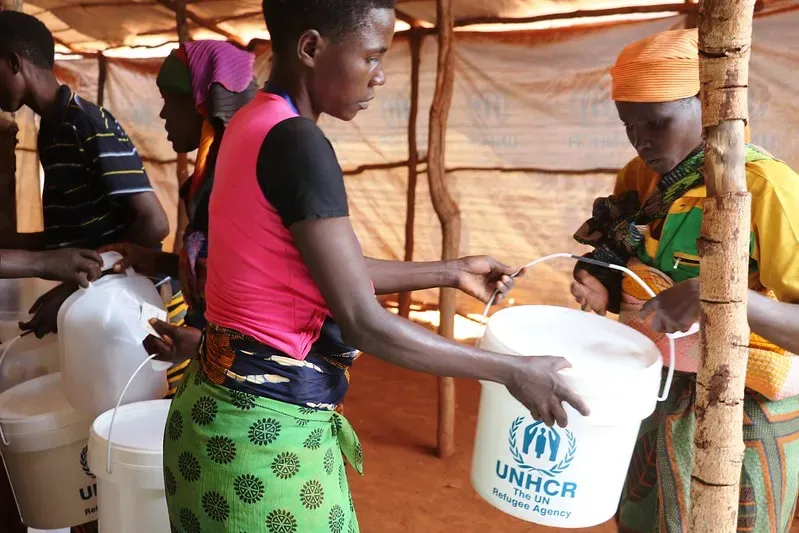
The Burundi refugee crisis has emerged as thousands flee the escalating violence in the Democratic Republic of Congo, seeking safety in overcrowded camps. With nearly 90,000 individuals displaced due to recent attacks by M23 rebels, these refugees face dire conditions, struggling with minimal access to essential resources such as food and clean water. Humanitarian organizations like MSF are stepping up their emergency assistance efforts, highlighting the grave humanitarian situation in Burundi where vulnerable populations, particularly women and children, are suffering immensely. As reports indicate an alarming potential for the spread of diseases, the urgency for sustained support from Burundi aid agencies grows ever more critical. The United Nations’ refugee agency is closely monitoring the situation as they work to alleviate the challenges faced by these displaced communities.
The ongoing humanitarian disaster stemming from the conflict in the Democratic Republic of Congo is seeing an alarming influx of refugees into Burundi. These individuals, many of whom are fleeing for their lives, find themselves in makeshift camps with scant resources and insufficient medical care. Aid organizations, including notable players like Médecins Sans Frontières, are deploying vital emergency operations to assist those affected amidst a deteriorating humanitarian landscape. As attention shifts to these vulnerable populations, the urgent call for support from international partners becomes critical to alleviate the suffering and ensure the safety of those displaced by violence.
The Growing Burundi Refugee Crisis: A Humanitarian Emergency
The Burundi refugee crisis has reached alarming proportions, as nearly 90,000 individuals have fled the escalating violence in the Democratic Republic of Congo (DRC). The influx of refugees into Burundi has created a humanitarian emergency marked by overcrowded camps and inadequate resources. Many displaced families are struggling to secure basic necessities such as food and clean water, compounding the dire situation further. The deteriorating living conditions in these camps are not just a temporary inconvenience; they pose a long-term threat to the health and wellbeing of these vulnerable populations.
Amid the chaos, humanitarian organizations, including respected aid agencies, have mobilized to provide support to those affected. Médecins Sans Frontières (MSF) is at the forefront of delivering emergency assistance, treating hundreds of individuals daily. However, with limited resources, these organizations are finding it increasingly challenging to meet the urgent needs of the displaced. The risk of infectious diseases like cholera and malaria looms large, making immediate intervention critical to prevent a public health crisis.
Impact of M23 Rebels on the Refugee Influx
The resurgence of violence due to the M23 rebels’ actions in eastern DRC has significantly impacted the refugee situation in Burundi. As the rebels swiftly captured strategic locations such as the city of Uvira, fears of further conflict prompted mass evacuations from previously stable areas. This sudden shift in control not only escalates violence but also results in a rapid displacement of families, many of whom have endured harrowing experiences during their flight. The humanitarian community is left grappling with the overwhelming needs of these newly displaced populations.
Despite reports of the rebels withdrawing from Uvira, the threat they pose remains. The local population is caught in a cycle of violence and uncertainty, leaving them susceptible to recruitment by armed groups and further displacement. As the international community assesses the situation, it becomes evident that without a comprehensive peace strategy and local stability, the plight of refugees in Burundi will persist. Aid agencies are calling for coordinated responses to address not just the immediate needs of food and medical assistance but also to confront the root causes of the conflict.
Challenges Faced by Aid Agencies in Burundi
Faced with an escalating humanitarian situation, Burundi aid agencies are struggling to respond to the urgent needs of displaced persons. With the sudden influx of nearly 90,000 refugees, humanitarian workers are overwhelmed by the sheer volume of individuals requiring assistance. Key organizations like the World Food Programme (WFP) and MSF are doing their best to provide food, medical care, and emergency services, but are hampered by funding shortfalls and resource limitations. The logistical challenges of delivering aid in overcrowded and unstable environments complicate their efforts further.
Agency representatives report that many resources, including medical supplies and food stocks, are dwindling rapidly. The urgent call for funding from the WFP highlights the precarious nature of the humanitarian response in this region. Moreover, without consistent support, the potential for an epidemic or a health crisis increases, as many refugees are already suffering from malnutrition and lack of access to healthcare. Sustainable solutions must be sought to not only relieve the immediate suffering but also to establish long-term support mechanisms for the refugees remaining in Burundi.
Health Risks Among Refugees in Burundi
One of the most pressing issues facing the refugee community in Burundi is health risks stemming from the current humanitarian crisis. As stated by MSF, the situation is dire, with refugees reporting symptoms of distress and exhaustion upon arrival. The lack of adequate shelter, clean water, and nutritional food has amplified the vulnerability of these individuals to various diseases, including cholera and malaria. With refugees including many pregnant women and young children, the urgency for medical intervention cannot be overstated.
MSF has been actively working to mitigate these health risks by providing on-the-ground medical services to those affected. The organization’s daily treatment of hundreds of refugees reflects a robust response to the urgent need for healthcare. However, more needs to be done to expand these services and prevent disease outbreaks in overcrowded camps. As international aid organizations race against time to implement health measures, it is clear that improving sanitary conditions and healthcare access is crucial to safeguarding the health of refugees in Burundi.
The Role of the International Community in Addressing the Crisis
As the Burundi refugee crisis unfolds, the role of the international community becomes increasingly vital to ensuring that humanitarian aid reaches those in need. Partnerships between governments and non-governmental organizations can prove effective in mobilizing resources and establishing infrastructure to support refugees. The involvement of international entities, such as the United Nations and global aid agencies, is crucial in coordinating relief efforts that address both immediate needs and long-term solutions for displaced populations.
However, navigating the geopolitical landscape surrounding the conflicts in the DRC and Burundi poses significant challenges for international action. Allegations of support for insurgencies and ongoing conflicts hinder effective intervention strategies. By fostering collaboration among different stakeholders, including regional governments and civil society organizations, collective efforts can be strengthened to enhance the aid response. The complexity of the situation necessitates a concerted approach to ensure not only humanitarian needs are met, but to also work towards lasting peace in the region.
Urgent Funding Needs for Humanitarian Assistance
The need for urgent funding has been a significant theme in the response to the Burundi refugee crisis. As the WFP and other aid organizations respond to the needs of over 210,000 vulnerable individuals, reports indicate dwindling resources that threaten the continuity of food and medical assistance. The WFP has specifically called for emergency funds to sustain their programs over the coming months, signaling a critical juncture in preserving the health and survival of refugees displaced by violence in the DRC.
The implications of inadequate funding are severe, as disrupted assistance could lead to worsening health outcomes and increased mortality rates in refugee camps. Agencies are pushing for international donors to step up their contributions, underscoring the humanitarian aspects involved in the refugee situation. Without adequate support, these agencies cannot fulfill their commitments to deliver essential services and maintain stability in refugee populations already enduring immense hardships.
Refugee Profiles: The Most Affected Groups
Among the hosts of those affected by the Burundi refugee crisis, certain demographics stand out as particularly vulnerable, including women, children, and the elderly. Reports from aid agencies indicate that many women have borne the brunt of the violence, often arriving in Burundi while pregnant or in need of special care. Children, who represent a substantial portion of the refugee population, are facing heightened risks of malnutrition and disease, exacerbating their already precarious situations. The focus on these groups is paramount in the aid response, requiring targeted interventions to secure their safety and wellbeing.
As described by MSF and other organizations, the need for gender-sensitive approaches in providing aid has become increasingly clear. With many women facing sexual violence or exploitation during their flight, tailored services providing healthcare and psychological support are essential. Ensuring both mental and physical health resources are accessible will contribute to the recovery and resilience of affected populations. Likewise, initiatives that support the education and development of children can be instrumental in breaking cycles of poverty and vulnerability that perpetuate the crisis.
Long-term Implications of the Crisis for Burundi
The ongoing refugee crisis poses significant long-term implications for Burundi, a nation already grappling with its challenges. With a rapidly increasing population due to the influx of displaced individuals, resources are becoming increasingly strained. The demands on healthcare, education, and social services could lead to socio-economic instability if sustainable solutions are not implemented. The potential for conflict over resources may also escalate as communities adapt to the new dynamics resulting from the crisis.
In this context, it is crucial for the Burundian government, along with international partners, to prioritize inclusive policies that promote integration and coexistence between refugees and host communities. Addressing long-term socio-economic needs via development aid could assist both refugees and local populations in rebuilding lives and fostering cohesion. Strategies that address root causes of displacement while promoting stability will be essential in mitigating the impacts of the crisis on Burundi’s future.
Moving Forward: Collaborative Approaches to Crisis Resolution
A collaborative approach is essential to address the multifaceted challenges posed by the refugee situation in Burundi. This involves partnership efforts from multiple stakeholders, including national governments, international organizations, and local civil society. The complexities surrounding the ongoing conflict in the DRC necessitate a united front to enhance diplomatic efforts and ensure humanitarian access. Understanding these dynamics, aid agencies are advocating for collaborative frameworks that support a more integrated response to crises and long-term stability.
Additionally, creating platforms for dialogue between conflicting parties and community leaders may foster reconciliation and peacebuilding efforts. By involving communities directly affected by the violence, interventions can be informed by local knowledge and tailored to specific needs. The path forward for Burundi hinges on the ability to build resilience and adaptability within both refugee and host populations, ultimately moving towards a future marked by peace and collaboration.
Frequently Asked Questions
What is the current humanitarian situation in Burundi due to the refugee crisis?
The humanitarian situation in Burundi is critical due to the influx of approximately 90,000 refugees fleeing violence from the Democratic Republic of Congo (DRC). Aid agencies report that these refugees are living in overcrowded camps facing dire conditions, with limited access to food and water.
How are Burundi aid agencies responding to the refugee crisis?
Burundi aid agencies, including MSF (Médecins Sans Frontières), are actively providing emergency assistance to refugees. MSF has treated around 200 individuals daily and is particularly concerned about vulnerable groups such as women and children suffering from malnutrition and medical emergencies.
What role do M23 rebels play in the Burundi refugee crisis?
The M23 rebels have significantly contributed to the Burundi refugee crisis by recently capturing the city of Uvira in the DRC, displacing hundreds of thousands of people. Their actions have exacerbated the humanitarian situation as individuals flee to Burundi to escape violence.
How are children and women affected by the humanitarian situation in Burundi?
The humanitarian situation in Burundi has severely impacted children and women, with UNHCR reporting that they are among the most affected groups. Many women have given birth during their escape, often under extreme conditions, while children face malnutrition and health risks.
What emergency assistance is MSF providing to refugees in Burundi?
MSF is providing crucial emergency assistance to refugees in Burundi, focusing on medical care for those in distress. They address urgent health needs, treating a range of conditions including childbirth complications, while also warning about the potential spread of diseases like cholera.
What is the World Food Programme’s role in assisting refugees in Burundi?
The World Food Programme (WFP) has stepped up its efforts to assist over 210,000 vulnerable individuals impacted by the refugee crisis from the DRC. They provide life-saving food aid, including hot meals for new arrivals at transit centers, amidst calls for urgent funding to support ongoing operations.
How does the conflict in the Democratic Republic of Congo affect the refugee situation in Burundi?
The ongoing conflict in the Democratic Republic of Congo, particularly the actions of the M23 rebels, has created a wave of displacement, leading to a surge in refugees seeking safety in Burundi. This situation has strained resources and exacerbated the humanitarian crisis faced by newcomers in Burundi.
What are the long-term implications of the Burundi refugee crisis for the region?
The long-term implications of the Burundi refugee crisis are concerning, as continued violence in the DRC may lead to sustained refugee flows, overwhelming local resources in Burundi. Additionally, if not addressed, the crisis could lead to increased health risks, economic instability, and further humanitarian needs.
| Key Points | Details |
|---|---|
| Refugee Numbers | Approximately 90,000 refugees have fled from the Democratic Republic of Congo to Burundi due to violence. |
| Conditions in Camps | Refugees are in dire conditions with overcrowded camps, limited food, and water access. |
| Impact on Vulnerable Groups | Children, women, and pregnant women are the most affected by the crisis. Some have gone without food for days. |
| Medical Response | MSF is providing emergency assistance and treating about 200 people daily, highlighting severe distress conditions. |
| Epidemic Risks | There are concerns regarding the potential spread of diseases like cholera and measles, and a rise in malaria cases. |
| WFP Assistance | WFP is ramping up aid for over 210,000 individuals, focusing on food assistance for the newly displaced. |
| Peace Efforts | The US has brokered a peace deal to address the conflict, with allegations of Rwandan support for the M23 rebels. |
Summary
The Burundi refugee crisis is a significant humanitarian emergency, as nearly 90,000 refugees fleeing violence from the Democratic Republic of Congo are currently facing dire conditions. With overcrowded camps and limited access to basic necessities such as food and water, the situation highlights the urgent need for assistance. Medical aid organizations like MSF are working tirelessly to provide care for vulnerable groups, particularly children and women. The threat of epidemic diseases looms large, complicating an already desperate situation, while the WFP is ramping up efforts to support displaced individuals. It is crucial that international attention remains focused on this crisis to mitigate suffering and prevent further deterioration.