
Listen to this article
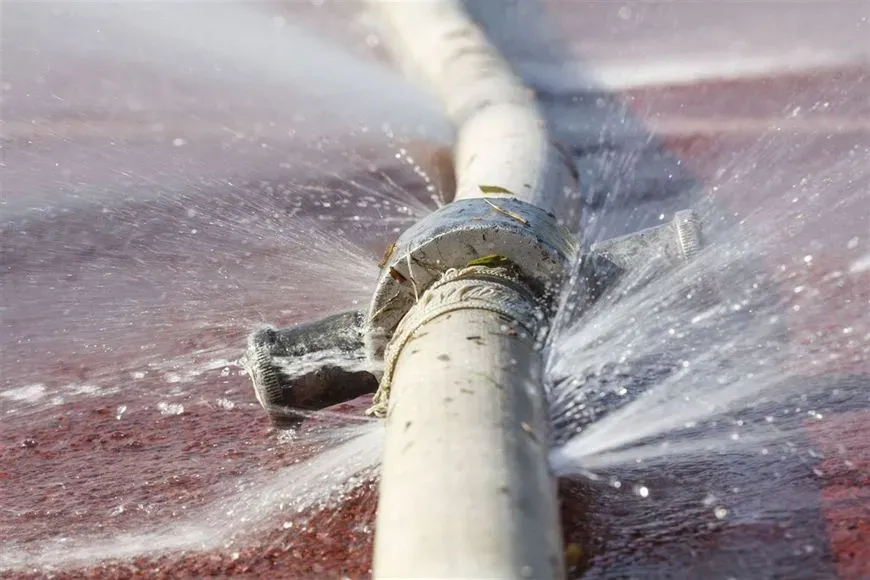
A burst water pipe in West London caused significant disruption, unleashing a torrent of water that spilled across the road for four long days. The dramatic incident, which occurred on January 9 at the intersection of Dartmouth Road and Walm Lane, led to severe road surface damage that left residents frustrated and irate. Video footage captured the impressive flow of water flooding Brent Road, forcing vehicles to navigate around the restriction as crews scrambled to respond. This unexpected event also resulted in significant traffic congestion due to the water pipe situation, highlighting the urgent need for swift Thames Water repairs. With freezing conditions contributing to an increase in similar incidents, the impact of burst pipes extends far beyond just property damage—affecting daily commuting and community life in West London.
When we discuss incidents like a burst water pipe, various terms come to mind, such as ruptured pipelines and water main failures. Recently, West London faced a crisis where a major water main failure resulted in extensive flooding and significant road interruptions. This type of pipeline rupture not only damages the infrastructure but can also create hazardous conditions for drivers and pedestrians alike. The incident exemplifies the challenges faced by utility companies in managing their systems, especially during extreme weather events. Therefore, understanding the multitude of consequences from such failures is crucial for residents, local agencies, and repair teams alike.
Understanding the Impact of Burst Water Pipes in West London
A burst water pipe can be a severe inconvenience for local residents, particularly when this incident occurs in a busy area like West London. The recent example of a water pipe bursting on Brent Road highlights not only the immediate inconvenience but also the potential long-term damage to infrastructure. A rupture can lead to significant traffic congestion, as cars are forced to navigate detours around the barricaded areas. Residents expressed concerns over the poor condition of the newly paved road, which suffered rupture due to this incident.
Beyond immediate structural damage, bursts can also wreak havoc on local water supplies, wasting large quantities of water and raising questions about the efficiency of response teams tasked with repairs. Thames Water has seen an uptick in such incidents, especially during periods of freezing conditions that make pipes more susceptible to breaking. Understanding the causes and effects of these inconveniences can help local councils and utility companies work towards more effective preventive measures.
The Aftermath of Burst Water Pipes: Thames Water’s Response
After a burst water pipe incident, Thames Water typically conducts an extensive response and repair operation. In regions affected by freezing temperatures, the likelihood of burst pipes increases significantly, prompting utility companies to prepare for a surge in repair requests. Their spokesperson recently emphasized the company’s commitment to restoring services promptly, despite facing record levels of demand for repairs. Customers are encouraged to report issues quickly, ideally using the Thames Water website, as call volumes rise.
Moreover, the community’s feedback is crucial during these events. Residents expressed frustrations about delays in repair efforts and felt that the response time should be quicker, especially given the severity of the situation. Thames Water aims to improve their response times and is working to enhance their emergency crews’ readiness. This feedback loop can help utility companies optimize their processes and serve communities more efficiently.
Traffic Disruptions Caused by Water Pipe Failures
Traffic congestion is a common consequence of water pipe failures, especially in busy urban environments like West London. When a pipe bursts, as it did on Brent Road, local authorities are faced with the challenge of rerouting traffic while addressing immediate safety concerns. The disruption not only affects vehicles but can also impede emergency services that require unobstructed access to roads. The long closure of Walm Lane, for instance, showcases the magnitude of road surface damage caused by the rushing water and the efforts required to mitigate the aftermath.
Efficient traffic management during such emergencies is critical. Local councils must balance prompt repair efforts with minimizing disruption, keeping in mind that every day a road remains closed, the burden on surrounding routes and public transport increases. Thus, partnership with utility providers like Thames Water can lead to better-prepared actions that can limit the duration of road closures and ease concerns of local residents affected by the infrastructure failures.
Preventative Measures for Burst Pipes during Winter
As freezing temperatures approach, it becomes vital for both utility companies and homeowners to take proactive measures against burst water pipes. In West London, Thames Water reported a rise in ruptured pipes, highlighting the need for awareness and preparation. Homeowners should consider insulating their plumbing and leaving faucets dripping during severe cold snaps to help alleviate pressure in the pipes. Additionally, local councils can promote community awareness programs to educate residents about the signs of freezing pipes and preventive steps.
On a larger scale, utility companies may conduct regular maintenance checks and reinforce older pipes to withstand adverse weather conditions better. Thames Water’s recent communication about increased repair efforts reflects the importance of addressing not only current issues but also taking steps to prevent future incidents. Implementing these measures can significantly reduce the risk of burst water pipes, ensuring a more reliable supply and minimizing disruptions in busy areas.
Road Surface Damage from Water Pipe Incidents
One of the often-overlooked consequences of a burst water pipe is the damage it inflicts on road surfaces. When water gushes onto roads like Brent Road, it can lead to significant erosion and compromising the integrity of recently paved surfaces. The recent incident in West London serves as a poignant reminder of how a single water main break can necessitate extensive road repairs, costing both time and money for local governments and utility companies alike.
In recognizing the broader implications of this damage, it becomes clear that timely repair of both the pipe and the road surface is critical. Not only does it restore normalcy for local traffic and residents, but it also helps prevent future accidents caused by deteriorating road conditions. Swift action from groups like Thames Water is essential to minimize the long-term consequences of such incidents on road safety and usability.
The Role of Community Feedback in Emergency Water Repairs
Community feedback plays a pivotal role in enhancing the effectiveness of emergency water repairs following incidents such as burst pipes. When residents voice their concerns, it not only highlights the urgency of the situation but also provides utility companies with valuable insights into communal needs and expectations. In the case of the Brent Road incident, residents expressed frustration over the delayed response from Thames Water, which could facilitate dialogue on how repair times and processes might be improved.
Additionally, engaging with the community can foster a sense of cooperation between utility providers and local residents. By encouraging proactive communication, Thames Water can better prepare for similar emergencies while also managing public expectations. This community-focused approach can lead to increased efficiency in repairs and, ultimately, enhanced trust in the services provided.
Traffic Management Strategies in Light of Water Pipe Bursts
Effective traffic management during water pipe bursts is crucial to maintaining public safety and minimizing disruptions. The closure of roads due to incidents like the Brent Road water pipe break creates significant challenges for both traffic control officials and commuters. Strategic traffic management plans, therefore, must be implemented swiftly to guide vehicles away from affected areas and restore flow as quickly as possible while repair work is underway.
Local authorities should consider incorporating technological solutions, like real-time traffic updates, to inform drivers about road closures and alternative routes. By actively managing these situations and keeping the public informed, councils can help minimize frustration for residents and commuters while ensuring that emergency services maintain access to critical areas.
Educational Campaigns for Preventing Winter Burst Pipes
As freezing temperatures become a more common hazard, implementing educational campaigns targeting local residents can be instrumental in preventing burst pipes during winter. Thames Water, alongside local councils, can facilitate workshops and distribute materials detailing preventative measures homeowners can take, such as insulating pipes and recognizing the early signs of freezing. These efforts can empower residents to protect their homes effectively.
Such campaigns also provide an avenue for addressing questions and concerns in real-time, allowing for greater community engagement and support. By fostering a culture of preparedness, utility companies can help mitigate the risk of burst water pipes, ultimately leading to reduced service interruptions and a more resilient urban infrastructure.
Assessing the Long-Term Consequences of Water Pipe Failures
The long-term consequences of water pipe failures extend far beyond immediate inconveniences. For communities like those in West London affected by recent ruptures, the repercussions can include extensive road repair costs, frustration among residents, and the potential for reduced property values due to repeated disruptions. Utility companies must take into account the broader implications of each incident to strategize better for the future.
In assessing these long-term effects, it becomes clear that a focus on preventative infrastructure maintenance is essential. Thames Water’s efforts to manage the increased prevalence of burst pipes must be accompanied by a commitment to improve and upgrade existing systems to prevent future failures. A proactive approach can not only save money in the long term but also enhance community trust and satisfaction with local services.
Frequently Asked Questions
What causes a burst water pipe in West London?
A burst water pipe in West London can occur due to various factors, with freezing conditions being one of the most common causes during winter. The expansion of water as it freezes can put immense pressure on the pipe, leading to ruptures. Additionally, aging infrastructure, sudden temperature changes, and excessive pressure from road surfaces can contribute to pipe failures.
How does a burst water pipe affect traffic congestion due to water pipe issues?
A burst water pipe can severely impact traffic congestion, especially in busy areas like West London. When a pipe bursts, it often leads to road closures and diversions to allow for repairs. For instance, the recent incident on Brent Road not only flooded the area but also required traffic to navigate around cordoned-off sections, amplifying traffic delays and disruptions.
What should residents do if they encounter a burst water pipe in their area?
If residents encounter a burst water pipe, they should immediately report it to their water service provider, such as Thames Water. Providing precise details about the location and extent of the issue helps in prompt response. For emergencies like a significant water leak, it’s critical to contact customer service as soon as possible, although high call volumes may cause delays.
What are the implications of freezing conditions on burst pipes?
Freezing conditions can lead to a notable increase in burst water pipes, as seen by Thames Water’s reports of record repairs in regions experiencing cold weather. When temperatures drop, water expands inside pipes, often resulting in cracks or complete ruptures. This necessitates swift repairs to minimize water waste and restore normal service.
How can a burst water pipe lead to road surface damage?
A burst water pipe can lead to significant road surface damage. The force of the escaping water can erode the pavement, causing it to rupture, as experienced in the Brent Road incident in West London. Freshly paved roads are especially vulnerable, as water erosion can quickly undermine the integrity of newly laid surfaces.
What steps is Thames Water taking to repair burst water pipes?
Thames Water is actively addressing the rise in burst water pipe incidents by deploying repair teams to affected areas. They emphasize the importance of safety and prompt repairs, taking into consideration the high volumes of calls and service requests. Residents are encouraged to report issues on their website for faster processing.
Why is it important to report a burst water pipe immediately?
Reporting a burst water pipe immediately is crucial to prevent further damage and water loss. Quick reporting enables water service providers like Thames Water to dispatch repair crews to resolve the issue, reduce traffic disruptions, and restore water service, thereby minimizing the overall impact on the community.
What are the common signs of a burst water pipe near my residence?
Common signs of a burst water pipe include unusual wet patches on roads or properties, pooled water, road surface ruptures, and decreased water pressure in your home. If you notice any of these signs, especially following freezing conditions, it’s advisable to report the issue promptly to your water service provider.
| Key Points | Details |
|---|---|
| Incident | A burst water pipe caused a river of water to flow down a road in West London. |
| Duration | The water flowed for four days before repairs began. |
| Location | The incident occurred at the intersection of Dartmouth Road and Walm Lane. |
| Resident Concerns | Residents complained about the road surface being damaged and the traffic congestion caused by the closure. |
| Repair Delay | Repairs did not start until Tuesday morning, despite the rupture occurring on Friday. |
| Thames Water Response | Thames Water reported an increase in burst pipes due to freezing conditions and is working on record repairs. |
Summary
The burst water pipe incident in West London highlights the significant disruptions that can occur due to infrastructure failures. A burst water pipe not only resulted in prolonged road flooding, but it also raised concerns about the responsiveness of repair services and the impact on daily commuter traffic. As the freeze-thaw cycles continue to challenge water systems, timely repairs and effective communication from utility providers like Thames Water are critical in managing public expectations and minimizing inconvenience.