Listen to this article
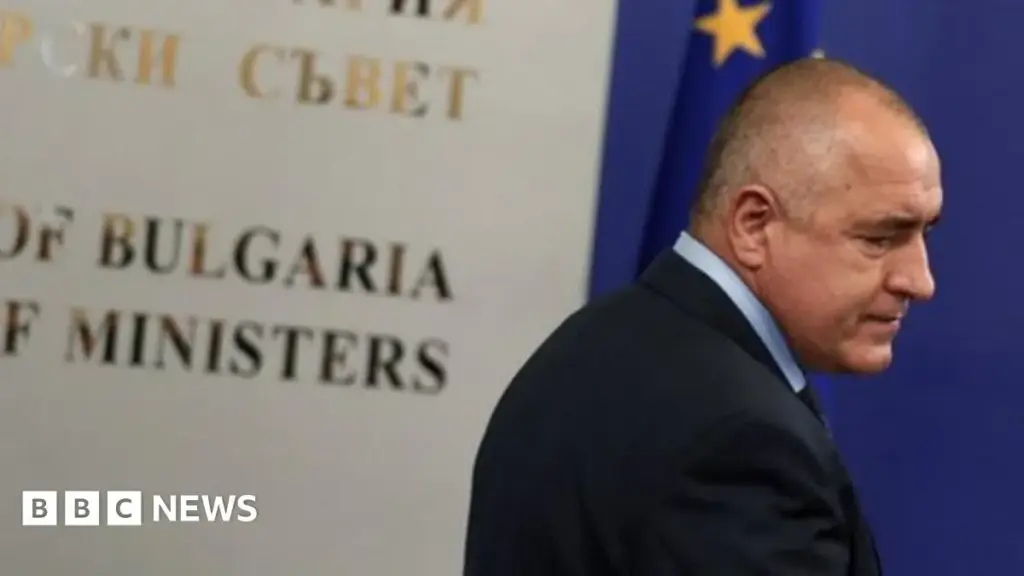
The recent Bulgarian government resignation marks a significant moment in the nation’s political landscape, triggered by widespread public dissatisfaction. Prime Minister Rosen Zhelyazkov’s administration stepped down after massive protests surged through cities, with thousands rallying in Sofia, the capital, demanding change and accountability. Accusations of government corruption fueled these mass protests in Bulgaria, as citizens expressed their frustrations over long-standing issues. Just days before a vote of no confidence was to take place, Zhelyazkov acknowledged the voices of the people in a televised address, emphasizing the necessity of civic engagement. This upheaval not only highlights the citizens’ demands for transparency and integrity but also underscores the shifting dynamics within Bulgaria’s political arena.
In light of the recent developments, the resignation of the Bulgarian government signifies a pivotal response to escalating civil unrest and demands for reform. Following a wave of protests against perceived corruption within the ruling coalition, citizens have taken to the streets in what can be seen as a powerful movement for political accountability. Prime Minister Zhelyazkov’s departure comes in the wake of mounting pressure from not only demonstrators but also broader societal calls for a more transparent governance structure. As Bulgaria moves forward, discussions on the implications of this governmental shift resonate with hopes for a transition to a more trustworthy political framework. The events unfolding highlight a pressing need for leadership that prioritizes the welfare of its citizens and demonstrates a commitment to eradicating corruption.
The Impact of Mass Protests on Bulgarian Politics
Recent mass protests in Bulgaria have dramatically reshaped the political landscape, culminating in the resignation of Prime Minister Rosen Zhelyazkov. Tens of thousands of citizens rallied in Sofia and other cities, raising concerns over government corruption and demanding accountability. Such demonstrations reflect deep dissatisfaction with the ruling party, pointing to a growing civic consciousness among Bulgarians. Activists and ordinary citizens alike have united under common slogans like “Resignation!” to demand substantial political reform.
The scale and intensity of these protests indicate a significant shift in public sentiment. Protesters not only targeted Zhelyazkov’s government for its alleged corrupt practices but also directed their ire toward powerful oligarchs such as Delyan Peevski and former Prime Minister Boyko Borissov. The ability of disparate groups to coalesce around a shared demand for government integrity suggests a decisive moment in Bulgaria’s democratic evolution. As mass protests continue to spread, political leaders must take heed of the populace’s demands if they wish to regain public trust.
Rosen Zhelyazkov’s Resignation: A Turning Point for Bulgaria
The resignation of Rosen Zhelyazkov marks a pivotal moment in Bulgarian politics. Having led a minority government characterized by a lack of popular support, Zhelyazkov’s departure comes as no surprise amid continuous public uproar over government corruption. His acknowledgement of the protests and the citizens’ collective voice reflect a shift towards understanding public discontent. This decision, made just before a parliamentary vote of no confidence, signifies that the political elite can no longer ignore the demands of the people.
Zhelyazkov’s tenure was marred by controversies, including a controversial budget plan that faced backlash prior to its abandonment. With citizens now feeling empowered to challenge the status quo, the call for a change in governance is louder than ever. Moreover, the call for the resignation of high-profile figures associated with corruption is a strong message to future leaders: genuine reform is essential for maintaining credibility and stability in Bulgaria.
Bulgarian Government Resignation – Implications to Follow on Eurozone Entry and Corruption Reporting
The recent government resignation in Bulgaria has raised questions about its implications for the nation’s impending entry into the Eurozone. Prime Minister Zhelyazkov emphasized the importance of stable governance leading up to this significant economic shift. With Bulgaria set to join the euro on January 1, the country must navigate its political turmoil carefully to ensure compliance with EU standards. The transition to the euro is crucial, and any political instability could threaten that process.
As the political landscape evolves, an urgent focus will be on how the new government addresses the widespread corruption perceptions highlighted by Transparency International. The new leadership must not only ensure a smooth transition into the Eurozone but also demonstrate a commitment to reforming Bulgaria’s governance. With public protests highlighting the need for accountability and transparency, the forthcoming administration will have to prioritize anti-corruption measures to regain the public’s trust.
Public Opinion and Coalition Politics Post-Resignation
The resignation of the Bulgarian government has stirred public discourse and undecided voters, particularly as coalition politics are scrutinized. With the recent protests against oligarchs like Delyan Peevski and former Prime Minister Boyko Borissov, it’s evident the public is weary of backdoor dealings and corruption. This resignation offers fresh opportunities for political coalitions based on transparency and compassionate governance as voters yearn for leaders who will prioritize the common good.
Future coalitions will be challenged to bridge the divides among citizens disillusioned by corruption and ineffective governance. The anger displayed at the protests can translate into a potent political force if addressed by the right entities with the ambition to implement genuine reforms. To mobilize public support, emerging parties must engage in open dialogues, crafting inclusive policies that respond to widespread grievances about corruption and governance.
Future Challenges for Bulgaria Amidst Political Unrest
As Bulgaria faces an uncertain political future following mass protests and government resignation, key challenges remain. One significant concern is how to maintain momentum for civic engagement and uphold the reformist agenda demanded by the public. The deeply rooted issues of corruption, as highlighted by citizen-led protests, need urgent attention from whatever government comes next. Failure to address these could result in further unrest or a disenchanted electorate, jeopardizing future political stability.
Additionally, Bulgaria’s path to the Eurozone will require a cohesive strategy that combines economic development with cleaning up corruption. As ministers remain in place until a new cabinet is formed, the interim period is critical for instilling confidence in the populace. A roadmap for cooperation, both within the political sphere and between the government and its citizens, is essential to mitigate existing tensions and to move towards a more hopeful, united future.
The Role of Civil Society in Promoting Change
Civil society has played a transformative role in advocating for change in Bulgaria amidst government corruption and political tension. The mass protests have galvanized numerous civic organizations to amplify their calls for transparency and accountability. Such movements empower citizens, underscoring that collective action can yield significant political implications, such as the resignation of a sitting government.
Moreover, civil society’s ability to mobilize diverse groups under a common cause suggests that public pressure can lead to tangible outcomes. As new leaders emerge from the political reshaping, the sustained influence of civil organizations advocating for ethical governance will be pivotal. This interdependency between civil society and government must be nurtured to foster a more democratic Bulgaria.
Looking Ahead: Bulgaria’s Political Resilience
Despite the current political challenges following the resignation of the Bulgarian government, the resilience of the democratic process remains a beacon of hope. The upcoming political reshuffle offers a chance for a new generation of leaders to step forward, making a commitment to tackling corruption and engaging meaningfully with the electorate. This resilience is vital for Bulgaria as it continues to navigate the complexities of EU integration and economic alignment.
Furthermore, as citizens demand accountability and reform, the expectation for genuine political change will not wane. It will be crucial for the next administration to embrace the lessons learned from recent protests and foster a government that listens to its people. Only through this approach can Bulgaria build a stronger political fabric capable of withstanding future challenges while ensuring the voices of its citizens are heard.
Frequently Asked Questions
What led to the Bulgarian government resignation of Prime Minister Rosen Zhelyazkov?
The Bulgarian government resignation, led by Prime Minister Rosen Zhelyazkov, was prompted by mass protests across the country, where thousands of citizens demanded accountability and condemned government corruption. The protests intensified just before a scheduled vote of no confidence, pushing Zhelyazkov to step down amid public outcry.
How did mass protests in Bulgaria influence the government’s decision to resign?
Mass protests in Bulgaria played a critical role in influencing the government’s decision to resign. Crowds of 50,000 to 100,000 people gathered in Sofia, calling for the resignation of Zhelyazkov’s government and denouncing corruption. This wave of civic engagement demonstrated the citizens’ demand for change, making it untenable for Zhelyazkov to remain in power.
What are the implications of the Bulgarian government resignation for the eurozone transition?
Despite the Bulgarian government resignation of Prime Minister Zhelyazkov, experts believe that Bulgaria’s transition to the eurozone remains on track. Zhelyazkov emphasized the need for authentic proposals from citizens for the future government, indicating a commitment to stabilizing Bulgaria’s economy as it prepares to join the euro on January 1.
Who are the key figures associated with the Bulgarian government resignation and protests?
The key figures associated with the Bulgarian government resignation include Prime Minister Rosen Zhelyazkov and influential oligarch Delyan Peevski, who has faced allegations of government corruption. Former Prime Minister Boyko Borissov also remains a focal point of public anger. Their roles have highlighted the ongoing struggles against corruption within Bulgarian governance.
What demands were made by protesters during the mass protests in Bulgaria?
Protesters during the mass protests in Bulgaria demanded the resignation of Prime Minister Rosen Zhelyazkov and targeted key political figures, particularly Delyan Peevski and Boyko Borissov. The slogan ‘Resignation! Peevski and Borissov Out of Power’ encapsulated their call for accountability and a government that addresses corruption effectively.
How does the resignation of the Bulgarian PM reflect the public sentiment on government corruption?
The resignation of Bulgarian PM Rosen Zhelyazkov reflects a significant public sentiment against government corruption. With protesters filling the streets and demanding accountability, it emphasizes widespread dissatisfaction with corruption’s pervasive nature within the government, culminating in a call for new leadership.
What challenges does Bulgaria face following the government resignation amid protests?
Following the government resignation amid protests, Bulgaria faces challenges regarding political stability and public trust in governance. As the country prepares for its eurozone transition, it must navigate these issues while addressing the concerns that led to the protests and ensuring a smooth formation of a new government.
| Key Point | Details |
|---|---|
| Government Resignation | Bulgarian Prime Minister Rosen Zhelyazkov resigns amid mass protests. |
| Protests | Thousands protested in Sofia, demanding the resignation of the government, with estimates between 50,000 and 100,000 people attending. |
| Corruption Allegations | Protesters accused Zhelyazkov’s government of widespread corruption, particularly targeting oligarch Delyan Peevski and former PM Boyko Borissov. |
| Political Context | The government was facing a vote of no confidence and had previously abandoned a controversial budget plan in response to protests. |
| Public Support | President Rumen Radev supported the protests, echoing calls for the government to step down. |
| Future Implications | Zhelyazkov emphasized the need for the new government to face significant challenges and require input from citizens for future proposals. |
Summary
The resignation of the Bulgarian government marks a significant moment in the country’s political landscape. Following mass protests driven by public discontent over corruption and ineffective governance, the Bulgarian government resignation underscores the challenges faced by the current political leaders. The widespread calls for change reflect a strong civic energy among citizens who are demanding reforms. Moving forward, it is essential for the new government to address these challenges and work towards building trust with the population.