Listen to this article
In recent weeks, Bulgaria budget protests have erupted across the nation, sparking a significant political shift as the government abandoned its controversial 2026 budget plan. These demonstrations, led by tens of thousands of citizens in Sofia and other cities, are fueled by widespread dissatisfaction over perceived government corruption and fears surrounding the proposed tax increases. As the country stands on the brink of adopting the euro, public opinion on euro adoption has become a pressing concern for many, who fear potential inflation amidst the budgetary turmoil. The protests have not only highlighted these financial issues but also ignited a call for accountability, with many citizens demanding an end to the current political establishment. Amid clashes and heightened tensions, the Bulgarian populace is united in their resolve to transform their future and fight against corruption that has plagued the government for years.
In light of recent unrest, Bulgaria’s fiscal framework has faced intense scrutiny from citizens who are advocating for transparency and change. The protests, characterized by large gatherings in major cities like Sofia, underscore a broader discontent with the political leadership amid growing concerns about government malpractice. As Bulgaria prepares to join the eurozone, the implications of these fiscal policies have far-reaching effects, resonating with anxieties over economic stability and the potential for inflation. Citizens are increasingly vocal about their demands for ethical governance and a systemic overhaul, with many rallying against the entrenched corruption that has hindered progress. These developments reflect a crucial moment in Bulgaria’s political landscape, where public sentiment is shifting dramatically against the backdrop of anticipated economic reforms and euro adoption.
The Impact of Bulgaria Budget Protests on Political Stability
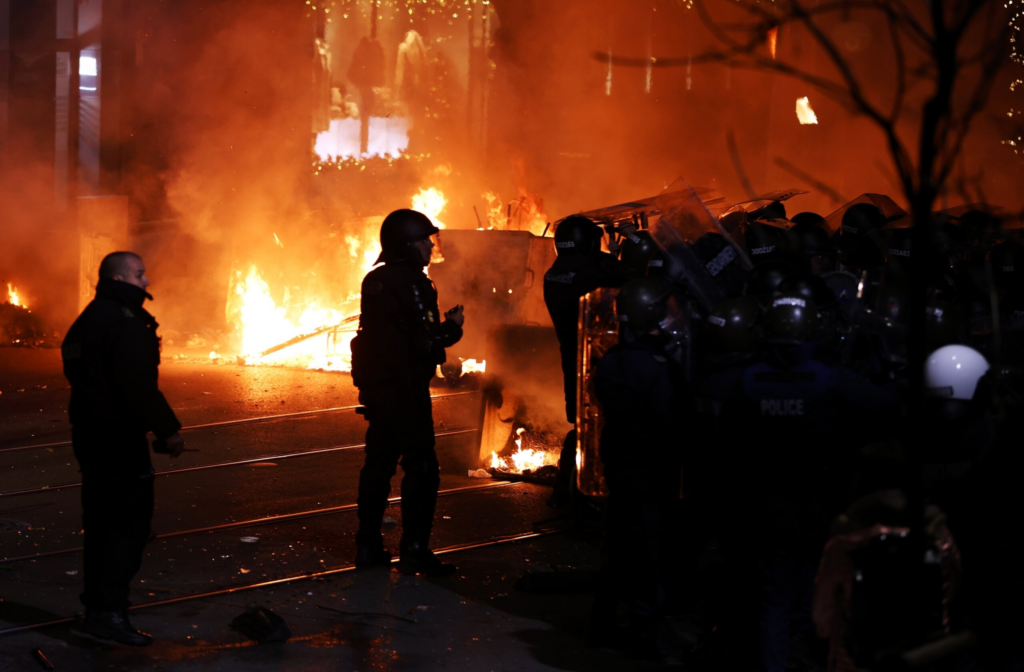
The recent Bulgaria budget protests have created a whirlwind of change in the country’s political landscape. Tens of thousands of protesters filled the streets of Sofia, demonstrating against the government’s proposed 2026 budget, which many believe was a façade for entrenched corruption. This level of civil unrest not only highlights the dissatisfaction with the current leadership but also reflects deeper issues surrounding government transparency and accountability. As clashes erupted between masked protesters and law enforcement, the government’s hold on power became increasingly tenuous, showing that public frustration is growing more palpable.
In the face of these protests, Prime Minister Rosen Zhelyazkov’s government had to reconsider its strategy. The protests pressure the ruling coalition to acknowledge public sentiment or risk further unrest. Calls for resignation are vibrating throughout the activist community, as many citizens are no longer content with superficial adjustments to the budget or promises of reform. The political stability of Bulgaria hangs in the balance, with the upcoming shifts in governance possibly reflecting a broader demand for change and a rejection of the status quo.
Frequently Asked Questions
What led to the protests regarding Bulgaria’s budget and government corruption?
The protests in Bulgaria arose due to widespread discontent with the controversial 2026 budget plan, which many believed concealed significant government corruption. Tens of thousands gathered in Sofia and other cities to demand changes in leadership and to express their frustration over increased taxes proposed in the draft budget.
How did the government respond to the protests against the Bulgaria budget?
In response to the massive protests against the Bulgaria budget, the government decided to withdraw the 2026 budget plan. This decision came after demonstrators heavily criticized the budget for its proposed tax increases and alleged ties to government corruption.
What role did Sofia protests play in the decision to withdraw the 2026 budget in Bulgaria?
The Sofia protests played a crucial role in the decision to withdraw the 2026 budget in Bulgaria. The large turnout, coupled with protests in other cities, showcased overwhelming public discontent, prompting the government to abandon the controversial budget plan under pressure from citizens.
What are public opinions on Bulgaria’s euro adoption amidst the budget protests?
Public opinion on Bulgaria’s euro adoption remains mixed amid ongoing budget protests. While some view the transition to the euro as a step toward European integration, others fear it could lead to inflation in this low-income EU member country, exacerbating economic challenges.
What impact did the protests have on the political landscape of Bulgaria?
The protests against the Bulgaria budget have significantly impacted the political landscape, leading to calls for Prime Minister Rosen Zhelyazkov’s resignation and highlighting the need for early elections. The public outcry has increased pressure on the government, revealing a lack of confidence in its leadership.
How has the government of Bulgaria reacted to criticism over corruption and the 2026 budget?
The Bulgarian government has acknowledged criticism over corruption, with President Rumen Radev condemning violence during the protests and emphasizing a need for change. In light of public dissatisfaction, the government announced a new budget process to address concerns raised by the protests.
What were the main demands of the protesters in Bulgaria relating to the budget and corruption?
Protesters in Bulgaria demanded a change in government leadership and the cessation of corrupt practices. Their specific grievances centered around the controversial 2026 budget, which included proposed tax increases they viewed as unjust in light of ongoing government corruption.
What incidents occurred during the Sofia protests against Bulgaria’s budget?
During the Sofia protests against Bulgaria’s budget, clashes occurred between masked protesters and police, leading to over 70 arrests. Demonstrators targeted the offices of the ruling GERB and DPS parties, reflecting intense frustration and anger towards the government.
| Key Points | Details |
|---|---|
| Withdrawal of Budget Plan | The Bulgarian government withdrew its controversial 2026 budget plan after massive protests. |
| Reasons for Protests | Protesters rallied against corruption and proposed tax increases in the budget. |
| Scale of Protests | Tens of thousands demonstrated in Sofia and other cities, demanding changes in leadership. |
| Violence and Arrests | Clashes occurred in Sofia; over 70 arrests were made after violence broke out. |
| Political Responses | President Radev condemned the violence and called for early elections, while Prime Minister Zhelyazkov announced a new budget process. |
| Public Sentiment | Mixed feelings about euro adoption; protests against government corruption have been ongoing since 2020. |
Summary
The Bulgaria budget protests reflect widespread discontent within the country regarding government corruption and economic policies. These protests, sparked by the government’s controversial budget plan withdrawal, underscore the citizens’ demand for accountability and change. The strong public reaction illustrates the urgent need for political reform in Bulgaria amidst the backdrop of an impending transition to the euro, highlighting the complexities of economic stability and governance in a nation striving for integrity and European standards.