Listen to this article
Building a brand is fundamental to the success of any business looking to carve out a distinct identity in today’s competitive marketplace. A well-crafted brand identity communicates your business values and resonates with your target audience, making it crucial for standing out. By implementing a strategic branding strategy, you not only define your unique proposition but also establish a memorable brand message that captivates potential customers. This process goes beyond just logos and colors; it’s about embodying the essence of what your business represents and how it connects with your audience’s needs. In this guide, we’ll explore essential steps to effectively build a brand that leaves a lasting impression and drives customer loyalty.
Establishing a recognizable business persona is vital for entrepreneurs eager to make their mark. The process of developing a business identity involves understanding your core values and creating a narrative that aligns with your audience’s expectations. Crafting a cohesive branding strategy allows you to connect authentically with your customers, ensuring that every touchpoint conveys your message effectively. Additionally, grasping what your target market seeks enables you to differentiate your offerings and elevate your brand presence. Join us as we delve into the intricacies of shaping your brand to foster a meaningful connection with your clientele.
The Importance of Brand Identity in Business
Brand identity is the visual and emotional representation of your business. It encompasses everything from your logo and color palette to the tone of voice in your communications. A strong brand identity helps consumers differentiate your brand from others in the marketplace and facilitates an emotional connection with your audience. When you effectively communicate your brand identity, you cultivate trust and loyalty among your customers.
Moreover, a well-defined brand identity is crucial for establishing brand recognition. Consistency in visual elements and messaging reinforces your brand’s presence in the minds of consumers. By aligning your brand identity with your core values and business mission, you create a cohesive story that resonates with your target audience, ultimately driving customer engagement and business success.
Understanding Your Target Audience and Market Research
Understanding your target audience is a fundamental step in building a successful brand. It involves research and analysis to uncover the needs, preferences, and behaviors of consumers who are most likely to connect with your brand. Developing user personas based on demographics and psychographics allows you to tailor your messaging and offerings to meet the specific desires of your audience. This targeted approach enhances your branding strategy and improves customer satisfaction.
Market research also plays a vital role in identifying trends and gaps in the industry. By analyzing competitors and understanding their strengths and weaknesses, you can position your brand effectively in the marketplace. This knowledge helps you highlight your unique selling propositions (USPs) and establish a brand identity that stands out, ensuring that your branding efforts resonate deeply with your target audience.
Essential Components of a Brand Message
Crafting a compelling brand message is crucial to communicate who you are and what you stand for. Your brand message should convey your brand’s purpose, values, and unique attributes in a way that resonates with your audience. An authentic and engaging story not only captures attention but also builds trust with your customers, inviting them to learn more about what you offer and why it matters.
Furthermore, consistency in your brand message across all channels reinforces your brand identity. It ensures that whether customers are interacting with your website, social media, or in-person experiences, they receive the same core message that aligns with their expectations. This coherence increases brand loyalty and makes it easier for consumers to relate to and advocate for your brand.
Developing a Comprehensive Branding Strategy
A branding strategy is a blueprint that defines how you want to communicate your brand’s identity and values to your audience. It outlines the approach you’ll take to reach your target audience, including marketing channels, visual identity, and messaging tactics. A well-crafted branding strategy requires a clear understanding of your brand’s purpose, unique selling propositions, and the needs of your customers.
Moreover, your branding strategy should be adaptable, allowing you to evolve with market changes and consumer preferences. Regularly reviewing and updating your strategy ensures that you remain relevant and maintain strong connections with your audience, reinforcing the vital aspects of your brand identity and values.
The Role of Visual Elements in Brand Recognition
Visual elements like logos, typography, and color palettes play a significant role in establishing brand recognition. These components contribute to the overall perception of your brand and evoke specific emotions in your audience. A well-designed logo, for instance, creates a memorable image that consumers associate with your brand’s values and mission, ultimately influencing their purchasing decisions.
Consistent use of visual elements across all platforms enhances your brand’s identity and allows for easier recognition. By ensuring that your brand’s visual presentation aligns with your brand message, you reinforce what your brand stands for and help establish a strong presence in a crowded market.
Building a Strong Online Presence for Your Brand
In today’s digital world, establishing a strong online presence is essential for brand visibility and engagement. A professional website serves as the cornerstone of your online identity, reflecting your brand’s essence through design and content. Optimizing your site with SEO strategies ensures that your brand is discoverable by your target audience when they search for related products or services.
Additionally, leveraging social media platforms allows you to connect with your audience on a more personal level. Sharing compelling content and engaging with your followers through comments and messages can foster a sense of community around your brand. Maintaining a consistent online presence further solidifies your business identity and encourages loyalty among customers.
Ongoing Engagement and Brand Evolution
Building a brand is not a one-time effort; it requires ongoing engagement with your audience to foster relationships and gather feedback. Actively listening to customer input and responding to their needs demonstrates that you value their opinions and are committed to providing solutions that align with your brand values. This ongoing interaction is crucial for maintaining a loyal customer base.
Moreover, as market trends evolve and consumer preferences shift, being open to adapting your brand identity is essential. This may involve refreshing your brand message or visual elements to stay relevant while ensuring that core values remain intact. By monitoring performance and being responsive to change, your brand can continue to thrive in a competitive landscape.
Frequently Asked Questions
What is the importance of defining brand values when building a brand?
Defining brand values is essential for building a brand as it serves as the foundation for your brand identity and strategy. Brand values guide all business decisions, influence customer perceptions, and help you attract and connect with a target audience that shares similar beliefs. A strong set of values ensures consistency in messaging and fosters customer loyalty.
How can I identify my target audience for effective branding?
Identifying your target audience for branding involves conducting market research to understand their demographics, interests, and preferences. Create customer personas based on this data to visualize your ideal clients, which will help tailor your brand message and communication strategy to engage them effectively.
What role does brand identity play in building a successful brand?
Brand identity encompasses the visual and emotional attributes that define your brand, including your logo, colors, typography, and imagery. A strong brand identity helps you differentiate from competitors, create memorable impressions on your audience, and communicates your brand values. Thus, it is a vital element in building a successful brand.
How can I craft a compelling brand message that resonates with my audience?
To craft a compelling brand message, focus on authenticity, engagement, and consistency. Ensure your message reflects your brand’s purpose and values while engaging your audience’s interests. Consistently communicate this message across all platforms to establish trust and foster brand loyalty.
Why is consistency important in building a brand?
Consistency is crucial in building a brand as it reinforces recognition and credibility among your audience. A unified brand message, visual identity, and customer experience across all channels help create a coherent brand perception, essential for long-term success and maintaining brand loyalty.
What strategies can help me build an effective online presence for my brand?
To build an effective online presence, create a professional website that reflects your brand identity, engage on social media platforms where your target audience is, and implement SEO strategies to improve visibility. Consistently post engaging content that adds value to your audience while encouraging interactions for relationship building.
How can I analyze my competitors while building my brand?
Analyzing competitors involves conducting a competitive analysis to identify both direct and indirect competitors, assess their branding strategies, and evaluate their strengths and weaknesses. By understanding what sets your brand apart or identifying market gaps, you can refine your branding strategy and enhance your unique selling proposition.
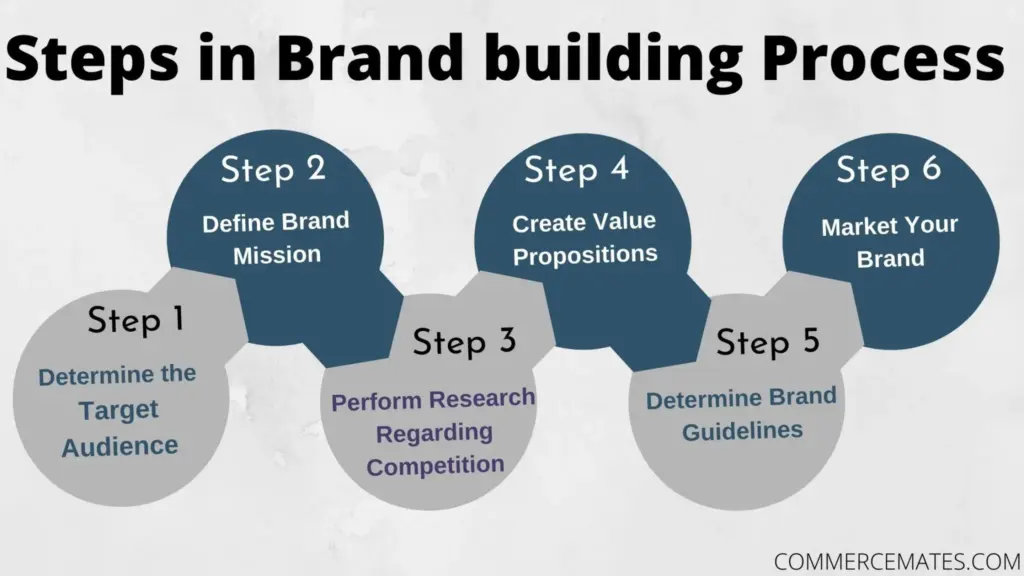
| Step | Description |
|---|---|
| Step 1: Define Your Brand’s Purpose and Values | Identify your mission, values, and the problems your business solves for customers to create a strong brand foundation. |
| Step 2: Understand Your Target Audience | Conduct market research to identify demographics and psychographics, creating user personas to effectively tailor your brand message. |
| Step 3: Analyze Your Competition | Conduct a competitive analysis to understand your competitors and identify your unique selling proposition (USP). |
| Step 4: Develop Your Brand Identity | Create your logo, color palette, typography, and imagery to reflect your brand’s personality. |
| Step 5: Craft a Compelling Brand Message | Develop an authentic and engaging narrative that reflects your values and is consistent across all channels. |
| Step 6: Build Your Online Presence | Create a professional website, engage on social media, and implement SEO strategies to enhance visibility. |
| Step 7: Engage with Your Audience | Provide value and encourage interaction to nurture relationships and build trust with your audience. |
| Step 8: Consistency is Key | Maintain consistency in your brand message and identity across all platforms to reinforce recognition and credibility. |
| Step 9: Monitor and Evolve Your Brand | Regularly track your brand’s performance, gather feedback, and be willing to adapt based on new insights and customer needs. |
Summary
Building a brand is integral to establishing a unique business identity that resonates with your audience. By following these essential steps—defining your purpose, understanding your audience, and maintaining consistency—you can effectively connect with customers and stand out amid competition. It’s important to remember that building a brand is an ongoing journey, requiring engagement, evolution, and a keen awareness of your market. Embrace this dialogue between your brand and its audience to foster loyal relationships through authenticity and value.