
Listen to this article
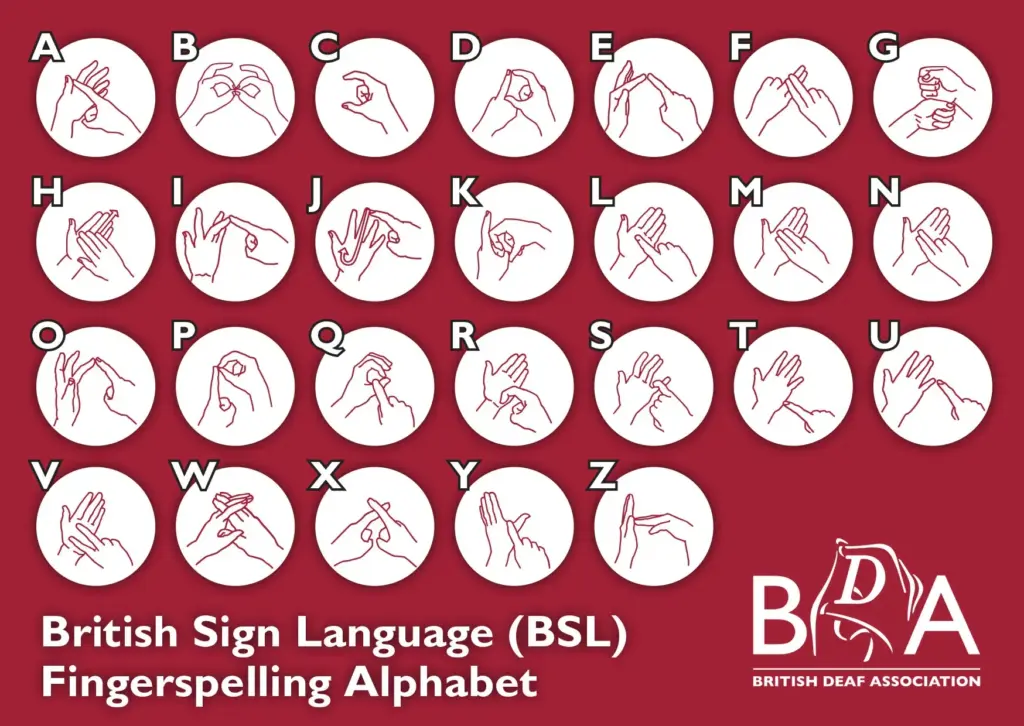
British Sign Language support is crucial for ensuring that individuals who are deaf receive the care and communication they need. In Hammersmith and Fulham, a recent council apology has highlighted the significant gaps in deaf care support, particularly when it comes to providing BSL interpreter services for residents. The failure to adequately train staff in basic British Sign Language has led to serious consequences for residents like Mr. Y, whose healthcare needs were not addressed. The local council is now reviewing its policies and processes to prevent similar issues in the future, emphasizing the importance of deaf awareness training among caregivers. Ensuring effective communication through BSL is essential in building an inclusive community where every individual can access the necessary support without barriers.
The need for effective communication methods for those who are hearing impaired is paramount, and this underscores the importance of sign language assistance within our healthcare systems. The recent incident in the west London area has brought attention to the vital role of interpreter services for the deaf, showcasing how care facilities must bridge the gap for those who communicate through sign language. As local councils strive to improve their services, it becomes evident that integrating deaf awareness initiatives and training is essential for fostering an inclusive environment. Furthermore, the efforts to address the shortcomings in policy reflect an understanding of the diverse communication needs within the community. This situation serves as a reminder that providing accessible care requires a commitment to proper training and resources to support individuals who rely on sign language.
The Importance of British Sign Language (BSL) in Deaf Care Support
British Sign Language (BSL) is vital for effective communication in deaf care support, ensuring that individuals like Mr. Y can express their needs and participate actively in their care. The lack of BSL interpreters in Care Home B not only highlights a gap in accessible communication but also the necessity for adequate training in deaf awareness among caregivers. Training can empower staff to engage meaningfully with deaf residents, allowing for better care outcomes.
Furthermore, the integration of BSL within care services enhances the quality of life for deaf individuals. It fosters an inclusive environment and promotes independence, as individuals feel respected and understood. The council’s recent acknowledgment of the need for BSL services signals a positive step towards rectifying previous oversights and fulfilling the requirements of deaf care support.
Impact of Council Apology on Future Deaf Care Practices
The apology issued by Hammersmith and Fulham Council represents a significant moment for transparency and accountability in local governance regarding deaf care support. Recognising their failure to provide adequate services is a crucial starting point for ensuring that similar mistakes do not occur in the future. This public admission can catalyse change, as it encourages other councils to assess their own practices and ensure they adhere to the necessary standards for deaf care.
Moreover, the commitment to review policies and enhance the availability of BSL interpreters is essential for integrating deaf awareness training in care homes. This reassessment not only safeguards the rights of deaf individuals but also sets a precedent for other local authorities to follow, reinforcing that appropriate care for deaf residents is paramount. The council’s actions may inspire a more compassionate approach to disability services across the region.
Ensuring Adequate Training for Care Home Staff
Training is a cornerstone of providing quality care, especially for residents with specific communication needs, as highlighted by the recent findings concerning Care Home B. It is imperative that staff are trained in both BSL and deaf awareness, equipping them with the skills necessary to interact with deaf individuals effectively. Lack of training not only leads to misunderstandings but can also severely impact the wellbeing of residents dependent on clear communication.
By implementing comprehensive training programs, care homes can significantly improve their service delivery. Such initiatives could include workshops led by qualified BSL interpreters and deaf awareness training that emphasises the importance of fostering an inclusive atmosphere. Focusing on staff education ensures that all residents receive the highest standard of care tailored to their individual needs.
The Role of Family Members in Deaf Care
Family involvement is crucial in the care of individuals with hearing impairments. In Mr. Y’s case, his daughter and granddaughter played vital roles in facilitating communication due to the absence of trained BSL interpreters at Care Home B. This places significant stress on family members who are often untrained in care provision, highlighting a critical gap that needs to be addressed by the council and care homes alike.
To effectively support families, councils must develop resources that enable them to advocate for their loved ones. Providing access to specialist services, such as BSL interpreters and deaf awareness training for families, can empower them to engage fully in their relatives’ care. Establishing strong communication pathways not only benefits the individual but also strengthens family relationships during challenging times.
Consequences of Inadequate Deaf Care Services
The unfortunate circumstances surrounding Mr. Y’s care illustrate the severe consequences that can arise from inadequate services tailored to deaf individuals. Without proper access to BSL interpreters and trained staff, miscommunication can lead to adverse health outcomes and diminish the quality of care. Tragically, Mr. Y’s subsequent hospitalization and eventual death serve as a stark reminder that the stakes in deaf care support are profoundly high.
Upon reflecting on these events, it becomes increasingly evident that councils must prioritise establishing robust frameworks for providing deaf care services. Through dedicated efforts to enhance training and availability of BSL interpreters, the intended consequences of improved communication can result in significantly better health outcomes for deaf residents. It is vital that all levels of governance remain vigilant in ensuring these services are accessible.
Addressing the Need for BSL Interpreter Services
The lack of BSL interpreter services has been a long-standing challenge within the deaf community, significantly impacting individuals in care settings. The recent findings by the Local Government Ombudsman affirm that inadequate access to these critical services can hinder communication, which is essential for effective care. As such, fostering partnerships with BSL interpretation agencies will be key in addressing this disparity for residents like Mr. Y.
By securing reliable access to interpreter services, care homes can ensure that deaf individuals receive the necessary support to navigate their care effectively. The council’s commitment to review its processes for providing these services is a step in the right direction, paving the way for a more integrated and supportive approach to deaf care support.
The Need for Deaf Awareness Training in Local Government
Deaf awareness training should be mandatory for all local government employees involved in public service to ensure that the needs of deaf individuals are prioritised. The shortcomings identified in Mr. Y’s case highlight a wider problem within local authorities’ understanding of the complexities surrounding deaf care support. Training sessions can equip officials with the knowledge necessary to advocate for deaf individuals and implement effective service delivery.
Incorporating deaf awareness training into the council’s structure can significantly enhance interactions between staff and deaf residents. Such initiatives foster an environment where communication barriers are minimised and where the rights and dignity of all individuals are respected. This cultural shift within local government is essential for ensuring that similar failures do not recur.
Exploring the Future of Deaf Care Support Services
The future of deaf care support requires a fundamental shift in how services are designed and delivered. By prioritising the needs of deaf individuals and embedding BSL interpreter services into all aspects of care provision, a more inclusive environment can be fostered. This proactive approach not only benefits residents but also enhances the reputation of local authorities as champions of inclusivity.
Furthermore, exploring technology-driven solutions, such as virtual BSL interpreter services, could supplement existing resources and fill gaps where in-person interpreters are scarce. Ensuring that future care models are adaptable and equipped to meet diverse communication needs will be vital for the ongoing improvement of deaf care services.
Community Engagement and Public Awareness Initiatives
For meaningful change to occur within deaf care support, community engagement must play a pivotal role. Public awareness initiatives aimed at educating the wider community about the challenges faced by deaf individuals can help foster a more inclusive society. Raising awareness about the importance of BSL and deaf awareness training among caregivers and family members can promote advocacy for improved services.
Campaigns aimed at uniting deaf advocates with local governments can drive the conversation surrounding deaf care support forward. By collaborating with stakeholders such as BSL interpreters, individuals can share their experiences and recommendations for effective care practices, thereby ensuring that deaf individuals receive the support they rightfully deserve.
Frequently Asked Questions
What is British Sign Language (BSL) support and why is it important for deaf care support?
British Sign Language (BSL) support encompasses interpreters and resources that facilitate communication for individuals who are deaf or hard of hearing. It is essential in deaf care support as it ensures that deaf individuals can effectively communicate their needs, preferences, and health information, leading to better care quality and outcomes.
How does Hammersmith and Fulham Council provide BSL interpreter services for deaf residents?
Hammersmith and Fulham Council aims to provide BSL interpreter services by reviewing its processes following feedback from the community. The council is committed to improving access to qualified BSL interpreters to support deaf residents, particularly in care settings where communication is crucial.
What went wrong with the provision of British Sign Language support for Mr. Y?
The provision of British Sign Language support for Mr. Y fell short due to Care Home B’s lack of BSL-trained staff and inadequate deaf awareness training. This failure to meet proper care standards resulted in communication barriers, highlighting the critical need for trained personnel in care environments.
What steps has Hammersmith and Fulham taken to ensure better deaf awareness training and BSL support in the future?
Following the incident involving Mr. Y, Hammersmith and Fulham Council has pledged to review and improve its processes regarding BSL support. This includes enhancing deaf awareness training for staff in care facilities to ensure they understand the communication needs of deaf residents.
What can families do if they face issues with BSL interpreter services in care homes?
Families experiencing issues with BSL interpreter services in care homes should contact the local council to file a complaint. Maintaining open communication with care home management and documenting any discrepancies can also help ensure that the necessary British Sign Language support is provided.
What should be included in a care plan for a deaf individual requiring BSL support?
A care plan for a deaf individual requiring British Sign Language support should explicitly state the need for qualified BSL interpreters, outline communication preferences, and include specific training requirements for care staff in deaf awareness and basic BSL skills.
How can community feedback influence the effectiveness of BSL interpreter services in local councils?
Community feedback is crucial in enhancing BSL interpreter services, as it highlights deficiencies and areas for improvement. Councils, like Hammersmith and Fulham, rely on input from families to inform their policies and ensure that the needs of deaf residents are adequately met.
What was the council’s response to allegations of inadequate BSL support for Mr. Y?
The council’s response included a heartfelt apology to Mr. Y’s family, acknowledgment of the issues surrounding BSL support, and a commitment to improving their processes to ensure such shortcomings do not occur in the future.
| Key Points |
|---|
| A council in west London, Hammersmith and Fulham, failed to provide adequate BSL support for a deaf man. |
| The council has agreed to pay £450 to the man’s granddaughter and is reviewing its processes regarding BSL interpreters. |
| Care Home B staff were not trained in BSL, conflicting with the man’s communicated care needs. |
| Mr. Y used BSL as his first language and required interpreters as indicated in his care plan. |
| Due to a lack of BSL-qualified caregivers, the man’s daughter often had to communicate on his behalf. |
| The council acknowledged the issue and committed to improving the availability of expert interpreters. |
| Miss X, the granddaughter, filed complaints about the inadequate care provided to Mr. Y. |
Summary
British Sign Language support has become a critical issue for accessibility in care services, particularly highlighted by the recent experiences faced by Mr. Y and his family. Hammersmith and Fulham Council’s failure to provide sufficient BSL interpreters led to a series of distressing events, culminating in the loss of Mr. Y. The council’s acknowledgment and subsequent actions, including a financial compensation and a process review, are steps towards ensuring better support for individuals requiring BSL in the future. This situation underscores the essential need for training in BSL for care staff to meet the diverse communication needs of all residents.