
Listen to this article
The upcoming British Museum ball has ignited a spirited debate among staff, as concerns rise over the chosen theme of “red, white and blue”. This decision, made by the museum’s director, Nicholas Cullinan, was intended to celebrate the anticipated loan of the Bayeux Tapestry, yet it comes amidst a backdrop of intense scrutiny related to the Union Jack controversy and far-right campaigns unfolding across the UK. Employees have voiced their objections, arguing that embracing such a color scheme could be seen as insensitive given the current political climate where flag-waving has been associated with divisive sentiments. Fundraising events like this aim to gather support for the museum’s initiatives, but the timing of the event has prompted significant debate on national identity and pride versus political appropriation. As anticipation builds for this high-profile gathering, the museum must navigate the fine line between cultural celebration and the implications of its thematic choices.
The British Museum’s impending gala, often referred to as a fundraising spectacle, is at the heart of controversy due to its proposed theme drawing from the colors of national flags. This event, meant to commemorate the prestigious Bayeux Tapestry, has faced backlash as it intersects with growing concerns about the politicization of national symbols in light of rising far-right sentiments in the UK. Many have raised eyebrows at the decision to incorporate a ‘red, white, and blue’ aesthetic in such a tumultuous context, suggesting it could alienate certain groups rather than foster unity. As the museum plans this major cultural celebration, discussions entwining patriotism, art, and societal values have sparked critical dialogues about the role of institutions in reflecting or challenging national narratives. This intricate balance of celebration and caution embodies the complex dynamics at play in today’s cultural landscape.
The Controversial Theme of the British Museum Ball
The British Museum has announced its plans for a themed ball centred around a ‘red, white, and blue’ palette, sparking significant debate among staff members. Following a larger rising trend of flag displays in the UK, many museum employees have described the concept as ‘in poor taste.’ This criticism comes in the wake of heightened visibility of far-right campaigns that have been observed across the nation, which use flags such as the Union Jack to glorify a narrow definition of British identity.
Director Nicholas Cullinan’s aim for the ball is to celebrate the upcoming exhibition of the Bayeux Tapestry, but the proposal coincides with a troubling political landscape. The symbolism behind the flag themes has raised alarms among staff, who fear the event might unwittingly lend support to the flag-flying agenda associated with groups like Operation Raise the Colours, which have openly received donations from far-right organizations like Britain First. The explicit connection between national pride and extremist politics complicates the museum’s intended celebration.
Union Jack Controversy: Cultural Significance and Modern Implications
The Union Jack has always been a potent symbol in British culture, serving as a representation of national identity. However, its association with recent far-right campaigns has complicated this imagery. Critics argue that the rise in visibility of the flag—particularly in the context of growing nationalist sentiments—raises significant concerns about patriotism being commandeered by extremist ideologies. This portion of public sentiment reveals a deep divide in how the flag is viewed, as both a source of pride and an emblem co-opted for divisive political agendas.
In light of this background, the British Museum’s ball theme could reinforce these conflicting interpretations of national symbols. Prof. Nick Groom highlights the necessity of engaging with the flag’s multifaceted history rather than allowing it to be weaponized by political factions. This perspective extends beyond the ball itself, encouraging a broader dialogue about how cultural institutions navigate national identity without succumbing to the oversimplification championed by far-right movements.
Impact of Fundraising Events on Museum Culture
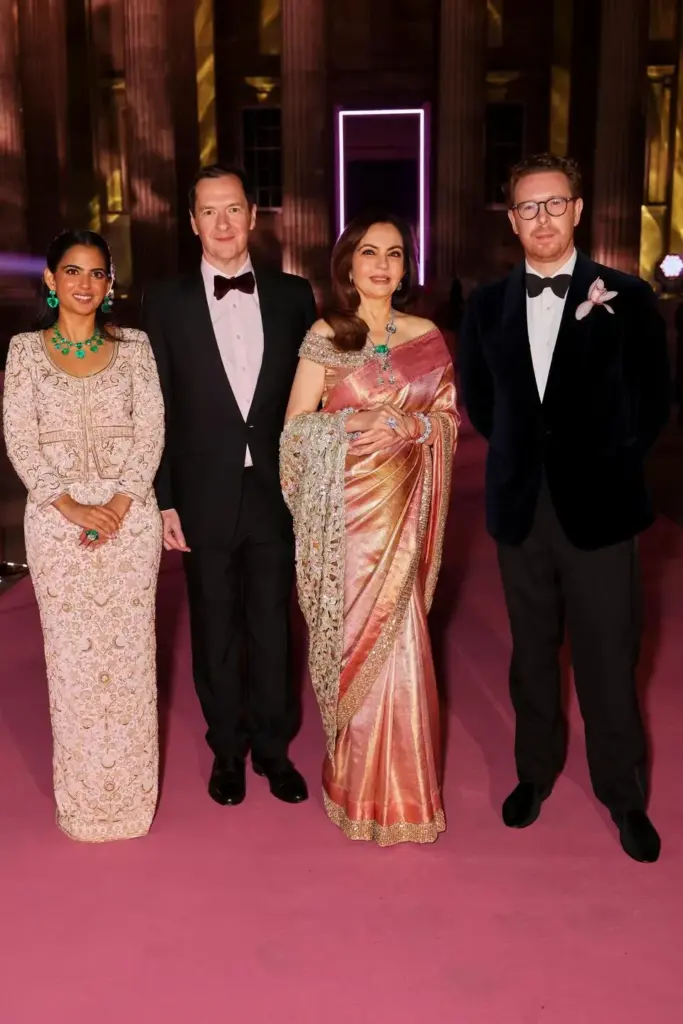
The British Museum’s recent fundraising events, including its inaugural ball with a lively pink theme, underscore the increasing need for museums to tap into creative avenues for funding. These events not only help finance international partnerships and exhibitions but also elevate the institution’s profile within the cultural landscape. However, with significant funds at stake, the thematic content of these events becomes an area ripe for scrutiny, especially when juxtaposed with current socio-political climates.
The upcoming £2,000-per-ticket ball, while potentially lucrative, may inadvertently alienate parts of the museum’s audience given its controversial theme. With key figures and celebrities attending, the British Museum seeks to cement its status as a premier venue for cultural discussion and philanthropic endeavour. However, the fine line between fundraising and political symbolism must be navigated cautiously, ensuring that events do not propagate sentiments tied to contemporary far-right narratives.
Cultural Reactions to the British Museum Ball
The announcement of the British Museum’s ball has evoked a mix of excitement and apprehension from the cultural community. While some view the event as a celebration of national heritage, others express concern regarding its timing and thematic choices. The ongoing discussions reflect a broader cultural unease about how historical symbols are currently utilized in a climate marked by far-right campaigns gaining traction across the UK.
Furthermore, cultural commentators and museum professionals are weighing in, reinforcing the necessity for sensitivity in the selection of themes that could unconsciously align traditional symbols with political divisiveness. The controversy surrounding the ball highlights the museum’s struggle to remain a place of inclusivity while celebrating British culture in all its complexity.
Future Prospects for the British Museum’s Events
Looking ahead, the British Museum aims to refine its approach to fundraising events, taking into account the significant cultural implications surrounding their themes. Following the response to the ‘red, white, and blue’ ball, the museum may seek to introduce themes that foster a more unifying and inclusive atmosphere, avoiding associations that could detract from its mission as a national institution.
As the museum prepares for its next event, discussions on how to effectively celebrate British history without endorsing contemporary political movements will undoubtedly shape planning decisions. It is probable that future fundraising events will be designed with greater awareness of public sentiment around national symbols, ensuring that they serve to educate and inspire, rather than alienate parts of the community.
Criticism and Support of the Museum’s Direction
The British Museum’s strategic decisions continue to polarise opinions, particularly regarding its engagement with influential figures and the themes of its events. Critics argue that hiring high-profile co-chairs and creating commercially appealing themes may compromise the museum’s integrity. The connection between wealth and cultural leadership, exemplified by the Ambani family’s association with the inaugural ball, has prompted discussions about the ethical implications of fundraising in the arts.
Conversely, supporters of the museum’s direction highlight the necessity for fundraising in sustaining cultural institutions, particularly in an age of diminishing public funding. These supporters assert that events like the upcoming ball can generate resources crucial for future exhibitions and educational outreach, allowing the museum to remain a vibrant participant in the cultural dialogue.
Engaging with Contemporary National Identity
The British Museum stands at a crossroads where it must balance the celebration of national identity with the complexities that arise in modern Britain. In the wake of rising far-right movements, it is crucial for cultural institutions to engage thoughtfully with symbols like the Union Jack, ensuring that such icons do not become tools of exclusion.
By fostering inclusive conversations around national identity through their events and exhibitions, the British Museum can play a pivotal role in shaping public perceptions. The challenge lies in articulating a narrative that embraces the diverse histories and stories that define British identity today, moving beyond simplistic interpretations.
The Role of the Arts in Political Discourse
Events such as the British Museum’s themed balls serve as platforms for significant political discourse, revealing the interconnections between cultural expression and social issues. As museums navigate their roles within communities, they must remain vigilant about the political implications of their programming and fundraising efforts.
As seen with the current debate surrounding the forthcoming ball, there is a critical opportunity for institutions like the British Museum to use their platforms to challenge dominant narratives and promote understanding amid societal divides. The challenge is ensuring that these discussions remain informed and respectful of the complexities surrounding national symbols and their meanings.
Balancing Tradition with Modern Conversations
The British Museum exists within a rich historical framework while also facing modern conversations about cultural significance and representation. As it seeks to balance these two realms, the themes selected for fundraising events will inevitably reflect broader societal sentiments.
By acknowledging historical narratives tied to the Union Jack and its complex associations, the museum has an opportunity to redefine its relationship with national symbols. This proactive engagement will allow the British Museum to become a leader not only in cultural preservation but also in fostering meaningful dialogue about the roles of these symbols within contemporary society.
Learning from Cultural Backlash and Advocacy
The ongoing debates concerning the British Museum’s ball serve as a valuable lesson in advocacy and cultural awareness. As backlash occurs against the proposed themes, it reveals the growing demand for accountability and sensitivity from cultural institutions. Many stakeholders, including museum professionals and local communities, are calling for a more nuanced approach to how themes are conceived and presented.
Incorporating multiple perspectives can enhance the museum’s role as a space for inclusive learning, ultimately allowing it to adapt its approach to fundraising and event planning. Creating partnerships with diverse community voices will fortify the museum’s position as an essential resource for historical introspection and contemporary dialogue.
Frequently Asked Questions
What is the British Museum ball and why is it controversial?
The British Museum ball is a fundraising event proposed for 2026, themed around ‘red, white, and blue’ to commemorate the loan of the Bayeux Tapestry. It has sparked controversy among staff who feel the theme is inappropriate given the rise in far-right campaigns in the UK that use similar nationalistic symbols.
How does the Union Jack controversy relate to the British Museum ball?
The Union Jack controversy is significant in the context of the British Museum ball as staff criticize the red, white, and blue theme, fearing it may be perceived as aligning with current far-right flag campaigns that exploit national symbols for political agendas.
Why was the red, white, and blue theme chosen for the British Museum ball?
The red, white, and blue theme was chosen to celebrate the upcoming exhibition of the Bayeux Tapestry, reflecting a blend of British and French cultural heritage. However, this theme has led to allegations of insensitivity due to the association with recent far-right movements in the UK.
What was the response of the British Museum staff to the ball’s theme?
Staff members at the British Museum have expressed concerns that the red, white, and blue theme is in poor taste, particularly in light of the heightened nationalism and flag displays promoted by far-right campaigns in the UK.
How successful was the previous British Museum ball?
The inaugural British Museum ball held in October was highly successful, attracting 8,000 attendees and raising over £2.5 million for the museum’s international partnerships, showcasing its potential as a flagship national fundraising event.
What role does the Bayeux Tapestry play in the British Museum’s events?
The Bayeux Tapestry serves as a focal point for the British Museum’s upcoming events, including the proposed ball. It symbolizes an important historical connection between the UK and France, intended to foster cultural dialogue despite the current controversies surrounding nationalism.
What are the implications of holding a ball with a ‘red, white, and blue’ theme during a rise in far-right campaigns?
Holding a ball with a ‘red, white, and blue’ theme amidst rising far-right campaigns could risk the British Museum being seen as endorsing those movements, complicating its role as a cultural institution and raising questions about the use of national symbols in contemporary society.
How does the British Museum plan to address the criticisms raised about the ball’s theme?
The British Museum has acknowledged the success of its fundraising efforts and plans to proceed with the 2026 ball, citing it as a vital event for its international initiatives while potentially seeking to address staff concerns about its thematic implications.
| Key Points |
|---|
| Concerns raised by British Museum staff over a ‘red, white and blue’ ball theme, citing current far-right flag campaigns. |
| The ball is proposed to celebrate the loan of the Bayeux Tapestry from Normandy in 2026. |
| Director Nicholas Cullinan faces backlash for the choice of theme, considered in poor taste by some. |
| Union Jacks and other flags displayed around the country have a controversial association with far-right activities. |
| Previous fundraising ball featured a ‘pink theme’ and attracted significant attendance and notable personalities. |
| Culture Unstained criticizes the involvement of affluent families with controversial backgrounds. |
| Prof. Nick Groom argues for continuing the ball, citing the importance of the Union Jack and its complex symbolism. |
| The British Museum spokesperson highlights the successful funding achieved through previous events. |
Summary
The British Museum ball has sparked considerable debate due to concerns over its proposed “red, white, and blue” theme amidst rising far-right sentiments in the UK. This controversy emphasizes the complex attachment to national symbols like the Union Jack, challenging institutions like the British Museum to navigate cultural narratives carefully. The event aims to celebrate significant cultural exchanges but faces scrutiny over its timing and implications. Engaging in meaningful dialogue around these themes is essential for the museum to maintain its relevance and support within the community.