
Listen to this article
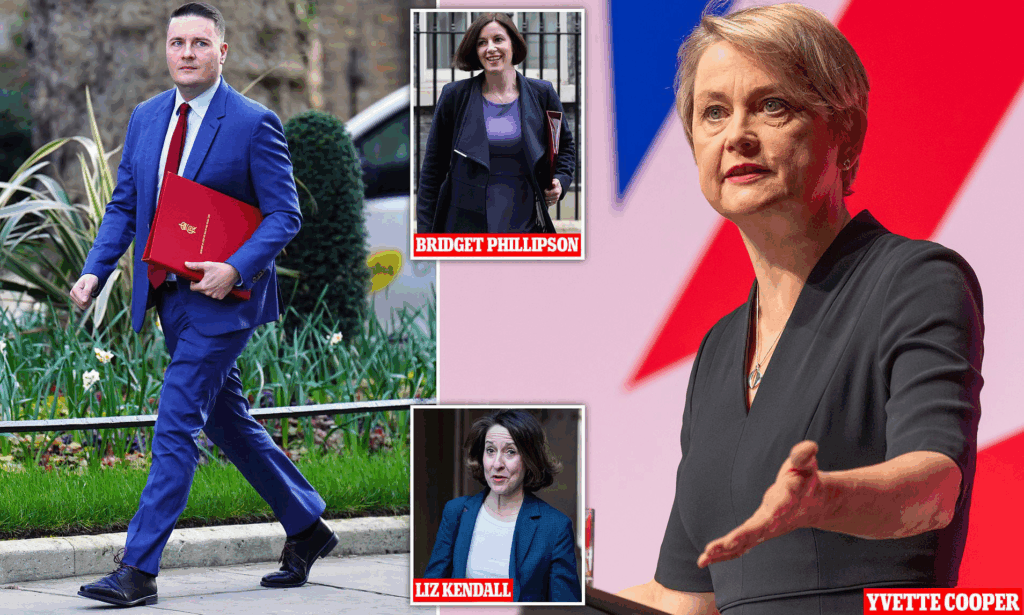
In Westminster politics, the controversy surrounding briefing against ministers has caused significant ripples, particularly within the Labour Party’s hierarchy. Allegations have emerged that Health Secretary Wes Streeting is linked to a potential bid for Labour leadership, igniting tensions among top officials. As scrutiny mounts, Sir Keir Starmer faces intensifying pressure to dismiss his senior adviser, Morgan McSweeney, amid claims of orchestrated attacks against Cabinet ministers. Despite these challenges, McSweeney’s position remains secure, with supporters asserting his innocence and a commitment to transparency. In a landscape beset by concerns over NHS waiting lists, the implications of such office strife could reverberate far beyond the immediate political arena, raising questions about the stability of leadership as the party gears up for future electoral battles.
Within the corridors of power, recent discussions illuminating the issue of clandestine communications between officials have ignited debates about the integrity of government leadership. The fallout from internal conflicts often manifests in damaging whispers aimed at undermining rivals, as seen in the current situation involving Labour ministers. The implications of these covert briefings on the potential leadership aspirations of certain members remain a hot topic of speculation, especially when framed against the pressing concerns of NHS performance and public service delivery. As external pressures mount and public sentiment shifts, the responsibility of political figures to uphold a transparent and accountable government becomes even clearer. The ability to navigate these intricate dynamics could ultimately define the future of Westminster leadership and influence public trust in the political establishment.
The Controversy Surrounding Briefing Against Ministers
In recent developments, allegations have surfaced regarding the Prime Minister’s chief of staff, Morgan McSweeney, concerning his potential involvement in briefings against Cabinet ministers. Reports indicate that he is “not going anywhere” and maintains that he had no role in initiating these controversial communications. This situation has escalated following claims that Health Secretary Wes Streeting was considering a bid for the Labour leadership, prompting questions about internal party dynamics and the fallout from these briefings. Amid allegations of a “toxic culture” within the Labour Party, the hastily organized responses reflect a sense of urgency in addressing what many perceive as a detrimental atmosphere within Westminster politics.
Labour leader Sir Keir Starmer has expressed his unwavering support for McSweeney, asserting that he has complete confidence in his chief adviser. Despite pressure and calls from within his party to dismiss McSweeney, Starmer has categorically stated that he will take action against anyone found responsible for breaching the trust of ministers. This commitment illustrates the increasingly charged atmosphere surrounding leadership speculation within the party, resonating particularly with voters concerned about the operational integrity of a party that recently enjoyed a significant electoral victory.
Impact on NHS Waiting Lists Amidst Political Turmoil
As political infighting rages within the Labour Party, it raises pressing questions about governance and the impact on key issues like NHS waiting lists. Health Secretary Wes Streeting, facing accusations of plotting against Starmer, redirected focus from the political drama by emphasizing that voters are more concerned about tangible health care concerns than Westminster’s “soap opera.” The ongoing scandal threatens to overshadow critical health care reforms that could alleviate the burdensome waiting lists affecting NHS patients, which have dramatically increased in the aftermath of the pandemic.
Ignoring the turmoil at the top, Streeting’s comments reflect a broader sentiment among Labour MPs who worry that internal divisions might hinder their ability to address significant public health issues effectively. As each faction within Labour positions itself for potential leadership contests, the urgent need to prioritize health policy could be sidelined. For party members and the general public alike, the insistence on tackling NHS waiting lists remains paramount amidst the backdrop of power struggles and political maneuvering.
The Role of Key Figures in Labour’s Political Landscape
Within Labour’s current landscape, key figures such as Sir Keir Starmer and Morgan McSweeney play pivotal roles as their decisions impact not only intra-party dynamics but also public perception and electoral prospects. Starmer’s reaffirmation of confidence in McSweeney amid allegations showcases his dedication to maintaining his inner circle despite controversies. This steadfast support reflects Starmer’s strategic calculations as he seeks to stabilize his leadership against the backdrop of declining poll ratings and the looming threat of elections that could see the party face serious electoral challenges due to internal conflict.
Moreover, the involvement of historical figures and past leaders like Tony Blair and Gordon Brown in discussions about briefing dynamics underscores how entrenched these practices are within the Labour Party. Ed Miliband’s comments about the prevalence of briefing serve as a reminder that the current debacles are not isolated incidents but rather continue a long-standing tradition of political maneuvering. As Labour navigates these treacherous waters, the actions and reactions of its leading figures will significantly influence not only party unity but public support.
Addressing the Toxic Culture in Westminster
The allegations of a “toxic culture” within Labour’s Westminster ranks have prompted urgent calls for reform and introspection. Critics, including Health Secretary Wes Streeting, have publicly denounced the briefing tactics that seem designed to stifle potential leadership consideration, labeling them as juvenile and counterproductive. Streeting’s demand for accountability from those behind the briefings reflects a growing concern that such behaviors hinder the party from focusing on substantial issues such as NHS reform and clear governance, which are essential to maintaining public support.
As Labour leaders address these cultural issues, it casts a spotlight on how these internal conflicts not only threaten unity but also distract from critical public service commitments. The ongoing discourse within Westminster politics revolves around the ethics of party operations, with increasing calls from the public and political commentators alike urging leaders to prioritize transparency and integrity over point-scoring tactics. Addressing these internal cultural challenges will be crucial if Labour aims to rebuild trust and reestablish itself as a credible alternative on the national stage.
The Fallout from Leadership Speculations
Recent revelations about the leadership intentions of prominent Labour figures have ignited speculation and concern within the party, particularly regarding Health Secretary Wes Streeting’s rumored ambitions. The fallout from these leadership discussions highlights the pressures that accompany political aspirations, especially when intertwined with internal conflicts and public scrutiny. Such speculations not only create division but also divert attention from pressing issues that constituents care about, such as NHS waiting lists, thereby risking the party’s electoral viability.
Sir Keir Starmer’s handling of these speculations will be pivotal in shaping the future of Labour leadership and unity. By addressing the claims transparently and affirming commitment to his chief adviser, Starmer faces the challenge of navigating political pitfalls while ensuring the party’s core message remains intact. The balance between internal political maneuvers and broader electoral concerns underscores the delicate nature of Labour’s current standing—where leadership ambitions must reconcile with a commitment to public service and accountability.
The Stakes for Labour in Upcoming Elections
With the next round of elections looming, Labour’s current turbulence poses significant risks for its electoral future. The declining poll numbers since their victory underscore internal strife and the potential consequences that could manifest in local elections, particularly in English councils and devolved parliaments. Many party members fear that the leadership conflicts, compounded by allegations of briefings against ministers, could alienate voters who are seeking stability and effectiveness from their elected officials.
Additionally, as Chancellor Rachel Reeves prepares for her budget announcement, pressures mount for Labour to adhere to its manifesto pledges amidst calls for fiscal responsibility and potential tax increases. The fear of electoral backlash can amplify the stakes, pushing party leaders to address not only their internal dilemmas but also to refocus on policies that resonate with constituents. In a climate where electoral success hinges on public perception, Labour’s ability to quell internal disputes while presenting a united front will be critical for their campaign strategy.
The Importance of Maintaining Party Unity
As Labour grapples with significant leadership challenges, the urgency of maintaining party unity has never been more crucial. The internal squabbles, particularly regarding accusations of briefing against ministers, reflect a deeper instability that can erode voter confidence. Sir Keir Starmer’s commitment to addressing these issues head-on suggests a recognition that coherence in leadership and message is fundamental to advancing Labour’s political agenda and maintaining its relevance within Westminster politics.
To navigate these challenges effectively, the Labour Party must emphasize collaboration and transparency, ensuring that all members align with the core mission of serving the public. A focus on unity will not only bolster internal cohesion but will also resonate more positively with voters concerned about disorganization and conflict within their governing body. As the party seeks to redefine its narrative in light of these challenges, fostering an atmosphere of solidarity will be paramount to winning back trust and preparing for the upcoming electoral battles.
Rethinking Strategy Amidst Political Conflicts
In light of the recent controversies surrounding leadership speculations and briefings against ministers, Labour may need to reconsider its strategic approach. The party’s recent slump in popularity demands a proactive stance that not only addresses current conflicts but also engages with the electorate on pressing matters, especially regarding the NHS and social issues that affect everyday lives. Moving past internal disputes and focusing on substantive policy discussions could prove vital in revitalizing public support.
Moreover, the necessity to communicate clear, actionable plans to the public becomes increasingly relevant as Labour faces off against a competent opposition. The ongoing concerns about NHS waiting lists and health services emphasize the need for the party to not only articulate its vision for the future but also demonstrate capability in delivering on promises. By shifting from internal wranglings to a forward-focused agenda, Labour can enhance its standing and signify to voters that it is indeed prepared to lead effectively.
Navigating Labour’s Future Amidst Pressing Issues
Labour’s future hinges on its ability to navigate the current climate of political unrest while maintaining focus on critical issues like healthcare, particularly NHS waiting lists that have increasingly become a concern for voters. As leadership tensions between key figures such as Keir Starmer and Wes Streeting come to light, it is imperative for Labour to ensure that these dynamics do not overshadow the party’s commitment to social welfare and public health. The need for clarity in vision and a collaborative approach will be essential in regaining the confidence of their constituents.
To achieve this, Labour must prioritize unity and effective communication in addressing pressing public concerns while managing internal conflicts. This balancing act will involve proactive engagement with the electorate, presenting clear solutions to the challenges they face, especially in healthcare. As they move forward, the focus must remain on demonstrating competence and readiness to serve the public, signaling a departure from the infighting that has characterized recent months.
Frequently Asked Questions
What does briefing against ministers mean in the context of Westminster politics?
Briefing against ministers refers to the practice of leaking or sharing unflattering information about Cabinet members to the press or public, often to undermine their positions or influence opinions within political circles. This can create tension in Westminster politics, as seen in recent reports involving Health Secretary Wes Streeting and allegations concerning potential Labour leadership moves.
How has Keir Starmer responded to accusations of briefing against ministers?
Keir Starmer has publicly supported his chief of staff, Morgan McSweeney, stating he has full confidence in him and categorically denying any wrongdoing related to briefing against ministers. Starmer emphasized his commitment to addressing anyone responsible for such briefings within his administration, showing a proactive stance on maintaining transparency.
What role does Morgan McSweeney play in the Labour leadership amid allegations of briefing against ministers?
Morgan McSweeney is a key advisor to Keir Starmer in the Labour leadership. Despite facing calls for his dismissal due to allegations of briefing against ministers, he has been defended by Starmer, who has asserted that McSweeney was not involved in any negative briefings and that he will remain in his position.
How are NHS waiting lists related to the controversy of briefing against ministers?
NHS waiting lists have emerged as a central concern for Health Secretary Wes Streeting amidst the controversy of briefing against ministers. Streeting, focused on healthcare issues, has indicated that voters prioritize NHS improvements over political squabbles within Westminster, suggesting that the briefing campaign might be distracting from pressing public concerns like healthcare efficiency.
What implications do briefings against ministers have for Labour’s political strategy?
The implications of briefings against ministers for Labour’s political strategy are significant, as they can distract from policy initiatives and harm public perception. Amidst declining poll ratings since Starmer’s election as leader, the party faces pressures to stabilize internal relations and ensure that their focus remains on key issues like NHS waiting lists, rather than interpersonal conflicts driven by Westminster politics.
What historical context exists for briefing against ministers in Labour’s history?
Briefing against ministers has a long historical context within Labour and wider UK politics. As noted by figures like Ed Miliband, this tactic has been prevalent in previous Labour administrations, including under Tony Blair and Gordon Brown. It showcases a recurrent theme of intra-party conflict and maneuvering, which continues to shape Westminster politics.
What measures is Keir Starmer taking to address the fallout from briefings against ministers?
Keir Starmer is taking measures to address the fallout from briefings against ministers by personally engaging with affected individuals, such as immediately apologizing to Wes Streeting. He has stated intentions to deal decisively with anyone responsible for such briefings, indicating a commitment to restoring unity and integrity within the Labour leadership.
| Key Point | Details |
|---|---|
| Chief of Staff’s Involvement | Reports state PM’s chief of staff, Morgan McSweeney, was ‘not involved’ in any briefings against ministers. |
| Support for McSweeney | Sir Keir Starmer expressed full confidence in Mr. McSweeney and stated he won’t face dismissal. |
| Streeting’s Response | Health Secretary Wes Streeting criticized the ‘toxic’ culture without directly addressing recent briefings. |
| Political Fallout | Some in Labour blame McSweeney for the crisis; Streeting denounced the briefings as juvenile. |
| Investigations and Challenges | Conservatives demand probe into communications chief’s business ties; labour’s poll ratings have dropped significantly. |
Summary
In the recent briefing against ministers event, it has been asserted that the Prime Minister’s chief of staff is not implicated, casting doubt on any direct involvement. This matter highlights the volatile political atmosphere as Labour faces scrutiny over internal conflicts and external pressures. While Sir Keir Starmer stands by his advisor, the ongoing fallout reflects broader issues within the party that could impact future performances and public perception, especially with upcoming elections on the horizon.