
Listen to this article
In an alarming case of local council negligence, Brent Council ramp installation has become a focal point of frustration and despair for a North London mother striving to provide adequate care for her severely disabled son. Despite his deteriorating condition, the council’s failure to install a new ramp has left the family grappling with challenges related to wheelchair accessibility and disabled accommodations. This troubling situation not only highlights the inadequacies in home adaptations required for individuals with complex care needs, but also the devastating impacts such oversights can have on disabled child support. In response to the mounting pressure, the family’s complaints led to a meager compensation of £1,500, underscoring the council’s systemic failings. As the community watches closely, the urgency for improved facilities and responsive services has never been clearer.
The issue of insufficient infrastructure for those with disabilities has come to the forefront with the recent predicament surrounding the installation of a ramp in Brent. This local council’s negligence has left families struggling to ensure that their loved ones receive the necessary support and home adaptations that are critical for their wellbeing. The challenges faced by individuals with mobility issues underscore the importance of proper wheelchair access and disabled-friendly accommodations. Moreover, the situation sheds light on the broader implications of inadequate services for families caring for disabled children, revealing a pressing need for local authorities to prioritize accessible facilities. As the community calls for change, the case exemplifies the urgent requirement for councils to address the essential needs of their vulnerable residents.
The Importance of Wheelchair Accessibility in Home Adaptations
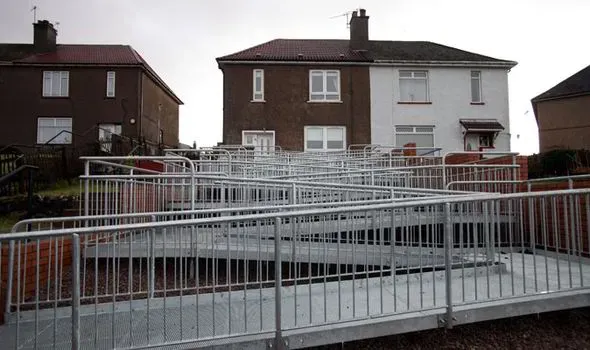
In today’s world, wheelchair accessibility should be a fundamental consideration in all home adaptations, especially for families with disabled children. The complexity of individual needs can vary widely, and the absence of adequate facilities often results in severe challenges for families. In the case of Mr C, the steepness of the ramp not only compromises safety but also illustrates broader issues of neglect from local councils towards necessary home modifications. Ensuring that homes are adapted to meet the requirements of those with disabilities is not just a matter of convenience but a vital aspect of providing a dignified quality of life.
Moreover, local councils hold a significant responsibility to guarantee that their constituents receive the right support and accommodations. In Mr C’s situation, the refusal to install a proper ramp, coupled with the lack of a hoist and other essential adjustments, indicates a failure in duty of care. Disabled accommodations are critical for enabling independence and preventing avoidable hardships, particularly for children with severe physical and learning difficulties. Proactive measures should be taken to avoid local council negligence, thereby supporting families effectively.
Brent Council Ramp Installation: A Case of Negligence
Brent Council’s failure to provide the necessary ramp installation for Mr C serves as a cautionary tale regarding local council responsibilities. Despite having the information needed to understand Mr C’s worsening condition and ongoing challenges, the council delayed action, putting the health and safety of the child at risk. The Local Government Ombudsman’s findings affirm the need for councils to be held accountable for their decisions, particularly when it comes to installations that significantly affect accessibility. Without urgency and commitment to making these adaptations, families are left struggling and may experience further stress and trauma.
In examining the case further, it is evident that the lack of Brent Council’s prompt response reflects a broader trend of inadequate support for families with disabled children. The situation requires not just reactionary measures after complaints are made but a proactive approach to understanding and addressing the needs of these vulnerable members of the community. As the Ombudsman recommended changes, it highlights the imperative for Brent Council to improve its protocols for ensuring swift and effective installations that genuinely cater to the needs of all residents, preventing future local council negligence.
Navigating Home Adaptations for Disabled Children
Navigating the process of home adaptations for disabled children often involves considerable emotional and practical challenges for families. Mrs B’s struggle illustrates the frustration that can arise when dealing with local authorities over necessary modifications, such as converting a garage into a wet room or kitchenette. Each of these adaptations plays a pivotal role in enhancing the quality of life for children like Mr C, who face daily obstacles that many take for granted. The goal should be to transform a home into a safe and welcoming space rather than a reminder of limitations.
Additionally, the requirement for adaptations can be a lengthy and convoluted process, often slowed by bureaucratic hurdles or council reluctance to fund necessary works. The experiences of Mrs B underscore the importance of advocacy and persistence when it comes to ensuring that local councils fulfill their obligations. Families need to be equipped with an understanding of their rights and the resources available to them. Support systems, both from other parents and from organizations working in the field of disabled child support, can provide invaluable assistance when navigating these home adaptations.
The Role of Local Government Ombudsman in Home Adaptations
The Local Government Ombudsman plays a critical role in overseeing the actions of local councils and ensuring they meet their obligations to residents, especially families with disabled children. In the case of Mr C, the Ombudsman’s intervention highlighted the significant delays and inadequate responses by Brent Council in addressing urgent adaptations needed for his home. This situation illustrates the essential function that the Ombudsman serves in holding councils accountable, representing an important mechanism for families seeking justice and corrective action when they’ve experienced government negligence.
Moreover, the Ombudsman’s findings can serve as a catalyst for broader legislative changes, encouraging local councils to revisit their approaches towards disabled accommodations and home adaptations. By addressing systemic issues highlighted through such investigations, it is possible to instigate reforms that create more responsive, child-centered services. Ultimately, the advocacy of the Ombudsman not only seeks to rectify individual cases but also aims to enhance the overall framework within which local governments operate, ensuring that they are prioritizing the needs of vulnerable populations.
Challenges in Securing Disabled Accommodations
Securing appropriate disabled accommodations is often fraught with challenges for families. The experience of Mr C’s family illustrates the barriers they faced, such as the council’s reluctance to approve necessary adaptations. These challenges can stem from budget constraints, bureaucratic inefficiencies, or simply a lack of understanding of the complexities involved in providing adequate support for disabled individuals. Families need to navigate a system that can often be slow and unresponsive, which can lead to an erosion of trust in the institutions meant to provide support.
Additionally, families may encounter additional psychological stress while fighting for their rights and the accommodations their loved ones require. For families like Mrs B’s, each obstacle—be it logistical or emotional—adds to the urgency of their situation, amplifying their frustrations. Advocacy and support groups can play a central role in helping families understand their rights and the available resources to overcome these challenges. It’s vital for local councils to recognize these hurdles and take active steps to reduce the strain on families actively seeking necessary adaptations.
Emphasizing the Need for Timely Home Adaptations
Timely home adaptations are essential for ensuring that the specific needs of disabled individuals are met as they evolve. For Mr C, delays in making necessary changes have not only resulted in physical challenges but also emotional strain for both him and his family. As conditions worsen, the need for adaptations becomes increasingly urgent. It raises vital questions about how local councils prioritize the needs of vulnerable individuals, especially when their health and safety depend on prompt action and proper supports being in place.
Furthermore, the repercussions of delayed adaptations can have long-term consequences for families. For instance, when Mr C’s condition deteriorates, every moment spent waiting for a proper ramp or bathroom modification can lead to increased health risks and complications. Therefore, local councils must implement systems designed to expedite processes, ensuring that assessments are accurate and resources are allocated swiftly. It is not merely about compliance with regulations but about honoring the dignity and rights of families in need of immediate support.
Community Support and Resources for Families with Disabled Children
Communities play a vital role in providing support and resources for families with disabled children, helping bridge gaps when local council support is lacking. For families like Mr C’s, accessing local resources can mean the difference between enduring hardships and achieving necessary adaptations. Community organizations, support groups, and advocacy networks can offer guidance, share experiences, and connect families to essential services, creating a supportive network that takes some pressure off the shoulders of those families.
Additionally, community engagement helps raise awareness about the challenges faced by families with disabled children, potentially influencing public policy and council actions. By organizing awareness events, workshops, and campaigns, communities can advocate for the rights of disabled individuals, pushing local councils to take action on pressing needs. This collective voice serves not only as a support system but as a formidable force for change, urging councils to prioritize and enhance their efforts in providing accessible environments and responsive support services.
Navigating the Complicated Process of Grant Applications for Hoists
Grant applications for adaptive equipment such as hoists can be a daunting process for families of disabled children. The case of Mr C reveals how long processing times and bureaucratic challenges can delay essential adaptations at home. Families are already facing emotional and physical tolls; the last thing they need is to navigate an arduous system to obtain necessary equipment. Importantly, raising awareness about the existence and importance of these grants is crucial for ensuring families can access timely assistance.
Moreover, the successful integration of hoists and other equipment into a home depends upon timely applications and approvals. Councils and community organizations can play a significant role in streamlining these processes, providing guidance, and simplifying applications for families who are often overwhelmed. Adequate support during this stage not only helps secure the actual equipment but also ensures that the families feel supported and heard throughout the process, reinforcing the importance of accessibility and responsiveness in local governance.
Addressing Local Council Failures in Disabled Child Support
Addressing the failures of local councils in providing adequate support for disabled children is crucial for the well-being of families facing significant hurdles. The case of Mr C exemplifies a breakdown in services where necessary adaptations and accommodations were delayed for far too long. Such failures not only affect the health and safety of the child involved but can also create a ripple effect, impacting siblings and parents emotionally and financially. Communities need to challenge councils to recognize their responsibilities and enforce standards that prioritize accessibility.
Efforts to hold councils accountable can manifest in various advocacy campaigns, policy changes, and community outreach initiatives. By raising awareness and demanding action, families can reclaim their voices in a system that often overlooks the specific needs of disabled children. This activism can lead to the creation of better policies and support frameworks that address the needs of these families, ensuring that their rights to proper accommodations are honored and respected. The story of Mr C serves as a rallying point for broader discussions about local governance and the adaptations necessary to create inclusive and supportive environments.
Frequently Asked Questions
What actions can I take if Brent Council fails to install a ramp for wheelchair accessibility?
If Brent Council fails to install a ramp for wheelchair accessibility, you should document all communications and formal complaints regarding the situation. You may contact the council’s customer service or a local authority officer responsible for disabled accommodations. If issues persist, consider escalating your complaint through the Local Government Ombudsman who can investigate local council negligence.
How can I request home adaptations for my disabled child in Brent?
To request home adaptations for your disabled child in Brent, you must contact Brent Council’s social services or housing department. Provide detailed information about your child’s specific needs and the existing barriers, such as lack of wheelchair accessibility. An occupational therapist may conduct an assessment to recommend necessary adaptations.
What should I do if the ramp installed by Brent Council is too steep?
If the ramp installed by Brent Council is too steep, you should report this concern to the council’s occupational therapy service. They can assess the ramp’s safety for disabled accommodations. Document your concerns and any incidents that occur due to its steepness to build a stronger case for necessary adjustments.
What compensation can I expect for delays in ramp installation by Brent Council?
Compensation for delays in ramp installation by Brent Council can vary based on the case’s specifics. If your situation is similar to others where local councils have been found at fault, you might be entitled to compensation for distress or inconvenience experienced. It’s advisable to seek legal advice or assistance from advocacy groups to navigate this process.
How long does it take for Brent Council to process home adaptation requests?
The processing time for home adaptation requests with Brent Council can be lengthy, often due to high demand and resource constraints. It typically includes assessments by occupational therapists, planning approvals, and grant applications. Staying in regular contact with the council can help keep your application moving along.
What alternatives are available if Brent Council refuses to grant necessary home adaptations for my disabled child?
If Brent Council refuses to grant necessary home adaptations for your disabled child, you can appeal the decision, escalating it within the council. Additionally, seeking support from local charities and advocacy groups may provide alternatives or funding options. Legal advice may also help you challenge the council’s decision.
What are the responsibilities of Brent Council regarding wheelchair accessibility?
Brent Council is responsible for ensuring wheelchair accessibility and providing necessary adaptations for disabled individuals under various housing and disability rights laws. This includes assessing needs accurately, providing safe and functional living environments, and maintaining compliance with safety regulations.
Can I appeal if Brent Council’s adaptations do not meet my disabled child’s needs?
Yes, if Brent Council’s adaptations do not meet your disabled child’s needs, you can appeal their decisions. Document your concerns and provide clear reasoning as to why the adaptations are insufficient. Consider involving an advocate or legal counsel to support your appeal and ensure your child’s requirements are adequately addressed.
| Key Point | Details |
|---|---|
| Background | A North London mother struggles to push her 94 kg son up a steep ramp due to Brent Council’s failure to install a necessary ramp and adapt their home. |
| Compensation | The family received £1,500 compensation after an investigation into Council delays in home adaptations. |
| Son’s Condition | Mr C has severe physical and learning difficulties that require significant caregiving. |
| Council’s Investigation | An occupational therapist found the ramp too steep and recommended installing a hoist. |
| Grant Application | The Council cited long processing times for the hoist grant due to high demand. |
| Proposed Solutions | Despite requests for necessary conversions, the Council recommended relocating instead of making adaptations. |
| Ombudsman Findings | The Local Government Ombudsman found the Council at fault for delays and directed them to provide necessary adaptations. |
Summary
Brent Council ramp installation has become a crucial issue for families facing challenges with accessibility. In this case, a mother was left struggling with inadequate infrastructure for her disabled son, highlighting the urgent need for efficient response and support from local authorities. The delays in making necessary home adaptations not only affect the family’s quality of life but also demonstrate the importance of addressing comprehensive care needs for individuals with disabilities. This situation serves as a poignant reminder of the responsibilities that councils have in ensuring proper care and facilities for their disabled residents.