Listen to this article
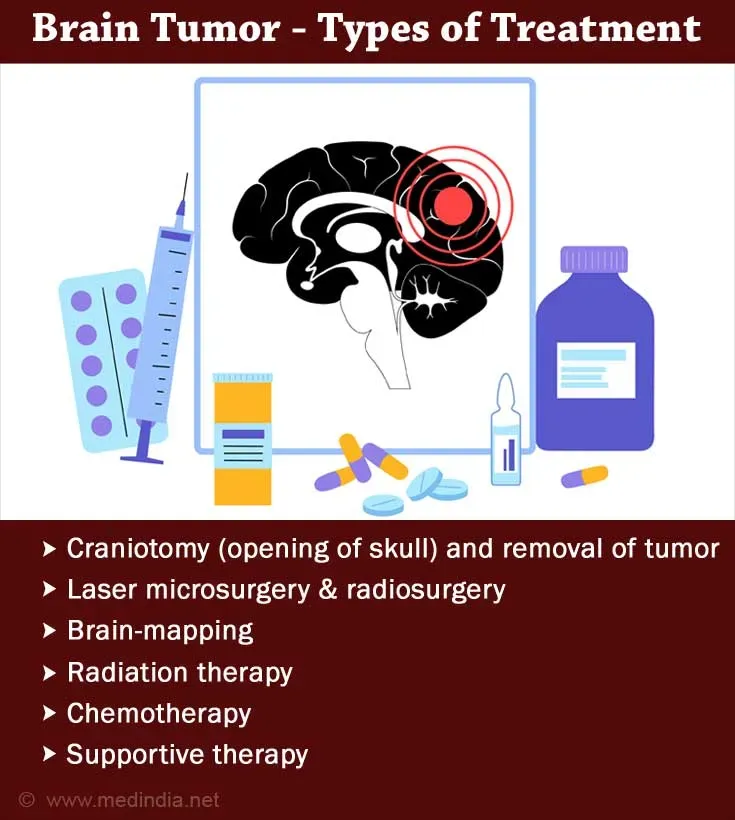
Brain tumor treatment has emerged as a critical focus in the fight against brain cancer, seeking innovative solutions to improve patient outcomes. Recent advances in immunotherapy for brain tumors, designed to harness the body’s immune system, offer new hope for patients battling this devastating condition. As advocates like Ellie James push for more personalized brain tumor treatment options, the importance of preserving frozen tumor tissue post-surgery has come to the forefront. Research initiatives funded by the UK government, including a significant £13.7 million investment, underscore the urgent need for enhancing treatment modalities and expanding brain cancer research. With the support of lawmakers and the public, efforts to reform tissue storage practices could pave the way for groundbreaking therapies, potentially changing the landscape of brain tumor management.
When exploring therapies for tumors in the brain, it is vital to understand the most effective strategies available. Recent discussions have highlighted the significance of tailoring treatment plans to each individual, moving towards personalized medicine that can yield better results. The practice of using immunotherapy and the importance of freezing surgical samples for future vaccine development are crucial components of this evolving field. Efforts led by advocates reveal the potential benefits of ensuring that patients retain ownership of their tumor tissue, significantly impacting future treatment possibilities. In this context, legislation like “Owain’s Law” aims to redefine patient rights, providing pathways for innovative research and enhanced care for those facing terminal brain conditions.
The Need for Reform in Brain Tumor Treatment
Brain tumor treatment presents unique challenges, with the current medical landscape sometimes failing to provide adequate options for patients. As Ellie James passionately advocates for the preservation of tumor tissue, it highlights a significant oversight in the healthcare system. The possibility of using frozen tumor tissue for vaccine development or research could revolutionize personalized brain tumor treatment, maximizing the potential for more tailored therapies. Indeed, according to emerging studies in brain cancer research, the strategic use of stored tumor tissue can enhance treatment outcomes and prolong patient lives.
James’s campaign underscores the emotional weight of her mission—an aim to change the treatment options available for patients who, like her late husband, are battling aggressive forms of brain cancer. Owain’s Law seeks to ensure that all surgical patients have their tumor tissue frozen, providing future opportunities for immunotherapy and innovative treatments. By spearheading this reform, advocates hope to bridge the gap between current practices and the advanced possibilities offered by emerging research and technology.
Immunotherapy for Brain Tumors: A Promising Path
Immunotherapy for brain tumors has emerged as a groundbreaking approach in oncology, focusing on harnessing the body’s immune system to target and destroy cancer cells. This method presents a radical shift from traditional treatments, such as chemotherapy and radiation. Personalized brain tumor treatment tailored to individual patients using immunotherapy showcases how specific responses can be anticipated based on a patient’s unique tumor biology and immune profile. For instance, the case of Owain underscores the potential impact of immunotherapy when adequate tumor tissue is available for vaccine development.
Despite the promise of immunotherapy, its effectiveness can be impeded by the limited access to preserved tumor tissue—which is pivotal for creating autonomously tailored vaccines. The challenge is not merely ensuring the availability of this tissue but also navigating the complexities surrounding consent and ownership of biological samples. Ellie’s advocacy is not only about personal loss but also about illuminating the broader implications for patients who could significantly benefit from advancements in immunotherapy, enriching the scope of available treatment options in the fight against brain cancer.
The Role of Frozen Tumor Tissue in Treatment Advances
The preservation of frozen tumor tissue represents a crucial step in advancing brain cancer treatment and research. The ability to utilize removed tumor tissue for future therapies could revolutionize treatment protocols, as emphasized by Ellie James in her campaign for Owain’s Law. This law would mandate hospitals to automatically freeze tumor tissue upon surgical removal, thereby maximizing the potential for further therapeutic interventions, including personalized vaccines and other experimental treatments.
Research shows that the availability of preserved tumor tissue greatly influences the development of innovative treatment strategies. As outlined by Dr. Karen Noble from Brain Tumor Research, the genetic information contained within the tumor is invaluable for understanding the cancer’s behavior. When tumor tissue is stored properly, it opens pathways for personalized therapies and clinical trials that could lead to significant breakthroughs in the management of brain tumors—factors that could greatly enhance patient prognoses.
Chris Evans and Legislative Efforts for Brain Tumor Patients
Chris Evans, MP, has taken on the issue of tumor tissue preservation in the UK Parliament, representing a legislative effort to bring about real change for brain tumor patients. His leadership in the Commons debate demonstrates the vital role of lawmakers in addressing healthcare inadequacies, particularly concerning advanced treatment options. Ellie’s relentless pursuit of change inspires hope not only for herself but for countless families who will face similar challenges in the future.
The debate in Parliament is significant, as it reflects growing awareness of the urgent need to reform existing policies related to brain tumor treatment. With the government pledging considerable financial investment into brain cancer research, there is an opportunity for lawmakers, researchers, and healthcare professionals to collaborate and create a more comprehensive approach to brain tumor treatment. Together, they can work toward ensuring that patients receive the best possible care, including access to personalized and revolutionary therapeutic options.
The Importance of Patient Consent and Ownership
In advocating for Owain’s Law, Ellie James emphasizes an essential principle: the ownership and consent of tumor tissue belong to the patient. This idea challenges the status quo, where patients often have little say over what happens to their biological materials post-surgery. Ensuring that patients give informed consent regarding the storage and use of their tumor tissue is fundamental to rebuilding trust in the healthcare system, especially in light of emerging treatment options such as personalized vaccines.
Furthermore, patient ownership over tumor tissue aligns with broader movements toward patient empowerment and involvement in their healthcare decisions. This shift could pave the way not only for more open communication about treatment options but also for innovative therapeutic developments in brain tumor care. Legislation that supports patient rights in this manner is of utmost importance in the evolving landscape of cancer treatment, where personalization and patient-centric care are becoming increasingly crucial.
Public Awareness and Funding for Brain Cancer Research
The conversation around brain cancer treatment is gaining momentum, partly due to grassroots campaigns like Ellie James’s. Increased public awareness is crucial for mobilizing funding and influencing policy changes that can lead to significant advancements in treating brain tumors. Organizations focused on brain cancer research are stressing the urgent need for improved funding to explore new treatment avenues, including the role of personalized treatment methods and immunotherapy.
With substantial investments from the UK government aimed at bolstering brain cancer research, the push for innovative treatment options is on the rise. Such funding is vital for uncovering new approaches, such as utilizing frozen tumor tissue for vaccine creation, aimed at maximizing the potential treatment efficacy for patients. Engaging the public in these discussions will not only help rally support for essential causes but also inspire new pathways to more effective brain cancer care.
Clinical Trials and Their Impact on Brain Tumor Treatments
Clinical trials remain a cornerstone of the advancement of treatments for brain tumors, allowing researchers to test innovative therapies and assess their effectiveness. With the integration of personalized brain tumor treatment approaches, clinical trials provide critical data that can significantly impact patient care. The collection of tumor tissue for trials can lead to stronger, more personalized therapy options based on individual patient contexts.
Patients and families, like those of Ellie and Owain, often feel a sense of urgency in participating in clinical trials when faced with dire diagnoses. The potential to receive groundbreaking treatments earlier makes clinical trials a beacon of hope. By supporting the freezing of tumor tissue, the opportunity for patients to participate in trials utilizing their unique genetic information can transform treatment personalization, ultimately aiming to enhance survival rates and quality of life.
Community Support and Patient Advocacy in Brain Cancer
Community support plays an essential role in the journey for those affected by brain tumors. Ellie James’s advocacy work exemplifies how personal experiences can drive a movement, encouraging others in similar situations to voice their needs and push for change. Such grassroots efforts are crucial in raising community awareness about the challenges faced by brain cancer patients and can lead to increased support for initiatives aimed at improving treatment options.
The power of patient advocacy in the realm of brain cancer cannot be underestimated, as it creates a collective force that can influence policymakers, researchers, and healthcare providers. By sharing their stories, individuals like Ellie not only honor their loved ones but also ignite critical conversations about necessary reforms and research advancements. This solidarity fosters a community that can push for systemic changes in the landscape of brain cancer treatment, advocating for every patient’s right to optimal care.
The Future of Brain Tumor Treatments: Preparing for Change
The future of treatment for brain tumors holds promise, particularly as research and advocacy converge to create new possibilities. As funding for brain cancer research increases, so too does the potential for groundbreaking therapies, including advancements in immunotherapy and personalized treatments based on frozen tumor tissue. The advocacy for legislative reforms like Owain’s Law could serve as a catalyst, changing the approach to brain tumor treatment fundamentally.
Preparing for change involves collaboration among patients, healthcare providers, researchers, and legislators to ensure that the best practices are adopted across the healthcare system. Emphasizing patient-centric policies and innovative research can lead to better outcomes for those diagnosed with brain tumors. The dedication displayed by advocates like Ellie James not only seeks to honor personal losses but also aims to create a future where more lives are saved and enhanced through thoughtful, advanced treatment strategies.
Frequently Asked Questions
What are the most promising developments in brain tumor treatment research?
Recent advancements in brain cancer research highlight innovative approaches such as immunotherapy for brain tumors, including personalized vaccines tailored to individual tumor genetics. Investments by the UK government, totaling £13.7 million, focus on these cutting-edge methods to improve treatment options and outcomes for patients.
How does immunotherapy for brain tumors improve patient outcomes?
Immunotherapy for brain tumors harnesses the body’s immune system to target and destroy cancer cells. By creating personalized brain tumor treatments, such as cancer vaccines derived from a patient’s own tumor tissue, this approach offers hope for more effective and tailored therapies, significantly improving patient survival rates.
What is the importance of freezing tumor tissue for future brain tumor treatment?
Freezing tumor tissue is crucial for developing personalized brain tumor treatments, such as vaccines or other immunotherapies. The preservation of frozen tumor tissue allows researchers to gather genetic information needed for innovative treatments, enhancing the potential for successful clinical applications.
How does Owain’s Law aim to change brain tumor treatment protocols?
Owain’s Law proposes that patients give written consent for the collection and freezing of tumor tissue post-surgery. It seeks to ensure that all removed tissue is preserved for future research and treatment opportunities, thereby enhancing the development of personalized brain tumor treatments.
What challenges do patients face regarding the storage of brain tumor tissue?
Patients often encounter issues related to the proper storage of brain tumor tissue post-surgery. Inadequate preservation can limit access to personalized treatments, such as immunotherapy vaccines, by restricting the amount of usable tumor tissue for future therapeutic applications.
What role does genetic information play in personalized brain tumor treatment?
Genetic information is vital in personalized brain tumor treatment as it allows for the tailoring of therapies that specifically target the unique characteristics of an individual’s tumor. This data is often obtained from frozen tumor tissue, which helps identify effective treatment modalities and enhances patient outcomes.
How can patients advocate for changes in brain tumor treatment legislation?
Patients can advocate for changes in brain tumor treatment legislation by raising awareness through campaigns like Owain’s Law, engaging with lawmakers, and sharing personal stories. By highlighting the need for improved storage and consent protocols for tumor tissue, patients can drive legislative action to enhance treatment outcomes.
What support exists for advancing brain tumor research and treatment options?
Organizations like Brain Tumor Research and funding from the UK government actively support advancing brain tumor research. They aim to enhance tissue storage capabilities and promote innovative treatments such as personalized brain tumor therapies, contributing to the ongoing fight against brain cancer.
What can we learn from personal experiences with brain tumor treatments?
Personal experiences, such as those shared by patients and families impacted by brain tumors, underline the critical need for accessible and effective treatment options. They highlight the importance of informed consent and proper storage of tumor tissue, which can significantly influence the success of treatments like immunotherapy.
What is the significance of the £13.7 million investment in brain tumor research?
The £13.7 million investment by the UK government aims to bolster brain cancer research by supporting the development of innovative treatments. This funding is essential for advancing personalized therapies, improving patient outcomes, and fostering collaboration within research consortia focused on brain tumor challenges.
| Key Point | Details |
|---|---|
| Background | A woman’s husband died from a brain tumor, prompting her advocacy for improved treatment options. |
| Current Campaign | Ellie James campaigns for hospitals to freeze tissue removed during brain tumor surgeries for research and vaccine development. |
| Political Discussion | James’s efforts will be discussed by MPs, with her MP leading a debate on the issue. |
| Government Investment | The UK government is investing £13.7 million to develop new brain tumor treatments. |
| Personal Experience | James’s husband had limited access to immunity vaccines due to insufficient preserved tissue. |
| Call for Change | James believes that changes to consent and tissue preservation laws could save lives. |
| Potential Impact | Proper storage of brain tumor tissue is crucial for developing personalized treatments. |
| Voices of Support | Others diagnosed with brain tumors echo the need for legislation like ‘Owain’s Law’. |
| Patient Advocacy | Many call for awareness about treatment options and proper tissue storage. |
Summary
Brain tumor treatment is an evolving field, with significant advocacy emerging from personal experiences. Ellie James’s campaign to preserve brain tumor tissue for research highlights the urgent need for policy changes to improve treatment options for patients. This effort, supported by substantial government investment, echoes the sentiments of many affected individuals who understand the critical importance of tissue preservation. As discussions unfold in Parliament, there is hope that effective policies can lead to more successful treatment outcomes for future patients facing brain tumors.