
Listen to this article
Brain fog is a frustrating condition that can leave individuals feeling disoriented and forgetful, especially during crucial moments like public speaking engagements. For many women navigating the challenges of menopause, brain fog can become a common symptom of hormonal fluctuations associated with menopause and perimenopause. The experience of struggling to find the right words or losing track of thoughts can be particularly distressing in professional settings, where articulate communication is essential. With increasing awareness surrounding women’s health issues, including menopause brain fog, it’s important to discuss effective management strategies and the potential role of hormone therapy in mitigating these symptoms. As conversations around health awareness grow, integrating tips for public speaking can empower women to confidently share their experiences and advocate for their well-being.
Cognitive cloudiness and mental fatigue often accompany the menopause transition, manifesting as moments of forgetfulness and difficulty concentrating. This phenomenon, often referred to as cognitive fog, affects many individuals during significant life changes, particularly among women approaching menopause. The impact of fluctuating hormones can significantly influence cognitive function, leaving many feeling lost in their thoughts, especially during high-pressure situations like presenting or pitching new ideas. It’s crucial that we address these cognitive challenges within the broader dialogue about women’s health, emphasizing the strategies and resources available to navigate these symptoms effectively. By understanding the correlation between hormonal changes and cognitive clarity, we can better equip ourselves with tools and tips to enhance both mental wellness and public speaking abilities.
Understanding Brain Fog During Menopause
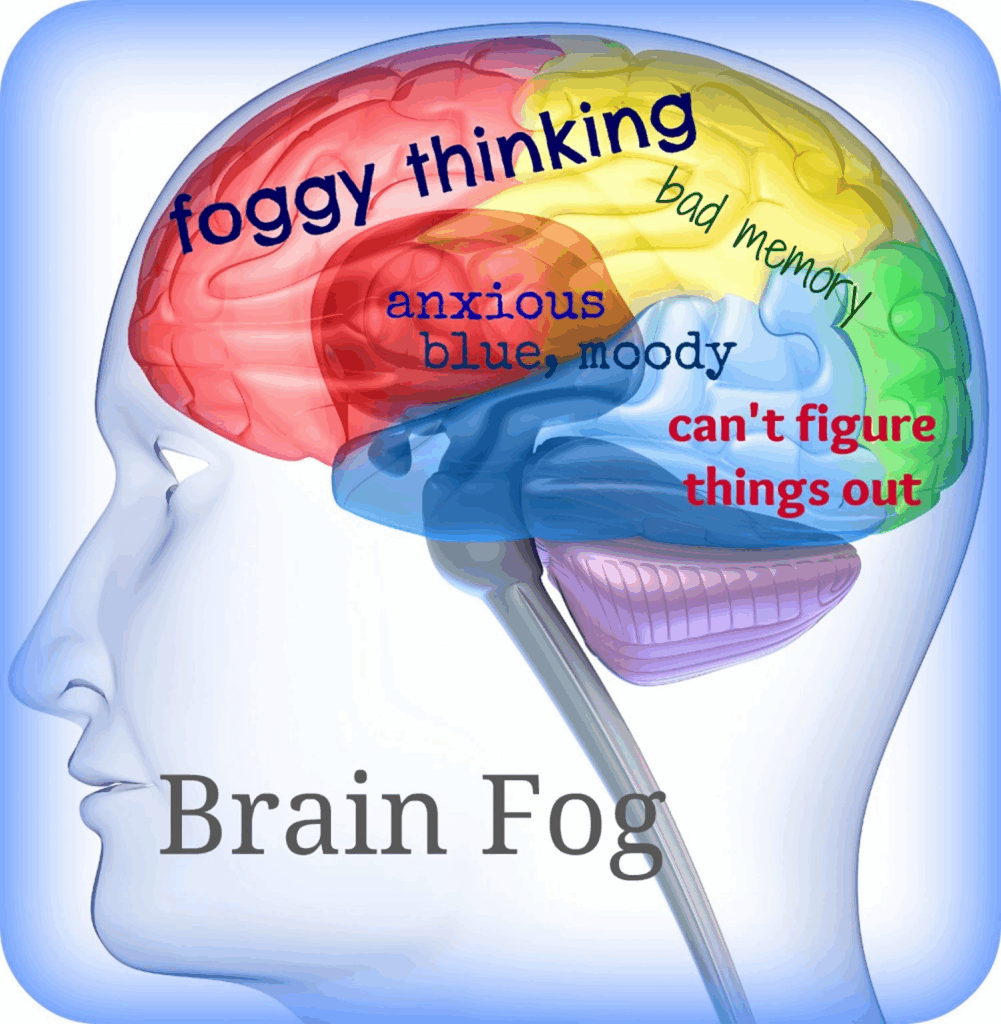
Brain fog, often described as a state of mental cloudiness, is a common experience for many women, particularly during menopause. This phenomenon can manifest as forgetfulness, lack of focus, and a feeling of confusion that seems to arise unexpectedly. For women navigating perimenopause, these cognitive difficulties can be particularly distressing. Changes in hormone levels, especially fluctuations in estrogen and testosterone, contribute significantly to this elusive condition, making it vital for women to understand the underlying causes.
Many women report encountering brain fog when public speaking or engaging in high-pressure tasks, leading to feelings of anxiety and incompetence. The inability to recall simple words or thoughts can feel deeply frustrating. However, it’s essential to recognize that brain fog is not an indication of overall cognitive decline. Instead, it highlights the need for women’s health awareness, addressing how hormonal changes affect mental clarity.
Frequently Asked Questions
What is brain fog and how does it relate to menopause brain fog?
Brain fog refers to a temporary state of mental cloudiness, characterized by confusion, forgetfulness, and lack of focus. Menopause brain fog is specifically linked to hormonal changes that occur during menopause, causing cognitive difficulties such as trouble recalling words or keeping track of thoughts.
How can hormone therapy help manage brain fog associated with perimenopause symptoms?
Hormone therapy can be an effective treatment for managing brain fog associated with perimenopause symptoms. By balancing hormone levels, particularly estrogen and progesterone, many women find relief from cognitive symptoms, including memory lapses and decreased clarity.
What public speaking tips can help manage brain fog during presentations?
To manage brain fog during presentations, consider using notes or cue cards to keep your thoughts organized. Practice deep breathing to reduce anxiety, and break the content into smaller, manageable sections. Engaging in regular mental exercises may also help improve focus and memory.
How do menopause symptoms like brain fog affect women’s health awareness?
Menopause symptoms, especially brain fog, highlight the importance of women’s health awareness. Recognizing that cognitive difficulties can stem from hormonal changes encourages women to seek help, discuss these issues openly, and explore treatment options, enhancing quality of life during menopause.
What are some supplements that may help alleviate brain fog during menopause?
Several supplements are marketed to help alleviate brain fog during menopause, including omega-3 fatty acids, vitamin D, and B vitamins. While some women find these helpful, it’s important to consult with a healthcare professional before starting any supplement regimen.
Are there any lifestyle changes that can reduce brain fog symptoms during perimenopause?
Yes, lifestyle changes such as regular exercise, a balanced diet rich in antioxidants, adequate sleep, and stress management techniques like yoga or meditation can help reduce brain fog symptoms during perimenopause. Staying mentally active through puzzles and reading can also improve cognitive function.
Can testosterone therapy play a role in addressing brain fog in women experiencing menopause?
Testosterone therapy may play a role in addressing brain fog in women experiencing menopause, as it can improve cognitive function and energy levels. However, testosterone is not typically included in standard hormone replacement therapy, so it’s essential to discuss this option with a healthcare provider.
How does brain fog during menopause differ from other neurological conditions?
Brain fog during menopause is primarily associated with hormonal fluctuations and is not classified as a neurological condition. In contrast, other neurological conditions, such as dementia or Alzheimer’s, are characterized by more severe cognitive decline and are caused by different underlying mechanisms.
Why is it important for women to discuss experiences of brain fog related to menopause?
Discussing experiences of brain fog related to menopause is crucial for reducing stigma and fostering a supportive community. It raises awareness about the cognitive effects of menopause, encourages women to seek help, and promotes conversation that can lead to better understanding and management of symptoms.
What practices or therapies have been recommended for women struggling with brain fog?
Women struggling with brain fog have been recommended to consider hormone therapy, cognitive behavioral techniques, mindfulness practices, and red-light therapy. Regular physical activity and maintaining a healthy social life can also significantly improve cognitive clarity.
| Key Points |
|---|
| BBC technology editor Zoe Kleinman discussed her recent experience with ‘brain fog’ on live TV, which resonated with many viewers, especially women. |
| ‘Brain fog’ is not a medical term but is recognized for causing memory lapses and moments of confusion, often exacerbated by hormonal changes in women during perimenopause. |
| Kleinman’s personal experience led to public discussions about brain fog, highlighting its effects on women’s professional lives, particularly in roles requiring public speaking. |
| A hashtag #holdthenotes emerged, showing support for those experiencing brain fog, encouraging people to be open about using notes while speaking. |
| Medical experts noted the role of hormone levels, especially testosterone, in cognitive function and the impact of menopause on brain health. |
| There are potential remedies for brain fog including supplements and innovative therapies like red-light therapy, though their efficacy may vary. |
| Kleinman plans to explore hormone testing and therapies while advocating for conversation and awareness surrounding brain fog. |
Summary
Brain fog can be an overwhelming challenge, especially for women experiencing hormonal changes associated with perimenopause. The recent discussions, spurred by Zoe Kleinman’s candid sharing of her own brain fog experience on live television, have shed light on this issue. As women navigate their professional landscapes, the conversation around brain fog highlights not just personal struggles, but also the importance of community support and the need for further understanding of hormonal influences on cognitive health. By educating ourselves and breaking the stigma around these symptoms, we can foster a more supportive environment for those affected.

