Listen to this article
Boosting the immune system is a pursuit that many people undertake, especially during cold and flu season. To enhance your body’s defenses, integrating practices like cold water swimming can be surprisingly beneficial. According to health experts, this invigorating activity releases infection-fighting white blood cells, providing a temporary immune boost. Additionally, ensuring adequate vitamin C immune support can further strengthen your body’s resilience against viruses. Regular exercise, combined with effective stress management, plays a crucial role in maintaining robust immune health, making it essential to adopt a holistic approach to wellness.
Enhancing your body’s defenses against illness is often a top priority, especially during times of heightened viral activity. Utilizing techniques such as icy swims not only invigorates the body but potentially invigorates immunity as well. Incorporating nutrient-rich elements like vitamin C into your diet can serve as a foundational element for sustaining strength against common ailments. Furthermore, engaging in physical activity is known to improve overall wellness, while effective stress management techniques can bolster resilience. Equally important, methods like nasal irrigation help maintain respiratory health, all contributing to a comprehensive strategy for effective immune enhancement.
Understanding How Cold Water Swimming Affects Immunity
Cold water swimming has gained popularity as a potential method for improving one’s immune system. The primary idea behind this practice is that exposure to cold water may stimulate the body’s production of white blood cells, which are essential for combating infections. Participants in cold water swims often report a sense of invigoration and a temporary boost in energy levels, suggesting some impact on physical wellness. However, experts like Professor Eleanor Riley have raised important points regarding the lack of substantial evidence supporting the claim that cold water swimming leads to a significant reduction in illnesses, including colds. It’s essential to understand this nuance when considering how this practice fits into your overall health strategy.
While the thrill and rejuvenation of cold water swimming can undeniably motivate individuals to engage in regular physical activity, it’s equally crucial to balance this with a broader view of health practices. Apart from potential short-term benefits, one must consider other lifestyle factors that contribute to a robust immune system. Many health experts advocate that focusing on regular exercise, maintaining a healthy diet rich in immune-supporting nutrients like vitamin C, and managing stress levels yield more consistent, long-term benefits for immune health.
The Role of Regular Exercise in Immune Function
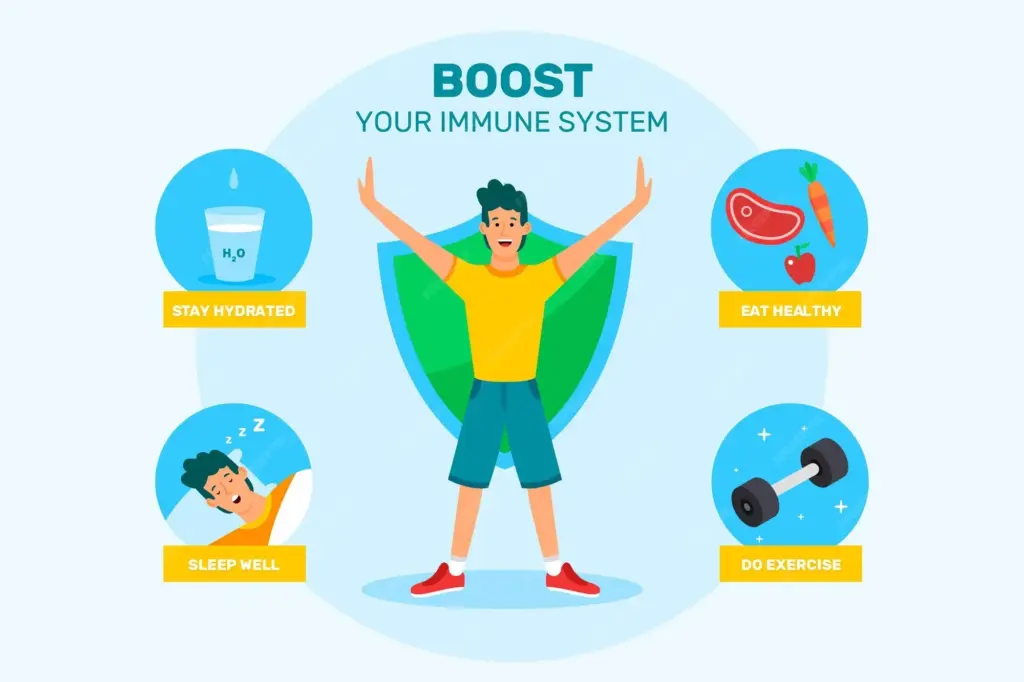
Regular exercise is a well-documented contributor to improved immune health. Engaging in moderate physical activity has been shown to correlate with a decrease in illnesses, particularly viral infections. Dr. Margaret McCartney notes that those who incorporate consistent exercise routines are likely to experience a slower decline in immune function as they age. The benefits of exercise extend beyond the immediate effects on the body; they also encompass mental health, with exercise acting as a stress management tool that further bolsters immune responses.
Understanding the interplay between exercise and immune health reveals that even simple activities, like walking or cycling, can significantly enhance circulation and promote the efficient distribution of immune cells throughout the body. This increased circulation helps the immune system function optimally, supporting the body in fighting off pathogens. Therefore, if you’re looking to enhance your immune system, integrating regular exercise into your daily routine is not just beneficial; it’s essential.
Debunking Myths About Vitamins and Immunity
The common belief that vitamin C and multivitamins act as miracle cures for enhancing immunity is often overstated. While vitamins play a vital role in maintaining overall health, their function is sometimes misconstrued as a direct means to ‘boost’ the immune system. Dr. McCartney emphasizes that for most people, vitamin supplementation is unnecessary unless a specific deficiency is present. This points to the importance of obtaining vital nutrients through a balanced diet, rich in fruits, vegetables, and whole grains, rather than relying solely on pills.
Moreover, vitamin D has been a topic of debate, especially concerning its effectiveness during winter months when sunlight exposure is limited. Ensuring adequate vitamin D levels is important, but this should be viewed as part of a broader strategy to support immune health, which includes maintaining an adequate lifestyle. Relying on excessive supplementation without a comprehensive approach can lead to neglect of other crucial health practices.
Managing Stress for Optimal Immune Function
Chronic stress is known to impact immune function negatively. High levels of cortisol, a stress hormone, can suppress the immune system, making individuals more susceptible to infections. This connection underscores the importance of effective stress management as a part of one’s overall health regimen. Incorporating practices such as mindfulness, physical activity, and time spent in nature not only alleviates stress but can also foster a more resilient immune system.
Addressing stress effectively can also improve mental well-being, which further supports immune functionality. Techniques for managing stress may include yoga, meditation, or simply spending quiet time outdoors. By prioritizing mental health, individuals can take proactive steps towards enhancing their immune health, representing an important aspect of maintaining overall wellness.
The Benefits of Nasal Irrigation for Colds
Nasal irrigation has gained attention as a supportive practice during cold season, especially for alleviating symptoms associated with colds. According to a study published in The Lancet, using saline nasal sprays can reduce the duration and severity of illnesses like colds. By flushing out mucus and allergens, nasal irrigation helps ensure clearer airways, which is vital for optimal respiratory function and overall health.
Incorporating nasal irrigation into daily routines may serve as an effective preventative measure against upper respiratory infections. Particularly during winter when colds are more prevalent, individuals seeking to support their immune system may find this simple practice a worthwhile addition. This emphasizes the importance of looking for comprehensive and holistic approaches for fostering immune health, rather than relying solely on popular fads.
Nutrition and Immune Support: A Focus on Diet
Nutritional choices significantly impact immune health, making diet a key component for those looking to bolster their defenses against illness. Consuming a diet rich in antioxidants, vitamins, and minerals plays a crucial role in maintaining immune function. Foods high in vitamin C, such as citrus fruits, and those rich in zinc, like nuts and seeds, are especially beneficial for supporting the immune system’s response to pathogens.
Moreover, incorporating a variety of colorful fruits and vegetables ensures that you are not only receiving essential nutrients but also the broad spectrum of phytochemicals that aid in immune health. Understanding the link between nutrition and immunity encourages a proactive approach to dietary choices, inspiring individuals to optimize their immune response through mindful eating.
The Importance of Sleep for Immune Health
Sleep is a critical component of overall health and is intrinsically linked to a well-functioning immune system. During sleep, the body undergoes various restorative processes that are essential for both physical and mental health. Studies have indicated that inadequate sleep can lead to decreased immune response, making individuals more vulnerable to infections.
Prioritizing sleep health should be a focal point in any immunity-enhancing strategy. This may involve creating a sleep schedule, minimizing screen time before bed, and developing a calming nighttime routine. By fostering a environment conducive to sleep, individuals can enhance their immune system’s efficiency and overall resilience against pathogens.
Hydration and Its Role in Immune Function
Staying adequately hydrated can significantly impact immune function and overall health. Water plays a fundamental role in the body’s ability to transport nutrients, eliminate toxins, and maintain cellular functions that are vital for a robust immune response. A well-hydrated body facilitates improved circulation and lymphatic flow, which is vital for the transportation of immune cells.
Incorporating hydration strategies, such as drinking water throughout the day and consuming hydrating foods like fruits and vegetables, can contribute to optimal immune performance. This underscores the importance of hydration in preventive health measures, supporting the argument that maintaining a healthy lifestyle can influence immune health positively.
The Effect of Social Connections on Immunity
Social interactions and connections have a profound impact on our health, including our immune systems. Research indicates that strong social ties can lead to reduced stress levels, which, as previously mentioned, is essential for maintaining functional immune responses. Building and maintaining relationships can provide emotional support and enhance overall wellbeing, contributing directly to a healthier immune system.
Moreover, social engagement often encourages healthier lifestyle behaviors, such as exercise and better nutrition, creating a positive feedback loop that bolsters immunity. By fostering connections with friends and family, individuals not only improve their emotional health but also create an environment conducive to enhancing their physical health and resilience against illness.
The Role of Vaccination in Immune Health
In the discussion of boosting the immune system, vaccination emerges as a critical and scientifically supported method in enhancing immunity against specific infections. Vaccines work by stimulating the immune system to recognize and combat pathogens more effectively, providing a safeguard against many infectious diseases. Despite various misconceptions about vaccines, extensive research reinforces their effectiveness and safety in promoting public health.
Understanding that vaccinations are one of the most effective strategies for preventing disease highlights the importance of integrating them into your health plan. While lifestyle choices certainly contribute to immune health, vaccines can offer a powerful additional layer of protection, especially in communities and populations at higher risk of certain illnesses.
Frequently Asked Questions
How does Vitamin C support immune health and boost the immune system?
Vitamin C is known for its role in supporting immune health by stimulating the production of white blood cells, which are crucial for fighting infections. Regularly consuming fruits and vegetables rich in Vitamin C can enhance immune function, especially during cold seasons.
What are the benefits of cold water swimming for boosting the immune system?
Cold water swimming is believed to temporarily boost the immune system by increasing white blood cell counts, though evidence linking it to a significant reduction in infections is limited. It can improve circulation and may enhance overall resilience against illness.
How does regular exercise help to boost the immune system?
Moderate regular exercise is beneficial for immune health as it can reduce the frequency of viral infections. It helps improve circulation, reduces inflammation, and may counteract the decline in immune function associated with aging.
Why is stress management crucial for boosting immune health?
Chronic stress can hinder immune function by increasing cortisol levels, which negatively affects the body’s ability to fight off infections. Engaging in stress management practices such as meditation, spending time in nature, or exercise can significantly enhance immunity.
Can nasal irrigation help with colds and improve immune function?
Yes, nasal irrigation, particularly with saline solutions, has been shown to reduce the duration and severity of colds. By clearing nasal passages, it can improve airflow and enhance the body’s natural defenses against respiratory infections.
| Key Point | Details | |
|---|---|---|
| Cold Water Swimming | Claims to boost immune system by increasing white blood cells but lacks solid evidence. | |
| Regular Exercise | Moderate exercise linked to fewer viral infections and slowed immune decline with age. | |
| Vitamins | Most people don’t need vitamin supplements; focus on deficiencies. Vitamin D’s effectiveness is debated. | |
| Stress Management | Chronic stress harms immune function; engaging in nature helps reduce stress. | |
| Nasal Irrigation | Saline nasal sprays may shorten the duration of colds according to recent studies. | |
| Overall Conclusion | A healthy lifestyle, including diet, exercise, and remain smoke-free is essential for immunity. Vaccination is key for preventing specific infections. | |
Summary
Boosting your immune system is a multifaceted endeavor that relies more on lifestyle choices than quick fixes. The article by James Gallagher underscores the importance of maintaining a healthy lifestyle through regular exercise, appropriate stress management, and a balanced diet. While practices like cold water swimming and vitamins may offer temporary or limited benefits, the most effective method to enhance immunity remains vaccination and adopting healthy habits.