Listen to this article
The tragic Bondi shooting has shocked Australia, igniting a national conversation about gun control, hate speech, and public safety. In one of the deadliest attacks in nearly 30 years, a festival in Bondi became the target of violence attributed to extremist ideologies. Following the event, New South Wales Premier Chris Minns has advocated for stricter hate speech laws to deter such incidents, aiming to ban inflammatory chants like “globalise the intifada.” The attack has led to a wider discourse on Australia mass shooting incidents and the need for reform, prompting swift governmental action. As Bondi protests emerge in response to the shooting, the community grapples with the aftermath and calls for a summer of calm amidst rising tensions.
The recent tragic event at Bondi Beach has brought significant attention to the challenges of violence and extremism in Australia. This incident underscores the urgency of examining the nation’s laws surrounding harmful speech and the need for effective firearm regulations. With Premier Chris Minns spearheading initiatives to tighten hate speech regulations and bolster gun control measures, the Bondi shootings reinforce the critical need for a serious discussion on public safety. As protests unfold and communities mourn, Australians are united in seeking peace and understanding in the wake of this devastating mass shooting.
Response to the Bondi Shooting: New Legislation on Hate Speech
In the aftermath of the tragic Bondi shooting, the New South Wales (NSW) government is moving swiftly to introduce new legislation aimed at combating hate speech. Premier Chris Minns has proposed banning the controversial phrase “globalise the intifada,” considering it a potential incitement to violence against Jewish communities. This move comes amid calls for a Royal Commission into the incident that claimed 15 lives, marking a critical step towards addressing the rising tide of extremism within the state. Minns’s measures reflect the urgent need to tackle harmful rhetoric that can exacerbate societal divisions and incite further violence.
The proposed changes to hate speech laws are part of a broader suite of measures that the NSW government plans to implement to ensure public safety and harmony among diverse communities. Following the Bondi shooting, which sent shockwaves across Australia, the government’s reaction aims to prevent similar incidents in the future. With the introduction of stricter regulations, authorities hope to foster an environment where tolerance and respect prevail, thus steering clear of phrases and actions that could ignite further tensions.
Call for Gun Control Reform in the Wake of Mass Shooting
The Bondi shooting has reignited the debate over gun control in Australia, as Prime Minister Anthony Albanese announced a new gun buyback scheme to tackle the proliferation of firearms perceived as hazardous. This initiative, aiming to confiscate and destroy newly banned and illegal guns, is an essential part of Albany’s broader strategy to enhance public safety in the aftermath of the tragic event. The calls for reform are echoes of past tragedies, like the 1996 Port Arthur massacre, which prompted stringent gun control measures that are often heralded as crucial to reducing firearm-related deaths in the country.
In addition to the buyback scheme, discussions around tighter regulations for gun ownership are gaining traction, as public sentiment leans heavily towards increased control. Premier Minns’s pledge to discuss these issues in the state parliament further emphasizes the strong will among political leaders to prevent another horrific incident. There is a growing recognition that effective gun control laws are vital to safeguarding Australian communities, particularly in the light of the shocking Bondi attack and its implications for both public safety and national security.
Understanding Extremism: The Context of the Bondi Protests
The Bondi protests have drawn significant attention in the wake of the shooting, highlighting the complexities of social movements and their intersection with issues of extremism. While many view the protests as a platform for voices seeking change, others express concern about the potential for escalation into hate speech, especially with terms like “globalise the intifada” being closely scrutinized. Premier Minns’s initiative to address such rhetoric showcases the delicate balance between protecting free speech and ensuring that it does not incite violence or hatred.
Amid the ongoing debates surrounding the protests, it’s crucial to foster dialogue that promotes understanding and tolerance. Communities affected by extremism require leaders who can navigate the nuances of these protests without compromising on public safety. By fostering an environment that encourages peaceful discourse, the NSW government aims to support productive conversations about crucial social issues, while simultaneously implementing necessary measures to mitigate extremism following the Bondi shooting.
Community Healing Efforts Post-Bondi Shooting
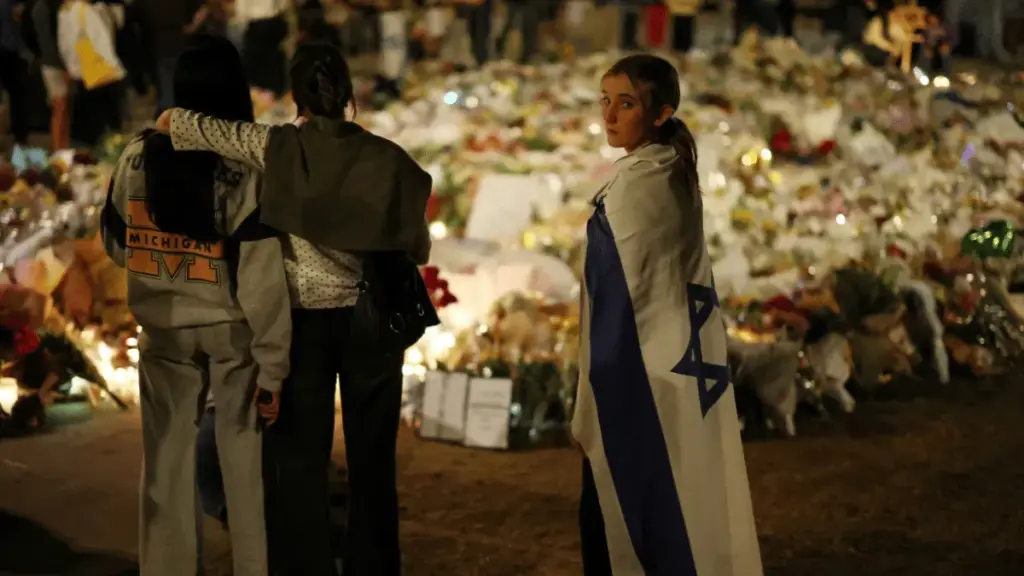
In the wake of the devastating Bondi shooting, community members have come together to honor the victims and promote healing through various memorials and tributes. Thousands gathered at Bondi beach to participate in a collective act of remembrance, creating a poignant moment of solidarity among residents and visitors alike. Lifeguards formed a human line along the shore, reflecting the impact of the tragedy while showcasing the deep sense of community that exists in Bondi.
Moreover, the proposed national day of reflection, themed “light over darkness,” aims to further this healing process across Australia. Prime Minister Albanese’s call for Australians to take a minute to reflect underscores the importance of coming together in a time of grief. The initiative encourages individuals to light candles in their windows, symbolizing hope and resilience in overcoming the hate and violence that such acts instigate.
The Bondi Shooting: A Catalyst for Social Change
The Bondi shooting serves as a grim catalyst for social change in Australia, propelling discussions on hate speech and gun control into the public consciousness. Chris Minns’s proactive approach to consider strict legislative reforms is a response not only to the immediate aftermath of this tragedy but to a broader societal need for introspection and action against extremism. The incident’s implications have reignited the national dialogue surrounding the safety of public spaces, especially during community events like the one that took place at Bondi beach.
As Australians process the shock of these events, communities are reassessing their commitment to unity and tolerance. This tragic instance has become a turning point, spurring individuals and policymakers alike to reevaluate their roles in combating hatred and violence. The promised reforms, while essential for safety, also open the door to a deeper understanding of how society can collectively rise against divisive ideologies and foster a more inclusive environment.
A National Day of Reflection: Unity After Tragedy
In recognition of the profound tragedy that struck Bondi, Australia is set to observe a national day of reflection aimed at fostering unity and healing among its people. Scheduled to take place one week after the attack, this day serves as a reminder of the impact of violence on innocent lives and the importance of a united front against hatred. The minute of silence at 6:47 PM and the call for Australians to light candles symbolize a nationwide commitment to remembering the victims and promoting peace.
Prime Minister Albanese’s message encapsulates the sentiment of resilience that Australians are encouraged to embody during this mourning period. It serves to remind individuals that while hatred may try to define moments in time, the strength of the community lies in its response to such adversities. The day of reflection is more than a commemoration; it is a call to action for Australians to come together, fostering solidarity and ensuring that the spirit of compassion prevails in the face of tragedy.
The Role of Lawmakers in Addressing Extremism
Lawmakers play a pivotal role in shaping the response to extremism following the Bondi shooting, as they navigate the complex landscape of public sentiment and legal implications. Premier Chris Minns’s announcement to tighten hate speech regulations and propose new gun control measures highlights the responsibility elected officials bear in safeguarding communities against violence and fostering a culture of respect. The legislative changes anticipated in New South Wales reflect an urgent necessity to address hate speech as a precursor to violent outcomes.
Furthermore, engaging in open dialogue with constituents about what constitutes hate speech and extremist rhetoric can help lawmakers craft more effective policies. In a society that values freedom of expression, striking a balance between protecting that right and ensuring community safety is challenging but essential. The decisions made in the coming weeks will likely set a precedent for how Australia addresses these critical issues, potentially serving as a blueprint for other states grappling with similar challenges.
The Impact of the Bondi Shooting on Australia’s Identity
The Bondi shooting has dramatically impacted Australia’s identity, compelling a reevaluation of the nation’s values in light of an event that shook the core of its societal fabric. As the deadliest mass shooting in nearly thirty years, it has forced Australians to confront uncomfortable truths about extremism and its manifestations in everyday life. This incident has ignited conversations about what it means to be a cohesive society and the measures required to ensure that all citizens feel safe irrespective of their background.
Moreover, the responses from various sectors, including government, community organizations, and private citizens, showcase the diversity and resilience of Australian society. In the aftermath of the tragedy, there is a growing understanding that to foster a truly inclusive community, collective efforts must focus on preventing hate speech, promoting tolerance, and addressing the root causes of extremism. The Bondi shooting, a somber chapter in Australia’s narrative, might ultimately serve as a pivotal moment that reshapes the nation’s approach toward unity and compassion.
Frequently Asked Questions
What legal actions are being considered after the Bondi shooting?
In light of the Bondi shooting, New South Wales Premier Chris Minns is advocating for stricter hate speech laws aimed at banning phrases deemed hateful, including ‘globalise the intifada.’ This legal reform is part of a broader response to enhance public safety and counter extremism following Australia’s deadliest mass shooting in decades.
How does the Bondi shooting relate to gun control in Australia?
The Bondi shooting has reignited discussions on gun control in Australia. Following the attack, Prime Minister Anthony Albanese introduced a gun buyback scheme to collect and destroy illegal firearms, highlighting the ongoing concern regarding gun violence in the wake of such tragedies.
What protests have occurred related to the Bondi shooting?
In the aftermath of the Bondi shooting, protests have taken place, including rallies where slogans involving ‘intifada’ were used. However, these events have drawn criticism, and Premier Chris Minns has indicated plans to tighten protest laws to restrict such demonstrations, aiming for a peaceful resolution in the community.
How has the Bondi shooting impacted hate speech laws in New South Wales?
The Bondi shooting has prompted the New South Wales government to reconsider its approach to hate speech laws. Premier Chris Minns is working towards enacting legislation that would classify specific chants and slogans, such as ‘globalise the intifada,’ as hate speech to mitigate hostile rhetoric in the wake of the attack.
What was the public response to the Bondi shooting in Australia?
The public response to the Bondi shooting included nationwide memorials, such as a tribute by lifeguards at Bondi Beach, and a national day of reflection organized by Prime Minister Albanese. The community has come together to honor the victims, highlighting a collective resolve against hate and violence.
What measures are being taken to prevent future attacks like the Bondi shooting?
In response to the Bondi shooting, the Australian government is implementing a series of measures aimed at preventing future attacks. These include stricter gun control laws, enhanced hate speech regulations, and a commitment to community safety through a proposed Royal Commission to investigate the circumstances surrounding the tragic event.
| Key Point | Details |
|---|---|
| Bondi Shooting Incident | Fifteen people were killed and dozens injured during a shooting at a Jewish festival in Bondi, marking Australia’s deadliest shooting in nearly 30 years. |
| Government Response | NSW Premier Chris Minns announced tougher hate speech laws and a Royal Commission into the Bondi attack. |
| Intifada Chants | Plans to ban the phrase “globalise the intifada” as part of a crackdown on hate speech. |
| Memorials and Tributes | Lifeguards staged a tribute at Bondi Beach, with hundreds honoring victims and a national day of reflection planned. |
| Gun Control Measures | Prime Minister Albanese announced a gun buyback scheme to counter gun violence. |
Summary
The Bondi shooting has prompted significant responses from Australian authorities, including proposed bans on inciting hate speech. Following the tragedy, which claimed the lives of fifteen individuals at a Jewish festival, New South Wales Premier Chris Minns is spearheading initiatives to combat extremism through legislative changes. The impact of this event extends beyond immediate concerns as the nation comes together in remembrance, instituting measures such as a national day of reflection. The Bondi shooting represents a pivotal moment in the ongoing dialogue about safety, tolerance, and community resilience in Australia.