
Listen to this article
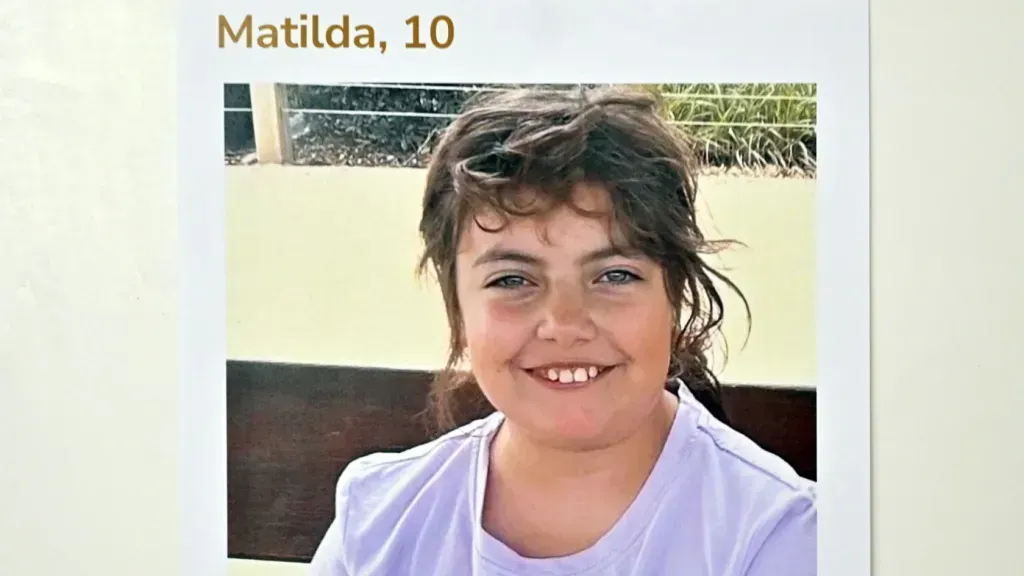
In a harrowing display of violence, the Bondi shooting has left the Jewish community in Australia mourning the tragic loss of 10-year-old Matilda, the youngest victim of this heinous incident. As family and friends gathered for her heartfelt funeral on Thursday, they urged the public to honor her memory with love and kindness, rather than anger. Matilda’s family, who chose her name to reflect their Ukrainian roots, emphasized the importance of unity in the face of rising antisemitism. The attack, which resulted in the deaths of 15 individuals during a celebration at Bondi Beach, is being condemned by leaders across the nation as a terrorist incident that highlights the urgent need to confront hatred. As the sorrowful community seeks solace, the profound impact of this tragedy reverberates beyond Australia, raising awareness of antisemitism and the necessity for collective healing.
The tragedy at Bondi Beach, where young Matilda lost her life, has sparked a national conversation about the rise of hate crimes and the safety of the Jewish community in Australia. During the memorial service, intense emotions flowed as community leaders reflected on the profound loss and the need to combat antisemitic sentiments that fuel such violence. The recent massacre during a Hanukkah event not only claimed lives but also shattered the peace within a community that has long been resilient against discrimination. With the focus shifting toward addressing the underlying prejudices that led to this catastrophic terrorist incident, advocates are calling for significant legislation and action to protect vulnerable populations. This event serves as a stark reminder of the ongoing battle against hatred, urging society to come together in pursuit of love and understanding.
Understanding the Bondi Shooting of Matilda
On a tragic day in Sydney, the Bondi shooting shocked the nation, claiming the life of young Matilda, who was just 10 years old. The incident, which occurred during a Hanukkah celebration, turned a joyous occasion into a scene of horror when gunmen opened fire, resulting in the loss of 15 lives. This terrorist incident has drawn attention to the increasing concerns regarding antisemitism within Australia and its impact on the Jewish community.
The heartbreaking story of Matilda highlights not only the personal loss felt by her family but also raises broader questions about how society responds to such acts of violence. Community leaders have emphasized the need for urgent action to combat growing prejudice and protect vulnerable populations. Matilda’s funeral became a gathering point for mourning, reflecting the grief of a community united in sadness and a shared commitment to preventing future tragedies.
The Jewish Community’s Response to Antisemitism
In light of the Bondi shooting, leaders within the Jewish community have voiced their concerns about the rising tide of antisemitism. The tragic loss of Matilda has become a powerful symbol of the urgency needed to address these issues. Matilda’s aunt, Lina Chernykh, urged people to turn their anger into a positive force for change, encouraging a focus on love and remembrance instead of hatred.
The sentiments expressed during Matilda’s funeral reflect the community’s desire for a united front against discrimination and violence. As mourners gathered to honor a young girl whose life was cut tragically short, they also called for heightened awareness and action to combat rising antisemitism. This incident serves as a wake-up call, illustrating that the Jewish community in Australia must band together to face these challenges head-on.
Remembering Matilda: A Symbol of Innocence
Matilda, named after the song “Waltzing Matilda,” now represents a poignant reminder of innocence lost amid violence. At her funeral, tributes poured in from friends, family, and community leaders who spoke of her joyful spirit and the love she spread during her brief life. As the youngest victim of the Bondi shooting, Matilda symbolizes the devastating impact of such acts on families and communities.
The emotional weight of her funeral service was felt by all in attendance, particularly as Rabbi Yehoram Ulman reflected on the tragic loss. He emphasized the community’s collective grief, noting that the murder of a child resonates deeply, making the pain personal for everyone. The hope remains that Matilda’s memory can inspire change and promote harmony within the community, transforming her tragic fate into a beacon of love.
Calls for Action Against Rising Antisemitism
In the wake of the Bondi shooting, there have been increasing calls for action against the growing prevalence of antisemitism in Australia. Community leaders, including representatives from the Jewish community, are urging the government to implement stricter measures to combat hate and violence. The sentiment is that Matilda’s death should not be in vain, and instead, should spur decisive action from both the community and the government.
As discussions continue about the need for legislative change, voices from the Jewish community emphasize the urgency of addressing the underlying issues of hatred. Authorities have begun exploring new policies to strengthen protections against hate crimes, aiming to create an environment where such acts of violence become increasingly unlikely. The hope is that through collective efforts, Australian society can foster understanding and unity, eradicating antisemitism for good.
Mourning Together: The Community’s Grief
The grief experienced by the Jewish community following the Bondi shooting is profound and collective. Mourners gathered not only to pay respects to Matilda but also to stand in solidarity with all the victims of this senseless act. The sight of community leaders and regular citizens alike showing up to support one another reinforces the notion that healing can begin through shared sorrow.
Funeral services for multiple victims on the same day underline the extensive impact of the tragedy. With Matilda’s untimely death and the loss of an elder victim, Alex Kleytman, the community faces a stark reminder of the fragility of life and the need to come together during dark times. The outpouring of emotions at such gatherings reinforces the idea that collective mourning can pave the way for resilience and hope in the future.
Terrorism and its Impact on Society
The Bondi shooting has been classified as a terrorist incident, emphasizing the disturbing rise of ideologically driven violence. The assailants’ motivations, linked to extremist ideologies, highlight a troubling trend in global conflict spilling over into local communities. The aftermath of such events forces a society to confront its challenges regarding hate and intolerance, particularly towards vulnerable groups like the Jewish community.
As investigators delve deeper into the incident, it serves as a crucial reminder of the potential ramifications of hate-driven violence. Discussions on increasing security measures and legal frameworks to manage hate crimes become all the more apparent. Society must confront these issues directly, striving for a culture that actively rejects violence in favor of compassion and understanding.
The Role of Community Support Post-Tragedy
In times of tragedy like the Bondi shooting, the importance of community support cannot be overstated. Family members, community leaders, and friends offer a crucial support system for those grieving the loss of loved ones. Matilda’s family received an outpouring of love and support as they navigated their unimaginable pain, illustrating what it means to come together as a community in times of sorrow.
Support mechanisms, including counseling and community outreach programs, become pivotal in fostering resilience post-tragedy. Initiatives aimed at strengthening communal ties can play a significant role in the healing process, encouraging individuals to lean on one another while also working toward a united front against the ideologies that promote such violence. This collective effort reaffirms the community’s commitment to healing and preventing future tragedies.
Understanding Ideological Extremism
The tragic events at Bondi highlight the pressing issue of ideological extremism and its prevalence in society today. Understanding the roots of extremism is critical for addressing the factors that lead to such violent acts. As the community mourns Matilda, conversations surrounding the ideologies that fuel hatred become increasingly important, compelling leaders to foster discussions aimed at combating these beliefs.
Exploring the social and psychological components behind radicalization can empower communities to implement proactive measures. Education and awareness are paramount in countering extremist ideals and promoting dialogue among diverse groups. Engaging in these discussions can serve to bridge divides within society, steering the community towards a more inclusive environment.
The Symbolism of Bee Brooches at the Funeral
At Matilda’s funeral, many attendees wore bee brooches, a touching tribute symbolizing her love for these creatures. This act reflected not just personal affection but also a broader message of community cohesion and resilience. Bees, often recognized for their role in promoting harmony within their ecosystem, parallel the hope that the tragedy can lead to unity and understanding within the Jewish community and beyond.
Wearing bee brooches collectively during the service manifested a commitment to honor Matilda’s memory while promoting the values she represented. The community’s choice of symbolism serves as a reminder that even in moments of grief, there is an opportunity to celebrate love, kindness, and a shared humanity, turning sorrow into a rallying point for change.
Legislative Changes in Reaction to Violence
The Bondi shooting has prompted Australian authorities to consider significant legislative changes to combat hate crimes and protect marginalized groups. In light of the tragedy, the government’s intention to strengthen laws and introduce measures to address antisemitism reflects a response to the clear message that such acts of violence cannot be tolerated. The proposed changes include potential new powers to deny visas on the grounds of antisemitism, representing a bold stance against hate.
These actions symbolize a commitment to creating a safer and more inclusive society. Community leaders and advocates are hopeful that by taking a firm stance against hate-driven violence, future tragedies can be prevented. This proactive approach aims to safeguard the rights of all individuals while discouraging ideologies that fuel division and violence, fostering a society where everyone can thrive free of fear.
Frequently Asked Questions
What happened during the Bondi shooting incident involving Matilda?
The Bondi shooting incident occurred during a Hanukkah celebration at Bondi Beach in Sydney, where two gunmen opened fire, resulting in the tragic deaths of 15 people, including 10-year-old Matilda. This tragic event has been classified as a terrorist incident, highlighting ongoing concerns about antisemitism in Australia.
How did the Jewish community respond to Matilda’s funeral after the Bondi shooting?
At Matilda’s funeral, her family and community members called for love and unity rather than anger. They emphasized honoring Matilda’s joyful spirit and stressed the importance of taking action against rising antisemitism in Australia while remembering her legacy of happiness.
What significance did Matilda’s name have in relation to her family’s history?
Matilda was named after the song ‘Waltzing Matilda,’ symbolizing the safety her Ukrainian family found in Australia. Her family wanted to honor this connection to their new home, making her loss in the Bondi shooting all the more poignant for the Jewish community.
What actions is the Australian government taking in response to the Bondi shooting?
Following the Bondi shooting, the Australian government announced plans to strengthen laws against hate speech and antisemitism. This includes introducing new powers to cancel or deny visas based on antisemitic ideologies, in an effort to prevent such tragic incidents from happening in the future.
Who were the other victims remembered alongside Matilda after the Bondi shooting?
Alongside Matilda, the eldest victim of the Bondi shooting, 87-year-old Holocaust survivor Alex Kleytman, was also honored at a separate service. Both victims underscored the Jewish community’s grief and the impact of the tragic incident that has heightened awareness of antisemitism in Australia.
| Key Point | Details |
|---|---|
| Victim’s Background | Matilda, the 10-year-old victim of the Bondi shooting, was named after the song ‘Waltzing Matilda,’ symbolizing the safety her family found in Australia. |
| Circumstances of the Attack | Matilda was one of 15 people killed during a shooting at a Hanukkah event in Bondi Beach. |
| Family’s Response | The family urged the community to respond with love and remembrance, rather than anger. |
| Calls for Action | Jewish community leaders highlight the need for stronger actions against rising antisemitism. |
| Reactions at the Funeral | The funeral was attended by community leaders, including the Governor-General and the New South Wales Premier, with tributes to Matilda. |
| Nature of the Attack | Authorities have classified the attack as terrorism with ideological motivations linked to the Islamic State. |
| Legal Actions | Australia plans to strengthen laws against hate speech and antisemitism following the attack. |
Summary
The tragic Bondi shooting Matilda has had a profound impact on the community, emphasizing the need for unity and love in the face of profound sorrow. This heartbreaking incident, which resulted in the loss of young Matilda along with many others, has sparked a crucial dialogue about the rising tide of antisemitism and the urgent necessity for effective measures to combat hate.

