Listen to this article
The tragic Bondi Beach terrorist attack last Sunday sent shockwaves through Australia, bringing the nation face-to-face with the grim reality of terrorism in Australia. This ISIS-inspired attack, classified as a terrorist incident, involved a father-son duo whose actions have prompted immediate governmental responses. Prime Minister Anthony Albanese has announced a comprehensive review of our national security structures, recognizing the urgent need for Australian security agencies to address the evolving threat landscape. With Australia mourning the loss of 15 innocent lives, the tragedy highlights the chilling potential of violence that can emerge from radical ideologies. As Bondi Beach makes headlines around the world, the community grapples with an unsettling new normal, forever changed by this act of violence that has drawn attention to the pressing issue of domestic extremism.
In the wake of recent events, the horrific shooting incident at Bondi Beach has galvanized discussions surrounding safety and security across Australia. Many are now reflecting on the implications of this devastating act, which serves as a stark reminder of the vulnerabilities that even idyllic locations face against extremism. The attack, marked by significant casualties, underscores the urgent need for enhanced measures among federal and local security agencies to combat domestic terrorism. As communities unite in grief and resilience, the term “terrorism” takes on a deeper significance within the Australian context, forcing citizens to re-evaluate their understanding of safety and belonging. With heightened awareness, the nation’s focus shifts towards not only memorializing the victims but also strategizing to prevent future acts of violence.
The Impact of the Bondi Beach Terrorist Attack
The terrorist attack at Bondi Beach has left an indelible mark on the Australian community. As the nation mourns the tragic loss of 15 innocent lives, the incident serves as a stark reminder of the threat of ISIS-inspired violence that has become a concerning reality in Australia. Prime Minister Anthony Albanese’s announcement of an intelligence review is a critical step towards addressing these emerging threats. This tragic event not only sheds light on the effectiveness of current security measures but also on how prepared our agencies are to prevent such atrocities in the future. The shift in public sentiment towards safety and security reflects the profound impact this attack has had on communities already feeling vulnerable to violence.
In the wake of the Bondi Beach shooting, conversations surrounding terrorism in Australia have intensified. The shooting, carried out by a father-son duo allegedly influenced by IS ideology, underscores a growing need for a robust response from the Australian security agencies. As details from the investigation emerge, there is an increasing focus on understanding the motivations behind such attacks and preventing future incidents. The call for stronger gun control measures and an examination of hate speech laws are part of broader strategies needed to protect citizens from potential extremist threats, ensuring that a tragedy like the Bondi Beach attack never happens again.
Australia’s Response to the Bondi Beach Mass Shooting
Following the Bondi Beach terrorist attack, Australia’s government has ramped up efforts to enhance national security in a bid to avoid similar incidents in the future. The review proposed by Prime Minister Albanese aims to evaluate the current capabilities of federal law enforcement and intelligence agencies to effectively respond to extremist threats. With the rising tide of violence linked to international terrorism, it is clear that Australia must reassess its strategies towards combating this issue. The emphasis on collaboration among agencies and the need for modernized processes could serve as pivotal points in safeguarding the nation against terrorism inspired by groups like ISIS.
Moreover, in light of the Australian security agencies’ shortcomings exposed by the Bondi attack, there is a notable push for increased public safety measures. The response from local communities, including tributes to victims and participation in vigils, illustrates a collective resilience against fear in the face of adversity. Events like the upcoming national day of reflection emphasize the importance of unity and remembrance while simultaneously fostering conversations on combating hate speech and extremism. Australians are beginning to find strength in the aftermath, willing to reclaim their beaches and public spaces as essential parts of their way of life.
Community Resilience After the Bondi Shooting
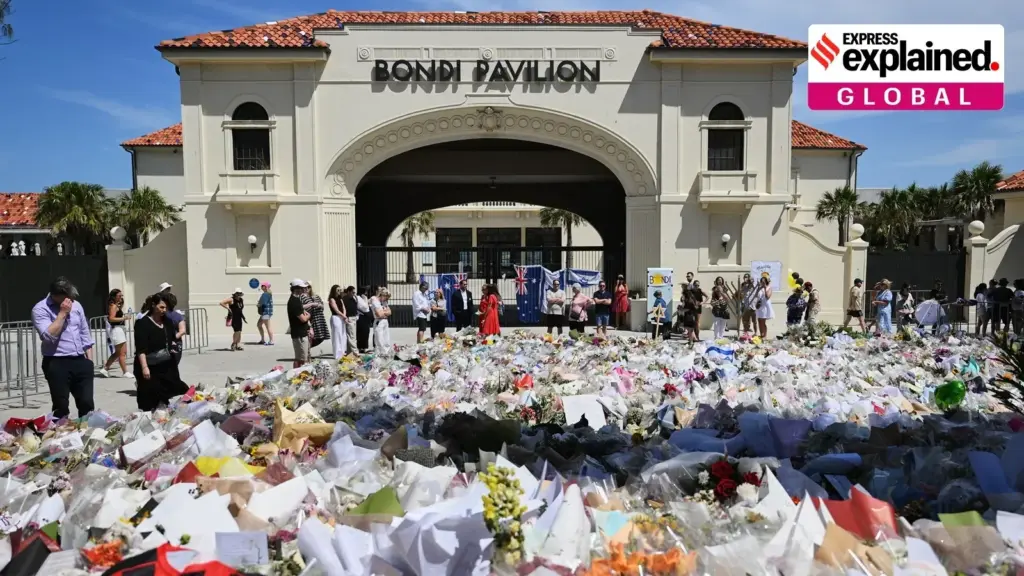
The resilience demonstrated by the Bondi community following the tragic events of December 14 has been remarkable. Surf Life Saving clubs resumed their youth programs, known as ‘nippers,’ with community leaders seeking input from the local Jewish population impacted by the violence. This showcases a blend of sensitivity and strength, as individuals rally around their shared love for Bondi Beach—a symbolic representation of Australian culture. The determination of locals to resume normal activities while honoring the victims reflects an essential part of recovery from trauma, emphasizing that the beach is not just a recreational site but a cornerstone of communal identity.
In addition, community gatherings, such as the vigil organized by the National Council of Jewish Women Australia, have provided a space for healing and solidarity. With Governor-General Samantha Mostyn’s address resonating with messages of peace and belonging, the community is taking a stand against the hate that fueled the attack. Survivors and first responders have also been celebrated for their bravery during the shooting, emphasizing that acts of courage can emerge even in the darkest times. This resilience is vital, as it signifies that while the fear induced by terrorism can be palpable, it will not conquer the spirit of the Australian people.
The Role of Australian Security Agencies in Future Prevention
The call for a comprehensive review of Australian security agencies following the Bondi Beach attack opens up a crucial dialogue on the necessity of reform within these institutions. This incident has illustrated potential gaps in intelligence sharing and responsiveness, particularly in light of the growing threat from ideologically motivated violent extremism. Through the proposed intelligence review, the government aims to ensure that agencies are adequately equipped to tackle such risks, taking into account previous failures and the dynamics of terrorism in Australia. Enhanced collaboration among federal and local law enforcement can lead to more effective counterterrorism strategies.
Moreover, the response to the Bondi Beach attack may spark a shift in how Australia approaches issues of gun control and community safety. With the government promising to review gun laws in a more stringent light, it’s crucial for security agencies to also focus on preventive measures that go beyond just firearms. Promoting social cohesion and countering hate speech must go hand in hand with enforcing laws, effectively addressing the root causes of extremism. The review will not only analyze current structures but also seek innovative solutions to ensure the safety and security of all Australians against future threats, fostering a proactive rather than reactive strategy.
Mourning and Remembering the Victims of Bondi Beach
As the Bondi Beach community grapples with the aftermath of its worst terrorist attack, mourning rituals have taken root to honor the lives lost on that tragic day. A planned national day of reflection will see movements across the country as Australians unite to remember the 15 victims of the shooting. This collective grieving not only acknowledges the individual stories of those affected but also reinforces a sense of national identity intertwined with compassion and solidarity against violence. By coming together in tribute, communities can echo their commitment to combatting hate while celebrating the diversity that defines Australia.
In remembering the victims of the Bondi Beach attack, it is essential to recognize the broader implications of this tragedy for Australian society. The event has spotlighted the need for ongoing dialogue about the persistent issues of antisemitism, xenophobia, and violence in the community. Vigils and memorials serve as reminders that the fight against such ideologies is far from over. By cherishing the memories of the individuals lost to senseless violence, society can galvanize efforts to ensure that their legacies will inspire action against racism and intolerance, making a pledge towards a peaceful coexistence.
The Need for Enhanced Gun Control in Australia
In the aftermath of the Bondi Beach terrorist attack, one of the pressing discussions has been the need for enhanced gun control measures in Australia. The mass shooting, which marked the deadliest event of its kind in nearly three decades, has raised serious concerns about the loopholes in current gun regulations. Following the attack, Prime Minister Albanese and local leaders are advocating for a comprehensive reassessment of the laws governing firearms to prevent similar occurrences in the future. This moment has ignited public debate on the efficacy of existing policies and the necessity for a more stringent approach to firearms pertaining to both ownership and sales.
Furthermore, the stark reminder of how quickly violence can escalate underscores the importance of prioritizing public safety above all else. Calls for stronger gun control measures are now being backed by evidence and community sentiment, emphasizing that Australians broadly support stricter laws. By fostering a culture of safety through responsible gun ownership and rigorous regulations, the nation hopes to create a safer environment where communities can thrive without the fear of violent attacks. As the Bondi Beach tragedy has shown, the stakes are high, and the need for decisive action has never been clearer.
Lessons Learned from the Bondi Beach Attack
The Bondi Beach terrorist incident highlights several critical lessons for Australian society and its security protocols. One of the core takeaways is the importance of effective intelligence sharing between various agencies to prevent attacks inspired by extremist ideologies. The review initiated by the government aims to address this very need by evaluating how well intelligence is currently collected, disseminated, and acted upon. Understanding the motivations behind the attack will help formulate more effective responses to prevent acts of violence fueled by hatred and extremism in the future.
Another lesson pertains to community engagement in matters of security and resilience. The swift response from local communities following the Bondi shooting showcased the significant role that grassroots initiatives play in maintaining public safety and cohesion. By strengthening community ties and promoting inclusivity, Australia can build a collective resistance against the ideologies that fuel terrorism. This attack emphasizes the need for ongoing dialogue about domestic violence and extremism, reminding Australians that a united front is essential in overcoming the divisive forces within society.
Updates on the Investigation of the Bondi Attack
As investigations continue into the Bondi Beach attack, updates are emerging that provide further insights into the events surrounding the tragedy. Naveed Akram, the main suspect, has been charged with multiple offenses, including 15 counts of murder. Details regarding the capture and motivations of the suspects are likely to unfold as police delve deeper into their backgrounds and connections to extremist groups. The investigation serves as a crucial reminder of the need for law enforcement to remain vigilant against potential threats and to prevent individuals from becoming radicalized.
Moreover, the investigation highlights the increasing complexity of terrorist activities and the need for advanced methodologies in counter-terrorism. Law enforcement agencies are facing greater challenges in identifying and thwarting plans by ideologically motivated individuals. As the Bondi Beach shooting is scrutinized, it will also likely prompt discussions about the resources available for local agencies to counter threats effectively. Ensuring that Australian security agencies possess the tools required to respond promptly can significantly curtail potential future attacks and safeguard the community.
The Continued Threat of Terrorism in Australia
The Bondi Beach terrorist attack serves as a sobering reminder of the ongoing threat of terrorism that Australia faces. The rise of ISIS-inspired plots has pressured security agencies to remain vigilant and proactively mitigate risks associated with violent extremism. As the landscape of terrorism continues to evolve, Australian authorities must adapt their strategies to address both domestic and international threats. The revelations surrounding the Bondi shooting have sparked a renewed commitment among officials to prioritize public safety in light of imminent danger.
In confronting these challenges, it is vital for Australia to foster a multi-faceted approach towards combating terrorism that includes community engagement, education, and prevention programs. Emphasizing counter-radicalization efforts alongside robust security measures can interrupt the cycle of violence that has been perpetuated by extremist groups. The resilience of the Australian people demonstrated in the face of tragedy will be crucial in the fight against terrorism in Australia, ensuring that the lessons learned from events like the Bondi Beach attack will pave the way for a safer future.
Frequently Asked Questions
What led to the Bondi Beach terrorist attack on December 14?
The Bondi Beach terrorist attack on December 14, classified as an ISIS-inspired atrocity, was allegedly carried out by a father-son duo motivated by Islamic State ideology. Australian security agencies are investigating how such an attack could occur in a significant global tourist area.
How are Australian security agencies responding to the Bondi Beach terrorist attack?
In response to the Bondi Beach terrorist attack, Prime Minister Anthony Albanese announced a review of police and national intelligence agencies. This review aims to enhance the preparedness of Australian security agencies to confront extremism and ensure public safety.
What impact did the Bondi Beach terrorist attack have on local community activities?
Following the Bondi Beach terrorist attack, local community activities initially faced uncertainty. However, the community showed resilience by resuming children’s surf clubs, known as ‘nippers’, and engaging in normal beach activities. This reflects the community’s commitment to not allowing fear to dictate their lifestyle.
What memorials are planned for the victims of the Bondi Beach attack?
A national day of reflection is scheduled to mourn the victims of the Bondi Beach attack. This observance includes a vigil organized by community groups, demonstrating solidarity and support for the affected families and the Jewish community.
What changes in gun control measures are being considered following the Bondi Beach attack?
In the wake of the Bondi Beach attack, the Australian government is pushing for stronger gun control measures, acknowledging the need for improvements in public safety and security in light of the recent tragic events.
What was the scale of violence in the Bondi Beach terrorist attack?
The Bondi Beach terrorist attack resulted in 15 fatalities and numerous injuries, marking it as one of Australia’s deadliest mass shootings in nearly three decades. The attack raised significant concerns regarding terrorism in Australia and highlighted the potential risks from extremist ideologies.
How are residents and visitors reacting in the aftermath of the Bondi Beach shooting?
In the aftermath of the Bondi Beach shooting, residents and visitors are showing resilience by returning to the beach and participating in community activities. Many express a determination to not let fear impact their way of life, emphasizing the importance of Bondi Beach as a central part of Australian culture.
| Key Point | Details |
|---|---|
| Prime Minister’s Response | PM Anthony Albanese announces a review of police and intelligence agencies following the Bondi Beach attack. |
| Nature of the Attack | Classified as a terrorist incident, allegedly carried out by a father-son duo inspired by ISIS. |
| Focus of Intelligence Review | To ensure preparedness against extremism, aiming for completion by April 2026. |
| Public Reaction | A national day of reflection planned; community remembers 15 victims of the mass shooting. |
| Local Community Response | Children’s surf club activities resumed, showing resilience in the community amid ongoing grief. |
| Tributes and Vigil | Vigil organized by National Council of Jewish Women, showcasing support for the community. |
| Gun Control Measures | Government plans to strengthen gun laws in response to the attack. |
Summary
The Bondi Beach terrorist attack has sent shockwaves through Australia, prompting a comprehensive review of the nation’s security and intelligence frameworks. Sparked by a tragic shooting incident that resulted in the loss of 15 lives, Prime Minister Anthony Albanese has committed to enhancing the preparedness of security agencies. This ongoing crisis highlights both the realities of extremism and the resilience of the Australian community as they come together to mourn and support one another. As the nation reflects on this atrocity, there is a renewed call for robust measures to prevent such occurrences in the future.