Listen to this article
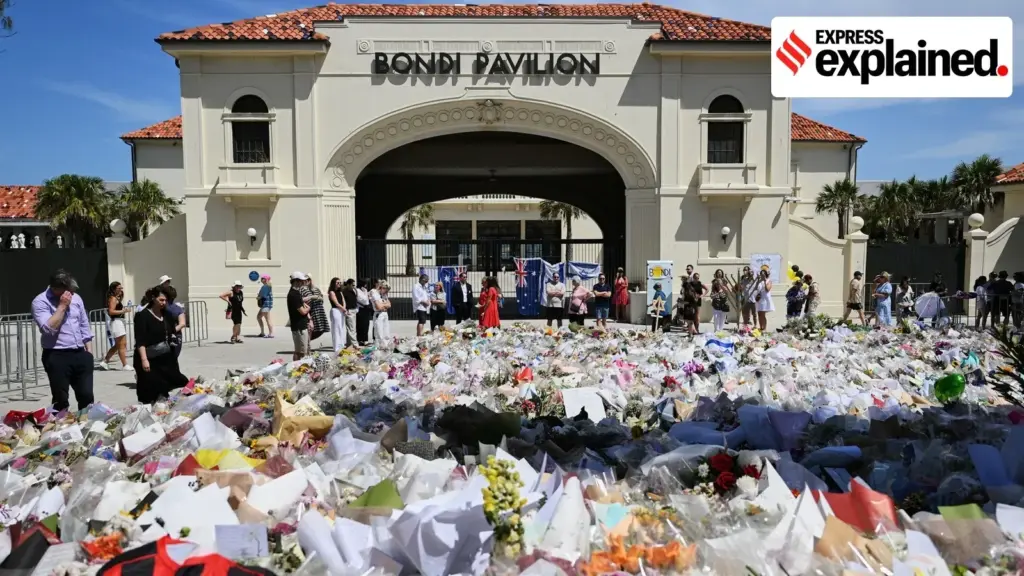
The Bondi Beach attack shocked Australia and the world alike, marking a tragic moment during the Hanukkah celebration on December 14. In this horrifying incident, two gunmen, armed and dangerous, unleashed chaos by throwing explosives and opening fire, resulting in the deaths of fifteen people and leaving many others injured. New court documents detail how the assailants, including Naveed Akram, had meticulously planned the attack, even practicing their assault weeks prior to executing it. With charges against Akram including terrorism, the attack has raised alarming concerns about the threat of gunmen attacks and violent extremism, particularly in relation to the explosive devices involved. As the investigation unfolds, questions remain about the broader implications of terrorism in Bondi Beach and its impact on community safety.
The tragic event at Bondi Beach serves as a stark reminder of the increasing threat posed by violent extremists. This incident, involving a coordinated assault during a public celebration, has raised significant concerns over community safety and the tactics employed by assailants. Reports indicate that the attackers had rehearsed their deadly act, which included the use of explosives, highlighting a troubling trend in the planning of high-profile attacks. The case against Naveed Akram sheds light on the broader issue of radicalization and the fight against terrorism in urban environments. As we reflect on the aftermath of this horrific incident, it is crucial to examine the implications for public safety and strategies to prevent future attacks.
Understanding the Bondi Beach Attack: Planning and Execution
The Bondi Beach attack was a meticulously orchestrated event that raised alarms about domestic terrorism in Australia. According to court documents, the two gunmen had practiced shooting in preparation for this deadly incident, which took place during a Hanukkah celebration on December 14. Their actions were premeditated, with evidence suggesting they spent months plotting the attack. This level of planning involved not only firearms but also explosives, such as a ‘tennis ball bomb,’ which fortunately failed to detonate. The implications of such an attack extend beyond the immediate tragedy, igniting discussions about security measures during holiday events and the overarching threat of terrorism in Bondi Beach and surrounding areas.
The attacks were calculated, with the perpetrators conducting reconnaissance of the Bondi location just two days prior to the incident. This forethought indicates a troubling trend where individuals may seek notoriety and leverage from global terrorist narratives. Video evidence collected by law enforcement reveals the gunmen’s alignment with extremist ideologies, further complicating the discourse on terrorism in the region. With the charge of terrorism against Naveed Akram, the implications of this assault on community safety and cohesiveness cannot be understated. The investigation into the planning stages, including any potential accomplices or ideological backgrounds, is crucial for understanding the larger network behind such incidents.
The Impact of the Hanukkah Celebration Shooting
The Hanukkah celebration shooting at Bondi Beach horrified the local community and attracted significant media attention worldwide. With fifteen fatalities and numerous injuries, the aftermath of this attack prompted immediate supports for the victims and their families. Community leaders, residents, and officials have rallied together to denounce violence and promote unity during this challenging time. The bond between different cultural groups is tested during events like this, urging all to come together to condemn such acts of violence and terrorism.
Furthermore, this tragic event serves as a stark reminder of the threats that minority groups face in both domestic and international contexts. The targeting of a community celebration signifies a pervasive intolerance that requires a concerted effort to confront. Additionally, discussions around the need for enhanced security measures at public events have reignited, as authorities examine what went wrong during the planning stages that could have prevented such a disastrous outcome. Therefore, this incident is not just a matter of local concern; it reverberates through the fabric of society, impacting perceptions of safety and community resilience.
Providing psychological support and reassurance to the survivors and their families is paramount, as many will bear trauma from the events of that day for years to come. The government and various organizations are working hand in hand to ensure these efforts are sustained. Laws regarding gun violence and extremist behavior may also see scrutiny in light of the Bondi Beach attack, sparking legislative changes to better protect citizens.
Terrorism in Bondi Beach: Lessons Learned
The Bondi Beach attack provides crucial lessons in preventing future incidents of terrorism. Authorities are reevaluating their current strategies for countering terrorism and managing potential threats within the community. The importance of public awareness and vigilance cannot be overstated, as citizens are often the first line of defense against suspicious activity. Initiatives aimed at educating the public regarding signs of radicalization and how to report concerns can play a pivotal role in thwarting similar attacks in the future.
In the aftermath of the shooting, law enforcement agencies are also focusing on inter-agency collaboration, sharing intelligence, and refining their response strategies. The investigation into Naveed Akram and his father’s involvement reveals the complexities of radicalization and the influence of extremist behavior on individuals within communities. As Australia grapples with these realities, policymakers must also engage in dialogue surrounding mental health support, community integration, and the role of social platforms in spreading extremist ideologies. This broader approach to counter-terrorism can help mitigate risks while fostering a more inclusive society.
Charges Against Naveed Akram: A Legal Perspective
Naveed Akram faces an alarming array of charges, including fifteen counts of murder and a charge of terrorism. His situation underscores the legal complexities associated with acts of terrorism in Australia. The legal system must balance the need for justice with the protection of civil rights, an often convoluted endeavor in cases of extremist violence. As the court documents reveal, Akram’s radicalization trajectory and premeditated actions form the crux of the prosecution’s case, highlighting the intricacies of proving intent in terrorism-related charges.
Additionally, the legal ramifications extend beyond the individual charged, as they force society to confront uncomfortable truths about grooming and recruitment by extremist groups. The presence of videos where Akram expresses motivations tied to radical ideology further complicates his defense. His trial will likely explore not only his actions but also the environment that fostered such ideologies. The outcome could have far-reaching implications for future cases and how the legal system approaches terrorism in Bondi Beach and across Australia.
The Role of the Community After the Bondi Beach Attack
In the wake of the Bondi Beach attack, community solidarity becomes essential for healing and resilience. Efforts to support victims and their families are critical, and local organizations have mobilized to provide necessary resources, ranging from counseling to financial assistance. Events promoting peace and unity serve not only to honor the victims but also to renew hope amidst despair. The active participation of community members in such initiatives emphasizes the collective rejection of violence and hatred.
The need for dialogue and understanding in a multicultural society cannot be overstated. As communities come together, they must confront the roots of division that can lead to such tragic incidents. Educational programs that highlight the importance of empathy, respect, and inclusion are necessary to forge stronger bonds among diverse populations. The Bondi Beach attack serves as a catalyst for change, prompting discussions on tolerance and coexistence, ensuring the tragedy acts as a turning point towards a more unified society.
The Investigation into the Bondi Beach Incident
The investigation following the Bondi Beach attack has required extensive resources and collaboration among various law enforcement divisions. Key details have emerged, revealing the lengths to which the suspects went, including two days of reconnaissance leading up to the event. The meticulous nature of their planning underscores a growing threat of home-grown terrorism, illustrating the complexity in addressing such challenges effectively. Analyzing the perpetrators’ background and connections to extremist ideologies is vital to preventing future acts of violence.
Moreover, the release of redacted police documents offers insight into the investigative process and its hurdles. Balancing public interest with the need to protect the identities of survivors has proven challenging. As investigators compile evidence from a myriad of sources, including videos and eyewitness accounts, the community watches closely, eager to understand how such an unfathomable occurrence could transpire in their midst. Moving forward, the investigative findings may inform policy changes regarding terrorism response and community safety measures.
Preparing For Future Threats: Security Measures Post-Attack
In the aftermath of the Bondi Beach attack, discussions surrounding security measures have intensified. The events have highlighted vulnerabilities at community celebrations and sparked debate on how best to safeguard such gatherings without compromising the joyousness of public festivals. Enhanced security protocols will likely become the norm, with local authorities expected to outline updated measures, including surveillance and crowd management strategies, ensuring similar incidents do not occur in the future.
Moreover, community engagement regarding these security measures is essential. Authorities must communicate effectively the reasons behind new protocols to foster public cooperation and understanding. Additionally, the integration of technology, such as advanced surveillance systems and immediate response mechanisms, can strengthen security without detracting from the festive atmosphere of events like Hanukkah celebrations. Ultimately, finding that balance will be crucial to restoring confidence within communities affected by incidents of this nature.
Media Representation of Terrorism in Bondi Beach
The media’s portrayal of the Bondi Beach attack plays a significant role in shaping public perception of terrorism in Australia. Coverage of the incident has drawn attention not only to the facts of the case but also to broader themes of violence targeting minority communities. Graphics, photographs, and footage circulated about the tragedy can influence the cultural narrative surrounding the event, presenting opportunities for both awareness and fear. The impact of this representation can ripple through public discourse, making it crucial for media outlets to approach the subject responsibly.
Furthermore, the ongoing coverage of Naveed Akram’s trial and the investigation will likely impact legal discussions around terrorism-related charges and community safety. The sensationalism often associated with terrorist incidents can exacerbate fears, leading to stigmatization of specific community groups. As such, responsible journalism becomes an essential tool for contextualizing the event within a broader framework of societal resilience. Advocating for empathy and understanding, media representation can guide conversation towards healing rather than division, ultimately shaping the narrative surrounding the Bondi Beach attack constructively.
Frequently Asked Questions
What happened during the Bondi Beach attack on December 14?
The Bondi Beach attack occurred on December 14 when two gunmen opened fire on a Hanukkah celebration, resulting in the deaths of fifteen people and injuries to many others. The attackers also used explosives, although some, like a ‘tennis ball bomb,’ failed to detonate.
Who is Naveed Akram and what charges is he facing related to the Bondi Beach attack?
Naveed Akram, aged 24, has been charged with 59 offenses, which include 15 counts of murder and one count related to terrorism in connection with the Bondi Beach attack.
Was there prior planning involved in the Bondi Beach attack?
Yes, the Bondi Beach attack was meticulously planned by the suspected gunmen for several months. Court documents reveal they practiced shooting and conducted reconnaissance at Bondi Beach two days before the attack.
What kind of explosives were involved in the Bondi Beach attack?
In the Bondi Beach attack, the gunmen attempted to use explosives, including a type known as a ‘tennis ball bomb.’ However, most of the explosives did not detonate during the incident.
How did law enforcement respond to the Bondi Beach attack?
During the Bondi Beach attack, police confronted the gunmen, resulting in the death of one of them, Sajid Akram, at the scene. The authorities have since arrested Naveed Akram and charged him with multiple offenses.
What motives did the attackers express leading up to the Bondi Beach attack?
Prior to the Bondi Beach attack, videos recorded by the attackers allegedly revealed their motivations, including statements condemning ‘Zionists.’ These videos were found during the investigation and are part of the evidence against them.
What has been the public and legal response to the Bondi Beach attack?
The Bondi Beach attack has prompted significant public outrage and legal action, with Naveed Akram facing serious charges. Additionally, a temporary suppression order was initially issued to protect survivors’ identities but was later revoked.
How many fatalities occurred as a result of the Bondi Beach attack?
The Bondi Beach attack resulted in the tragic deaths of fifteen individuals, which adds to the severity of the charges against Naveed Akram and highlights the attack’s devastating impact.
| Key Point | Details |
|---|---|
| Attack Overview | The Bondi Beach attack involved two gunmen opening fire during a Hanukkah celebration, resulting in 15 deaths and multiple injuries. |
| Planning and Preparation | The gunmen practiced shooting weeks in advance and meticulously planned the attack for months. They conducted reconnaissance at Bondi Beach two days before the incident. |
| Charges and Arrests | Naveed Akram, 24, faces 59 charges, including 15 counts of murder. His father, Sajid Akram, was shot dead by police during the attack. |
| Explosive Devices | Explosives, including a ‘tennis ball bomb,’ were used but failed to detonate during the attack. |
| Motivations | Videos captured the gunmen discussing their motivations related to Islamic State and expressing anti-Zionist sentiments. |
Summary
The Bondi Beach attack was a premeditated act of violence that shocked the community, culminating in a tragedy during a public celebration. With meticulous planning and preparation, the two men aimed to inflict maximum harm, underlined by their extremist motivations. The aftermath has led to charges against the surviving perpetrator, highlighting serious issues of safety and security in public events.