Listen to this article
The recent bird flu outbreak in the UK has raised alarming concerns as experts warn that this particular strain may be the most infectious seen to date. Highlighting the severity, Professor Ian Brown, a leading figure in avian virology, emphasizes that poultry producers must brace for potentially widespread impacts. With 26 confirmed cases of highly pathogenic avian influenza (HPAI H5N1) since October, the poultry industry is urged to enhance their biosecurity measures to protect flocks. The government’s implementation of a national housing order aims to mitigate the risk, particularly for producers reliant on free-range hens. As the situation evolves, continuous avian disease monitoring will be essential to control this pressing threat to livestock and public health alike.
The emergence of this avian influenza epidemic in the UK has resulted in heightened awareness among poultry farmers and industry officials alike. Often referred to as bird flu, this virulent strain of the influenza virus poses significant threats to both farmed birds and wild populations. Given the potential for devastating outbreaks, serious poultry biosecurity measures are now being emphasized to safeguard against infection spread. Farmers, particularly those with free-range operations, are adapting to these challenges as they navigate the complexities of avian disease management. Constant vigilance and proactive strategies will be crucial in overcoming this significant agricultural crisis.
Understanding The Bird Flu Virus in the UK
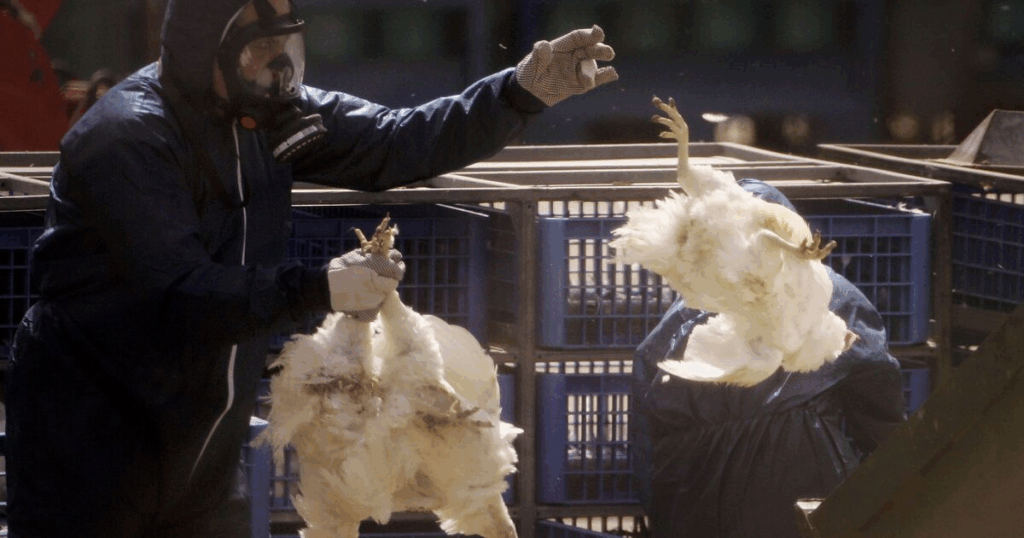
The bird flu virus, particularly the highly pathogenic avian influenza (HPAI) H5N1 strain, poses a significant threat to poultry across the UK. Farmers have been warned that this strain is likely the most infectious variant we have seen to date, as stated by Professor Ian Brown, an esteemed expert in avian virology. The rapid spread within farm flocks has led to dire predictions for this outbreak season, with 26 confirmed cases already recorded. Experts stress that this underscores the critical need for vigilant monitoring of avian diseases and comprehensive biosecurity measures to protect flocks.
In addition to the immediate health risks to birds, the implications of such outbreaks extend to the entire poultry industry, affecting farmers’ livelihoods and food supply chains. With flocks being culled when infections are detected, the economic repercussions can be devastating. Therefore, understanding the nature of avian influenza, including its transmission vectors and mutation potential, is key for poultry producers in the UK to safeguard their businesses and prevent loss.
Poultry Biosecurity Measures to Combat Bird Flu
In light of the current bird flu situation in the UK, implementing robust poultry biosecurity measures has never been more crucial. Biosecurity encompasses a range of practices designed to minimize the risk of disease entering a flock. These include controlling access to poultry areas, maintaining cleanliness, and ensuring that no contaminated materials—like manure from wild birds—come into contact with domestic birds. Farmers like Sarah Godwin, who have switched to indoor housing for their hens, underscore the importance of these measures despite the stress it places on their operations.
Moreover, biosecurity measures should be adaptable to the evolving nature of avian diseases. Farmers must regularly review and update their protocols in response to new information about outbreaks and transmission dynamics. This could include enhanced training for farm workers to recognize signs of disease and promptly report any concerns to health authorities. The cooperation of all poultry owners is essential to effectively manage the risk of HPAI and protect the welfare of free-range hens and the broader poultry sector.
The Impact of Mandatory Housing Orders on Free-Range Hens
The UK’s recent mandatory housing order is a direct response to the escalating threat posed by bird flu outbreaks. Many farmers, particularly those with free-range operations, are feeling the weight of this decision. For instance, Sarah Godwin expressed her distress at having to confine her 32,000 free-range hens to barns. Such an action, while necessary for biosecurity, disrupts the natural behaviors of the birds and can have long-term effects on their health and productivity.
While mandatory housing may help curtail infection rates, it also highlights the delicate balance that farmers must maintain between providing optimal conditions for their hens and safeguarding them against avian diseases. This situation has prompted discussions about the future of free-range farming in the UK and the potential need for more sustainable practices that can withstand such outbreaks while still allowing hens access to their natural environment.
Historical Trends of Avian Influenza Outbreaks in the UK
Historically, the UK has experienced several significant avian influenza outbreaks, with the recent epidemic from 2021 to 2023 marking one of the most challenging periods for poultry farmers. Over 350 cases were recorded during this time, amplifying the urgency for effective monitoring systems and responses to such diseases. Each outbreak serves as a critical lesson, underlining the necessity for continuous research into avian disease monitoring and prevention strategies.
As the current season unfolds, it is crucial to reflect on these historical trends and improve preparedness. By analyzing previous outbreaks, authorities can develop better guidelines and interventions to mitigate risks and enhance biosecurity practices. The ongoing threat of HPAI H5N1 reiterates the importance of remaining vigilant and proactive in the poultry industry to combat avian influenza efficiently.
Monitoring Avian Diseases: A Vital Strategy
The importance of avian disease monitoring cannot be overstated, especially in the face of the current bird flu epidemic. Continuous observation of wild and domestic bird populations is essential for detecting early signs of HPAI outbreaks. Health agencies, alongside poultry producers, must work together to implement comprehensive surveillance programs that can swiftly identify potential threats to flocks and the overall poultry supply chain.
Monitoring efforts should also be coupled with public awareness campaigns to educate farmers on the signs of avian diseases, promoting a culture of vigilance within the industry. By fostering a proactive approach to disease observation and reporting, farmers can significantly reduce the potential impact of diseases such as HPAI H5N1 on their operations.
The Role of the UK Health Security Agency in Managing Bird Flu
The UK Health Security Agency (UKHSA) plays a pivotal role in the management of bird flu outbreaks, ensuring public health remains safeguarded while supporting the poultry industry. The agency provides crucial guidelines and updates regarding outbreaks, advising farmers on best practices for housing and biosecurity. Their steadfast assurance that the risk to public health remains low is vital for maintaining consumer confidence in poultry products.
In addition to providing support for poultry farmers, the UKHSA conducts essential research into the virus’s behavior, mutations, and potential zoonotic risks. The collaboration between health authorities and the poultry sector is crucial for developing effective strategies to monitor and control avian influenza, ultimately protecting both human health and poultry welfare.
Consumer Safety: The Impact of Bird Flu on Poultry Products
With the ongoing threat of bird flu, consumer safety remains a top priority for regulatory agencies like the Food Standards Agency (FSA). As concerns regarding avian influenza rise, the FSA consistently maintains that the health risks associated with properly cooked poultry products are extremely low. This assurance is crucial for consumers, as it helps to alleviate fears that may arise from news of outbreaks, allowing people to continue enjoying poultry and egg products.
Moreover, there is an ongoing need for clear communication about the safety of poultry consumption during such outbreaks. The emphasis on proper cooking, which eliminates the risk of infection, aids in reassuring the public. The poultry industry must work hand-in-hand with health agencies to educate consumers on safe practices while combating misinformation that may circulate during times of increased avian disease activity.
Challenges Facing Poultry Farmers During Bird Flu Outbreaks
Poultry farmers in the UK face numerous challenges during bird flu outbreaks, primarily related to biosecurity, operational adjustments, and economic impacts. The necessity to confine birds often goes against the principles of free-range farming, leading to potential declines in animal welfare and productivity. Additionally, financial losses due to culling flocks and meeting compliance with stringent health regulations can overwhelm small farmers.
These challenges necessitate a rethink of strategies employed by farmers, including enhanced biosecurity training and financial support systems from the government. Ongoing dialogue within the poultry sector is critical, as stakeholders must collaboratively address these issues to mitigate adverse effects and protect both farmers and their flocks.
Future Outlook for the UK Poultry Industry Amid Bird Flu Threats
Looking towards the future, the UK poultry industry must adapt to the recurring threat of avian influenza outbreaks. Continuous advancements in poultry biosecurity measures, enhanced monitoring systems, and research into avian viruses will be essential in safeguarding farmers’ livelihoods and ensuring a stable poultry supply. Emphasizing collaboration between veterinary science, government agencies, and poultry producers is paramount for developing effective responses to these ongoing challenges.
Furthermore, investing in innovative farming practices could help alleviate some of the pressures faced by free-range poultry farming, allowing for a balance between animal welfare and the practical realities of disease management. By embracing technology and research-driven practices, the poultry industry can navigate these uncertain times and emerge more resilient to future avian disease threats.
Frequently Asked Questions
What is the current status of the bird flu outbreak in the UK?
The bird flu outbreak in the UK has been marked by 26 reported cases of highly pathogenic avian influenza (HPAI) H5N1 this season, with 22 occurring in England. Experts warn that this strain is particularly infectious, possibly leading to devastating consequences for poultry farmers.
What are the poultry biosecurity measures recommended during the bird flu outbreak in the UK?
During the bird flu outbreak in the UK, strict poultry biosecurity measures are recommended. These include mandatory housing orders for birds to minimize contact with wild birds, regular monitoring for signs of disease, and rigorous cleaning protocols to prevent infection.
How does bird flu impact free-range hens in the UK?
The bird flu outbreak has forced many free-range hen farmers in the UK to bring their birds indoors, limiting their ability to roam freely. This change is necessary to protect them from avian influenza, which poses high risks to their health and can lead to culling entire flocks.
What precautions should poultry farmers take to prevent avian influenza outbreaks?
To prevent avian influenza outbreaks, poultry farmers should implement robust biosecurity measures, such as keeping birds indoors during outbreaks, regularly disinfecting equipment, and monitoring for any signs of illness. Staying alert and promptly reporting suspected outbreaks to the Animal and Plant Health Agency is crucial.
What do health authorities say about the risk of bird flu to humans in the UK?
The UK Health Security Agency (UKHSA) asserts that the risk of bird flu to human health is currently very low. The Food Standards Agency supports this, stating that properly cooked poultry and eggs are safe to consume, despite the ongoing avian influenza risks among birds.
How are the poultry farming practices changing in response to the HPAI H5N1 outbreak in the UK?
In response to the HPAI H5N1 outbreak, many poultry farmers are adapting their farming practices by enforcing mandatory housing for their flocks, enhancing biosecurity measures, and maintaining close surveillance for avian disease to curb the spread of the virus.
What steps are being taken by the UK government to address the bird flu crisis?
The UK government has enforced mandatory housing orders for birds to reduce infection rates and is urging poultry owners to strengthen biosecurity measures. They are closely monitoring outbreaks and providing guidance to the poultry industry on managing the risks associated with bird flu.
What should bird owners do if they suspect avian disease in their flocks?
Bird owners should immediately report any suspected signs of avian disease, including symptoms of bird flu, to the Animal and Plant Health Agency (APHA). Prompt reporting is essential to manage outbreaks and implement necessary control measures.
| Key Point | Details |
|---|---|
| Bird flu virus severity | UK experts warn that the current bird flu strain could be the most infectious to date. |
| Mandatory housing order | A national mandatory housing order has been enforced to reduce infection rates, affecting free-range egg producers. |
| Current outbreak statistics | As of early November 2025, 26 cases of HPAI H5N1 have been reported, with 22 in England. |
| Impact on farmers | Farmers express anxiety about the mandatory housing and the risks of infection despite biosecurity measures. |
| Public health risk | The risk to human health remains very low according to UKHSA, but monitoring for mutations is essential. |
| Call for compliance | Veterinary officials urge bird owners to comply with housing measures for biosecurity and disease reporting. |
Summary
The bird flu UK scenario is concerning, as experts warn of a potential outbreak that could be the most infectious we have seen. With new regulations in place to safeguard poultry from avian influenza, farmers face tough decisions about their flocks. The current statistics signal an urgent call for vigilance and compliance with biosecurity measures. As the poultry industry reacts to these developments, it is imperative for all stakeholders to adapt and ensure the safety of their birds.