Listen to this article
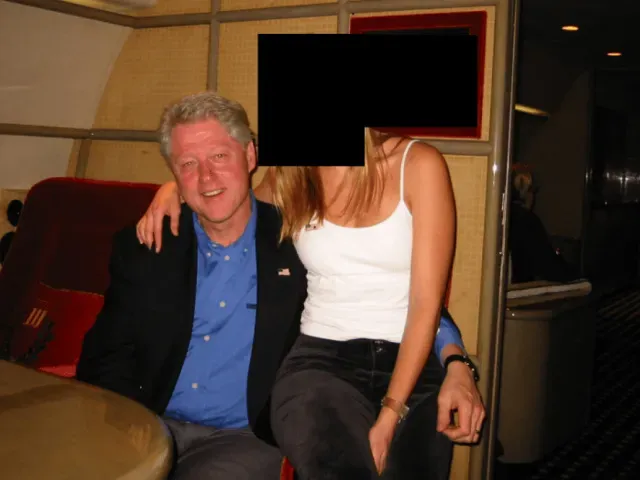
The recent Bill Clinton Epstein testimony has captured significant attention, as the former president was questioned about his ties to the late financier Jeffrey Epstein during a closed-door congressional hearing. Clinton emphatically stated that he “saw nothing” and was unaware of any wrongdoing by Epstein, despite his name surfacing in newly released Epstein files. Among the topics discussed was a controversial hot tub photo featuring Clinton with an unidentified woman, which has raised eyebrows and questions regarding the extent of his relationship with Epstein. Ex-US Secretary of State Hillary Clinton also testified, asserting her ignorance of Epstein’s crimes, as both Clintons faced scrutiny leading up to their depositions. This high-profile interrogation not only sheds light on the Epstein investigation but also opens up a dialogue surrounding other prominent figures linked to Epstein’s past, including President Donald Trump.
The topic surrounding Bill Clinton’s testimony in relation to Jeffrey Epstein is a complex intersection of politics and scandal that continues to intrigue the public. This congressional hearing delved into critical details regarding Clinton’s connections to Epstein, particularly in light of the upsetting hot tub photo that has emerged, prompting debates about accountability. The testimonies delivered by both Clintons highlight their claims of ignorance regarding Epstein’s illicit activities, inviting discussions on the broader implications for other influential individuals named in the Epstein investigation. As this saga unfolds, many are watching closely for further revelations and the potential impacts on ongoing Epstein files and their connections to various high-profile figures. The fallout from these depositions raises essential questions about responsibility and truth in the realm of power.
Bill Clinton’s Testimony on Epstein Associations
During a recent congressional hearing, former President Bill Clinton firmly stated that he knew nothing of Jeffrey Epstein’s nefarious activities. In his testimony, Clinton emphasized that being named in Epstein’s files or appearing in a photograph with unidentified individuals does not imply his complicity in any wrongdoing. The hot tub photo, which stirred considerable media attention, raises questions but ultimately serves to highlight the complexities of Epstein’s extensive network of high-profile acquaintances. Throughout the questioning, Clinton maintained that he severed ties with Epstein two decades ago, claiming that any association was strictly linked to charity efforts after his presidential term.
The inquiry not only touched upon Clinton’s past interactions with Epstein but also included discussions about President Trump’s connection to the financier. Lawmakers are looking into the implications of Clinton’s testimony and the insights it might provide into Trump’s involvement, further underscoring the investigative focus that Epstein’s case has garnered from various political angles. Despite the gravity of the situation, Clinton’s repeated assertions of innocence suggest a strong defensive strategy as he navigates the ongoing scrutiny surrounding Epstein’s investigations.
Understanding the Epstein Investigation
The Epstein investigation has unfolded as one of the most significant legal inquiries involving prominent figures from various sectors, shedding light on the pervasive issues of sexual exploitation and trafficking. Documents released thus far reveal that multiple high-profile individuals, including former presidents, are mentioned in relation to Epstein, sparking a public debate over accountability and ethics among the elite. In the context of Epstein’s crimes, the question of moral obligation looms large, pushing society to grapple with how systemic failures allowed such heinous behaviors to persist unchecked.
As more evidence comes to light through congressional hearings and investigations, the scrutiny of figures like Clinton and Trump extends beyond personal guilt. It reflects a broader societal demand for transparency and justice for the victims affected by Epstein’s despicable actions. Each testimony captured in these proceedings serves not only as an examination of individual characters but as a critical part of a wider narrative aiming to promote justice and reform in the wake of tragedy.
The Clinton-Epstein Connection: Hot Tub Photo Revelations
The infamous hot tub photo featuring Bill Clinton has been a focal point of his recent testimony regarding his connection to Jeffrey Epstein. While Clinton has categorically denied that the presence of such images indicates any wrongdoing on his part, they nevertheless ignite a whirlwind of speculation about his associations. Such photos can often mislead the public, creating associations that may not accurately represent the nature of relationships, as Clinton insists that his ties to Epstein were primarily philanthropic, linking back over nearly two decades.
This incident highlights a critical aspect of media discourse and public perception, where context often gets lost in sensationalism. The focus on the hot tub photograph, rather than the substantive details of Clinton’s statements during his testimony, raises concerns about how narratives are shaped during high-profile investigations. As the details of Epstein’s dangerous lifestyle continue to emerge through investigations, understanding the nuance of these relationships is imperative for the pursuit of truth and justice.
Clinton’s Congressional Hearing Insights
Bill Clinton’s recent congressional hearing marks a historic moment, as former presidents are not often subjected to deposition by Congress. His willingness to answer questions from the House Oversight Committee has been perceived as a move toward greater accountability among leaders. During this testimony, Clinton reiterated that he terminated any association with Epstein long ago and that his involvement was related to charity work, assuring that he had no knowledge of Epstein’s criminal activities.
The discussions during the hearing, particularly about Trump, are particularly significant as they indicate potential bipartisan interest in holding high-profile individuals accountable for their past associations. Clinton’s testimony offered new angles regarding Trump’s connections to Epstein, sparking renewed calls for Trump to testify. The unfolding of such hearings not only progresses the Epstein investigation but also serves to establish a precedent for transparency among those who have wielded significant power.
The Impact of Epstein Files on Public Perception
The release of Epstein’s files has had a profound impact on the public’s perception of numerous high-profile individuals, including Bill Clinton. While the existence of these documents does not imply wrongdoing, they have heightened scrutiny and speculation regarding those named within. The discussion surrounding Clinton’s involvement emphasizes the public’s desire for clarity as they seek justice for the victims of Epstein’s operations. Misinterpretation of these documents can lead to a rush to judgment, which highlights the need for responsible reporting and analysis.
As the files shed light on Epstein’s expansive social circle, the inquiries surrounding prominent names underscore a collective demand for accountability that transcends political affiliations. Moving forward, the discourse inspired by these revelations will likely shape future political landscapes and influence how similar investigations are conducted, pushing for reforms that might help prevent such situations in the future.
Political Ramifications of Clinton’s Testimony
Clinton’s testimony has not only implications for his personal legacy but also for current political dynamics. As he faces questions about his past relationships with Epstein, Republican and Democratic members of the committee are both analyzing the political repercussions of his statements. The burgeoning inquiries into Trump’s relationships with Epstein, sparked by revelations made in Clinton’s testimony, exemplify how connections to Epstein could ripple through contemporary political avenues, potentially affecting electoral intentions and public opinions.
The implications of these testimonies stretch far beyond individual accountability, indicating a shift towards a political environment where former leaders are increasingly expected to address their pasts in the face of rigorous public scrutiny. As the investigation unfolds, the potential for political fallout grows, keeping the public engaged and prompting discussions around ethics and historical accountability in governance.
The Role of Investigative Integrity in Epstein Case
The Epstein investigation exemplifies the critical importance of investigative integrity, particularly when dealing with individuals of high stature like Bill Clinton. As Congress seeks truth and justice for victims, maintaining transparency during testimonies and hearings is essential to uphold trust in the institution. Clinton’s detailed statements, including his firm denials and repeated assertions of his disassociation from Epstein, will play a crucial role in how history remembers both his legacy and the broader implications of the Epstein narrative.
Moreover, the collaboration between different political factions within the committee underscores a collective commitment to uncovering the truth. The necessity for a thorough and unbiased investigation is paramount as it aligns with societal demands for accountability. The willingness of Clinton and others to submit to questioning, despite potential political motivations, reflects a foundational principle of democratic governance: that all individuals, irrespective of status, should be subject to scrutiny.
Examining the Legal Framework Around Epstein’s Crimes
The legal framework surrounding the investigation into Jeffrey Epstein’s crimes serves as a reminder of the complexities involved when addressing corruption and abuse within powerful circles. Clinton’s testimony, along with other testimonies, highlights the legal processes involved, which must be precise and thorough to facilitate justice for victims. The numerous documents and testimonies presented adhere to legal protocols, emphasizing the underlying responsibility of Congress to ensure that all individuals are held to account without prejudice.
Additionally, the Epstein investigation bolsters broader discussions around legal reforms needed to safeguard against similar predation in the future. As lawmakers analyze past relationships and associations, there is an opportunity to scrutinize existing laws regarding sexual crimes and trafficking, striving to enhance protections for potential victims. By addressing legislative shortcomings exposed by this inquiry, the Clinton testimony can serve as a vital impetus for future policy changes.
Public Accountability and the Epstein Revelation
The public’s engagement with the Epstein investigation reflects a growing demand for accountability among those in power. Bill Clinton’s testimony is not only a response to personal queries but part of a larger societal expectation that elected officials and public figures uphold moral and ethical standards. This moment represents an opportunity for societal reflection on how past associations are evaluated and how individuals are held accountable for their networks and relationships.
As further testimonies and revelations surface, the discourse surrounding accountability will likely continue to evolve, pushing for transparency in cases that involve high-profile individuals. The Epstein investigation is therefore not merely an inquiry into criminal acts but also a dialogue about societal norms and expectations, prompting all individuals—especially those in leadership—to be vigilant in their associations and take responsibility for their connections in both personal and professional realms.
Frequently Asked Questions
What was Bill Clinton’s testimony regarding his relationship with Jeffrey Epstein?
During his testimony, Bill Clinton stated that he knew ‘nothing’ about Jeffrey Epstein’s crimes and emphasized that he had cut off ties with Epstein over two decades ago. He expressed regret over any association with Epstein, asserting he would have reported Epstein had he been aware of the wrongdoing.
What details emerged from Bill Clinton’s hot tub photo related to Jeffrey Epstein?
Bill Clinton was questioned about a hot tub photo featuring him and an unidentified woman during the congressional hearing. Clinton claimed he did not know the woman and denied any sexual involvement with her, emphasizing that his appearance in the photo does not indicate any wrongdoing.
How did Bill Clinton address the allegations regarding the Epstein investigation during his congressional hearing?
In his deposition, Bill Clinton reiterated his lack of knowledge concerning Epstein’s criminal activities. He explained that being mentioned in the Epstein files does not imply wrongdoing and stressed his commitment to transparency throughout the investigation.
What did Bill Clinton say about his connections with Epstein after leaving the presidency?
Bill Clinton noted that his interactions with Epstein were primarily related to his charitable works post-presidency and insisted that he distanced himself from Epstein’s circle of influence once he became aware of Epstein’s criminal history.
Were the Clintons’ testimonies about Epstein linked to any accusations of misconduct?
So far, neither Bill nor Hillary Clinton has been accused of any misconduct related to Epstein. Their testimonies are part of a broader congressional investigation into Epstein’s network, with the Clintons emphasizing their lack of knowledge about his crimes.
What implications did Bill Clinton’s testimony about Trump have during the Epstein investigation?
During his deposition, Bill Clinton mentioned President Trump’s relationship with Epstein, prompting renewed discussions among committee members about the necessity of having Trump testify. Clinton clarified that he had no knowledge of any wrongdoing by Trump in relation to Epstein.
What was the significance of Bill Clinton’s deposition in relation to past presidential testimonies?
Bill Clinton’s congressional deposition is historically significant as it marks the first time a former president has testified before Congress, furthering the precedent that high-ranking officials can be held accountable in legal inquiries, especially in a serious investigation like the Epstein case.
How did Bill Clinton and Hillary Clinton respond to the subpoenas related to the Epstein investigation?
Initially, both Bill and Hillary Clinton resisted a subpoena to testify, deeming it politically motivated. However, they eventually agreed to testify to avoid potential contempt-of-Congress proceedings against them.
What impact did Bill Clinton’s testimony have on public and political discourse?
Bill Clinton’s testimony has created significant political discourse around the Epstein investigation, as it revealed interactions with other high-profile individuals and raised calls for further inquiries into their connections, particularly regarding President Trump.
What are the key takeaways from Bill Clinton’s testimony related to the Epstein files?
Key takeaways from Bill Clinton’s testimony include his repeated denials of wrongdoing, his claims of ignorance regarding Epstein’s actions, and his emphasis on his past decision to cut ties with Epstein following concerns about his behavior.
| Key Point | Details |
|---|---|
| Clinton’s Testimony | Bill Clinton testified he knew nothing about Epstein’s crimes and has not been accused of any misconduct. |
| Hot Tub Photo | Clinton was questioned about a photo of him in a hot tub with an unidentified woman, which he claimed not to know. |
| Political Context | Clintons initially resisted a subpoena for their testimony, calling it politically motivated. |
| Disclosure of Information | Clinton’s testimony included mention of President Trump’s ties to Epstein, sparking renewed calls for Trump to testify. |
| Public Interest | The testimony is considered historic as it marks a former president being deposed by Congress. |
Summary
The Bill Clinton Epstein testimony has sparked significant interest as the former president maintains he had no knowledge of the late Jeffrey Epstein’s criminal activities. In his deposition, Clinton emphasized his lack of wrongdoing and questioned the legitimacy of the inquiries against him and his wife. This testimony opens discussions not only about the Clintons’ past associations with Epstein but also highlights political implications involving other high-profile individuals like President Trump. The call for transparency and accountability is a core part of this ongoing investigation, reflecting the seriousness of the situation.