
Listen to this article
Bermondsey Underground station is a remarkable example of modern transit design, showcasing how the London Underground can incorporate natural light architecture into its typically subterranean environment. Opened in 1999, this station was crafted by the innovative Ian Ritchie Architects, who prioritized creating an airy and welcoming atmosphere for commuters. Unlike many of its counterparts, Bermondsey allows daylight to flood the platform area, significantly enhancing the passenger experience beneath the city. The station’s thoughtful construction utilizes glass and stainless steel elements, which reflect and amplify the sunlight, making it one of the brightest Jubilee line stations. This unique approach to underground station design not only elevates the aesthetic but also alleviates the often claustrophobic feeling associated with deep-level Tube stations.
Bermondsey station exemplifies contemporary subway design, merging functionality with a dedication to environmental considerations. This London Underground stop highlights innovative architecture that allows daylight to penetrate deep into its substructure, significantly improving visibility and comfort for travelers. Designed by the acclaimed Ian Ritchie Architects, the station stands as a testament to how urban transit systems can incorporate light and space in their build. Featuring translucent features and reflective surfaces, this station embodies modern engineering principles while celebrating natural illumination. As one of the notable Jubilee line stations, it sets a new standard for underground stations, proving that practical travel solutions can also be aesthetically pleasing.
The Innovative Design of Bermondsey Underground Station
Bermondsey Underground station is a prime example of forward-thinking architecture in urban transit systems. Designed by Ian Ritchie Architects, this station has redefined what an underground station can be by incorporating natural light into its structure. Nestled 10 meters below ground, many might expect a typical suffocating atmosphere, but instead, travelers experience a genuinely inviting environment. The station was specifically engineered to allow daylight to penetrate deep into the subterranean space, setting it apart from the usual dimly lit Tube experience found across the London Underground.
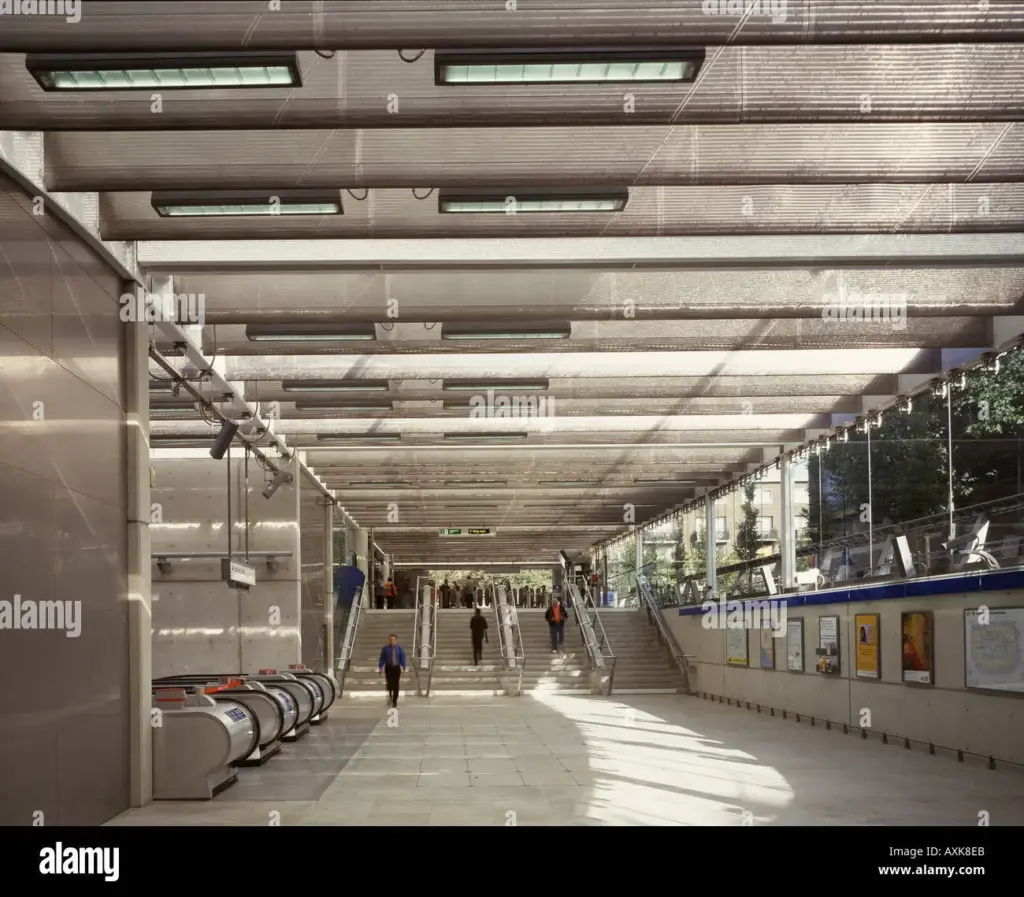
The innovative design features a striking curved glass roof that channels sunlight into the station. Travelers entering the station are greeted by this stunning architectural element, which is surrounded by large translucent walls that further enhance the inflow of natural light. As people move towards the escalators, they find themselves enveloped in a bright and airy atmosphere, a significant shift from traditional designs where natural light is often nonexistent. This rejuvenating ambiance helps alleviate the stress that commuters typically experience in other deep-level stations.
The Role of Natural Light in Underground Station Design
Natural light has long been an undervalued element in underground station design, often replaced by harsh artificial lighting that can create a dismal commuting experience. However, Bermondsey Underground station has effectively demonstrated that incorporating sunlight can transform how passengers interact with transit spaces. From its innovative glass roof to the strategically placed beams, natural light not only brightens the station but also creates a welcoming environment that encourages daily use and user comfort. This design philosophy aligns with a growing trend in urban architecture that seeks to harmonize structure with natural elements.
The use of daylight is particularly critical for mental wellness in confined spaces like underground transit stations. By infusing natural light throughout Bermondsey station, Ian Ritchie Architects have not just created a visually striking design but have also taken steps to enhance passenger mental health. Studies in environmental psychology suggest that exposure to natural light can significantly improve mood and reduce stress levels among commuters. Bermondsey serves as a leading example in the London Underground where comfort and aesthetic considerations are balanced harmoniously with functional design.
How Bermondsey Reflects Modern Architecture Trends
Bermondsey station reflects the latest trends in modern architecture, particularly with its focus on sustainability and user-centric design. The choice of durable materials such as glass, stainless steel, and concrete enhances both the longevity and contemporary aesthetic of the station. Each element is meticulously selected not just for its structural properties but also for its ability to foster a bright and open space, which is crucial for an underground station. The innovative use of materials highlights the importance of structural integrity while also celebrating an airy and inviting atmosphere, a narrative that has resonated in recent urban architecture trends.
Moreover, the design of the station exemplifies a shift towards more thoughtful and responsive urban transit solutions that prioritize user experience. The large glass elements not only allow natural light but also create visual connections to the city above, giving commuters a sense of place and orientation. By providing an uplifting experience at the start and end of their journeys, Bermondsey station sets a benchmark for future developments in the London Underground, inviting architects and designers to rethink how underground spaces can enhance urban life.
The Impact of Design on Commuter Experience at Bermondsey
The design of Bermondsey Underground station significantly impacts the commuter experience by alleviating the traditional pressures associated with underground travel. The infusion of natural light creates a distress-free journey, ensuring that travelers feel less confined and more connected to the outside world. The use of reflective materials, such as perforated stainless steel, complements the natural light, casting dynamic patterns and shadows that intrigue passengers. These thoughtfully designed surfaces not only serve aesthetic purposes but also play a vital role in enhancing the overall atmosphere of the station.
As commuters move through the various levels of the station, they are treated to a sensory experience that is both visually stimulating and comforting. This thoughtful design invites a more positive interaction with the London Underground system and serves as a model for enhancing other stations. The way light is utilized in Bermondsey reflects a growing recognition of the importance of creating user-friendly transit environments that go beyond mere functionality to provide real emotional benefits, showcasing the perfect blend between innovative architecture and commuter convenience.
A Legacy of Light: Bermondsey and the Jubilee Line
Bermondsey station is part of a legacy that transformed the Jubilee line when it was expanded in 1999. Along with its 10 counterparts, Bermondsey has redefined what it means to travel underground. These stations were designed with modern features and amenities that prioritize commuter experience, with Bermondsey taking the lead in its emphasis on natural light. This focus on sustainable design practices reflects broader developments in the architectural community that value environmental consciousness and user experience.
The legacy of light found in Bermondsey Underground station sets a benchmark within the entire Jubilee line network. By prioritizing natural elements, these stations have collectively contributed to transforming perceptions of underground travel within London. Bermondsey stands as a testament to the efficacy of integrating innovative design with practical function, ensuring that underground transport can be both a lighting haven and a lifeline for commuters. This approach inspires future projects, encouraging new designs that can similarly harmonize urban transit with the benefits of natural light.
Architectural Elements That Define Bermondsey
The architectural elements that define Bermondsey Underground station include a combination of glass, concrete, and metal that create a robust yet modern aesthetic. The curved glass roof is not only a visual focal point but also serves a practical role by allowing maximum sunlight into the station. It reflects a shift towards using natural materials that seamlessly blend into the urban environment while providing structural integrity. These materials, paired with innovative engineering, help to create a visually striking yet functional space.
Additionally, the latticed concrete beams that line the escalators are a noteworthy feature that contributes to the overall design coherence. These beams, strategically positioned, help guide natural light deeper underground, enhancing the feeling of space and warmth. This clever interplay between light and shadow adds depth to the commuter experience, setting Bermondsey apart as an inspiring model for future underground station designs. Each architectural choice reinforces the station’s reputation as a sanctuary of light in the context of London’s bustling underground transportation.
Why Natural Light Matters in Underground Structures
Natural light is essential in underground structures for multiple reasons, ranging from improving the psychological well-being of commuters to enhancing overall safety perceptions. In contrast to traditional underground stations, like many found across the London Underground, Bermondsey provides a refreshing alternative. The implementation of daylight into the design has a direct positive effect on traveler mood, reducing feelings of isolation and confinement associated with dark spaces. Offering light-filled spaces invites commuters to enjoy their journeys rather than endure them.
Moreover, the presence of natural light can also help improve the overall security perception within underground stations. Well-lit environments tend to feel safer and more welcoming to passengers, particularly during off-peak hours when traffic is lower. Bermondsey stands as a prime example of how strategic architectural decisions can create a balance between functionality and aesthetics, helping to enhance user experience by reassuring commuters that they are in a space designed with their comfort and safety in mind.
The Future of Underground Station Architecture
The future of underground station architecture is poised to continue evolving, drawing inspiration from exemplary designs like Bermondsey. As cities grow and the need for efficient transportation increases, the focus on passenger experience and environmental sustainability becomes paramount. Architcts will likely continue to explore integrating natural light into their designs, moving away from traditional environments that often lack brightness and comfort. Innovations will foster spaces that not only facilitate transit but also encourage social interaction and community connectivity.
Future underground stations may also incorporate more advanced technologies to maximize energy efficiencies alongside natural lighting solutions. Designers will push boundaries, finding creative ways to further harmonize structure and service while addressing city-wide challenges such as climate change and urbanization. As trends shift towards human-centered design, Bermondsey Underground station will remain an influential model, demonstrating that architectural brilliance can lead to better commuter experiences and vibrant urban landscapes.
Frequently Asked Questions
What makes Bermondsey Underground station unique among London Underground stations?
Bermondsey Underground station is unique because it features innovative architecture designed by Ian Ritchie Architects that allows natural light to flood the platforms, creating a bright and airy atmosphere, unlike many traditional London Underground stations.
Who designed the Bermondsey Underground station and what was their vision?
The Bermondsey Underground station was designed by Ian Ritchie Architects, with a vision to utilize natural light architecture to improve the passenger experience by providing an open and welcoming environment at the typically dark depths of the London Underground.
How does the design of Bermondsey Underground station allow natural light to reach the platforms?
The design of Bermondsey Underground station incorporates a curved glass roof and translucent walls at street level, channeling sunlight down through escalators and strategic openings in the structure, helping to illuminate the station’s interior even 10 meters below ground.
What materials were used in the construction of Bermondsey Underground station?
Bermondsey Underground station is built using durable materials such as glass, stainless steel, and concrete, which contribute to its modern aesthetic and help in maximizing the penetration of natural light within the station.
In which year did Bermondsey Underground station open and what line is it part of?
Bermondsey Underground station opened in 1999 and is part of the Jubilee line, serving to improve connectivity in southeastern London.
What are the benefits of allowing natural light in underground station design, as seen in Bermondsey Underground station?
Allowing natural light in underground station design, as exemplified by Bermondsey Underground station, helps reduce stress for passengers, creates a more pleasant travel experience, and enhances the overall aesthetic of the space by introducing dynamic light patterns.
What features contribute to the spacious atmosphere of Bermondsey Underground station?
Features like high ceilings, latticed concrete beams, and reflective surfaces in Bermondsey Underground station work together to create an illusion of space and openness, complemented by the influx of natural light.
How does the design of Bermondsey station compare to other Jubilee line stations?
Bermondsey station stands out among other Jubilee line stations for its focus on natural light and open design, setting a benchmark in underground station architecture that prioritizes both functionality and passenger well-being.
Was there an original plan for a building above Bermondsey Underground station?
Yes, there were initial plans for a multi-storey office building to be constructed above Bermondsey Underground station, but these plans were not realized, leaving the station’s unique design to define the space.
What challenges do traditional London Underground stations face that Bermondsey Underground station overcomes?
Traditional London Underground stations often deal with poor air quality and harsh artificial lighting, while Bermondsey Underground station overcomes these challenges by utilizing natural light and open design to create a healthier, more enjoyable environment for travelers.
| Key Feature | Description |
|---|---|
| Natural Lighting | Bermondsey Underground station is designed to allow natural light to penetrate the platform level, enhancing the atmosphere. |
| Architectural Design | The station was designed by Ian Ritchie Architects, emphasizing a futuristic approach that prioritizes openness and light. |
| Curved Glass Roof | The entrance features a curved glass roof that channels sunlight into the station, creating a welcoming ambiance. |
| Translucent Walls | Large translucent walls at the entrance amplify brightness and provide a light-filled environment. |
| High Ceilings | The ceilings extend down to the escalator area, maintaining the spacious feel all the way to the platform. |
| Latticed Concrete Beams | Strategically placed beams help to direct sunlight deeper underground, enhancing the feeling of openness. |
| Reflective Materials | Perforated stainless steel beams reflect light, creating patterns and shadows that enrich the platform’s atmosphere. |
| Durable Materials | Stainless steel, concrete, and glass were selected for both their durability and modern aesthetic. |
Summary
Bermondsey Underground station exemplifies innovative design by utilizing natural light to create a relaxing atmosphere for commuters. First opened in 1999, this station breaks the mold of traditional underground structures, showcasing how thoughtful architectural choices can transform the experience of travel beneath London. With its curved glass roof and reflective materials, Bermondsey proves that underground stations can be bright, welcoming spaces, offering a fresh perspective on urban transit design.