
Listen to this article
The Berlin fire activist group, known as the Vulkangruppe, has recently made headlines by claiming responsibility for a dramatic arson incident that left thousands in Berlin without power. This far-left organization has openly stated their opposition to the fossil fuel economy, framing their actions as a necessary response against environmental destruction. The consequences of their attack on electrical infrastructure were severe, impacting approximately 45,000 homes and 2,200 businesses during the freezing temperatures of the winter season. As the city grapples with the fallout from this incident, which has drawn accusations of left-wing extremism, the debate about the lengths activists will go to in their fight against climate change becomes increasingly urgent. With electricity restoration expected by Thursday, the broader implications of the Vulkangruppe’s tactics on urban safety and political discourse are unfolding across Berlin and beyond.
Known for its radical environmental tactics, the Berlin fire activist group—Vulkangruppe—has recently escalated its protests through extreme measures like arson, targeting critical infrastructure linked to fossil fuel consumption. Their latest incident has raised discussions about the fine line between activism and extremism, as their actions led to significant power outages affecting tens of thousands during harsh winter conditions. By positioning themselves against the fossil fuel industry, they have ignited a heated discourse on the effectiveness and morality of such resistance actions. The impact of these events on the city’s economy and the safety of its residents particularly during emergencies is now under scrutiny. As the situation develops, it is essential to consider the broader environmental implications and the societal reactions to controversial methods employed by activist groups.
Understanding the Vulkangruppe’s Motive Behind the Arson Incident
The Vulkangruppe’s declaration regarding their arson incident highlights a radical approach to addressing climate change concerns, specifically targeting the fossil fuel economy. Their belief is that disruptive actions will draw attention to environmental issues and the urgent need for sustainable energy solutions. The group claims that their recent attack on a power plant was intended as a critique of energy policies that they assert exacerbate the climate crisis, rather than a direct affront to the local residents who suffered power outages.
This approach aligns with some historical and recent tactics employed by various activist groups worldwide, where property damage is deemed justified in the pursuit of a greater good. The Vulkangruppe’s action resonates with the sentiments of many environmental advocates who feel that conventional protest methods are inadequate in capturing the urgency of the climate emergency. However, this raises ethical questions about the implications of such extreme measures and the collateral damage inflicted on innocent lives, particularly vulnerable populations reliant on stable power.
The Impact of Power Outages on Berlin’s Community
The arson incident resulted in significant disruption across Berlin, affecting approximately 45,000 households and 2,200 businesses. The immediate fallout from the power outage included challenges for hospitals and care facilities, which required emergency power generators to maintain critical services. The timing of the outage was particularly harsh, occurring during near-freezing temperatures when the need for heating was paramount. Schools also faced closures, compounding the disruption for families and the community.
In the wake of this attack, Berlin’s government sprang into action by providing support to the hardest hit and ensuring that essential facilities were prioritized for power restoration. Even as the city worked to reconnect electricity, it grappled with the repercussions of the Vulkangruppe’s actions on public safety and trust. The swift response underscored the city’s commitment to maintaining stability in the face of criminal acts that target infrastructure, raising community awareness about the fragility of modern conveniences like electricity.
Berlin’s Response to Left-Wing Extremism and Activism
The local government and law enforcement agencies in Berlin have expressed grave concerns regarding left-wing extremism, particularly in light of events like the recent arson incident by the Vulkangruppe. Officials described the perpetrators as suspected extremists, which presents a complicated narrative for the city, balancing the need for civil liberties and the upholding of public safety. The accusation against the Vulkangruppe reflects a broader societal worry about radical political movements taking extreme action, which can lead to public unrest.
Such events spark debates around the effectiveness and morality of radical activism versus traditional protest methods. While the Vulkangruppe and similar groups argue that their actions are necessary to combat climate change and promote sustainable alternatives, critics insist that these actions cross a line into endangering lives and public welfare. The Berlin incidents invite necessary discourse on how far activists should go to make their point, especially when their tactics can inadvertently alienate the very community they purport to support.
Debating the Ethics of Eco-Activism in Urban Settings
The ethical implications of eco-activism are a contentious subject, particularly when discussing actions like those taken by the Vulkangruppe. While many in the environmental movement may sympathize with their cause against fossil fuels, the methods employed, like arson, ignite fierce debate. Such tactics may be seen as undermining the legitimacy of their message by resorting to violence, which can push away potential allies who share their concerns but disagree with their methods.
Moreover, these actions can have unintended consequences on public perception toward environmental activism as a whole. A society already fraught with concerns regarding safety and stability may view radical measures with suspicion, potentially stifling constructive conversations about transitioning to a more sustainable future. It is crucial for environmental advocates to navigate these complexities carefully to foster a collaborative approach that encourages positive change without resorting to harmful behaviors.
Safety Protocols in Light of Recent Attacks on Infrastructure
In response to the Vulkangruppe’s arson incident, Berlinofficials have been revisiting their safety protocols regarding critical infrastructure. The attack highlights the vulnerabilities of urban systems which, while generally reliable, can face threats from radical groups seeking to make a political statement. Enhanced security measures and contingency plans for key energy facilities are now under review, recognizing that preventive action is essential in protecting vital systems from similar attacks in the future.
Additionally, the recent incidents prompt discussions about the role of law enforcement and community engagement in safeguarding public utilities. Building cooperation among residents, businesses, and officials can serve as a deterrent to radical actions while fostering a sense of community resilience. Engaging in open dialogues with the public concerning safety can strengthen responses to potential threats, ensuring that the values of environmental activism are upheld without compromising the safety and security of urban populations.
The Broader Implications of the Fossil Fuel Economy
The Vulkangruppe claims to act against the fossil fuel economy that they see as the primary driver of climate change. The fossil fuel industry has long been a contentious issue, drawing criticism from environmentalists who point out its disastrous impact on ecosystems and communities alike. The group’s assertion brings forth a crucial conversation on how societies structure their energy systems and the consequences of dependence on fossil fuels, particularly how this reliance results in heightened vulnerability for communities.
As cities grapple with transitioning to greener alternatives, incidents like the Berlin arson illustrate how the urgency of addressing climate issues can lead to drastic and destructive measures. Therefore, it is pertinent for urban planners and policymakers to prioritize developing resilient energy infrastructures that minimize dependency on fossil fuels while addressing community needs. Collaborating with activist groups in discussions about sustainable energy solutions can lead to innovative approaches that honor environmental objectives while ensuring public safety.
Societal Reactions to the Vulkangruppe’s Claims
The public reaction to the Vulkangruppe’s claim of responsibility for the Berlin fire has been largely mixed, with many expressing outrage over the severity of their tactics, while others may sympathize with their cause. This dichotomy represents a unique reflection of societal values towards environmentalism and the acceptable boundaries of protest. While some believe that extreme measures are justified in the face of climate emergency, the broader public often fears for their safety and the well-being of the community.
The increasing visibility of radical activist groups challenges the status quo, urging the public to reconsider how issues like climate change are approached. Yet, this can also create polarization within society, where the methods overshadow the message. Moving forward, it is essential for environmental conversations to focus more on collaboration and constructive engagement, minimizing actions that cause harm or instigate fear within communities.
Restoring Electricity and Community Trust Post-Incident
In the aftermath of the arson incident that left many Berliners without power, the government’s immediate priority has been to restore electricity while managing public trust. The commitment to reconnecting households and businesses as swiftly as possible showcases the city officials’ determination to mitigate the incident’s impact. However, this situation also calls for transparency regarding security measures implemented to prevent future attacks as communities require assurance that they can rely on their infrastructure.
Rebuilding community trust post-incident involves not only technical resolutions but also genuine engagement with affected residents. Ensuring that feedback is welcomed and incorporated into future safety planning can help communities feel more secure. Implementing educational initiatives to raise awareness about the challenges posed by radical activism can also foster understanding, emphasizing the importance of balanced approaches to advocating for environmental change.
Learning from the Incident: Future Measures to Prevent Arson
The incidents of arson attributed to the Vulkangruppe emphasize the necessity of revising policies and security protocols to prevent similar episodes in the future. Policymakers must evaluate vulnerabilities in urban infrastructures and actively engage with communities in discussions regarding safety and preventative measures. Investing in more robust security around critical facilities, such as power plants, is paramount to ensure safety against extremist actions.
Moreover, fostering a proactive dialogue regarding environmental activism can help prevent the escalation of tensions that could lead to more destructive actions. Balancing the motivations of activist groups with the responsibility to protect the infrastructure and public safety is crucial. By creating pathways for constructive engagement with radical voices in the environmental movement, cities can collaboratively work toward solutions that promote sustainability while minimizing risk.
Frequently Asked Questions
What is the Berlin fire activist group Vulkangruppe?
The Vulkangruppe, or Volcano Group, is a far-left activist organization in Germany known for its radical actions against the fossil fuel economy. The group claims responsibility for several high-profile incidents, including an arson attack in Berlin that caused widespread power outages.
What incident did the Vulkangruppe claim responsibility for in Berlin?
The Vulkangruppe claimed responsibility for a major arson incident in Berlin that left thousands of households, businesses, and hospitals without electricity, highlighting their opposition to the fossil fuel economy.
How did the Berlin fire activist group impact the power supply in the city?
The arson incident attributed to the Berlin fire activist group, Vulkangruppe, involved burning cables near a power plant that significantly disrupted electricity supply, affecting around 45,000 households and over 2,200 businesses.
What were the consequences of the power outage caused by the Vulkangruppe’s actions?
The power outage resulted in significant disruptions, including the closure of schools and hospitals, which had to rely on emergency power generators, all due to the arson incident executed by the Vulkangruppe.
What is the motivation behind the Vulkangruppe’s actions?
The Vulkangruppe stated that their target was the fossil fuel economy rather than causing power outages. They described their actions as a form of self-defense and solidarity against environmental destruction.
How did authorities react to the Vulkangruppe’s arson incident in Berlin?
Authorities, including Berlin’s mayor, condemned the Vulkangruppe’s actions, labeling them as responsible for endangering lives, especially in hospitals. The police found the group’s claims of responsibility plausible as investigations continue.
Is the Vulkangruppe connected to other extremist actions in Berlin?
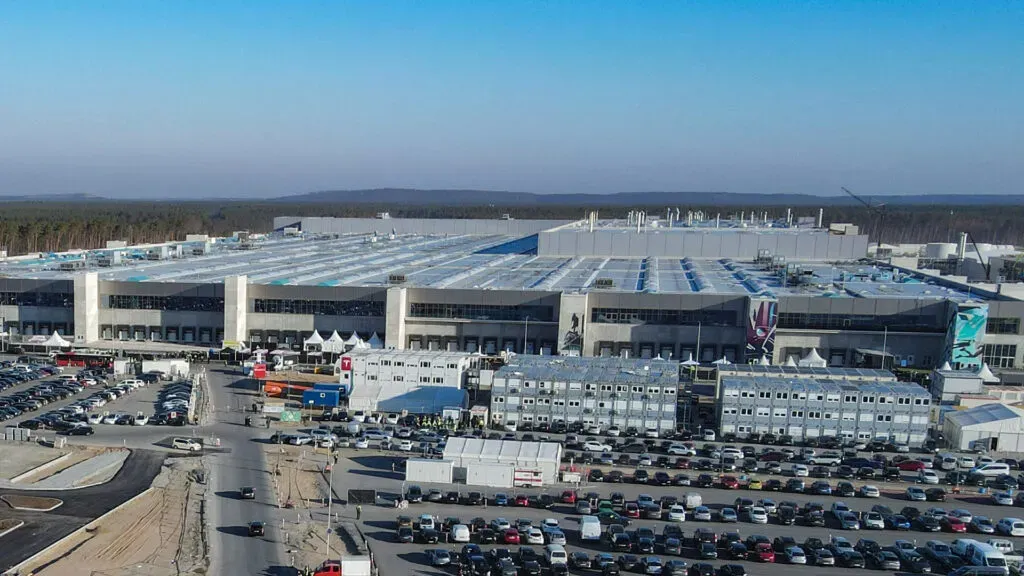
Yes, the Vulkangruppe has been linked to other incidents of left-wing extremism, including a previous arson attack that disrupted operations at Tesla’s Berlin factory.
What impact did the Vulkangruppe’s attack have on the local economy?
The arson incident led to significant economic disruption in Berlin, particularly affecting businesses and essential services that rely heavily on uninterrupted electricity, showcasing the tensions surrounding the fossil fuel economy.
Were there any responses or criticisms toward the Vulkangruppe’s actions?
Yes, responses to the Vulkangruppe’s actions included strong condemnations from local government officials, citing the risks posed to lives and public safety due to the outages.
What statement did the Vulkangruppe make regarding the impact of the power outage on residents?
The Vulkangruppe expressed regret for the distress caused to less affluent residents by the power outage but described their actions as necessary for environmental defense.
| Key Points |
|---|
| Activist group Vulkangruppe claims responsibility for Berlin fire, citing fossil fuel economy as their target. |
| The fire disrupted power for around 45,000 households and 2,200 businesses during freezing temperatures. |
| The incident led to closures of schools and disruptions in hospitals; emergency generators were deployed. |
| Berlin’s mayor condemned the attack, highlighting risks to lives, especially in hospitals. |
| Vulkangruppe expressed mixed feelings about the outages, showing no remorse for wealthier individuals affected. |
| Authorities are investigating the incident and found the group’s claims to be plausible. |
| Similar arson tactics were used by the group in a previous attack on Tesla’s factory in Berlin. |
Summary
The Berlin fire activist group, Vulkangruppe, has sparked a controversial discussion around the impact of their actions, which resulted in a major power disruption affecting thousands. This incident has raised important questions about the methods employed by activist groups in their fight against environmental degradation and the strategic targeting of fossil fuel infrastructures. While their motivations may resonate with some, it is essential to consider the public safety implications and the consequences of such actions on vulnerable communities. As investigations continue, the future of activism and its societal impact remains a pivotal topic in Berlin.

