Listen to this article
The recent Belarus prisoner release has sparked a wave of hope and celebration among supporters of democracy and human rights worldwide. This pivotal moment has seen 123 political prisoners freed, including prominent opposition figures like Maria Kolesnikova, who became a symbol of the resistance against the Lukashenko regime during the 2020 protests in Belarus. The release signifies a crucial step towards recognizing human rights amidst a backdrop of systemic oppression, with many activists, including the Nobel laureate Ales Bialiatski, finally seeing their dreams of freedom realized. As social media buzzed with videos of their joyous reunions, the international community watched closely, wondering about the implications of this shift in Belarusian politics. The resilience of those once imprisoned underscores the urgent need for ongoing advocacy for all Belarus political prisoners still languishing in custody.
The liberation of political detainees in Belarus marks a significant turning point in the ongoing struggle for freedom and justice in the country. Activists and supporters are celebrating the release of notable figures who faced unjust sentences under a regime notorious for its crackdown on dissent. With voices like Maria Kolesnikova and Ales Bialiatski rising from the shadows of prison, the narrative of fear begins to shift toward one of resilience and hope. The 2020 protests that galvanized the nation have served as a rallying point for those advocating against the authoritarian practices of the Lukashenko administration. As the world now keenly observes this remarkable development, the fate of remaining prisoners and the future of democracy in Belarus remain pivotal concerns.
The Significance of the Belarus Prisoner Release
The recent release of 123 political prisoners in Belarus is a monumental moment in the struggle for democracy and human rights in the country. This release includes prominent figures like Maria Kolesnikova and Ales Bialiatski, whose names resonate with many due to their unwavering commitment to opposing the Lukashenko regime. The sheer number of prisoners set free signifies a potential thaw in the political climate of Belarus, a place where individual freedoms have been traditionally stifled. The release could spark momentum among citizens who have witnessed the brutality of the regime during the 2020 protests and sought to reclaim their rights.
Furthermore, the international negotiations leading up to this moment highlight the pivotal role that foreign diplomacy plays in the human rights landscape of Belarus. The U.S. engagement, facilitated by special envoy John Coale, underscores a shift in approach toward Lukashenko, suggesting that dialogue and negotiation can sometimes yield positive results. However, the uncertainty of whether more political prisoners will be released remains a pressing concern for human rights advocates, who continue to push for accountability and reform within the Lukashenko regime.
Impact of Maria Kolesnikova’s Release
Maria Kolesnikova’s release has invigorated both supporters and activists within and outside Belarus. As a symbol of the 2020 protests, her triumphant return to the public eye, captured in emotional videos, amplifies the call to action for those still imprisoned. Her statements post-release reflect a deeper empathy for those who remain behind bars, reinforcing the idea that the fight for democracy does not stop at individual freedom. Instead, her joy is intertwined with the suffering of others, making her a relatable figure whose story fuels collective hope among Belarusians.
Kolesnikova’s reemergence also serves to highlight the plight of other political prisoners in the country, including notable figures like Ales Bialiatski. Many of her supporters fear that her release might be a mere tactical maneuver by the Lukashenko regime, aimed at mitigating international pressures while continuing to detain others. Nonetheless, her experience and continued advocacy could catalyze a more organized movement for reform, further pressuring the regime to abandon its authoritarian tactics and recognize the rights of its citizens.
Ales Bialiatski and His Call for Action
Ales Bialiatski’s release, alongside that of Kolesnikova, carries immense weight, not only for his personal triumph after years of imprisonment but also as a rallying cry for other political prisoners in Belarus. His work with Viasna, an organization dedicated to monitoring political detentions, places him in a unique position to advocate for those who remain unjustly incarcerated. Following his release, Bialiatski emphasized the importance of solidarity among Belarusians, urging activists to keep pressure on the regime and seek the release of all political prisoners, thereby igniting a renewed sense of activism within the community.
His poignant message, alongside the visibility of international attention on Belarus, serves as an essential reminder of the political context that allowed such gross violations of human rights to occur. The narrative of struggle against the regime’s oppressive actions is vital for inspiring future generations, and Bialiatski’s determination to not forget those left behind paints a clearer picture of the ongoing fight for justice and democracy within Belarus.
The Role of International Diplomacy in Belarus
The intricate negotiations that led to the release of prisoners illustrate the significant influence of international diplomacy. The engagement of the United States, particularly under the administration’s nuanced strategies, highlights the complexities of working with regimes like Lukashenko’s, which have historically resisted foreign influence. The balancing act of maintaining pressure through sanctions while offering gestures of dialogue can be a delicate strategy that aims to open channels for future discussions on human rights.
This diplomatic approach holds potential implications for how the U.S. and its allies interact with authoritarian regimes globally. By demonstrating that dialogue can lead to tangible outcomes, the U.S. may redefine its engagement strategies not only in Belarus but in similar geopolitical situations. The challenge will be to ensure these strategies do not inadvertently empower oppressive regimes or undermine the rights of political prisoners still suffering under brutal conditions.
The International Community’s Response to Belarus Protests
The 2020 Belarus protests, which erupted in response to widely contested elections, garnered international condemnation and support for the pro-democracy movement. The brutality faced by protestors under the Lukashenko regime drew attention to the need for active international intervention. Solidarity drives across Europe and beyond raised awareness about the plight of political dissidents, including the prominent figures such as Kolesnikova and Bialiatski, who have become symbols of resistance against autocratic governance.
However, the effectiveness of international responses raises significant questions. While sanctions and verbal condemnations can highlight injustices, they must be paired with meaningful actions that provide support to the grassroots movements. The release of political prisoners may signal a shift, but ongoing protests and calls for reform showcase the tenacity of the Belarusian spirit, demanding continued support from the global community.
The Future of Belarusian Civil Society
As Belarus moves into this new chapter following the release of prominent political prisoners, the future of civil society remains uncertain yet hopeful. Activists and supporters are urging citizens to remain committed to the fight for democracy, emphasizing the need for resilience among those who continue to advocate for justice and change. The emergence of discussions about reform within the Belarusian society could pave the way for more organized movements, bringing together various sectors of the population rallied around a common goal of democratic progress.
Nevertheless, a cautious approach is necessary, as the Lukashenko regime may attempt to regain control by re-imposing restrictions on civil liberties. The desire for freedom and reform, however, is palpable, as seen in the unity displayed during recent gatherings to welcome released prisoners. As civil society continues to evolve, the momentum from this release may just be the spark needed to ignite long-lasting change in Belarus.
Reflections on the 2020 Belarus Protests
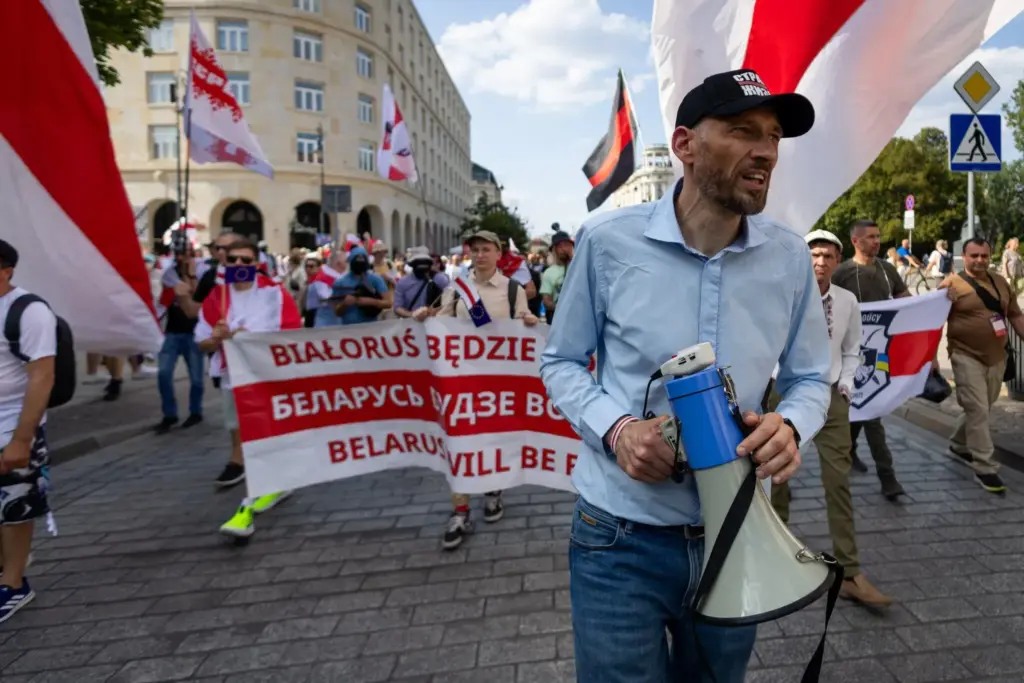
The 2020 protests in Belarus marked a significant turning point in the country’s political landscape. Citizens, propelled by a sense of injustice surrounding the electoral process, came together to challenge the long-standing dictatorship of Alexander Lukashenko. The widespread and spontaneous nature of these protests illustrated a collective yearning for democratic reforms, igniting a sense of solidarity among various demographics. The courage displayed by protestors in the face of violent repression from security forces has inspired a vibrant movement advocating for fundamental change.
Despite the harsh crackdowns, which included mass arrests and state-sanctioned violence, the spirit of resistance remains unbroken. The resilience shown during these struggles continues to fuel discussions on both national and international platforms about the need for accountability and the restoration of rights in Belarus. The journey paved by these protests serves as a crucial backdrop for the recently released political prisoners, highlighting the ongoing necessity of activism and engagement from both citizens and the global community.
Assessing the Lukashenko Regime’s Future
As the world watches the developments in Belarus, questions arise regarding the future stability of the Lukashenko regime. The regime has maintained a tight grip over the nation through fear, repression, and manipulation of political narratives. However, with the recent release of political prisoners and increased international scrutiny, the foundations of Lukashenko’s authority appear increasingly precarious. The balance of power can shift rapidly, and the responses from the international community may significantly influence his ability to retain control.
Moreover, the ongoing conflicts in neighboring regions, particularly the war in Ukraine, further complicate the regime’s relationships with global powers. As tensions rise, Belarus’s strategic importance may place additional pressure on Lukashenko to adapt his approach or risk facing further isolation and unrest within the country. The internal challenges, coupled with external diplomatic pressures, could ultimately lead to shifts toward either reform or intensified repression.
The Importance of Human Rights Advocacy in Belarus
Human rights advocacy in Belarus is critical not just for the immediate release of political prisoners but also for fostering a culture that respects individual freedoms and fundamental human rights. The ongoing struggles faced by activists such as Kolesnikova and Bialiatski highlight the need for continuous advocacy at both a national and international level. By amplifying their stories, the global community can maintain pressure on the Lukashenko regime and support the calls for democratic reforms that resonate within Belarusian society.
Moreover, promoting human rights is essential for rebuilding the trust and morale in a society that has faced years of authoritarian governance. Initiatives led by local advocacy groups, alongside international support, can empower citizens to voice their dreams for a free and democratic Belarus. In doing so, the commitment to human rights will not only aid in the release of prisoners but also foster an environment where political dialogue can emerge, helping to heal the nation from its past traumas.
Frequently Asked Questions
What significant developments occurred regarding Belarus political prisoners recently?
Recently, Belarus witnessed a notable prisoner release, with 123 political prisoners freed, including high-profile figures like Maria Kolesnikova and Ales Bialiatski. This release comes after extensive negotiations with the U.S., contributing to a potential thaw in relations between the Lukashenko regime and Western nations.
Who is Maria Kolesnikova and why is her release important?
Maria Kolesnikova is a prominent Belarusian opposition leader known for her role in the 2020 protests against the Lukashenko regime. Her release has been celebrated widely as a symbol of hope for political prisoners in Belarus and has garnered significant attention, especially after a viral video showing her joy at reuniting with fellow ex-prisoners.
What can we learn from the recent Ales Bialiatski news?
Ales Bialiatski, a Nobel Peace Prize laureate and head of the Viasna human rights organization, was among those released from Belarusian prisons. His release highlights the continuing struggle for human rights in Belarus and the need for ongoing advocacy for those still imprisoned under the oppressive Lukashenko regime.
How did the Belarus protests of 2020 influence the release of political prisoners?
The Belarus protests of 2020 were a pivotal moment against the Lukashenko regime, prompting international scrutiny and calls for political reform. The scale of protests led to widespread arrests, and the subsequent dialogues with Western countries have now resulted in the release of political prisoners, indicating a possible shift in strategy by the regime.
What implications does Maria Kolesnikova’s release have for future political dynamics in Belarus?
Maria Kolesnikova’s release might inspire increased activism within Belarus as her presence energizes supporters of the democratic movement. It also raises questions about the Lukashenko regime’s stability as it navigates both internal dissent and external pressures from Western nations.
What is the international response to the recent Belarus political prisoner releases?
The international response has been cautiously optimistic, with the U.S. expressing support for the release of political prisoners as a step towards improving relations with the Lukashenko regime. However, the continued enforcement of EU sanctions suggests that scrutiny of Belarus’s human rights record remains a priority for the international community.
What challenges still exist for political prisoners remaining in Belarus?
Despite the recent releases, many political prisoners remain confined under harsh conditions in Belarus. Activists and international organizations continue to advocate for their freedom, highlighting the need for sustained pressure on the Lukashenko regime to ensure the complete release of all political prisoners.
How do negotiations with the U.S. affect the lives of Belarus political prisoners?
Negotiations with the U.S. have led to the recent release of political prisoners, indicating that diplomatic engagement can yield positive outcomes. However, it also raises concerns about the potential for Lukashenko to make further arrests as a tactic to retain power, emphasizing the need for a robust international stance on human rights in Belarus.
| Key Points | Details |
|---|---|
| Prisoner Release | 123 political prisoners released, including key opposition figures. |
| Notable Releases | Maria Kolesnikova, Viktor Babaryka, and Ales Bialiatski among those freed. |
| Negotiations | U.S. negotiations led to prison releases, improving dialogue with Belarus. |
| Future of Relations | The release indicates potential policy shifts in U.S.-Belarus relations. |
| Public Emotions | Freed prisoners received a warm welcome from their supporters, showcasing deep emotions. |
| Ongoing Concerns | Concerns remain about the fate of those still imprisoned in Belarus. |
Summary
The recent Belarus prisoner release marks a significant event following the release of 123 political prisoners, including notable opposition figures and activists. While this moment brings relief and joy to many, it also raises questions about the ongoing situation for those still detained and the future of political freedom in Belarus.