
Listen to this article
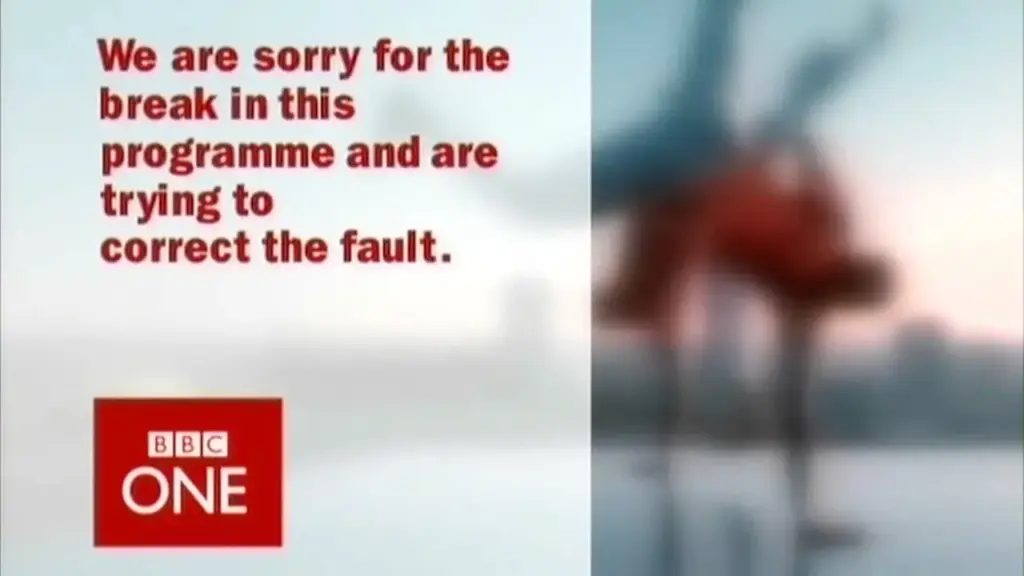
The BBC on-air apology during the electrifying tennis match between Nick Kyrgios and Aryna Sabalenka brought widespread attention to what was intended to be an exhilarating showcase. Dubbed the Battle of the Sexes, this encounter took place in Dubai and quickly turned into a broadcast nightmare for the network due to a significant technical malfunction. As the match progressed, viewers were left without a visual feed, forcing commentator Andrew Cotter to navigate the awkward silence, while fans at home could only listen. The incident, which sparked frustration among tennis enthusiasts, led BBC to air a public apology, further underscoring the complications of live sports broadcasting. Ultimately, this episode highlights the unpredictable nature of sports coverage and the importance of reliability in conveying thrilling moments to audiences.
In an unexpected turn of events, the British Broadcasting Corporation issued an apology during a live sports event, specifically a high-stakes tennis face-off featuring Nick Kyrgios and Aryna Sabalenka. This gripping duel, characterized as a modern-day Battle of the Sexes, captivated the audience until a technical glitch abruptly interrupted the broadcast. Despite the BBC’s commitment to delivering quality coverage, the unfortunate broadcast issue meant that fans were left without visual access to the match, leading to an awkward commentary from Andrew Cotter. Such disruptions serve as a reminder of the challenges faced in live television, especially in high-pressure environments like major sporting events. The incident resonates with viewers as it reveals the complexities and potential pitfalls inherent in covering thrilling athletic competitions.
BBC Issues On-Air Apology During Kyrgios vs. Sabalenka Match
During the highly anticipated match between Nick Kyrgios and Aryna Sabalenka, the BBC faced unexpected challenges when a technical malfunction occurred. As the event dubbed the ‘Battle of the Sexes’ unfolded, enthusiasts tuned into BBC One only to be met with an abrupt disruption in the visual feed. This unfortunate scenario forced the BBC to issue an on-air apology to its viewers, acknowledging the technical issue that left many unable to witness the captivating exchanges between the two competitors. Commentator Andrew Cotter, who was left to fill the silence, attempted to maintain viewer engagement despite the hiccup.
The apology underscored the importance of reliable broadcasting during significant events in sports, particularly for a match that drew a large audience due to the unique pairing of a top female player and a male counterpart. The incident raised concerns over the technical integrity of sports broadcasts and the expectation of seamless viewer experiences. Following the platform’s efforts to regain the feed, Cotter reassured fans that action was being taken to resolve the situation, indicating the network’s commitment to providing viewers with an uninterrupted experience in sports broadcasting.
The Battle of the Sexes: A Tennis Showdown
The match between Nick Kyrgios and Aryna Sabalenka, referred to as the ‘Battle of the Sexes’, captured the interest of tennis fans around the globe. With historical context provided by Billie Jean King’s similar iconic match against Bobby Riggs, this exhibition raised discussions about gender dynamics within the sport. The unique format, taking place on a court designed with a smaller segment for Sabalenka, added an interesting twist, giving context to the physical and technical differences in play styles between male and female athletes.
As anticipation built, many young tennis stars, including Emma Raducanu, expressed excitement about witnessing this captivating face-off. The interest sparked discussions about the implications of comparing male and female athletes’ abilities, particularly in terms of strength and ball impact. With strategic differences and varied levels of force applied during serves and returns, this match aimed to highlight these distinctions and provoke thought within the broader conversation of sports equality and recognition.
Technical Malfunctions and Tennis Broadcasts
Broadcasting sports events comes with a unique set of challenges, particularly when technical malfunctions occur. The recent issues encountered by the BBC when broadcasting the Kyrgios-Sabalenka match serve as a reminder of how technology plays a crucial role in viewer experiences. During key moments of the match, viewers were left with only audio while the visual feed was interrupted, showcasing the impact of broadcast reliability on audience engagement. It also raises questions about how networks prepare for such unforeseen technical difficulties in high-profile sports events.
In a world where fans have access to an abundance of information and feeds, the expectation for quality sports broadcasting is remarkably high. The BBC’s situation prompted discussions around ensuring the technical capabilities of networks, especially as major events become increasingly digital. Following the on-air apology for the interruption, it is essential for broadcasters to analyze such experiences and implement contingency plans to prevent future issues, enhancing the live experience for tennis fans worldwide.
Billie Jean King’s Perspective on Gender Matchups
Tennis legend Billie Jean King’s thoughts on male versus female athletes were highlighted leading up to the Kyrgios vs. Sabalenka match. With her own historical significance in the Battle of the Sexes, King offered a critical lens through which to view the exhibition. She wisely questioned whether a matchup between the world’s top female player and a male counterpart with an injury-plagued career was a fair representation of equality in tennis. Her remarks brought to light the nuances of capability, intensity, and preparation that typically differentiate male and female games.
Kings’s perspective resonates deeply within the conversation of gender in sports. While some argue that such mixed matches can empower female athletes and promote equality, skeptics highlight the physical advantages that male players may inherently possess. Therefore, her comments challenge audiences to consider not just the spectacle of such events but the underlying realities that shape them, fueling debates around opportunity and representation in the sports arena.
Emma Raducanu’s Excitement and Opinion
Young star Emma Raducanu’s anticipation for the Kyrgios and Sabalenka face-off emphasized a generational shift in viewing mixed-gender competitions. Her enthusiasm for the match indicates a growing appreciation for performances that transcend traditional gender boundaries in tennis. Raducanu expressed her curiosity about the dynamics that would unfold, demonstrating how younger players embrace the evolving landscape of the sport and the possibilities it presents for collaboration among athletes of different genders.
Raducanu’s observations on the technical differences between men’s and women’s tennis also contributed to the broader dialogue. By focusing on the unique attributes in play, such as the differing ball impacts and strategic styles, she delineated how these variations influence match outcomes. Such insights reflect the changing narrative in tennis, one in which equality is approached with a lens of mutual respect and understanding.
The Impact of Technical Difficulties on Viewer Experience
The technical difficulties experienced during the live broadcast of the Kyrgios-Sabalenka match undoubtedly affected viewer experience. When fans tuned in, they did not expect to encounter a disruption, particularly during a high-stakes event that drew significant interest. Losing visual feed not only hindered the ability to follow the game but also impacted fan engagement, raising concerns about the importance of providing a steady and reliable broadcast during pivotal moments.
In an increasingly competitive broadcasting landscape, the pressure is on for networks like the BBC to maintain high-quality streams and coverage. Such technical issues serve as a reminder that even amidst advanced technology, unexpected malfunctions can occur. Therefore, it is essential for broadcasters to continually innovate and improve their technical capabilities to meet viewer expectations and provide enriching sports experiences.
Sports Broadcasting Rights and Viewership Trends
Broadcasting rights in sports play a significant role in determining how events are presented to fans. The recent Kyrgios vs. Sabalenka match, broadcasted on BBC One and iPlayer, highlights the importance of having the right platforms to showcase such engaging encounters. As viewership trends shift toward digital platforms, networks must adapt their strategies to connect with audiences across various mediums and ensure widespread access to significant sporting events.
Furthermore, the match’s visibility on platforms like iPlayer emphasizes the need for network adaptability in the digital age. As younger audiences favor online interactions over traditional TV viewership, broadcasters face the challenge of aligning their offerings with changing consumption habits. This match serves as a case study in how effectively navigating broadcasting rights and technological developments can enhance fan experiences and foster greater interest in sports.
The Role of Commentary in Sports Broadcasting
Commentary is crucial in enriching the viewing experience of live sports events. The way commentators like Andrew Cotter interact with viewers, particularly during moments of uncertainty, can make or break an audience’s enjoyment of a match. During the technical malfunction in the Kyrgios vs. Sabalenka contest, Cotter’s efforts to engage the audience while the visual feed was lost showcased the importance of a knowledgeable and adaptable commentary team.
Strong commentary can deepen audience understanding and appreciation of the sport by providing context, analysis, and insight into the performance. In instances where technical problems arise, as seen during this match, commentators must step up their game, using their expertise to maintain momentum and bolster viewer investment in the event. It highlights the value of good commentary in anchoring viewer experiences when faced with unexpected challenges.
Anticipating Future Mixed-Gender Matches in Tennis
The exhibition match between Nick Kyrgios and Aryna Sabalenka may influence future mixed-gender competitions in tennis, as discussions arise around the potential for similar events. As more players express interest in facing opponents of the opposite gender, it might encourage the sport to evolve, fostering a culture of inclusivity and cross-gender collaboration. This match not only captured audience attention but also laid groundwork for future opportunities to challenge norms within traditional tennis formats.
Moreover, the optics of such mixed competitions may generate ongoing conversations about skill sets, strategies, and psychological aspects that define male and female players. The potential for future mixed matches excites fans and may even attract new audiences who are eager to witness groundbreaking formats. As sports continue to navigate and embrace gender dynamics, each match serves as a critical lens on the evolving narrative of competition and equality.
Frequently Asked Questions
What caused the BBC’s on-air apology during the Nick Kyrgios match?
The BBC issued an on-air apology due to a technical malfunction that resulted in a complete loss of the visual feed during the second set of the Nick Kyrgios match against Aryna Sabalenka. Viewers were left with only audio commentary as the visual broadcast was interrupted.
How did the BBC handle the technical malfunction during the Aryna Sabalenka match?
During the technical malfunction in the match featuring Aryna Sabalenka, the BBC quickly switched to a wide-angle view of the venue and aired an on-screen message saying, ‘Apologies for the loss of pictures.’ Commentator Andrew Cotter also addressed viewers, acknowledging the issue and providing updates until the picture returned.
What was the nature of the broadcast issue during the Battle of the Sexes tennis match?
The broadcast issue during the Battle of the Sexes tennis match involved a significant technical malfunction that disrupted the visual feed. This led to a moment where viewers could hear commentary but could not see the match action, prompting the BBC to apologize on-air.
Who was the commentator that addressed the audience during the BBC’s on-air apology?
Commentator Andrew Cotter was the one who addressed the audience in the BBC’s on-air apology, explaining the technical difficulties while trying to provide updates on the ongoing Nick Kyrgios and Aryna Sabalenka tennis match.
What steps did the BBC take to resume coverage after the on-air apology?
To resume coverage after the on-air apology, the BBC worked to recover the visual feed. Despite the difficulties, they managed to provide some footage by displaying views of the audience, while Cotter continued to inform viewers about the match progress.
Was there a significant reaction to the Nick Kyrgios and Aryna Sabalenka match?
Yes, the Nick Kyrgios match against Aryna Sabalenka sparked significant debate within the tennis community, with past legends like Billie Jean King questioning the fairness of such matchups. However, younger stars like Emma Raducanu expressed excitement about watching the event.
What was the role of the BBC iPlayer during the Nick Kyrgios match broadcast?
The BBC iPlayer served as an additional platform for viewers to watch the Nick Kyrgios match against Aryna Sabalenka, alongside the live broadcast on BBC One. However, both platforms experienced the same technical issues that required an on-air apology.
| Aspect | Details |
|---|---|
| Incident | Technical malfunction during Nick Kyrgios vs. Aryna Sabalenka match. |
| Broadcasting | Match aired on BBC One and iPlayer; initially went smoothly. |
| Technical Issue | Lost visual feed during the second set; audio continued. |
| Commentator’s Response | Andrew Cotter filled the silence, explaining the situation to viewers. |
| Visual Coverage | Returned with a wide-angle view and message: ‘Apologies for the loss of pictures.’ |
| Match Context | Exhibition match raised debates on gender competition in tennis. |
| Comments from Legends | Billie Jean King criticized the match-up; Emma Raducanu expressed excitement. |
| Conclusion | Match sparked discussions on gender differences in tennis and viewer expectations. |
Summary
The BBC on-air apology addressed a significant technical malfunction during the Battle of the Sexes match between Nick Kyrgios and Aryna Sabalenka. Viewers experienced a complete loss of the visual feed while only the audio commentary continued. This incident not only highlighted the challenges broadcasters face during live sports but also sparked conversations about the implications of such matches in terms of gender representation in sports. The technical issues and the ensuing apology from the BBC garnered significant media attention, emphasizing the critical connection between sports broadcasting and audience expectations.

