Listen to this article
BBC governance issues have come to the forefront in light of recent unexpected resignations within the organization. The departure of board member Shumeet Banerji highlights a growing discontent with the way the BBC has managed its leadership and oversight. Banerji’s resignation was notably linked to the controversial resignations of Tim Davie, the director general, and Deborah Turness, the chief executive of BBC News, following the backlash surrounding a problematic Panorama episode. His assertion that he was “not consulted” about these high-profile departures raises critical questions about the effectiveness of governance at the BBC, particularly under chairman Samir Shah. As scrutiny continues to mount, the implications of these governance issues are increasingly being felt, not just within the corporation, but also in the broader media landscape.
Recent developments at the BBC have sparked significant discussions about its administrative challenges and decision-making processes. The controversies stemming from key figures’ resignations have prompted questions regarding the effectiveness of the governing body that oversees the corporation’s strategic direction. Notably, Shumeet Banerji’s departure amid these events has focused attention on potential systemic flaws within the BBC’s internal governance structures. As the leadership struggles unfold, the fallout from the Panorama incident involving Donald Trump continues to accentuate the scrutiny faced by this iconic broadcasting institution. These unfolding events signal a critical juncture for the BBC as it confronts both internal governance dilemmas and public trust issues.
BBC Governance Issues: A Deepening Crisis
The recent resignation of Shumeet Banerji from the BBC board has spotlighted significant governance issues within the corporation. His departure, which he attributed to being “not consulted” on crucial decisions, particularly regarding the resignations of director general Tim Davie and BBC News chief Deborah Turness, raises serious questions about the decision-making processes at the highest levels of the BBC. This incident highlights a broader concern that the BBC board may not be effectively fulfilling its oversight role, which is crucial for maintaining the integrity and public trust necessary for such a significant media organization.
Governance within large organizations such as the BBC is paramount, especially when dealing with sensitive content like political coverage. Banerji’s resignation coincides with increasing scrutiny of the BBC board’s effectiveness and transparency. In light of the controversial Panorama episode editing, which misrepresented statements made by former President Donald Trump, the need for strong and accountable governance structures has never been more vital. Stakeholders are calling for clearer strategies and processes that can withstand public and political scrutiny.
Impact of Recent BBC Board Resignations
The resignations of Tim Davie and Deborah Turness reflect not only personal accountability but also signal potential systemic issues within the BBC’s organizational framework. The Panorama controversy, which has drawn significant attention due to allegations of misleading editing, serves as a catalyst for a larger conversation about the leadership’s responsibility in ensuring accurate and impartial reporting. The timing of Banerji’s resignation amidst these upheavals points to a deeper dissatisfaction among board members concerning governance protocols.
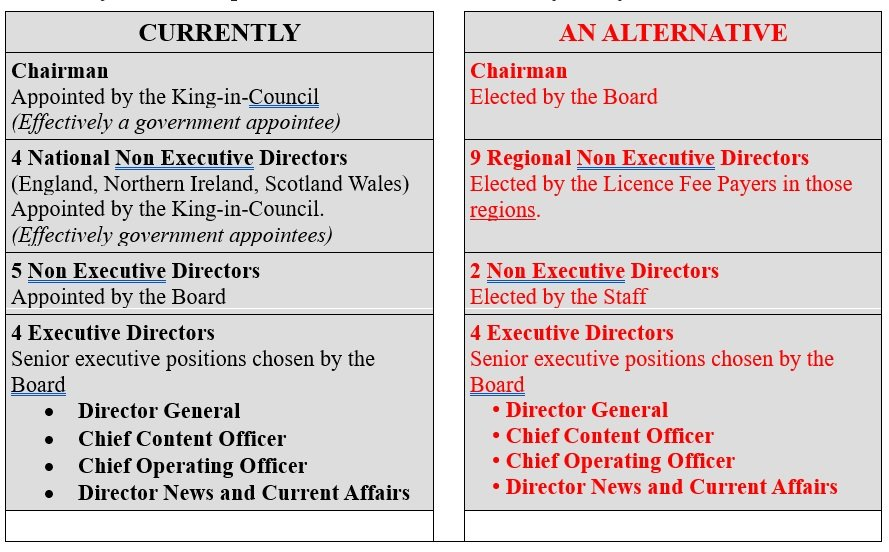
Moreover, the structure of the BBC board itself has come under fire, with parliamentarians questioning political influences and appointments. The scrutiny of political affiliations and their possible impact on editorial independence further complicates the board’s responsibility. As the remaining board members prepare for a parliamentary committee appearance, their responses will be critical in shaping public perception of the BBC’s governance integrity and its operational efficacy moving forward.
Challenges Faced by the BBC Amidst Board Turmoil
As the BBC navigates through this tumultuous period marked by high-profile resignations and accusations of governance failure, the challenges ahead are formidable. The resignation of key figures like Davie and Turness, especially amid the fallout from the Panorama episode, signals a potential shift in leadership and a reevaluation of the executive strategy. The implications of these changes are profound, as they carry the risk of eroding public trust if not managed with transparency and clarity.
Furthermore, the potential for legal action from Trump over the Panorama edit adds another layer of complexity to the situation. The BBC’s acknowledgment of the edit creating a ‘mistaken impression’ underscores the dire need for robust editorial standards and governance practices. Ensuring that future reporting is both accurate and reflective of the organization’s values is crucial for not just the BBC’s reputation but also its entire governance structure.
Parliamentary Inquiry into BBC Governance
The upcoming testimony of BBC board members before the Culture, Media and Sport Committee binds the organization to greater accountability. With Banerji’s resignation fresh in the public consciousness, MPs are likely to pose challenging questions regarding the effectiveness of the governance structures in place. The board’s ability to respond to these inquiries with confidence could dramatically impact public perception and trust in the BBC.
Questions surrounding political appointments and the alleged systemic issues in the BBC’s content coverage represent a growing concern about the organization’s independence. Given the complexities of modern media and the pressures of political influence, the governance of the BBC must be scrutinized diligently. Subsequent actions taken by the board in response to these inquiries will undoubtedly shape the future of the corporation.
The Role of Leadership in BBC’s Governance
Effective leadership is crucial in steering the BBC through these turbulent times. The departure of senior executives such as Tim Davie and Deborah Turness leaves a significant gap that needs to be filled with individuals committed to the principles of impartiality and transparency. The ability of incoming leaders to establish their authority and direction will be fundamental in regaining confidence among stakeholders following the governance issues revealed by the recent resignations.
Moreover, the leadership strategy must align with the broader goals of the BBC, ensuring that it maintains editorial independence while navigating complex market pressures. As the BBC transitions into a new phase of leadership, establishing a clear vision for governance will be essential in addressing the recent controversies, particularly the implications of the Panorama edit and the response to subsequent criticisms.
Understanding the Panorama Controversy: Implications for the BBC
The Panorama episode that sparked the recent turmoil exemplifies the precarious nature of political reporting and the potential repercussions of editorial decisions. In light of the misrepresentation of Donald Trump’s comments, the BBC has found itself facing a significant public backlash and potential legal ramifications. It’s a stark reminder of the fine line that broadcasters must tread when tackling contentious political content and the pivotal role that governance plays in safeguarding against such controversies.
As investigations progress into the edit’s production process, the BBC’s commitment to journalistic integrity will be closely monitored. The leadership’s approach in responding to external criticisms and internal governance issues following the controversy will shape not only the institution’s credibility in the eyes of the public but also its resilience against future incidents. The implications of the Panorama edit and its fallout will remain a topic of discussion as the BBC seeks to redefine its standards and practices moving forward.
The Future of BBC’s Governance Framework
The current crisis presents an opportunity for the BBC to rethink its governance framework comprehensively. With stakeholders calling for much-needed reforms, the corporation has a unique chance to address longstanding issues that may have contributed to recent governance failures. By ensuring a more robust governance structure with clear accountability mechanisms, the BBC can work towards restoring public trust and solidifying its reputation as a leader in media integrity.
As the media landscape continues to evolve, the BBC must adapt its governance practices to remain relevant and accountable. Future initiatives could include enhanced training for board members on governance best practices and ongoing assessments of the board’s effectiveness. Such proactive measures are essential to prevent similar crises in the future and demonstrate a commitment to accountability and transparency within the corporation.
Restoring Trust in the BBC: A Path Forward
Restoring public trust in the BBC is paramount in the wake of these governance issues and high-profile resignations. As part of a broader strategy to regain confidence, the BBC may need to implement significant changes that prioritize transparency and accountability. Open communication with the audience regarding decision-making processes and editorial standards could play a vital role in rebuilding relationships with viewers and listeners who may feel disillusioned.
In tandem with institutional reforms, the BBC must also engage with its audience to understand their concerns and incorporate feedback into future content and governance strategies. Creating a more inclusive dialogue with stakeholders will be essential for the BBC to navigate its path forward effectively. By prioritizing this approach, the BBC can not only address the current controversies but also foster a more robust media environment that aligns with the expectations of its diverse audience.
Frequently Asked Questions
What were the main governance issues leading to Shumeet Banerji’s resignation from the BBC board?
Shumeet Banerji resigned from the BBC board citing significant governance issues, particularly his lack of consultation during key events, including the resignations of director general Tim Davie and chief executive Deborah Turness. His departure highlights concerns regarding the effectiveness of the BBC’s governance structure, which is overseen by its board members, including chairman Samir Shah.
How did the Panorama controversy impact BBC governance and executive resignations?
The Panorama controversy, which involved the editing of a speech by former US President Donald Trump, directly affected BBC governance. The backlash from the episode led to the resignations of CEO Tim Davie and BBC News director Deborah Turness, prompting discussions about the BBC’s governance issues and the adequacy of its oversight provided by board members.
What role does the BBC board play in governance issues like the ones raised by Shumeet Banerji?
The BBC board plays a critical role in governance by overseeing corporate strategy and ensuring adherence to editorial standards. Issues highlighted by Shumeet Banerji’s resignation suggest that the board, including chairman Samir Shah and others, may not be effectively addressing crucial governance concerns, especially in light of recent controversies and political appointments.
What criticisms have been directed at the BBC board in light of the recent resignations and controversies?
Recent criticisms of the BBC board focus on perceived systemic issues in governance, particularly regarding political neutrality and editorial decisions. Shumeet Banerji’s resignation underscored these concerns, especially in relation to how the board managed the resignation of Tim Davie and Deborah Turness amid the Panorama controversy, which raised questions about the board’s effectiveness.
What implications do the recent governance issues at the BBC have for its future leadership and strategy?
The governance issues at the BBC, amplified by the resignations of Tim Davie and Deborah Turness, indicate potential instability in future leadership. As the board prepares to address these concerns before the Culture, Media and Sport Committee, the outcome may significantly influence the BBC’s strategic direction and governance reform efforts.
How is the BBC addressing the governance issues highlighted by the Panorama controversy?
In response to the governance issues raised by the Panorama controversy, the BBC has acknowledged the mistakes related to the editing of Trump’s speech. The corporation issued an apology and rejected demands for compensation. Moving forward, the BBC aims to strengthen governance mechanisms and improve oversight to prevent similar controversies.
| Key Point | Details |
|---|---|
| Resignation of Board Member | Shumeet Banerji resigned, citing governance issues within the BBC. |
| Lack of Consultation | Banerji felt he was not consulted regarding key changes in leadership. |
| Executive Resignations | Tim Davie and Deborah Turness resigned following controversial editing of a Trump speech. |
| Concerns Over Board Effectiveness | There are ongoing concerns regarding the board’s handling of governance and strategy issues. |
| Upcoming Parliamentary Testimony | Shah and other board members will testify before MPs regarding governance matters. |
| Political Appointments Concerns | Parliament has raised questions regarding political influences on BBC board appointments. |
| Claims of Systemic Issues | A leaked document suggests the BBC has systemic issues impacting its coverage. |
| Response to Controversy | The BBC acknowledged a misleading edit in a program but rejected Trump’s compensation demands. |
Summary
The recent resignation of a BBC board member highlights critical BBC governance issues that have emerged during a turbulent period for the corporation. Shumeet Banerji’s departure was triggered by his concerns over how the BBC’s leadership changes were handled, particularly in light of the responses to controversial programming. As political scrutiny increases and parliamentarians prepare to question board members about governance practices, the implications of the recent leadership shakeup and allegations of systemic problems within the BBC raise significant concerns for the future of its operational integrity.