
Listen to this article
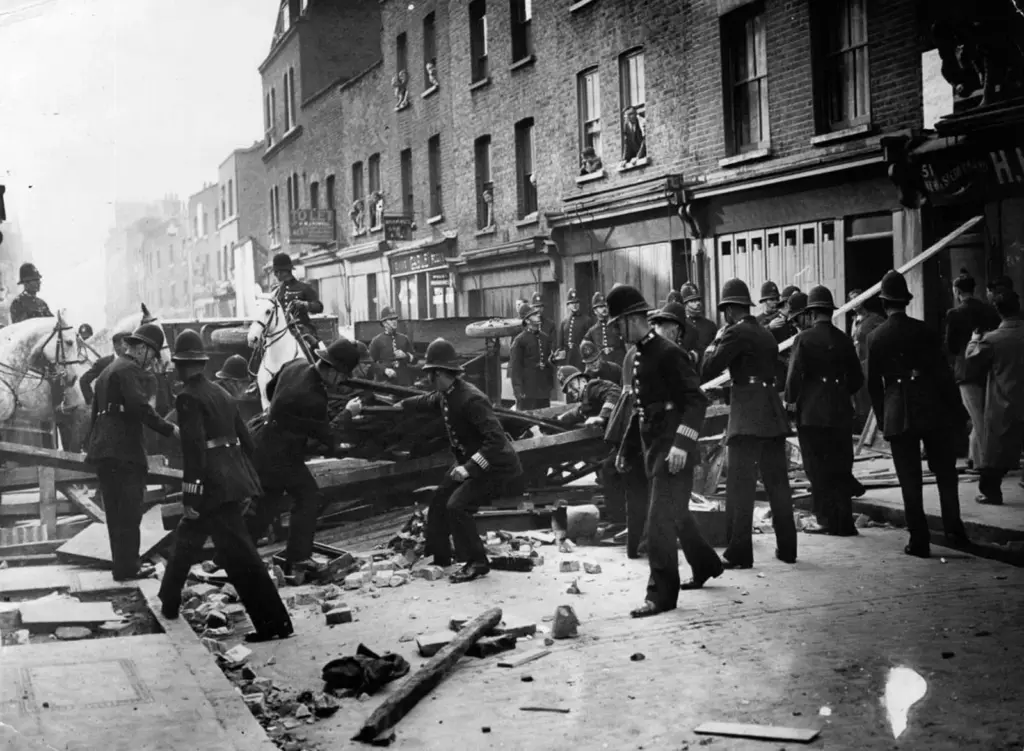
The Battle of Cable Street is a pivotal event in the historical significance of Cable Street, symbolizing the courageous stand against far-right movements in London. On October 4, 1936, a diverse coalition comprised of Jewish residents, Irish communities, and communist Londoners united to stop Oswald Mosley’s British Union of Fascists from marching through a predominantly Jewish neighborhood in East London. This confrontation not only exemplified the grassroots resistance against extremist ideologies but also highlighted the resilience of marginalized communities during a tumultuous time. Adam Lenson, the director of the resonating theatre production _Cable Street_, emphasizes the urgent need for young people to learn about this critical clash, reinforcing its relevance in today’s far-right movements history. By shining a spotlight on the legacy of the Battle of Cable Street, Lenson hopes to inspire future generations to recognize the importance of standing up against hate in all forms.
The significant clash known as the Battle of Cable Street stands as a testament to the fight against fascist ideologies in Britain, embodying a moment when diverse groups came together for a common cause. This historical confrontation involved a assembly of Jewish, Irish, and leftist activists who opposed the divisive rhetoric espoused by the far-right British Union of Fascists in 1936. As reflected in contemporary productions like _Cable Street_, there is a renewed focus on this essential part of London’s heritage and the role of London theatre productions in educating the public about past struggles. The events of that October day resonate with many as a call to action against modern-day extremism, reminding us of the importance of community solidarity. In recognizing the lessons from this significant battle, audiences can find deeper meanings in the fight for equality and justice today.
Understanding the Historical Significance of Cable Street
The Battle of Cable Street is not merely an event in British history; it represents a pivotal clash between fascism and community resilience. On October 4, 1936, the streets of East London became a battleground as a diverse coalition of Jewish, Irish, and communist citizens united to oppose the march of Oswald Mosley’s British Union of Fascists. This significant moment highlights the collective power of marginalized groups standing against oppressive ideologies. It is essential for younger generations to understand this historical significance to appreciate the ongoing struggle against far-right movements that threaten democratic values.
Adam Lenson, the director of the musical _Cable Street_, emphasizes the relevance of this historical event in contemporary society. Presenting a narrative that resonates deeply with issues of social justice and community solidarity, Lenson hopes to educate young audiences about their history. By fostering awareness of events like the Battle of Cable Street, we can encourage brave actions against today’s rising far-right sentiments. Recognizing the past allows young people to engage actively in creating a more inclusive future.
The Role of Adam Lenson in Reviving Cable Street’s Legacy
Adam Lenson stands at the helm of artistic endeavors that shed light on the complex history surrounding the Battle of Cable Street. Through his work on _Cable Street_, Lenson not only pays homage to the brave individuals who stood against fascism in the 1930s but also invokes critical conversations about the implications of those historical actions in today’s context. He understands that art has the power to transcend time, making abstract historical struggles feel immediate and actionable. Lenson’s commitment to this narrative showcases the continuing relevance of community activism against extremist ideologies.
His desire for schools to incorporate learning about the Battle of Cable Street reflects an understanding of the importance of history education in preventing the recurrence of such conflicts. In a time where far-right movements are gaining momentum worldwide, Lenson advocates for a narrative that inspires courage and communal resistance. By bringing the story to the stage, he hopes to ignite a passion for activism and inclusivity among the youth, empowering them to learn from the past and endeavor towards a better, united future.
The Historical Context of Far-Right Movements in London
The Battle of Cable Street occurred during a tumultuous period in British history, marked by the rise of far-right movements across Europe. The British Union of Fascists, under the leadership of Oswald Mosley, sought to capitalize on societal fears, tapping into anti-Semitic and nationalist sentiments prevalent in 1930s Britain. This movement gained traction partly due to the socio-economic instability of the time, resonating with those who were disillusioned by traditional political parties. Understanding this context reveals how historical narratives like the Battle of Cable Street are essential in addressing today’s global rise of similar extremist ideologies.
By examining the historical significance of far-right movements in London, we uncover the patterns of societal division and unrest that persist today. The events of Cable Street serve as a stark reminder of the consequences that arise when communities stand divided. They highlight the necessity of solidarity in the face of hate and the importance of collective memory in combatting modern-day fascism. It is not just a story about the past; it is a call to action for all citizens, encouraging a proactive stance against any ideology that seeks to divide.
Exploring the Impact of London Theatre Productions on Cultural Memory
The impact of London theatre productions extends beyond entertainment; they have the power to shape cultural memory and public discourse. The musical _Cable Street_, directed by Adam Lenson, is an exemplary case of how theatre can revitalize historical narratives, bringing them into public consciousness. By dramatizing the events of the Battle of Cable Street, the production effectively illuminates the struggles against fascism, fostering a dialogue that resonates with issues of identity, community, and resistance. Theatre as a medium provides an accessible platform for young audiences to engage with their history meaningfully.
Moreover, productions like _Cable Street_ can stimulate intergenerational conversations about the past and its implications for today. As families attend performances together, they have opportunities to discuss not only historical facts but also the moral lessons that emerge from those struggles. By revisiting these themes within the context of modern society, theatre contributes to a collective understanding of social justice and the virtues of standing up against tyranny. This artistic revival plays a crucial role in ensuring that the lessons of the Battle of Cable Street are remembered and acted upon by future generations.
Personal Stories Behind the Battle of Cable Street
The stories of individuals who participated in the Battle of Cable Street add a deeply personal dimension to this historical event. Ubby Cowan, a young Jewish activist at the time, was instrumental in organizing and participating in the resistance against Mosley’s BUF. His courage and determination exemplified the spirit of collective action that defined the day. As his grandson, Yoav Segal, reflects on his grandfather’s involvement, it becomes clear that these personal narratives intertwine with broader historical themes, making the struggle against fascism a deeply human experience.
In recounting personal links to the Battle of Cable Street, we see the generational impact of activism and the importance of sharing these stories. By bringing these accounts to life on stage, the musical _Cable Street_ honors those brave individuals while inspiring renewed commitment to fight against prejudice and violence. These narratives highlight how history is not merely a series of events but rather a collection of lived experiences that shape our communities and values.
Connecting Past Struggles to Present Activism
The lessons learned from the Battle of Cable Street have significant implications for today’s social justice movements. Adam Lenson’s vision of connecting historical events to contemporary challenges allows audiences to draw parallels between past and present. The rise of far-right groups and hate speech in various parts of the world underscores the relevance of Cable Street’s message about unity and resilience in the face of oppression. Theatre serves as a reminder that the fight against fascism is ongoing, and individuals can make a difference when they come together as a community.
Encouraging activism inspired by historical events can empower individuals, particularly young people, to take a stand against injustice. Lenson’s hope for increased awareness and education around the Battle of Cable Street demonstrates the role that storytelling and art can play in advocating for societal change. By raising awareness of historical struggles, we can inspire new generations to engage actively in their communities, fostering a sense of responsibility and courage in challenging times.
Learning From the Lessons of Cable Street for Future Generations
The Battle of Cable Street is a vital part of London’s historical narrative, yet many younger generations remain unfamiliar with it. Adam Lenson’s efforts to bring this story to the stage aim to bridge this knowledge gap and promote intergenerational learning. By effectively embedding the lessons of this event within a contemporary context, _Cable Street_ serves as a powerful educational tool that can instill a sense of pride and responsibility in younger audiences. The hope is that through these performances, the significance of collective action against oppression becomes clear, equipping new generations with the knowledge they need to face today’s challenges.
Creating conversations around such pivotal historical moments is essential for fostering critical thinking in young minds. As future leaders, young people must recognize their role in shaping a more just society. The far-right movements history in London left a legacy that underscores the importance of vigilance in protecting democratic principles. By educating and inspiring youth through theatre, we nurture a culture of activism and empathy, ensuring that the memories of the past resonate in efforts to create a more inclusive future.
The Continuing Relevance of the Battle of Cable Street in Today’s Society
The relevance of the Battle of Cable Street transcends its historical context, serving as a powerful symbol in today’s societal landscape. As we witness the resurgence of far-right ideologies globally, this event highlights the importance of community resilience and solidarity. The courage displayed by individuals and groups who resisted Mosley’s march is a timeless reminder that collective action can effectively confront hate and division. By reflecting on these past struggles, we are reminded of the ongoing fight for equality, justice, and inclusivity in the face of rising intolerance.
Furthermore, the lessons from the Battle of Cable Street resonate deeply with our current societal challenges. As communities continue to grapple with issues of racism, xenophobia, and anti-Semitism, the significance of standing together against oppression remains paramount. Through productions like _Cable Street_, we can continuously engage audiences in discussions about the need to uphold democratic values and protect the rights of all citizens, thus ensuring that the fight against fascism and far-right movements never becomes a story of the past but remains a pressing matter for the present and future.
Frequently Asked Questions
What was the historical significance of the Battle of Cable Street in London?
The Battle of Cable Street, which took place on October 4, 1936, is historically significant as a pivotal clash between Oswald Mosley’s British Union of Fascists (BUF) and a diverse coalition of Jewish, Irish, and communist Londoners. This event symbolizes the united resistance against far-right movements in London, showcasing the strength of community solidarity in the face of fascism.
Why is Adam Lenson’s musical about the Battle of Cable Street important?
Adam Lenson’s musical _Cable Street_ is important because it brings attention to the Battle of Cable Street, highlighting its relevance in contemporary discussions about far-right movements. The play aims to educate young people and families about this critical moment in London’s history, promoting awareness and conversation regarding the ongoing struggles against hate and intolerance.
How did the far-right movements influence the events of the Battle of Cable Street?
The far-right movements, particularly the British Union of Fascists led by Oswald Mosley, directly influenced the events of the Battle of Cable Street. Mosley planned to march his Blackshirts through a predominantly Jewish area of East London to demonstrate power and provoke response. The decisive resistance from local communities ultimately thwarted their intentions, marking a significant moment in the history of anti-fascist opposition in London.
What role did the communist Londoners play in the Battle of Cable Street?
Communist Londoners played a crucial role in the Battle of Cable Street by joining forces with Jewish and Irish communities to resist the fascist march organized by the BUF. Their collective action highlighted the diverse alliances formed against far-right ideologies, showcasing the power of solidarity in combating oppression and hate.
How does the Battle of Cable Street relate to modern-day issues with far-right movements?
The Battle of Cable Street relates to modern-day issues with far-right movements as it serves as a historical example of successful community resistance against fascism. Adam Lenson, the director of _Cable Street_, emphasizes the play’s relevance in today’s context, where similar ideologies are resurging globally. The event encourages contemporary audiences to learn from the past and recognize the importance of standing against hate and intolerance.
What impact did the Battle of Cable Street have on the East End community in London?
The impact of the Battle of Cable Street on the East End community was profound, as it fostered a sense of unity among diverse groups, including Jewish, Irish, and working-class residents. The successful prevention of the BUF’s march not only strengthened community ties but also established a lasting legacy of resistance to fascism in London, influencing future generations in their fight against hate.
What themes does the play _Cable Street_ convey about the Battle of Cable Street?
The play _Cable Street_ conveys themes of solidarity, resilience, and the importance of community action against adversity. By recounting the story of the Battle of Cable Street, it highlights the value of standing together against fascism and encourages audiences to reflect on their role in combating contemporary issues surrounding far-right extremism.
| Key Points | Description |
|---|---|
| Background | The Battle of Cable Street refers to an October 1936 clash between the British Union of Fascists and a diverse coalition of local communities in East London. |
| Significance | This event is highlighted as a pivotal moment in the history of London, representing resistance against fascism and rallying community solidarity. |
| Director’s Perspective | Adam Lenson, director of the musical _Cable Street_, stresses the importance of educating youth about this historical event. |
| Historical Context | Oswald Mosley’s BUF, supported by fascist regimes, aimed to march in a predominantly Jewish area to assert dominance, but faced opposition from community members. |
| Impact and Actions | The protest led to injuries and arrests, marking a significant community action against fascism. |
| Personal Testimonies | Figures such as Ubby Cowan and his grandson emphasize the emotional and familial connections to the fight against fascism. |
| Contemporary Relevance | The Battle’s lessons resonate today with the rise of far-right movements and the importance of standing against hate. |
Summary
The Battle of Cable Street is a defining moment in London’s history that teaches us about community resilience against fascism. This confrontation in October 1936 saw diverse groups unite to thwart the British Union of Fascists led by Oswald Mosley. Emphasized by current productions like the musical _Cable Street_, this historical event highlights the significance of remembering our past and the urgent need to confront rising hate and intolerance in modern society. Engaging with these stories not only preserves our history but also inspires action to protect our communities today.