
Listen to this article
The Battersea tower appeal has stirred significant controversy following Wandsworth Council’s rejection of Rockwell’s ambitious plans to erect a bold 29-story structure at the base of Battersea Bridge. Last year, the council deemed the proposal “grossly unacceptable,” critiquing it for not aligning with local policy and failing to meet community needs. As the developer seeks to overturn this decision at the Planning Inspectorate, concerns over affordable housing in Battersea remain a key point of discussion. The debate has intensified amid broader Battersea development news, highlighting the tension between urban development and preserving local character. With the potential for 110 new flats, including affordable units, the appeal encapsulates the ongoing discourse about housing solutions amid resistance fueled by the recent Battersea Bridge controversy.
The appeal regarding the proposed tower in Battersea has ignited a heated debate within the community, particularly surrounding the decisions made by Wandsworth Council. Rockwell’s attempt to replace the existing Glassmill office building with a towering structure raises important questions about local development and community needs. This situation reflects ongoing discussions about urban planning and the dire need for affordable housing options in the area, especially amid rising housing demand across London. Furthermore, the mixed reactions to the tower plans, sparked by both supporters and opposition, underscore the ongoing tension in Wandsworth regarding the future of the neighborhood. As the inquiry date approaches, residents and officials alike remain poised to weigh the implications of this significant development.
Battersea Tower Appeal: An Examination of the Controversy
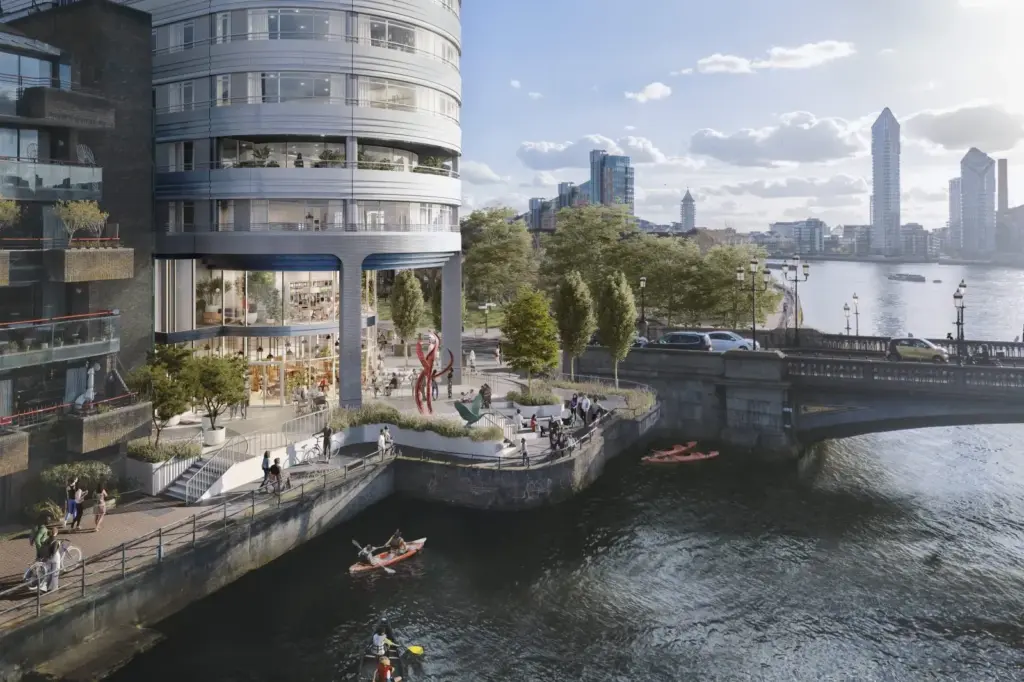
The recent appeal regarding the proposed 29-story tower in Battersea has ignited intense debate within the local community. After Wandsworth Council deemed the initial plans from developer Rockwell as ‘grossly unacceptable,’ the ensuing appeal to the Planning Inspectorate will examine the project’s compliance with local regulations and its potential impact on Battersea’s architectural landscape. The tower’s proposed height is significantly greater than the maximum guidelines established by the Wandsworth Local Plan, raising concerns among residents about consistency with the area’s character.
As the Planning Inspectorate prepares for the inquiry, the crux of the matter lies in balancing urban development with community needs. With 110 new flats, including a considerable number designated as affordable housing, the appeal puts forth arguments about the necessity of addressing the housing crisis in London, particularly in relation to affordable housing in Battersea. However, it also invites scrutiny over the adequacy of these housing provisions against the backdrop of local opposition, emphasizing the ongoing struggle between development ambitions and local sentiment.
Wandsworth Council Decisions: The Impact on Local Development
Wandsworth Council’s decision to reject Rockwell’s tower proposal reflects a growing trend of local governance prioritizing resident feedback over developer interests. The unanimous vote against the plans stemmed from concerns regarding the tower’s height and its potential fallout on traffic and community structure. By maintaining a mid-rise building zone in their local plan for 2023 to 2038, Wandsworth Council demonstrates a commitment to preserving the identity of Battersea amid pressures for high-density developments.
Moreover, the council’s stance resonates with wider discussions around responsible urban planning, particularly in the context of London’s housing needs. By rejecting proposals that they deem to compromise the integrity and quality of life for residents, Wandsworth Council reinforces the importance of local voices in planning decisions. As developers like Rockwell push for ambitious projects, they must consider the regulatory environment shaped by councils keen on maintaining harmony within their communities.
Rockwell Tower Plans: A Closer Look at the Proposal
Rockwell’s plans for the proposed 29-story tower continue to stir controversy not only due to its height but also because of its intended function and contribution to the Battersea area. Initially proposing a towering 39 stories, Rockwell adjusted its ambitions after facing significant pushback, highlighting the tensions between developer aspirations and community concerns. This adaptive approach underscores the complexity of modern urban development, wherein developers must navigate both regulatory frameworks and public opinion effectively.
Incorporating elements like workspace for small businesses alongside residential units, the plans aim to present a comprehensive approach to urban living. However, critics argue that the proposal still falls short of addressing broader issues such as traffic congestion and maintaining the local character. The push for the tower represents a critical moment in the dialogue between developers and residents, as the outcome could set precedents for future developments in Battersea.
Affordable Housing in Battersea: Addressing the Demand
One of the central elements of Rockwell’s proposal is the inclusion of affordable housing, with plans for up to 54 affordable homes offered at social rents. The focus on affordable housing in Battersea is crucial, as the area and greater London grapple with a significant housing crisis that has left many families struggling to find adequate accommodations. The push for affordable units is framed as a necessary response to community needs, yet debate remains over the actual feasibility of delivering these units.
Critics question whether Rockwell’s promise of affordable housing can indeed be realized, given the absence of guarantees that these units will be built post-approval. This skepticism is compounded by the council’s assertion that the proposed amount only fulfills a modest contribution to the borough’s housing requirements. Hence, while the need for affordable housing in Battersea is well acknowledged, the execution and reliability of developers’ claims are under intense scrutiny.
Battersea Bridge Controversy: Community Pushback
The controversy surrounding the proposed tower has highlighted a broader framework of community engagement and resistance. Residents have been vocal in expressing their disapproval, with widespread opposition evident from thousands of petition signatures. This pushback indicates an emerging solidarity among community members who prioritize a conservationist approach towards urban planning in Battersea, advocating for developments that enhance rather than disrupt the existing environment.
The Battersea Bridge controversy serves as a case study in civic activism, revealing how public sentiment can shape local planning decisions. As communities rally against high-rise developments perceived as threats to neighborhood character, they underscore an essential dialogue about the role of community input in shaping urban landscapes. The debate over Rockwell’s tower serves to illustrate the dynamic interactions between residents, developers, and planning authorities, which are crucial for robust community-led governance.
Public Sentiment and the Role of Development
The sentiment among Battersea residents regarding Rockwell’s proposed high-rise represents a critical aspect of development discourse. With local stakeholders including residents, businesses, and politicians voicing strong opinions, the planning process in Battersea has become a focal point for discussions about appropriate development in urban areas. Public opposition, fueled by concerns over scale, suitability, and traffic implications, reflects a demand for developers to prioritize community well-being alongside profit maximization.
Furthermore, the discrepancies in support for the proposal raise questions about the authenticity of backing claims presented by developers. The influx of template letters generated support for Rockwell’s plans, which critics have labeled as dubious. This brings attention to the wider issue of community representation in urban development, suggesting a need for developers to engage meaningfully with residents rather than resorting to transactional support models. The backlash against the tower illustrates the importance of trust and transparency in the development process.
Implications for Future Urban Projects in Battersea
The outcome of the Battersea tower appeal is set to establish important precedents for future urban projects in the area. As development pressures mount in London, the reaction from the Wandsworth Council and the community will provide critical lessons regarding community-responsive planning. Should Rockwell’s appeal succeed, it may encourage other developers to pursue similarly high-density projects, potentially altering the character of Battersea in the long run.
Conversely, if the appeal is denied, it could reinforce the notion that community opposition has significant weight in planning decisions. This balance between development ambitions and community integrity will be crucial in future negotiations over urban projects. As Battersea represents a microcosm of London’s wider housing issues, the decisions made here will resonate beyond its borders, signaling either a permissive or restrictive environment for high-rise developments in similarly constrained neighborhoods.
The Role of Local Authorities in Urban Development
Local authorities play a pivotal role in shaping urban landscapes, as demonstrated by Wandsworth Council’s rejection of Rockwell’s tower proposal. Their mandate encompasses not only the regulatory aspects of planning but also the ethical obligation to consider the needs and voices of local residents. As stewards of community interests, they must find the balance between enabling development and protecting the character and livability of neighborhoods.
The decisions made by local councils have a lasting impact on urban development trajectories. In Battersea, the council’s rejection of the proposed tower indicates a commitment to sustainable, community-focused growth rather than blind acceptance of commercial ventures. This case exemplifies the critical influence local authorities exert on developers, ensuring future projects align with local values and priorities amidst a landscape often influenced by economic pressures.
Community Activism and Its Influence on Planning
Community activism has emerged as a powerful force in Battersea, influencing the landscape of urban planning and development practices. Large-scale protests, petitions, and public hearings demonstrate how local residents can mobilize effectively against proposals that do not align with their vision for their community. Over 5,000 signatures collected in opposition to Rockwell’s plans highlight the strength of collective action and the importance of public engagement in the planning process.
The efficacy of such activism not only serves as a platform for residents to voice concerns but also puts pressure on developers and local authorities to consider public sentiment seriously. This paradigm shift marks a growing trend where community voices are recognized as essential stakeholders, prompting developers to refine their projects to better meet local expectations. In this context, the Battersea development saga serves as a compelling example of how grassroots movements can steer the direction of urban initiatives.
Frequently Asked Questions
What is the current status of the Battersea Tower appeal?
The Battersea Tower appeal is currently under consideration by the Planning Inspectorate following a developer’s challenge against Wandsworth Council’s refusal to approve plans for a 29-story tower at Battersea Bridge. The appeal process is set to start on March 17, and the planning inquiry is expected to last eight days.
Why did Wandsworth Council reject Rockwell’s Battersea Tower plans?
Wandsworth Council deemed Rockwell’s proposal for a 29-story tower as ‘grossly unacceptable’ because it did not comply with local planning policies, failed to meet the community’s needs, and was considered too large for the site. The council expressed concerns over the building’s impact on the skyline and the potential disruption to local residents.
How many affordable homes are proposed in the Battersea Tower development?
The Battersea Tower development proposes to include 54 affordable homes, which would be offered at social rent, as part of its total of 110 flats. This is intended to address some of the local housing needs in Battersea.
What are the key features of Rockwell’s proposed Battersea Tower?
Rockwell’s proposed Battersea Tower would not only include 110 residential units, but also workspace for small businesses, a restaurant, and a hub for local charities, designed to contribute positively to the local economy and community.
What concerns do residents have about the Battersea Tower appeal?
Residents have raised intense concerns over the scale of the Battersea Tower project, its traffic impact, and the overall effect on the local community and skyline. Many believe that the towering structure would disrupt the neighborhood’s character and living conditions.
How did local politicians react to the Battersea Tower proposal?
Local politicians expressed strong opposition to the Battersea Tower proposal. Labour councillors described it as prioritizing profit over community welfare, while Conservative councillor Ravi Govindia labeled the plans as ‘grossly unacceptable,’ reflecting widespread political consensus against the development.
What have community petitions indicated regarding the Battersea Tower plans?
A petition opposing the Battersea Tower plans, initiated by Rob McGibbon, garnered over 5,000 signatures, demonstrating significant resident opposition to the proposal, which included endorsements from notable public figures. This highlighted the community’s discontent regarding the developer’s intent.
What impact did the Greater London Authority (GLA) have on the Battersea Tower appeal?
The Greater London Authority upheld Wandsworth Council’s decision to reject the Battersea Tower plans, stating there were insufficient planning reasons to warrant intervention. This further supports the local council’s stance against the development.
When is the final decision expected for the Battersea Tower appeal?
The final decision on the Battersea Tower appeal will be made by Inspector Joanna Gilbert after the planning inquiry, which is set to begin on March 17 and is expected to last eight days. The timeline for the decision may take several weeks post-inquiry.
How does the Battersea Tower appeal relate to the local housing crisis?
Proponents of the Battersea Tower appeal, including developer Rockwell, argue that the 110 homes, with a significant portion being affordable, could alleviate some pressures on the local housing crisis. However, the council and many residents question the project’s ability to genuinely fulfill housing needs due to its scale and impact.
| Key Points |
|---|
| Developer Rockwell appeals Wandsworth Council’s rejection of a 29-story tower at Battersea Bridge. |
| The council deemed the proposal ‘grossly unacceptable’ due to size, local character, and community needs. |
| Original plan was for a 39-story tower, later reduced to 29 stories with 110 flats including affordable units. |
| The council insists the site is only suitable for mid-rise buildings (max 6 stories) as per local planning policy. |
| Significant community opposition led to 2,028 objections and a Change.org petition with over 5,000 signatures. |
| Supporters argue the development will meet housing needs and enhance the local economy. |
| The planning inquiry is scheduled for March 17 and is expected to last eight days. |
Summary
The Battersea tower appeal highlights the contentious nature of urban development and the critical balance between community needs and housing demands. The proposal by developer Rockwell to build a 29-story tower has faced significant backlash from local residents and the council, emphasizing the importance of local character and the adequacy of planning policies. As the appeal progresses, it remains to be seen how the Planning Inspectorate will address the concerns raised, particularly regarding the impact on the community and the strategic vision for Battersea’s development.