
Listen to this article
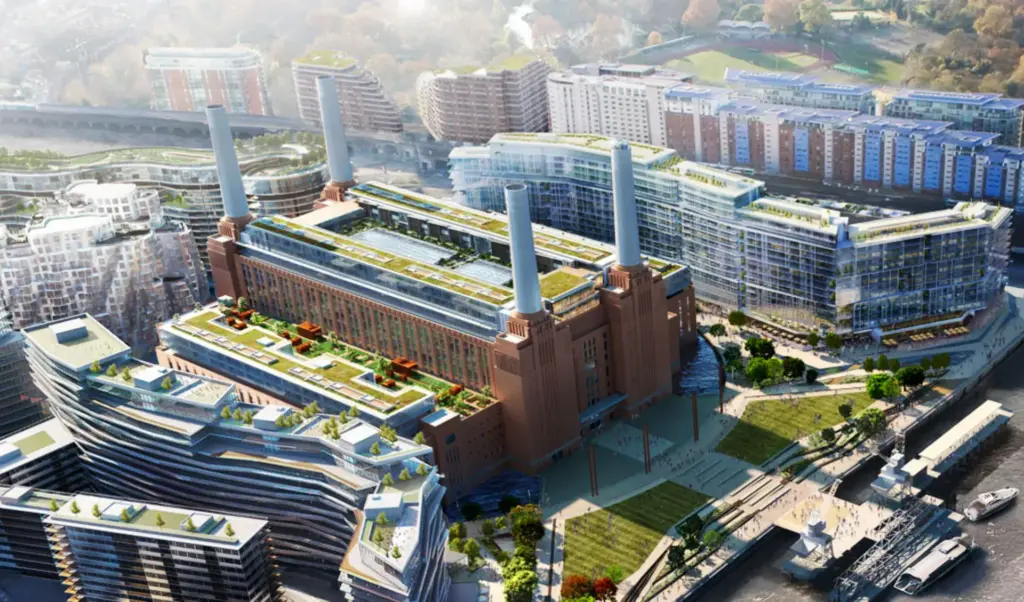
The Battersea power station development stands as a symbol of both opportunity and controversy in London. As the iconic structure transforms from an industrial relic into a mixed-use hub, the eyes of the community are focused on ensuring that this revitalization includes essential elements like social housing. The partnership between Battersea’s developers and the Wandsworth council aims to deliver 203 council homes amidst rising concerns about affordable housing in the capital. This approach highlights the importance of community engagement and grassroots politics in shaping urban environments. Ultimately, the Battersea power station development could serve as a blueprint for future community development projects in London, emphasizing the need for inclusivity for all residents.
The redevelopment of the Battersea power station represents a pivotal shift in how urban projects are approached, especially regarding their impact on local residents. Regeneration efforts in the area are increasingly scrutinized for their role in supporting community development in London, particularly through affordable housing initiatives. By focusing on social housing and collaborating with local authorities like Wandsworth council, the project embodies a commitment to mixed-income neighborhoods. This initiative challenges the dominance of international capital, demonstrating that sustainable and inclusive urban growth can emerge from grassroots efforts. In this light, the Battersea transformation serves not only as a landmark redevelopment but as a testament to the power of civic engagement in reshaping the fabric of the city.
The Power of Community in Urban Development
In an era where private interests often overshadow community needs, the residents surrounding Battersea power station have shown that a united front can indeed change the landscape of urban development. Their struggle against the threats posed by international capital and luxury developments highlights the crucial role of grassroots activism in safeguarding local interests. While affluent developments promise economic growth and modernization, they can often lead to the displacement of long-standing community members, creating a divide that locals cannot bridge. This scenario begs the question: can social housing initiatives coexist with luxury developments without sacrificing the needs of those who have lived in these areas for generations?
The recent announcement of new council homes, resulting from a partnership between Battersea power station developers and Wandsworth council, symbolizes a turning point for community-oriented planning. It affirms that amid the rush for luxury and profit, there remains room for affordable housing solutions, one that supports mixed-income communities. The local government’s resolution to prioritize social housing in their planning signifies that there is potential for transformative community development, enabled by collective political will that places residents’ needs at the forefront.
Frequently Asked Questions
What is the Battersea power station development plan regarding social housing?
The Battersea power station development plan includes a partnership with Wandsworth council to build 203 council homes as part of its 17-hectare master plan. This initiative aims to support the creation of mixed-income communities in central London while addressing the local housing crisis.
How is Wandsworth council reacting to the Battersea power station development?
Wandsworth council has taken a proactive stance against the trend of reducing affordable housing in the Battersea power station development. They successfully negotiated the inclusion of more social housing units in response to community needs, emphasizing the council’s role in protecting local residents and advocating for their housing rights.
What role did grassroots politics play in the Battersea power station development?
Grassroots politics were crucial in the Battersea power station development, empowering local communities to negotiate better outcomes for affordable housing. The activism surrounding the development demonstrates how organized local efforts can influence development projects to include social housing and support long-standing residents.
How does the Battersea power station development reflect on community development in London?
The Battersea power station development exemplifies community development in London by prioritizing social housing alongside luxury apartments. This mixed-use approach aims to create a balanced community, countering the trend of social cleansing and ensuring that local residents benefit from new developments.
Why is the inclusion of affordable housing important in the Battersea power station development?
Affordable housing is essential in the Battersea power station development because it helps maintain diverse and inclusive communities. By incorporating social housing, the development can prevent displacement of lower-income residents and provide opportunities for families to thrive in the changing urban landscape of London.
What lessons can be learned from the Battersea power station development’s approach to social housing?
The Battersea power station development illustrates the importance of local government engagement and grassroots involvement in securing affordable housing. It shows that persistent advocacy can lead to meaningful changes in development plans, providing a model for other councils facing similar challenges in urban development.
How has the local council’s change in leadership impacted the Battersea power station development?
The change in leadership at Wandsworth council, with the Labour party gaining control, has significantly impacted the Battersea power station development by fostering a more community-focused approach. This leadership shift has led to increased negotiations for social housing and a commitment to protecting the interests of local residents.
What implications do the council’s decisions have for affordable housing in London at the Battersea power station development?
The decisions made by Wandsworth council in relation to the Battersea power station development have broader implications for affordable housing in London. Successful negotiations for increased social housing may inspire other councils to adopt similar strategies, challenging the prevailing narrative that prioritizes luxury developments over affordable housing.
How can the Battersea power station development influence future housing policies in London?
The Battersea power station development can influence future housing policies in London by showcasing the effectiveness of community engagement and strong local governance. If successful in maintaining a significant provision of affordable housing, it could encourage other areas to adopt policies that prioritize inclusivity and mixed-income neighborhoods.
| Key Point | Description |
|---|---|
| Developer vs Community | The historical conflict between developers’ profits and community needs. |
| Battersea Power Station Acquisition | In 2012, a Malaysian consortium bought the derelict power station for £400 million, signaling a shift towards luxury development. |
| Regeneration Concerns | Regeneration often leads to the displacement of long-term residents in favor of affluent newcomers. |
| Community Triumph | Wandsworth council’s partnership with Battersea power station to create 203 council homes reflects grassroots achievement. |
| Political Shift | The 2022 election changed council leadership, leading to increased advocacy for social housing. |
| Future of Housing Policies | Proposed reductions in affordable housing quotas threaten the balance between development and community needs. |
Summary
Battersea power station development has become a focal point for the ongoing struggle between housing needs and commercial interests in London. The recent partnership between Wandsworth council and Battersea power station developers represents a significant victory for community-oriented housing, reflecting the potential of grassroots advocacy. This case underscores the importance of maintaining mixed-income communities amidst the gentrification trend fueled by international investment. As we look to the future, it’s vital for local governments to prioritize social housing to prevent displacement and ensure that long-standing residents benefit from new developments.