
Listen to this article
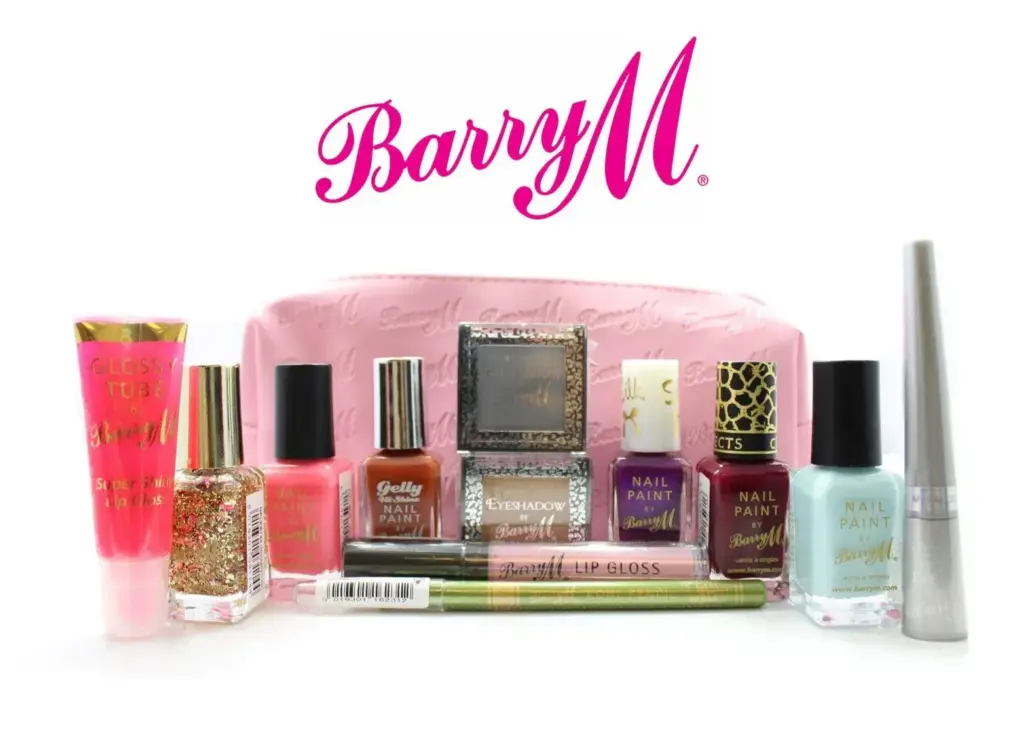
Barry M cosmetics, a staple in the UK beauty scene since 1982, has recently captured headlines due to its acquisition by Warpaint after entering administration. Known for its bold and vibrant cosmetics, Barry M represented one of Britain’s last family-run makeup brands but struggled to keep pace with rapidly evolving makeup industry trends. This purchase, valued at £1.4 million, marks a significant shift in the cosmetics market, as Barry M’s factory will close, threatening 100 jobs. The brand’s challenges highlight broader trends impacting UK beauty brands, as competitors have outpaced Barry M, forcing a shift from distinct creativity to reactive strategies. With the trends moving towards innovative, skin-enhancing products, the future of Barry M under Warpaint raises questions about its ability to adapt and thrive in an increasingly competitive landscape.
In the realm of beauty and cosmetics, the recent developments surrounding Barry M cosmetics shed light on the challenges faced by traditional UK makeup brands. Once a pioneer renowned for its extensive palette of colors, Barry M has unfortunately succumbed to market pressures and trends that favor innovation and community-driven brands. This acquisition by Warpaint represents a pivotal moment, underscoring how legacy brands must navigate the shifting dynamics of consumer preferences and the influence of social media on purchasing decisions. As the industry shifts towards skin-centric products, the impact of Barry M’s adaptation or failure to adapt could serve as a case study in the evolving landscape of cosmetics. The broader implications of this transition indicate that even established names are not immune to the daunting realities of the beauty market.
The Impact of Warpaint’s Acquisition on Barry M Cosmetics
The recent acquisition of Barry M cosmetics by Warpaint signifies a pivotal shift in the UK beauty landscape, as one of the country’s beloved family-run brands faces a dramatic overhaul. With Warpaint’s takeover, valued at £1.4 million, the future of Barry M is poised for significant change, including the closure of its factory in London, jeopardizing around 100 jobs. This move highlights the increasingly competitive nature of the cosmetics market, where brands must not only keep pace with trends but also cultivate innovation to survive.
As analysts like Patrick O’Brien have indicated, Barry M’s struggles stem from its inability to adapt to the evolving makeup industry trends that prioritize engagement and innovation over traditional approaches. The acquisition by Warpaint could serve as an opportunity for revitalization, positioning Barry M to refresh its product range and marketing strategies. In an era where the beauty sector is saturated with influencer-driven brands that offer more than just products—such as community and emotional connection—Barry M’s legacy will need to align with these new expectations.
Challenges Facing UK Beauty Brands in Today’s Market
UK beauty brands like Barry M are facing unprecedented challenges as the cosmetics market evolves rapidly. Increased competition from internationally acclaimed brands that leverage social media for marketing has forced traditional companies to reassess their strategies. The rise of cruelty-free and vegan cosmetic options, alongside a consumer shift towards sustainable practices in beauty products, further complicates the landscape for legacy brands. The shift in makeup preferences from bold, colorful aesthetics to more natural skin-like finishes showcases how brands must navigate changing consumer demands.
The challenges presented by the cosmetics market require brands to innovate continuously. Companies like Barry M, which were once known for their signature vibrant pigments and extensive color ranges, now find themselves competing with new brands that harness the power of social media and community engagement. As Mintel analyst Clotilde Drape notes, this transformation emphasizes the necessity for brands to not only broaden their lines but also imbue their offerings with a sense of community and emotional resonance that resonates with today’s consumers.
Innovative Products: The Key to Survival in the Beauty Industry
As the beauty industry evolves, the need for innovation in product development has never been more crucial for brands like Barry M. With consumers increasingly gravitating towards makeup that enhances their natural beauty rather than masking it, companies need to adapt their offerings to meet these expectations. The emergence of hybrid products that combine skincare benefits with color cosmetics exemplifies this trend. Makeup lines that focus on skin-first formulations are becoming increasingly popular, pushing Barry M to potentially rethink their product development strategy in the wake of their acquisition.
Barry M’s legacy of bold colors may need to blend with innovative strategies inspired by emerging trends in the makeup industry. Moving towards sheer, skin-enhancing products could help the brand reestablish its relevance in a quickly shifting environment. By embracing innovations akin to K-beauty products that prioritize hydration and radiant finishes, Barry M could resonate with a new generation of makeup users looking for that balance between fun and functionality.
Consumer Trends Shaping the Future of Makeup Brands
The landscape of consumer preferences is a critical factor that continues to reshape the makeup industry. With a notable shift towards products that offer a more natural appearance, brands like Barry M must understand and respond to these changing desires. Today’s consumers seek out products that not only enhance their beauty but also nourish their skin, reflecting the holistic approach to beauty that has gained traction in recent years. Furthermore, they value brands that foster a sense of connection and community, emphasizing the importance of brand storytelling and engagement.
Influencer culture has significantly impacted consumer purchase behavior, particularly in the beauty sector. Brands that leverage influencer partnerships effectively can see substantial boosts in visibility and trust among consumers. As Barry M navigates its new relationship with Warpaint, understanding and integrating these consumer trends will be essential in formulating a successful comeback. By embracing community-focused marketing and aligning product offerings with current consumer desires, Barry M could regain its footing in the increasingly competitive beauty market.
The Legacy of Barry M in British Cosmetics
Since its inception in 1982, Barry M cosmetics has built a legacy in the UK, becoming synonymous with bold colors and innovative designs. Founded by Barry Mero in North London, the brand captured the spirit of the punk and New Romantic eras, appealing particularly to makeup enthusiasts seeking expressive beauty solutions. Its extensive color range and creative products established Barry M as a household name in the British cosmetics market.
However, the brand’s journey has not been without its challenges. As times changed and consumer preferences shifted towards more innovative offerings, Barry M faced difficulties in maintaining its relevance. The recent acquisition by Warpaint presents both a challenge and an opportunity to revitalize its extensive legacy while potentially reshaping its identity to align with contemporary consumer beauty trends.
The Role of Social Media in the Beauty Industry
Social media has emerged as a powerful platform for shaping consumer perceptions and driving trends within the beauty industry. Brands like Barry M need to leverage platforms like Instagram, TikTok, and YouTube to engage with their audiences more dynamically and innovatively. These channels allow brands to showcase their products in real-time, connect with influencers, and forge a community that celebrates diversity in beauty.
For Barry M, adapting to this digital landscape is vital post-acquisition. By harnessing the reach and engagement offered by social media, the brand could revitalize its marketing efforts, revoking concerns about competition from newer players in the makeup sector. Engaging content that emphasizes their unique color stories and community involvement could help rekindle consumer interest and loyalty.
Understanding the Feedback Loop with Customers
In the contemporary beauty marketplace, understanding consumer feedback is critical to driving a brand’s relevance and success. Customer insights allow brands like Barry M to tailor their products and marketing efforts to meet emerging trends and needs. With the acquisition by Warpaint, the opportunity to implement a robust feedback loop can help Barry M refine its offerings to appeal more effectively to today’s consumers.
Given the struggles outlined by analysts, proactive engagement through surveys, social media interactions, and feedback sessions would provide valuable insights into consumer preferences. By listening to customers and acting on their suggestions, Barry M can ensure that its product line reflects current beauty trends while staying true to its roots as a beloved UK beauty brand.
The Financial Outlook for Barry M After Acquisition
As Barry M transitions under Warpaint’s ownership, the financial outlook paints both challenges and opportunities. While the takeover raises concerns about layoffs and factory closures, it also indicates a strategic move to consolidate resources and broaden the product line. Warpaint’s reported earnings suggest that with the right strategies in place, Barry M could benefit from increased distribution and support, potentially revitalizing its sales figures.
However, the challenge remains to overcome the negative market conditions impacting profit margins industry-wide. As Warpaint navigates tariffs and consumer uncertainties, the integration of Barry M must focus on innovative product offerings and marketing strategies to increase brand appeal. If successful, Barry M could see a resurgence in popularity, turning its financial forecast around in the coming years.
The Future of Barry M Under Warpaint’s Leadership
The future of Barry M cosmetics under Warpaint’s leadership will be critical in determining whether the brand can rebound from its recent struggles. As Warpaint looks to integrate Barry M into its expanding portfolio, strategic initiatives aimed at revitalizing the brand’s offering will be essential. Emphasis on innovation, product development, and effective marketing will dictate how well Barry M can resonate with both its longtime fans and a new audience.
Collaboration with influencers and leveraging social media trends can provide insightful pathways for Barry M’s rebranding efforts. Establishing a forward-thinking branding identity while respecting its rich heritage will be key in attracting a loyal customer base in today’s competitive makeup landscape. With Warpaint’s guidance, there is hope that Barry M could reclaim its spot as a colorful beacon in the UK beauty world.
Frequently Asked Questions
What led to the Barry M cosmetics bankruptcy?
Barry M cosmetics faced bankruptcy primarily due to its inability to innovate and keep pace with emerging trends in the cosmetics market. Established in 1982, the brand struggled against increasing competition from dynamic UK beauty brands and celebrity-driven lines, resulting in a £1.4 million takeover by Warpaint.
How will the Warpaint takeover affect Barry M cosmetics?
The Warpaint takeover is set to significantly change Barry M cosmetics by closing its factory in London, putting approximately 100 jobs at risk. This acquisition aims to enhance Warpaint’s distribution capabilities while addressing the challenges faced by Barry M in the evolving makeup industry.
What challenges are facing the cosmetics market that affected Barry M?
The cosmetics market is currently experiencing challenges related to intense competition and changing consumer preferences. Barry M struggled to maintain its market position against innovative brands offering skin-enhancing formulations and emotional connections, leading to its bankruptcy.
What are the latest makeup industry trends affecting Barry M cosmetics?
Recent makeup industry trends emphasize skin-first finishes and hybrid products, diverging from the bold styles Barry M was known for. Consumers are increasingly attracted to products that combine innovation with natural aesthetics, impacting Barry M’s traditional market.
How does Barry M cosmetics compare to new UK beauty brands?
Barry M cosmetics has become a smaller player in the cosmetics market, overshadowed by new UK beauty brands that leverage social media and influencer marketing. Brands like Rihanna’s Fenty Beauty are achieving greater traction by addressing community needs and innovative formulations, challenges Barry M has struggled to meet.
| Key Point | Details |
|---|---|
| Acquisition | Barry M has been purchased out of administration by Warpaint for £1.4 million. |
| Impact on Jobs | The acquisition will lead to the closure of Barry M’s factory in London, risking 100 jobs. |
| Brand Legacy | Founded in 1982, Barry M became a favorite for vibrant colors but struggled with innovation. |
| Market Position | Barry M faced increasing competition from innovative brands amid changing consumer preferences. |
| Influence of Trends | Makeup trends have shifted from bold looks to skin-first finishes, affecting Barry M’s appeal. |
| Future Outlook | While Warpaint expects to increase sales, profits may decline due to market challenges. |
| Family Involvement | Since the death of Barry Mero in 2014, the brand has been managed by his son, Dean Mero. |
Summary
Barry M cosmetics has faced significant challenges in recent years, culminating in its acquisition by Warpaint. Once celebrated for its vibrant product range and punk-inspired aesthetic, Barry M now finds itself struggling to innovate and compete in the shifting beauty market. Despite being a beloved brand among makeup enthusiasts and drag queens, the shift toward influencer-driven brands and changing consumer preferences emphasizes the need for a strategic pivot. As Warpaint takes over, the future of Barry M cosmetics will depend on how well it adapts to these new trends while preserving the essence of its original identity.

