Listen to this article
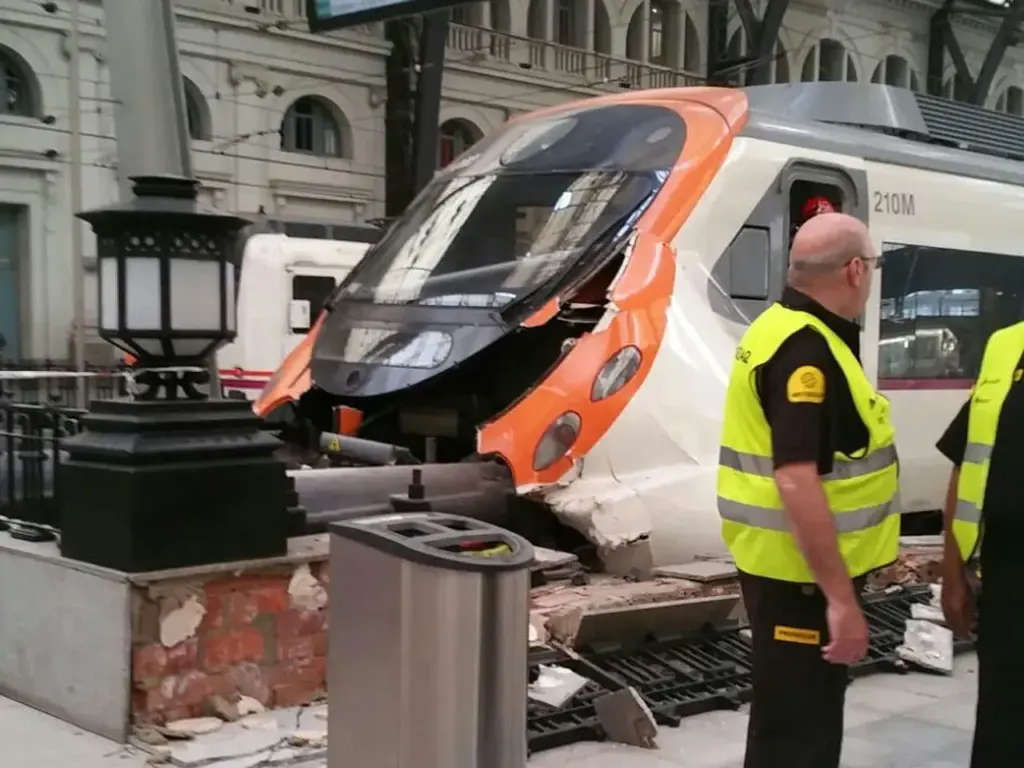
The recent tragic event known as the Barcelona train crash has shocked the nation, as it resulted in the death of a train driver and left at least 37 others injured, with five in critical condition. This devastating incident occurred when a Rodalies commuter train derailed after colliding with a retaining wall that had unexpectedly collapsed on the tracks, highlighting the risks faced by the rail system in Spain. The crash took place as torrential storms swept through northeastern Spain, compounding the situation for emergency responders. Fire services reported a complex rescue operation while suspensions of train services across Catalonia’s Rodalies network have caused widespread disruptions for urban commuters. The implications of this train derailment news have sparked discussions about safety measures in the wake of the recent Spain rail disaster and the collective anxieties surrounding transportation in the region.
In what is now being referred to as the Rodalies train accident, a serious incident unfolded involving a Barcelona commuter train that tragically derailed and collided with debris from a nearby wall. This unfortunate event adds to a troubling series of train incidents in Spain, including a recent catastrophic collision in Andalusia that claimed numerous lives. As heavy rains battered the region, officials are scrutinizing the conditions that led to the derailment, with concerns growing about the integrity of infrastructure amidst severe weather. Commuters across Catalonia now face altered travel plans due to the suspension of train services, raising awareness about the need for improved rail safety standards. The aftermath of this train collision underscores the urgency of addressing vulnerabilities in the railway system to prevent future disasters.
Tragic Barcelona Train Crash: A Deepening Rail Crisis
The recent Barcelona train crash has left the city and the nation in shock, as details emerge about the severity of the incident. A Rodalies commuter train derailed and crashed, resulting in the tragic death of the train driver and injuring at least 37 others, including five individuals in serious condition. This calamity unfolded in Gelida, not far from Barcelona, amidst heavy storms that battered the region. With the collapse of a retaining wall onto the tracks, the train collided head-on with this debris, resulting in disastrous consequences for the passengers on board.
As the investigation unfolds, rail officials are scrutinizing the circumstances surrounding this catastrophic event. The combination of torrential rainfall, which followed an extended period of drought, may have weakened the infrastructure, leading to the wall’s collapse. This incident has not just raised immediate concerns about safety in the Catalonia train collision; it also reflects broader issues within Spain’s rail system, especially in light of another deadly incident that occurred two days prior, where high-speed trains collided in southern Spain, bringing the nation’s rail safety into question.
Understanding the Rodalies Train Accident: Causes and Responses
The Rodalies train accident is a poignant reflection of the challenges faced by Spain’s rail infrastructure. Investigators are probing into the causes of the train derailment, with local officials positing that heavy rains led to the failure of the retaining wall. The driver, while tragically losing his life, was responsible for navigating the perilous tracks under adverse conditions. Emergency responders had to work diligently to free trapped survivors in the wreckage—a scenario that highlights the urgency of revising safety protocols within the commuter rail systems.
In the wake of the incident, the Spanish train drivers’ union Semaf has called for urgent changes and a strike, amplifying the voices of those impacted by this recent string of rail disasters. The union advocates for better safety measures and infrastructure investments to prevent future tragedies. As rail services across the Rodalies network remain suspended for safety inspections, approximately 400,000 commuters are left grappling with the aftermath of the crash, further complicating the transportation landscape in Catalonia.
Impact of the Barcelona Train Crash on Commuters and Rail Services
The impact of the Barcelona train crash on daily commuters cannot be overstated. With all Rodalies services in Catalonia suspended, hundreds of thousands of passengers are left without reliable transportation, significantly affecting their ability to travel for work or personal matters. Local authorities and the rail network operator Adif have committed to rigorous safety checks, but the halt in services sheds light on the fragility of Spain’s rail infrastructure, particularly during extreme weather conditions like those seen in recent weeks.
The effects of such a suspension are multifaceted. Beyond immediate logistical concerns, there are economic implications tied to disruptions in commuter services. Business operations and regional economies may suffer as employees struggle to reach their destinations. Moreover, the emotional impact on commuters, many of whom may have experienced the chaos of the crash firsthand, cannot be ignored. This disaster serves as a critical reminder of the urgent need for investment in reliable rail infrastructure and maintenance to ensure the safety and well-being of passengers.
Spain’s Rail Disaster: Lessons from Recent Events
Spain’s recent rail disaster, encompassing both the tragic Barcelona train crash and the high-speed train collision in Andalusia, highlights a pressing need for reassessment within the rail sector. With at least 42 lives lost in the incident near Córdoba alone, combined with the fatalities from the Gelida crash, the railway system faces intense scrutiny. These events compel industry leaders and government officials to confront the deteriorating conditions of rail infrastructure and prioritize safety enhancements.
Lessons learned from these tragedies emphasize the importance of proactive maintenance and regular safety audits on railway systems. Incidents like these not only claim lives but also raise questions about the preparedness of emergency responses and the viability of ongoing operations. For passengers who rely daily on the Spanish rail network, the fear of another collision or derailment remains a palpable concern. Moving forward, strategic reforms must address not only infrastructure improvements but also enhanced training for train operators and emergency personnel to prevent such disasters in the future.
Weather Challenges and Rail Safety: The Barcelona Case
Severe weather has been a contributory factor in the recent Barcelona train crash, casting a spotlight on the relationship between environmental conditions and rail safety. Heavy storms affected northeastern Spain, leading to a situation where a retaining wall collapsed, resulting in derailment. Local officials noted that the rainfall followed months of drought, creating a precarious situation for rail infrastructure that were likely not designed to withstand such drastic changes.
The interaction of weather conditions and rail safety brings forth critical questions regarding preparedness and resilience of transportation networks. This incident is not isolated; as extreme weather events become more common due to climate change, rail networks across the globe must adopt more comprehensive strategies to address the heightened risk. In Spain, ensuring the safety of the Rodalies train network in the face of unpredictable weather is imperative, requiring an overhaul of current safety protocols and infrastructure assessments.
Investigation and Accountability: The Road Ahead for Spanish Railways
The aftermath of the Barcelona train crash has set in motion a series of investigations into the roles and responsibilities of rail operators and infrastructure providers. Assigning accountability is crucial not only for the victims of this tragic incident but also for restoring public trust in Spain’s rail system. As investigations continue, the need for transparent communication and thorough analysis of failure points within the system becomes essential.
Rail safety stakeholders must work collaboratively to establish clear benchmarks for safety and operational integrity moving forward. The ongoing investigations into the causes of both the Gelida and Córdoba incidents will contribute to a larger understanding of systemic vulnerabilities. In the long term, accountability, improved regulatory frameworks, and comprehensive safety protocols are vital steps towards preventing future rail accidents in Spain.
Future of Commuter Rail Safety in Spain: A Collective Responsibility
The future of commuter rail safety in Spain must become a shared commitment among infrastructure owners, operators, regulatory agencies, and the public. The Barcelona train crash serves as a wake-up call, underscoring the necessity of systemic changes that prioritize passenger safety above all. This collective responsibility calls for investment in advanced technologies that can detect infrastructure weaknesses before they become disasters, alongside rigorous training for personnel operating under increasingly complex conditions.
To create a robust safety culture within Spain’s rail network, collaboration with international experts and reliance on best practices from around the world can be instrumental. By analyzing data from various rail systems and adapting those insights locally, Spanish authorities can develop a comprehensive approach to safety that is proactive rather than reactive. As railways continue to play a crucial role in the nation’s transportation framework, ensuring the safety of passengers through sustainable practices will become more vital than ever in fostering public confidence in the rail system.
Emotional Toll of Train Accidents: Solidarity in Grief
The emotional toll of the Barcelona train crash resonates deeply within affected communities. Victims and their families bear the brunt of the tragedy, dealing not only with physical injuries but also the psychological scars left by the ordeal. In the wake of this disaster, solidarity among the community members shines through, as people come together to support one another through their grief. Local vigils and support services aim to provide comfort for those who experienced trauma and loss during this catastrophic event.
Community resilience becomes crucial in the aftermath of rail disasters like the one in Barcelona. Support systems, counseling services, and public mourning events play an essential role in facilitating healing. As collective grief unfolds, it also calls for reflection on the value of safety in transportation and the imperative to advocate for systemic changes that honor the memories of those lost. It is through this solidarity that communities can begin to find strength in their darkest moments.
Policy Reform and Infrastructure Improvement: The Path Forward
In light of the recent Barcelona train crash and the broader context of Spain’s rail disasters, the call for policy reform and infrastructure improvements has never been more urgent. Authorities must evaluate current operational practices, safety standards, and investment strategies to ensure that tragedies like this do not recur. Engaging with rail safety advocacy groups, accident survivors, and the general public will create a comprehensive perspective on necessary reform efforts.
Improving infrastructure isn’t solely about addressing existing weaknesses; it also involves anticipating future challenges posed by climate change and urban development. Upgrading tracks, bridges, and signaling systems to withstand extreme weather conditions must be prioritized. Furthermore, transparency and accountability within rail companies will foster public trust and encourage a culture of safety. A strategic, multifaceted approach toward policy reform is essential in creating a resilient and reliable railway system for the future.
Frequently Asked Questions
What happened during the Barcelona train crash involving the Rodalies train?
The Barcelona train crash, which involved a Rodalies commuter train, occurred when the train derailed and collided with a retaining wall that fell onto the tracks, resulting in the death of the train driver and injuries to at least 37 passengers, with five in serious condition.
What were the causes of the Rodalies train accident near Barcelona?
Local officials attribute the Rodalies train accident to heavy rainfall causing the collapse of a retaining wall, which hit the train shortly after 9 PM on Tuesday. This incident highlights concerns over rail safety in Spain amid severe weather.
How has the train derailment news impacted services in Barcelona?
Following the Barcelona train crash, all services across Catalonia’s Rodalies commuter rail network have been suspended for safety inspections, affecting approximately 400,000 daily commuters during this critical time.
What measures are being taken in response to the Barcelona commuter train incident?
In response to the Barcelona commuter train incident and the recent rise in rail accidents in Spain, the Spanish train drivers’ union, Semaf, has called for a strike, voicing concerns over the safety of the railway system after this disastrous event.
How did the recent severe weather contribute to the Barcelona train crash?
The severe weather resulting from heavy storms in northeastern Spain is believed to have caused the retaining wall to collapse onto the tracks, triggering the unfortunate events of the Barcelona train crash.
What is the latest update on the injured from the Barcelona train crash?
As a result of the Barcelona train crash, 37 individuals suffered injuries, with five in serious condition. Emergency services transported many injured passengers to local hospitals, including Moisès Broggi and Bellvitge.
What comparisons are being made between the Barcelona train crash and other recent train disasters in Spain?
The Barcelona train crash is being compared to another tragic incident that occurred two days prior in Andalusia, where two high-speed trains collided, highlighting an alarming trend in rail safety failures across Spain.
What safety measures are being discussed following the Catalonia train collision?
In light of the Catalonia train collision and the ensuing chaos after the Barcelona train crash, safety measures are under review, and operations will only resume when officials confirm it is safe to do so.
| Key Point | Details |
|---|---|
| Incident Overview | A train driver was killed and at least 37 injured when a commuter train derailed near Barcelona. |
| Time and Place | The crash occurred shortly after 21:00 (20:00 GMT) between Gelida and Sant Sadurní. |
| Cause of the Crash | The train collided with a fallen retaining wall, exacerbated by heavy rainfall and storms affecting the region. |
| Injuries and Fatalities | Five of the 37 injured are in serious condition; the identity of the deceased driver is yet to be confirmed. |
| Impact on Services | All services on the Rodalies commuter rail network in Catalonia have been suspended for inspections, affecting approximately 400,000 commuters. |
| Union Response | The Spanish train drivers’ union Semaf has called for a strike in response to this and another recent fatal accident. |
| Related Incidents | Another train derailment occurred on the same day due to a rock dislodged by the storm, affecting the Barcelona commuter network. |
Summary
The tragic Barcelona train crash has highlighted the dangers facing commuter rail systems under extreme weather conditions. It is crucial for rail safety protocols to be reviewed and strengthened, especially in jurisdictions prone to heavy rainfall. With a driver lost and numerous passengers injured, this incident not only emphasizes the need for immediate safety inspections but also stresses the urgency for systemic improvements to prevent future incidents. The fallout from this disaster and the related strike by train drivers emphasize the vital need for comprehensive safety measures and accountability within the rail industry.